


Backyard Fun Pools








About
Swimming pools turn your yard into a ready-to-use summer hangout, and you can compare sizes, depths, and materials without guesswork. You’ll find options for small patios, open lawns, and busy family routines, with setup styles that match your space and schedule.
How to choose swimming pools for your yard
Start with your ground space, because you’ll want a flat area that matches the pool’s footprint and walking room. You should also leave space for a ladder, cover, pump hoses, and the path you’ll use most often.
If your yard is compact, you may prefer 8 ft or 10 ft swimming pools that fit tighter layouts. If you have more open space, 12 ft and 15 ft+ sizes give your household more room to float, splash, and move.
Depth matters just as much as diameter, because you’ll want a pool that suits how your household spends time outside. You might choose shallow styles for younger kids, while deeper options support more room for active play.
- You can match pool size to your available yard space and daily setup routine.
- You can compare shallow and deep designs based on who will use the pool most.
- You can pick materials that balance quick assembly with season-long structure.
- You can plan for pumps, covers, and ladders before your pool arrives.
Choosing between above ground pools and inflatable swimming pools
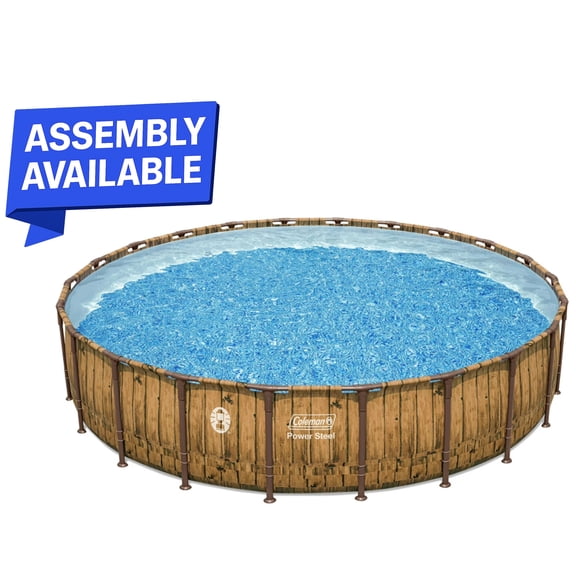
Above ground pools usually make sense when you want a more structured shape and a longer seasonal setup. You’ll often notice framed walls and support pieces that help the pool keep its form.
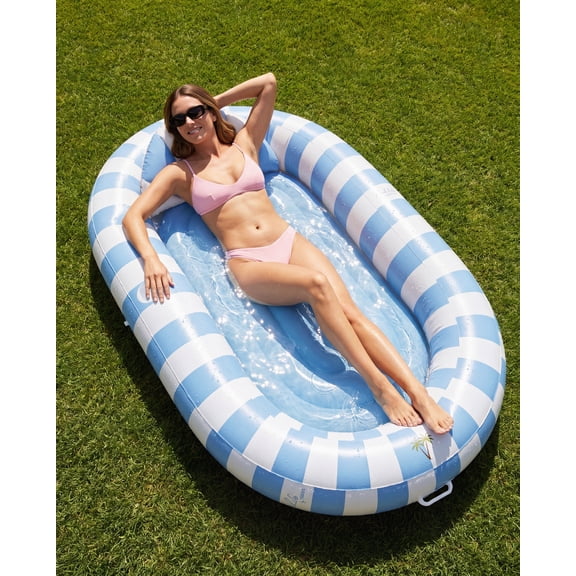
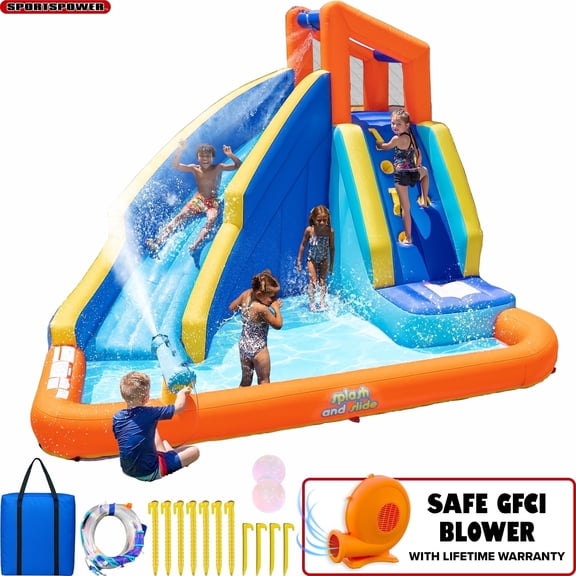
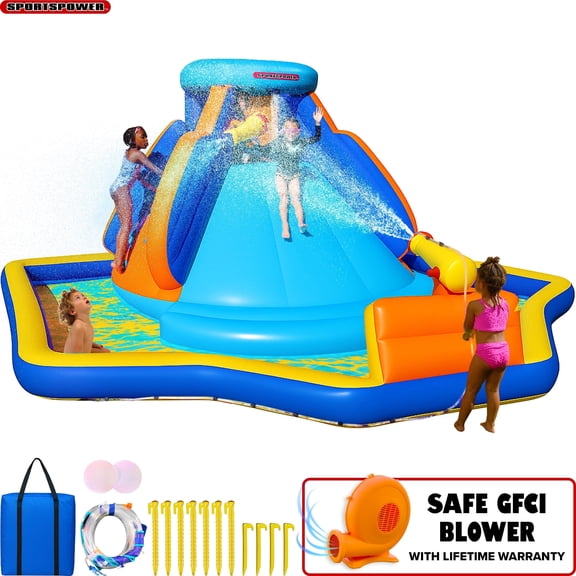
Inflatable swimming pools work well when you want faster setup and simpler storage between uses. You’ll typically spend less time assembling parts, which helps when you want flexible backyard fun.
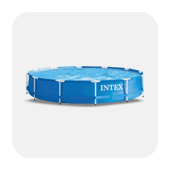
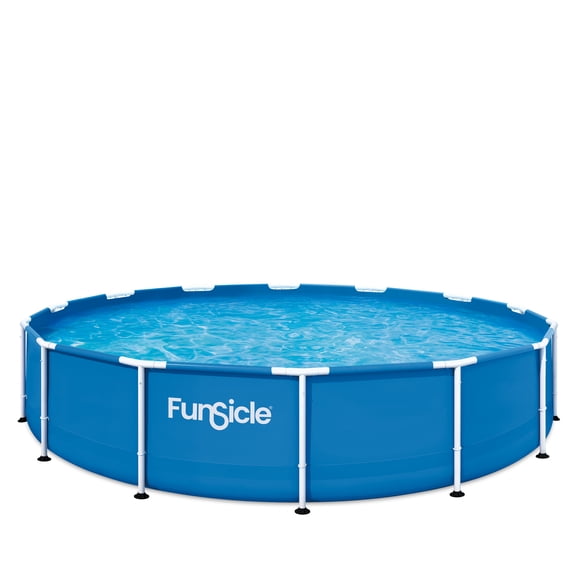
Framed styles, including many metal frame pools, can suit households that plan to keep the pool assembled longer. You’ll want to compare the frame material, liner thickness, and the space needed around each leg support.
If you’re considering in-ground inspired looks, you should remember this page centers on portable backyard pools. You’ll get easier setup and more flexible placement from above ground and inflatable designs.
What to look for in size, depth, and age group fit
Toddler and kids options often focus on lower wall heights and simpler entry, which helps you match the pool to younger users. You’ll want to check diameter and water depth together, not separately.
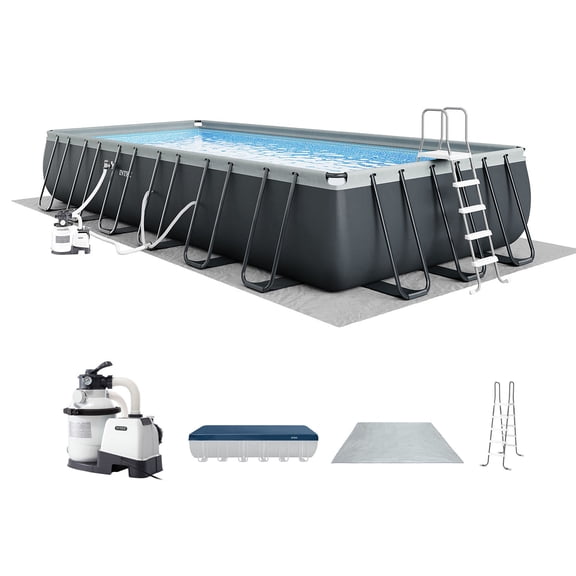
Family pools usually need enough width for several people to move comfortably without crowding each other. You may prefer rectangular or larger round shapes when you want room for games, floats, and relaxed lounging.
Adult-focused backyard pools can benefit from deeper walls and sturdier frame support for repeated seasonal use. You should compare the filled height and overall diameter so your yard still feels usable.
Adjustable or flexible-depth designs can help when you want a lighter splash area on some days. You’ll appreciate that kind of option if your household includes a mix of ages and play styles.
Comparing vinyl, steel frame, and plastic construction
Material choice affects how your pool feels during setup, daily use, and end-of-season storage. You’ll usually see vinyl liners in inflatable and soft-sided styles because they fold more easily when you pack them away.
Steel frame options can give you more structure around the walls, especially in larger round or rectangular pools. You should look at how the frame connects, because that can affect assembly time and seasonal takedown.
Plastic parts often appear in connectors, ladders, or compact kiddie pools, where you want lighter handling. You may like that these pieces are easier to move when you reset your yard layout.
When you compare metal frame pools with softer inflatable designs, think about how long you’ll keep the pool filled. You’ll often choose framed construction for longer backyard use and inflatable styles for quicker setup cycles.
Checking pump flow rate, filter cartridge type, and maintenance needs
Water capacity changes what you’ll need from your pump, so larger pools usually call for stronger circulation support. You should compare pump flow rate with pool size, because that helps you understand routine upkeep.
Filter cartridge type matters when you’re planning replacements and regular cleaning through the season. You’ll want to check whether a pool uses a common cartridge style that fits your maintenance routine.
Easy set pools and smaller family pools may use simpler filtration systems that are easier to manage. You might prefer that approach if you want straightforward care without a large equipment footprint.
Covers, skimmers, and accessory compatibility also shape your day-to-day experience with backyard pools. You’ll save time when your pool setup works smoothly with pumps, filters, covers, and floats from the start.
Planning setup details for real backyard use
Before setup, you should measure the full area and clear a flat section for the base and walking space. You’ll get a smoother installation when your ground is level and free of sharp debris.
Ladder design is worth checking if your pool sits higher off the ground than a kiddie pool. You’ll want entry steps that match the pool wall height and fit the users in your household.
Pool covers can help you keep out leaves and reduce cleanup between uses, especially in active yards. You should also review local fencing rules or gate requirements before choosing deeper above ground swimming pools.
When you plan around your yard, your household size, and your maintenance routine, swimming pools become easier to choose with confidence. You’ll end up with a backyard setup that fits your space, your summer pace, and your everyday use.