

Adaptive at walmart
























About
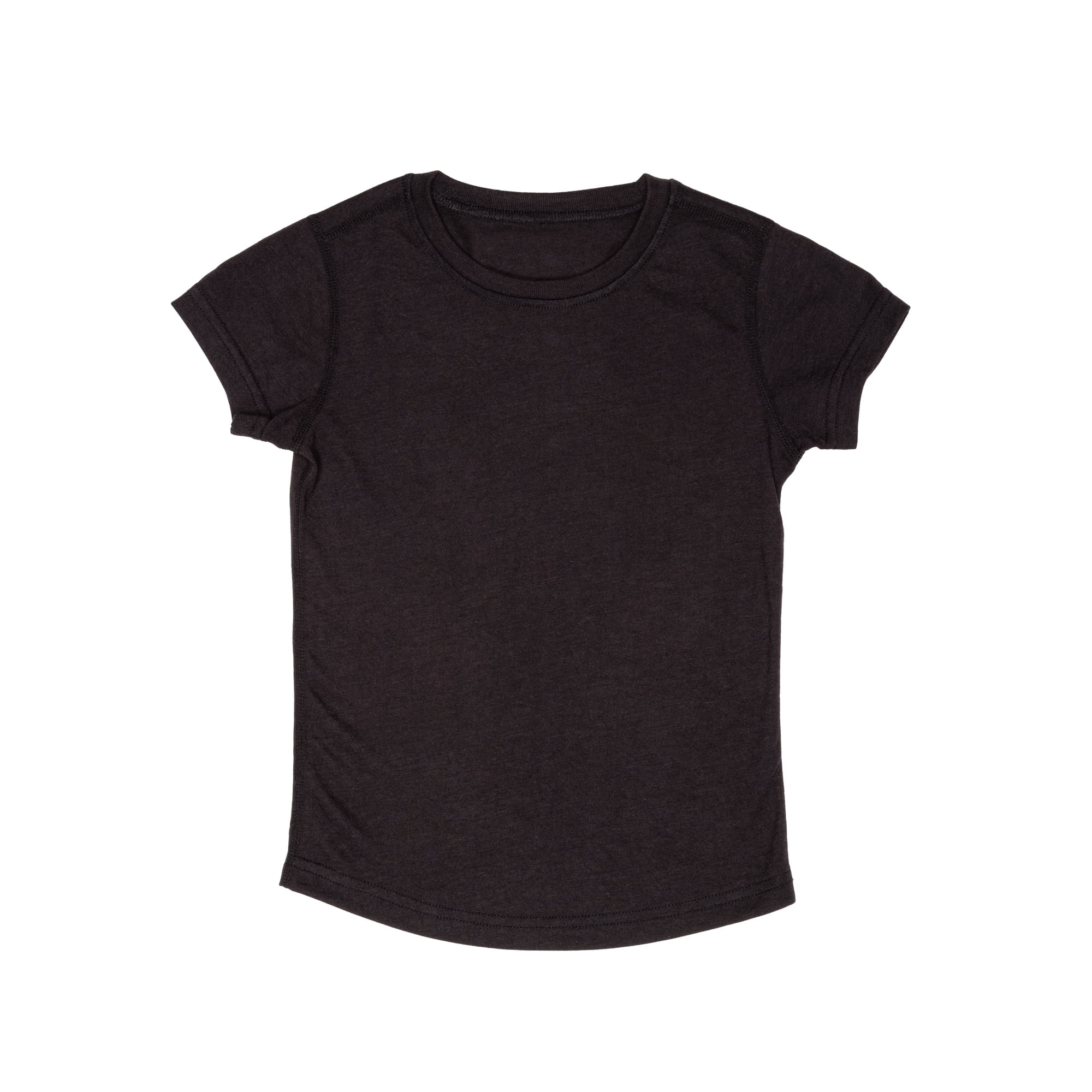
Adaptive clothing helps you simplify dressing, support daily comfort, and choose styles shaped for real mobility and sensory needs. You’ll also find adaptive apparel options built around closures, seated fit, and smoother fabric details.
How to choose adaptive clothing
You should start with the dressing routine that matters to you in your day. You may need faster changes, simpler access, or clothing that feels calmer against your skin.
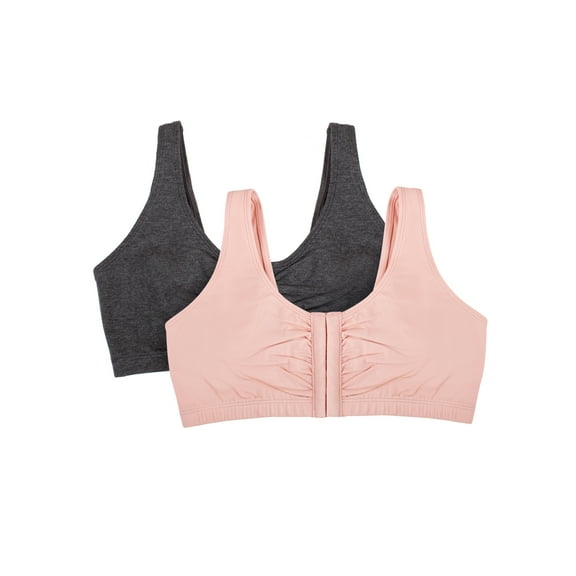
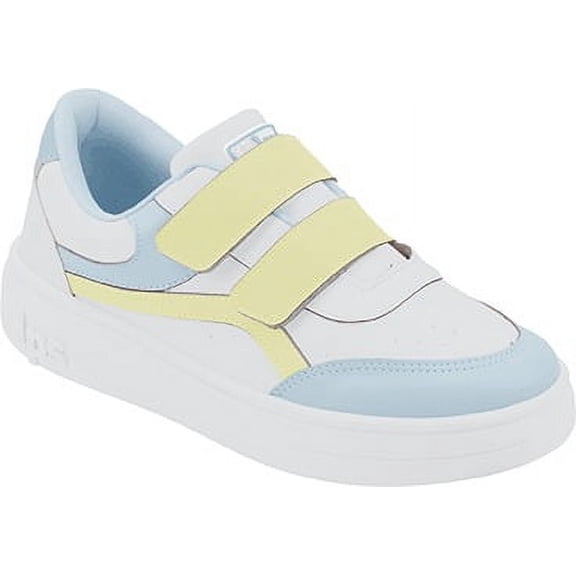
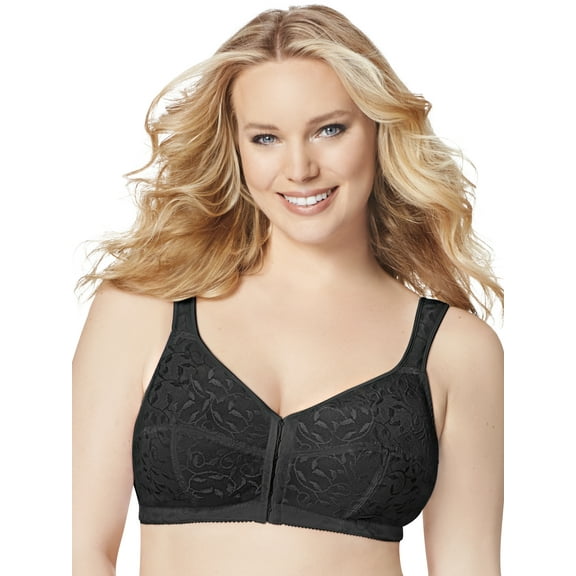
Some shoppers compare magnetic closures clothing with hook-and-loop or snap styles for easier fastening. You can also compare pull-on and zipper options when your hand strength or range of motion matters.
You’ll want clothing that works for seated movement, transfers, or standing wear through the day. Your choice may also depend on tagless finishes, flat seams, and soft fabrics that feel smoother.
Choosing closure types for adaptive clothing
You can narrow your options by checking how each closure opens, lines up, and secures. Your routine may feel simpler when closures match your dexterity, grip, or dressing support needs.
- You may prefer magnetic closures when you want pieces to align quickly with less fine finger movement.
- You can choose hook-and-loop styles when you want adjustable fastening and simple open-and-close access.
- You might like snaps for familiar placement and a secure feel on everyday tops or bottoms.
- You can select zippers when you want a classic look with guided opening on jackets or pants.
- You may reach for pull-on designs when you want fewer fastening steps during dressing changes.
You should also consider how closures hold up through frequent washing and repeated wear. Your daily use often feels easier when closures stay dependable after many laundry cycles.
Comparing sensory friendly clothing details
You can use sensory features as a clear decision point when texture and seams affect everyday comfort. Your clothing may feel easier to wear when tags, bulky edges, and rough finishes stay minimized.
Many shoppers look for sensory friendly clothing with tagless interiors and flat seams. You’ll often notice these details create a smoother feel under layers, outerwear, or school clothes.
You can also compare ultra-soft fabric when you want a gentler hand feel during long wear. Your choice may depend on whether you want lighter tops, cozier bottoms, or softer socks.
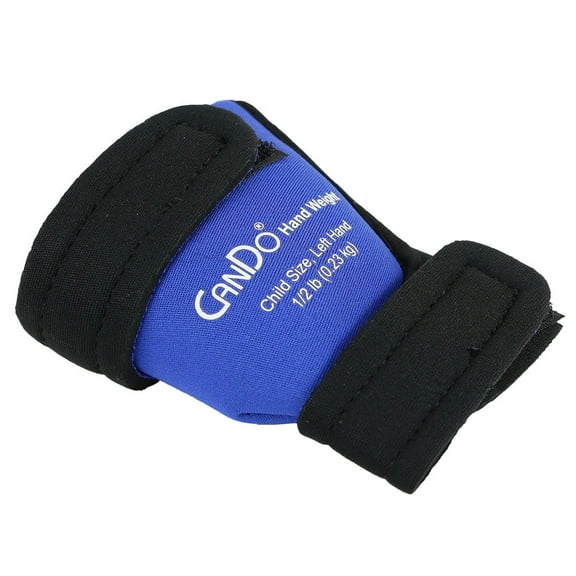
You may also consider weighted options when steady pressure is part of your clothing preference. Your comparison should focus on feel, layering, and everyday wearability.
Checking mobility fit and seated comfort
You should compare mobility fit based on how you sit, stand, transfer, and move throughout the day. Your clothing needs may change when you want back coverage, easier access, or less bunching.
Wheelchair friendly apparel often includes seated fit details, open-back designs, or side-opening construction. You can use these features to compare coverage, access, and comfort while seated.
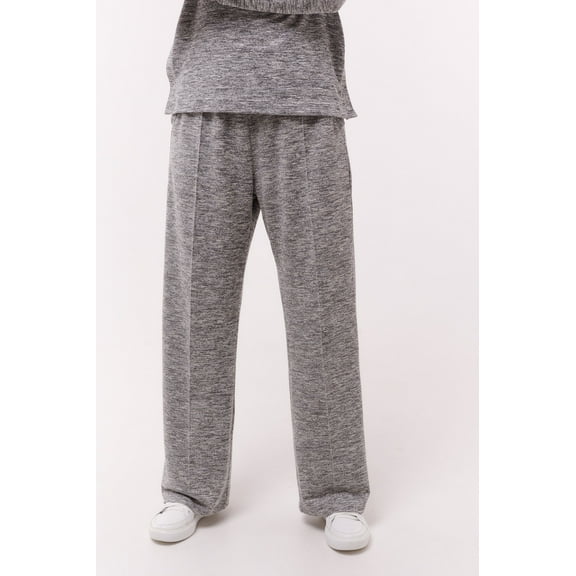
You may also check rise height and back coverage when pants or bottoms are part of your search. Your fit often feels more consistent when clothing is shaped for seated posture.
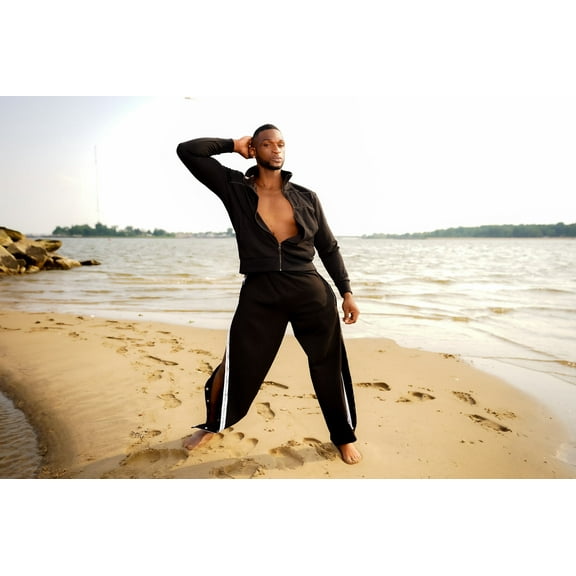
Open-back tops and side-opening bottoms can simplify dressing support during home routines or care settings. You’ll want to compare how each design balances coverage with easier on-and-off access.
Matching product categories to daily routines
You can choose adaptive apparel by thinking through where and when you’ll wear each piece. Your routine may call for tops, bottoms, outerwear, footwear, or socks with different access needs.
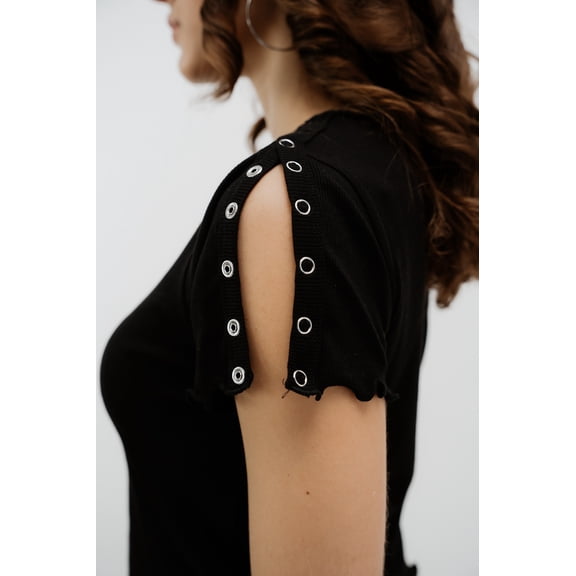
Tops may help you compare neckline access, shoulder openings, and back-entry construction for easier dressing. Bottoms can help you evaluate seated fit, side openings, and pull-on comfort for daily wear.
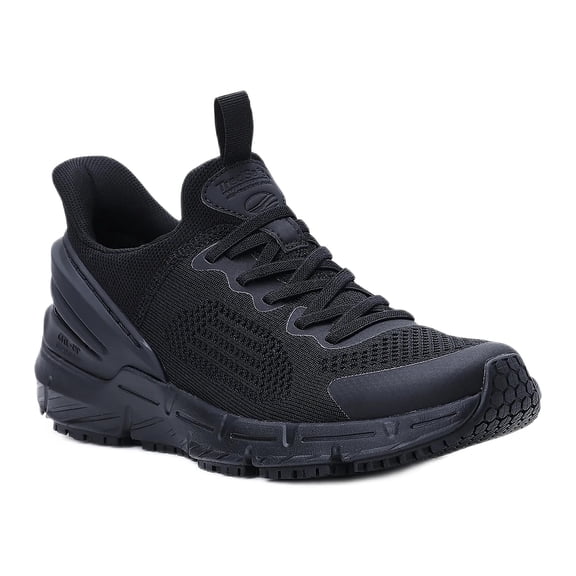
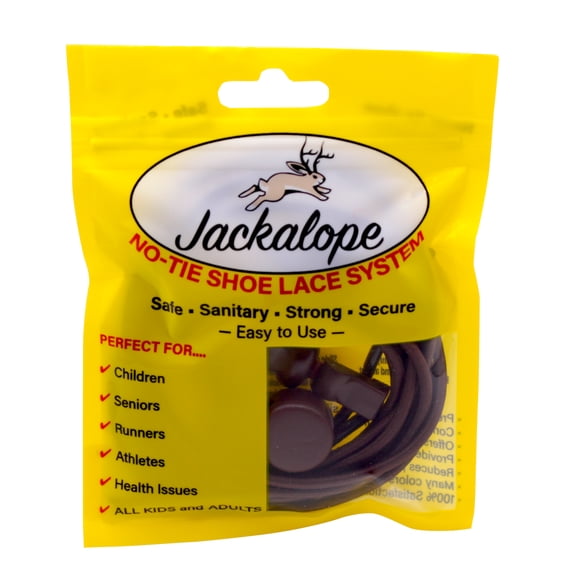
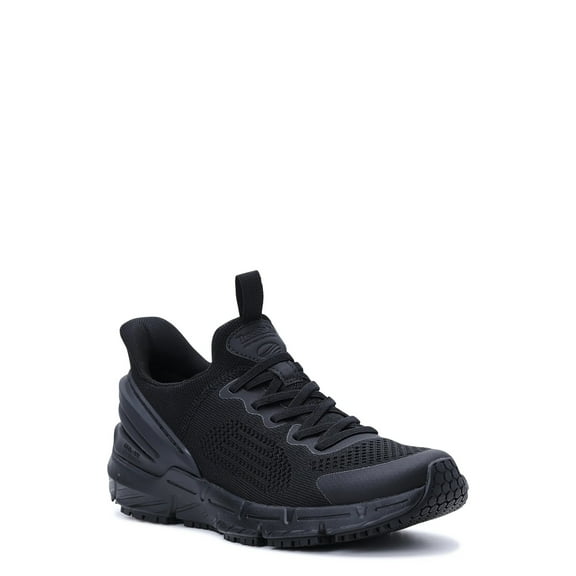
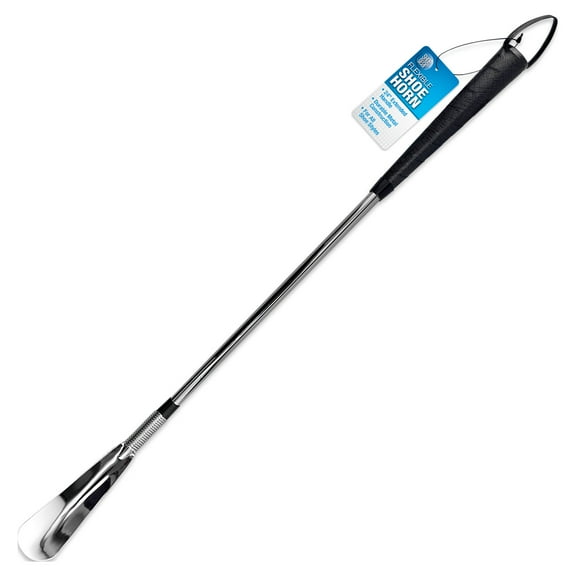
Outerwear works well when you want easier layering without bulky fastening steps. Adaptive shoes and socks can support simpler getting-ready routines when closures and openings are easier to manage.
Using adaptive apparel for real-life needs
You may want easy wear clothing for school mornings, work routines, travel days, or assisted dressing. Your clothing choices can support faster changes while keeping a familiar everyday look.
For children, you might prioritize sensory friendly clothing with tagless finishes and soft fabrics. Your pick may feel more practical when school clothes stay comfortable through long classroom hours.
For adults, you may compare wheelchair friendly apparel with seated fit bottoms and open-back tops. Your routine can feel more manageable when coverage and access work together during transfers.
You can also build outfits around closure preferences, such as magnets for shirts and pull-on bottoms. Your setup may feel more consistent when each piece supports the same dressing approach.
Frequent washing is another useful filter when you compare everyday pieces. You’ll want fabrics, seams, and closures that keep their shape and function through repeat laundry cycles.
What to look for before you decide
You should measure fit, compare closure placement, and check fabric feel before choosing a style. Your decision often gets easier when you match clothing details to your daily routine.
You can focus on adaptive clothing that reflects real needs, from sensory comfort to seated coverage. Your final choice can bring smoother dressing, more comfort, and easier day-to-day wear.