


Hero image 0 of Impeachment : An American History (Hardcover), 0 of 1
Impeachment : An American History (Hardcover)
(No ratings yet)
Key item features
Four experts on the American presidency examine the first three times impeachment has been invoked—against Andrew Johnson, Richard Nixon, and Bill Clinton—and explain what it means today.
Impeachment is a double-edged sword. Though it was designed to check tyrants, Thomas Jefferson also called impeachment “the most formidable weapon for the purpose of a dominant faction that was ever contrived.” On the one hand, it nullifies the will of voters, the basic foundation of all representative democracies. On the other, its absence from the Constitution would leave the country vulnerable to despotic leadership. It is rarely used, and with good reason.
Only three times has a president’s conduct led to such political disarray as to warrant his potential removal from office, transforming a political crisis into a constitutional one. None has yet succeeded. Andrew Johnson was impeached in 1868 for failing to kowtow to congressional leaders—and, in a large sense, for failing to be Abraham Lincoln—yet survived his Senate trial. Richard Nixon resigned in August 1974 after the House Judiciary Committee approved three articles of impeachment against him for lying, obstructing justice, and employing his executive power for personal and political gain. Bill Clinton had an affair with a White House intern, but in 1999 he faced trial in the Senate less for that prurient act than for lying under oath about it.
In the first book to consider these three presidents alone—and the one thing they have in common—Jeffrey A. Engel, Jon Meacham, Timothy Naftali, and Peter Baker explain that the basis and process of impeachment is more political than legal. The Constitution states that the president “shall be removed from Office on Impeachment for, and Conviction of, Treason, Bribery, or other high Crimes and Misdemeanors,” leaving room for historical precedent and the temperament of the time to weigh heavily on each case. This book reveals the complicated motives behind each impeachment—never entirely limited to the question of a president’s guilt—and the risks to all sides. Each case depended on factors beyond the president’s behavior: his relationship with Congress, the polarization of the moment, and the power and resilience of the office itself. This is a realist view of impeachment that looks to history for clues about its potential use in the future.
Impeachment is a double-edged sword. Though it was designed to check tyrants, Thomas Jefferson also called impeachment “the most formidable weapon for the purpose of a dominant faction that was ever contrived.” On the one hand, it nullifies the will of voters, the basic foundation of all representative democracies. On the other, its absence from the Constitution would leave the country vulnerable to despotic leadership. It is rarely used, and with good reason.
Only three times has a president’s conduct led to such political disarray as to warrant his potential removal from office, transforming a political crisis into a constitutional one. None has yet succeeded. Andrew Johnson was impeached in 1868 for failing to kowtow to congressional leaders—and, in a large sense, for failing to be Abraham Lincoln—yet survived his Senate trial. Richard Nixon resigned in August 1974 after the House Judiciary Committee approved three articles of impeachment against him for lying, obstructing justice, and employing his executive power for personal and political gain. Bill Clinton had an affair with a White House intern, but in 1999 he faced trial in the Senate less for that prurient act than for lying under oath about it.
In the first book to consider these three presidents alone—and the one thing they have in common—Jeffrey A. Engel, Jon Meacham, Timothy Naftali, and Peter Baker explain that the basis and process of impeachment is more political than legal. The Constitution states that the president “shall be removed from Office on Impeachment for, and Conviction of, Treason, Bribery, or other high Crimes and Misdemeanors,” leaving room for historical precedent and the temperament of the time to weigh heavily on each case. This book reveals the complicated motives behind each impeachment—never entirely limited to the question of a president’s guilt—and the risks to all sides. Each case depended on factors beyond the president’s behavior: his relationship with Congress, the polarization of the moment, and the power and resilience of the office itself. This is a realist view of impeachment that looks to history for clues about its potential use in the future.
Specs
- Book formatHardcover
- Fiction/nonfictionNon-Fiction
- GenreHistory
- Pub date2018-10-09
- Pages304
- Reading levelGrade 10, Grade 11, Grade 12, Grade 9
Current price is USD$21.41
Price when purchased online
- Free shipping
 Free 30-day returns
How do you want your item?
Columbus, 43215
Arrives between Apr 11 - Apr 14
|
Sold and shipped by BooksXpress
3.975015422578655 stars out of 5, based on 3242 seller reviews(4.0)3242 seller reviews

Free 30-day returns
Other sellers
$25.40
+Free shippingShipping, arrives by Sat, Apr 11 to Columbus, 43215
Sold and shipped by RAREWAVES-USA
Free 30-day returns
$20.81
+Free shippingShipping, arrives by Fri, Apr 17 to Columbus, 43215
Sold and shipped by newbookdeals
Free 30-day returns
About this item
Product details
Four experts on the American presidency examine the first three times impeachment has been invoked--against Andrew Johnson, Richard Nixon, and Bill Clinton--and explain what it means today. Impeachment is a double-edged sword. Though it was designed to check tyrants, Thomas Jefferson also called impeachment "the most formidable weapon for the purpose of a dominant faction that was ever contrived." On the one hand, it nullifies the will of voters, the basic foundation of all representative democracies. On the other, its absence from the Constitution would leave the country vulnerable to despotic leadership. It is rarely used, and with good reason. Only three times has a president's conduct led to such political disarray as to warrant his potential removal from office, transforming a political crisis into a constitutional one. None has yet succeeded. Andrew Johnson was impeached in 1868 for failing to kowtow to congressional leaders--and, in a large sense, for failing to be Abraham Lincoln--yet survived his Senate trial. Richard Nixon resigned in August 1974 after the House Judiciary Committee approved three articles of impeachment against him for lying, obstructing justice, and employing his executive power for personal and political gain. Bill Clinton had an affair with a White House intern, but in 1999 he faced trial in the Senate less for that prurient act than for lying under oath about it. In the first book to consider these three presidents alone--and the one thing they have in common--Jeffrey A. Engel, Jon Meacham, Timothy Naftali, and Peter Baker explain that the basis and process of impeachment is more political than legal. The Constitution states that the president "shall be removed from Office on Impeachment for, and Conviction of, Treason, Bribery, or other high Crimes and Misdemeanors," leaving room for historical precedent and the temperament of the time to weigh heavily on each case. This book reveals the complicated motives behind each impeachment--never entirely limited to the question of a president's guilt--and the risks to all sides. Each case depended on factors beyond the president's behavior: his relationship with Congress, the polarization of the moment, and the power and resilience of the office itself. This is a realist view of impeachment that looks to history for clues about its potential use in the future.
Four experts on the American presidency examine the first three times impeachment has been invoked—against Andrew Johnson, Richard Nixon, and Bill Clinton—and explain what it means today.
Impeachment is a double-edged sword. Though it was designed to check tyrants, Thomas Jefferson also called impeachment “the most formidable weapon for the purpose of a dominant faction that was ever contrived.” On the one hand, it nullifies the will of voters, the basic foundation of all representative democracies. On the other, its absence from the Constitution would leave the country vulnerable to despotic leadership. It is rarely used, and with good reason.
Only three times has a president’s conduct led to such political disarray as to warrant his potential removal from office, transforming a political crisis into a constitutional one. None has yet succeeded. Andrew Johnson was impeached in 1868 for failing to kowtow to congressional leaders—and, in a large sense, for failing to be Abraham Lincoln—yet survived his Senate trial. Richard Nixon resigned in August 1974 after the House Judiciary Committee approved three articles of impeachment against him for lying, obstructing justice, and employing his executive power for personal and political gain. Bill Clinton had an affair with a White House intern, but in 1999 he faced trial in the Senate less for that prurient act than for lying under oath about it.
In the first book to consider these three presidents alone—and the one thing they have in common—Jeffrey A. Engel, Jon Meacham, Timothy Naftali, and Peter Baker explain that the basis and process of impeachment is more political than legal. The Constitution states that the president “shall be removed from Office on Impeachment for, and Conviction of, Treason, Bribery, or other high Crimes and Misdemeanors,” leaving room for historical precedent and the temperament of the time to weigh heavily on each case. This book reveals the complicated motives behind each impeachment—never entirely limited to the question of a president’s guilt—and the risks to all sides. Each case depended on factors beyond the president’s behavior: his relationship with Congress, the polarization of the moment, and the power and resilience of the office itself. This is a realist view of impeachment that looks to history for clues about its potential use in the future.
Impeachment is a double-edged sword. Though it was designed to check tyrants, Thomas Jefferson also called impeachment “the most formidable weapon for the purpose of a dominant faction that was ever contrived.” On the one hand, it nullifies the will of voters, the basic foundation of all representative democracies. On the other, its absence from the Constitution would leave the country vulnerable to despotic leadership. It is rarely used, and with good reason.
Only three times has a president’s conduct led to such political disarray as to warrant his potential removal from office, transforming a political crisis into a constitutional one. None has yet succeeded. Andrew Johnson was impeached in 1868 for failing to kowtow to congressional leaders—and, in a large sense, for failing to be Abraham Lincoln—yet survived his Senate trial. Richard Nixon resigned in August 1974 after the House Judiciary Committee approved three articles of impeachment against him for lying, obstructing justice, and employing his executive power for personal and political gain. Bill Clinton had an affair with a White House intern, but in 1999 he faced trial in the Senate less for that prurient act than for lying under oath about it.
In the first book to consider these three presidents alone—and the one thing they have in common—Jeffrey A. Engel, Jon Meacham, Timothy Naftali, and Peter Baker explain that the basis and process of impeachment is more political than legal. The Constitution states that the president “shall be removed from Office on Impeachment for, and Conviction of, Treason, Bribery, or other high Crimes and Misdemeanors,” leaving room for historical precedent and the temperament of the time to weigh heavily on each case. This book reveals the complicated motives behind each impeachment—never entirely limited to the question of a president’s guilt—and the risks to all sides. Each case depended on factors beyond the president’s behavior: his relationship with Congress, the polarization of the moment, and the power and resilience of the office itself. This is a realist view of impeachment that looks to history for clues about its potential use in the future.
info:
We aim to show you accurate product information. Manufacturers, suppliers and others provide what you see here, and we have not verified it.
Specifications
Book format
Hardcover
Fiction/nonfiction
Non-Fiction
Genre
History
Pub date
2018-10-09
Warranty
Warranty information
Please be aware that the warranty terms on items offered for sale by third party Marketplace sellers may differ from those displayed in this section (if any). To confirm warranty terms on an item offered for sale by a third party Marketplace seller, please use the 'Contact seller' feature on the third party Marketplace seller's information page and request the item's warranty terms prior to purchase.
Similar items you might like
Based on what customers bought
Prince and Little Weird Black Boy Gods (Paperback) $15.99
 $1599current price $15.99
Prince and Little Weird Black Boy Gods (Paperback)
The History of Richard III, (Paperback) $8.99
 $899current price $8.99
The History of Richard III, (Paperback)
Grant (Paperback) $14.18
 $1418current price $14.18
Grant (Paperback)
44.8 out of 5 Stars. 4 reviewsLessons from Bobby: Ten Reasons Robert F. Kennedy Still Matters, (Hardcover) $13.65 Was $20.97
 $1365current price $13.65, Was $20.97$20.97
Lessons from Bobby: Ten Reasons Robert F. Kennedy Still Matters, (Hardcover)
53.8 out of 5 Stars. 5 reviewsShort History Paris: A Short History, Book 4, (Hardcover) $20.92 Was $24.95
 $2092current price $20.92, Was $24.95$24.95
Short History Paris: A Short History, Book 4, (Hardcover)
Pre-Owned Our Fragile Freedoms: Essays, 9781324110613, 1324110619, Hardcover, $18.09
 $1809current price $18.09
Pre-Owned Our Fragile Freedoms: Essays, 9781324110613, 1324110619, Hardcover,
Pre-Owned The Intimate Lives of the Founding Fathers (Hardcover) 0061139122 9780061139123 $6.35
 3 optionsAvailable in additional 3 options$635current price $6.35
Pre-Owned The Intimate Lives of the Founding Fathers (Hardcover) 0061139122 9780061139123
Holding Fast to an Image of the Past: Explorations in the Marxist Tradition, (Paperback) $12.99
 $1299current price $12.99
Holding Fast to an Image of the Past: Explorations in the Marxist Tradition, (Paperback)
The Statesman as Thinker, (Hardcover) $18.25
 $1825current price $18.25
The Statesman as Thinker, (Hardcover)
Pre-Owned History Matters, 9781668098998, 1668098997, Hardcover, $21.87
 $2187current price $21.87
Pre-Owned History Matters, 9781668098998, 1668098997, Hardcover,
Liberty and Justice, For All? (Paperback) $10.64
 $1064current price $10.64
Liberty and Justice, For All? (Paperback)
Reacting to the Past(tm) Confucianism and the Succession Crisis of the Wanli Emperor, 1587, (Paperback) $21.09
 $2109current price $21.09
Reacting to the Past(tm) Confucianism and the Succession Crisis of the Wanli Emperor, 1587, (Paperback)
Missing in the Minarets: The Search for Walter A. Starr, Jr., (Paperback) $15.92
 $1592current price $15.92
Missing in the Minarets: The Search for Walter A. Starr, Jr., (Paperback)
Peones en el Juego, (Paperback) $25.42
 $2542current price $25.42
Peones en el Juego, (Paperback)
Execute the Office: Essays with Presidents (Paperback) $13.99
 $1399current price $13.99
Execute the Office: Essays with Presidents (Paperback)
Pre-Owned History Matters, 9781668098998, 1668098997, Hardcover, $13.91
$1391current price $13.91Pre-Owned History Matters, 9781668098998, 1668098997, Hardcover,
Four Seasons (Paperback) $18.66
 $1866current price $18.66
Four Seasons (Paperback)
Around the Corner: Reflections on American Wars, Violence, Terrorism, and Hope (Hardcover) $33.65
 $3365current price $33.65
Around the Corner: Reflections on American Wars, Violence, Terrorism, and Hope (Hardcover)
The Intimate Lives of the Founding Fathers, (Hardcover) $22.65
 $2265current price $22.65
The Intimate Lives of the Founding Fathers, (Hardcover)
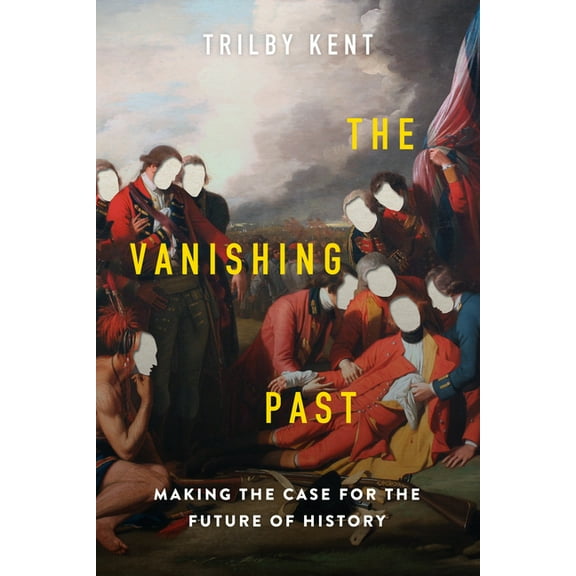
15 out of 5 Stars. 1 reviewsThe Vanishing Past: Making the Case for the Future of History, (Hardcover) $24.84
 $2484current price $24.84
The Vanishing Past: Making the Case for the Future of History, (Hardcover)
Customer ratings & reviews
0 ratings|0 reviews
This item does not have any reviews yet
