

Easter Foods


Easter candy from $1
Fill up baskets or treat yourself!







From mixes to frosting
Cheerful spring baking picks
Shop now
Crowd-pleasing Easter dishes
Shop recipes

Scoop up Easter sweets
Bakery treats from $3.97
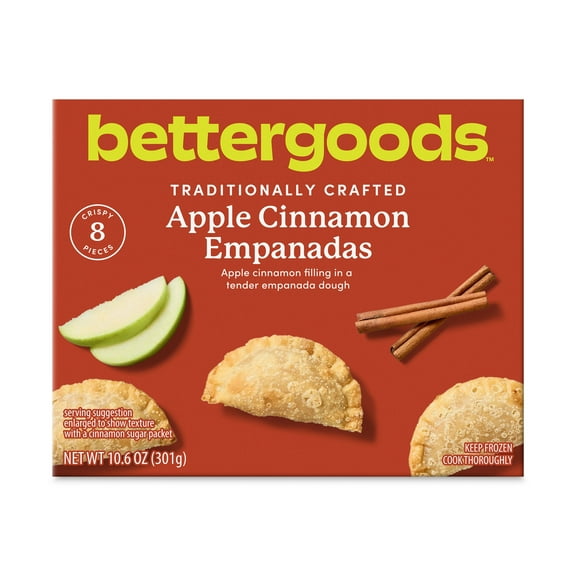
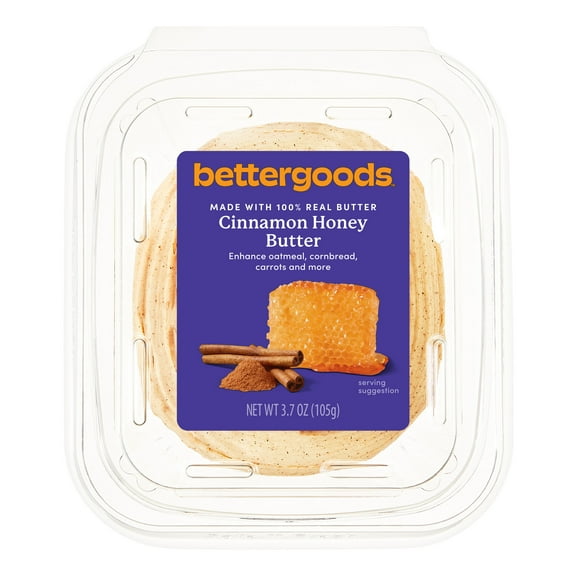
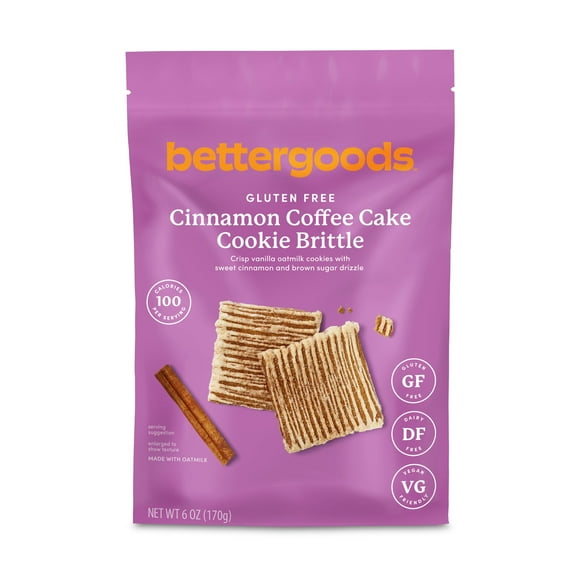
Shop nowbettergoods snacks & apps
Elevated picks for hosting Easter.






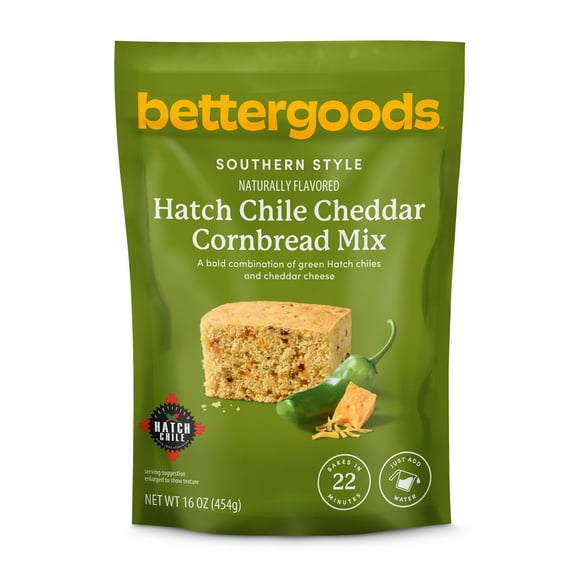


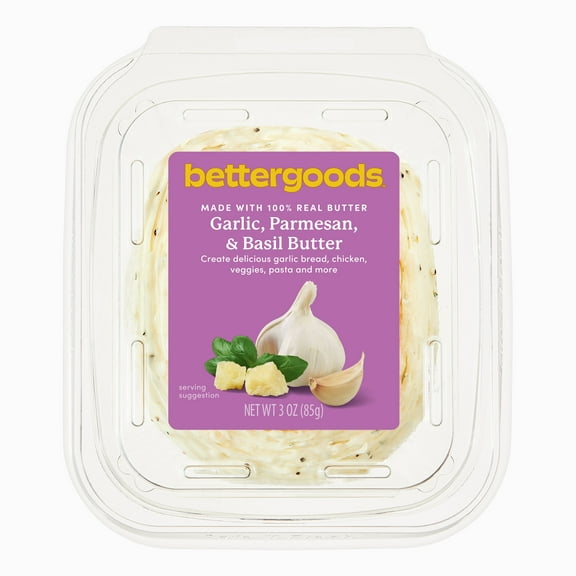

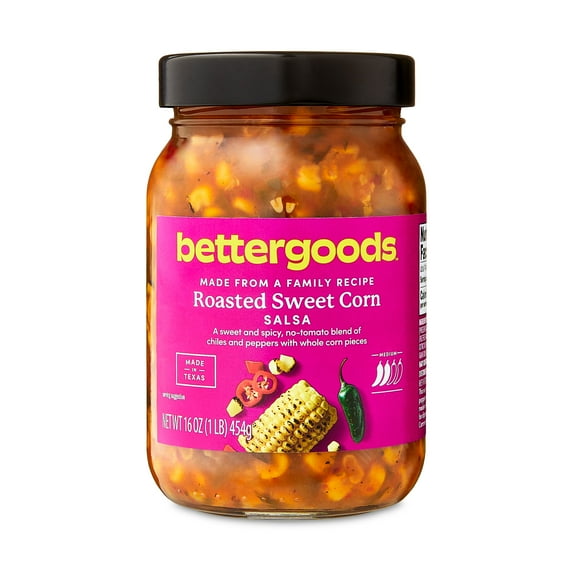
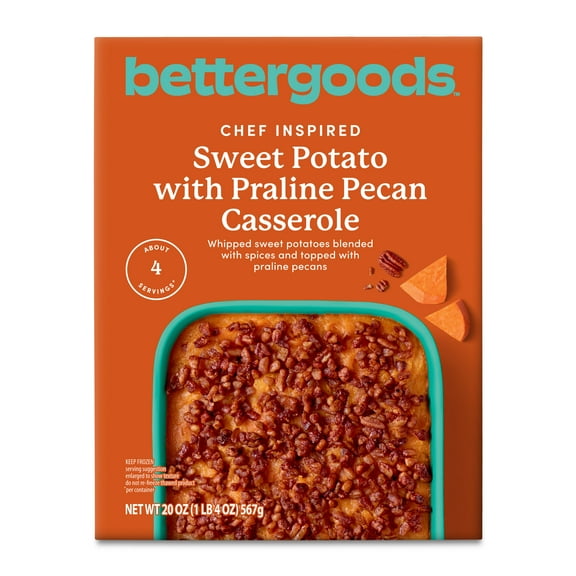











Easter is Apr. 5!
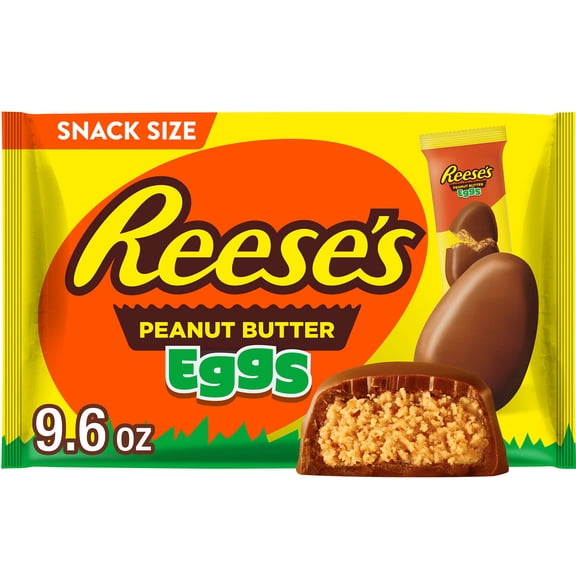
The candy kids really want
Shop now



Everything in 1 click!
Easter brunch for 8, under $5/person
Shop the listSprings sweetest surprises
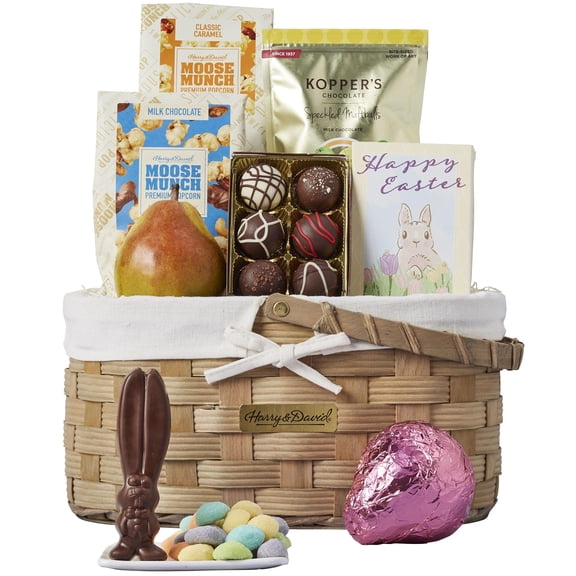
Easter food gifts to savor and share.



Here's what's crackin'




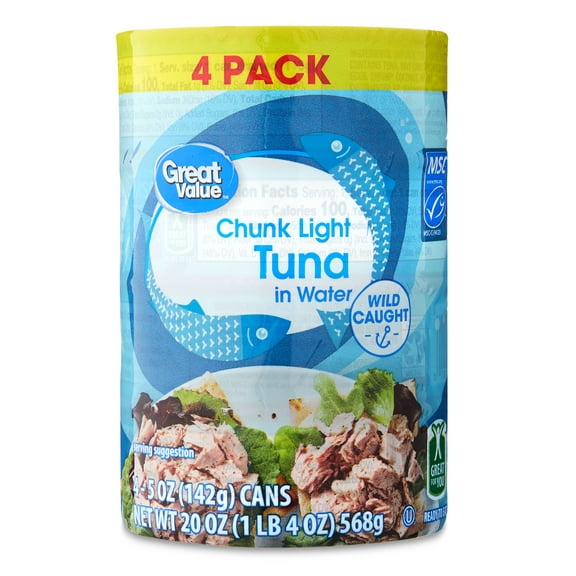
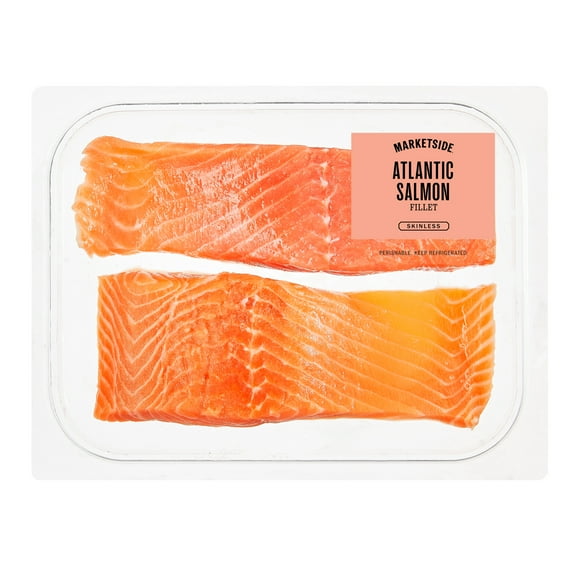
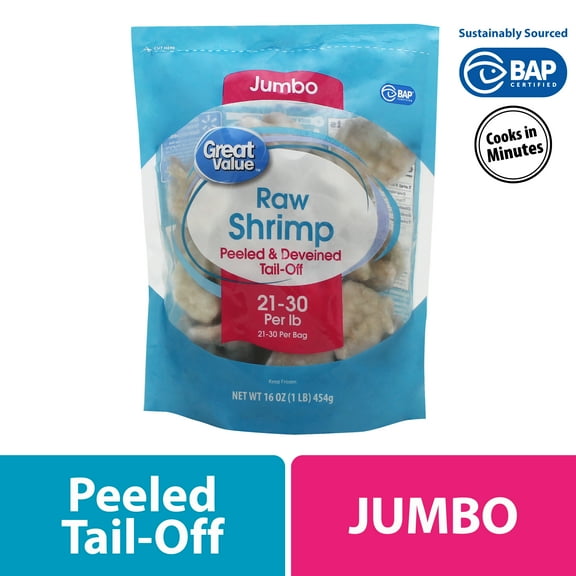
Fish, shrimp & more
Easy picks for your holiday meal.









FAQ
About Easter Foods - Walmart.com
You can plan memorable easter food with less guesswork when you compare meal types, prep styles, and serving sizes in one place. You’ll find options for brunch tables, holiday dinners, dessert trays, and basket fillers that fit your guest list.
If you’re hosting family, you may want food that balances tradition with convenience. You can compare ready-to-serve picks, heat-and-eat dishes, and scratch cooking ingredients for a smoother holiday schedule.
How to choose easter food by meal type
You should start with the occasion because meal type shapes every other choice. You may need easter dinner food for a formal gathering, or you may need easter brunch food for a relaxed morning spread.
For dinner, you’ll often compare center-of-plate proteins, hearty sides, and breads that serve a crowd. For brunch, you may focus on pastries, egg dishes, fruit, and lighter sweets.
Dessert and baking choices matter when you want a finished table, not just a main meal. You can round out your plan with easter treats, decorated cookies, cake mixes, frostings, and festive toppings.
- You can build a full dinner with ham, lamb, turkey, or beef.
- You can shape brunch with baked goods, breakfast sides, and easy shareable items.
- You can add dessert options that match baskets, buffets, or after-dinner plates.
- You can include easter candy for egg hunts, place settings, and party bowls.
Choosing easter dinner food by protein and prep level
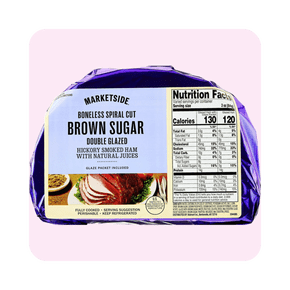
You’ll want to compare proteins first because they affect flavor, cook time, and portion planning. You can keep tradition with ham, or you can choose lamb, turkey, or beef for a different holiday menu.
Ham often suits classic gatherings because you can pair it with potatoes, rolls, and glazed vegetables. Lamb can fit a more formal spread, while turkey and beef can suit larger mixed-age groups.
You should also compare prep level before you finalize your cart. You may prefer ready-to-serve selections when your table includes many sides, or you may choose scratch cooking ingredients for more control.
Heat-and-eat options can help you coordinate timing across appetizers, mains, and desserts. Scratch ingredients can work well when you’re planning a homemade glaze, a custom seasoning blend, or a family recipe.
If you’re serving several guests, you should check package size closely. You can compare family size packs, individual portions, and party platters to avoid running short or overbuilding your meal.
What to look for in easter brunch food and desserts
You may want easter brunch food when your gathering starts earlier and feels more casual. You can focus on foods that plate easily, hold well on the table, and pair with coffee, juice, or fruit.
Brunch menus often work well when you mix sweet and savory choices. You can compare muffins, breads, pastries, breakfast meats, egg-based dishes, and fruit-forward sides for balanced variety.
Dessert choices should match how you’re serving guests and how much prep time you have. You may want ready-made pies or cakes, or you may want baking staples for cupcakes, cookies, and frosted treats.
If you’re filling baskets or setting up a dessert table, package size becomes a key decision. You can choose bulk candy for group events, or you can choose smaller packs for individual baskets and favors.
You should consider color and presentation when you plan sweets for Easter. You can tie together brunch and dessert with pastel sprinkles, icing, chocolate shapes, and seasonal easter candy.
Comparing dietary preferences, portions, and holiday timing
You’ll make hosting easier when you plan for different dietary preferences early. You can compare traditional foods with gluten-free, vegetarian, and organic options that help every guest feel considered.
If your table includes mixed preferences, you can add a vegetarian side or dessert without changing the whole menu. You may also choose labeled pantry items for baking when ingredient preferences guide your holiday planning.
Portion planning matters because Easter meals often include leftovers, side dishes, and desserts. You should estimate your guest count, then compare family size trays, party platters, and individual servings with that total in mind.
You may also want to think about pickup or delivery timing for fresh items. You can plan ahead for meats, bakery selections, and chilled dishes so your easter food arrives closer to your celebration window.
Freshness can shape your final choices, especially when you’re ordering proteins and baked goods. You should check availability early if your menu depends on a specific roast, ham size, or decorated dessert.
Matching easter food choices to real hosting plans
If you’re hosting a traditional dinner, you can combine ham, family size sides, rolls, and a bakery dessert. You may finish the table with easter treats for kids and candy dishes for guests.
If you’re planning brunch, you can choose pastries, fruit, egg dishes, and easy desserts that don’t require constant reheating. You may prefer heat-and-eat options when your morning schedule already feels full.
For a larger gathering, you should compare bulk candy, party platters, and larger proteins before adding extras. You can simplify serving by choosing foods that slice, share, and hold their texture well.
If your guests include different dietary preferences, you can build variety with labeled sides, vegetarian picks, and simple baking ingredients. You’ll keep the meal cohesive while giving everyone something that fits their plate.
You can plan Easter with more confidence when your menu matches your meal type, guest count, and prep time. You’ll get a table that feels complete, coordinated, and ready for the day’s main moments.