


Hero image 0 of Folly and Malice : The Habsburg Empire, the Balkans and the Start of World War One (Hardcover), 0 of 1
Folly and Malice : The Habsburg Empire, the Balkans and the Start of World War One (Hardcover)
(No ratings yet)
Key item features
Examining the origins of the First World War has been called "the ultimate who dunnit". In his book, published on the anniversary of the assassination said to have triggered it, John Zametica, focusing on the Habsburg Empire and the Balkans, re-examines the evidence. This leads to a number of radical new interpretations and some remarkable revelations about the events that in 1914 led to the outbreak of the First World War.
The centenary of WW1 has spawned many new books on the subject. Utilizing a wide range of Serbo-Croat and German-language sources, the author overturns most of what we have been led to believe about the respective culpability of Austria-Hungary and Serbia for the outbreak of war. He also re-examines the role of Russia and Germany in this. The reader is left to conclude that Britain was drawn reluctantly into the war in defence of two small countries, one on each side of Europe, which had been attacked simultaneously by Austria-Hungary and Germany without provocation.
In Folly and Malice John Zametica reveals that:
• The First World War was kick-started by an ailing Austria-Hungary which believed that waging a successful war was the only way it could remain a Great Power;
• This empire, with its eleven squabbling nations, and with its statesmen unwilling to contem-plate any meaningful internal reform, was the real powder keg of Europe;
• Franz Ferdinand, the Austro-Hungarian Heir to the Throne normally portrayed as a likely enlightened reformer of the Empire, was actually seeking to destroy the Dualist political compromise between Austria and Hungary and replace it with his own centralist autocracy;
• Serious antagonism between the Austria-Hungary and Serbia really only began as late as 1906 and had on the whole almost nothing to do with the supposedly crucial ‘South Slav’ question;
• Gavrilo Princip, Franz Ferdinand´s assassin, was impelled to do his deed by a Yugoslav ideology conceived and propagated from within Habsburg Croatia, not independent Serbia;
• The notorious Black Hand, the secret Serbian officers’ organisation, far from planning to assassinate Franz Ferdinand during his visit to Bosnia, was in May-June 1914 busy plotting to overthrow civilian rule in Serbia and replace it with a military-led dictatorship;
• The famous Serbian warning to Vienna, intended to thwart Franz Ferdinand´s assassination, was the work of Lieutenant-Colonel Apis, the leader of the Black Hand;
• In July 1914, Vienna also wanted its ‘good’ war against Serbia so as to dislodge Russia from the Balkans and thus secure complete regional hegemony for itself. Germany, harbouring ambitions for continental supremacy, approved and encouraged Austria-Hungary´s Balkan adventure. Both powers consciously risked the probability of a wider international conflict.
Specs
- Book formatHardcover
- Fiction/nonfictionNon-Fiction
- GenreHistory
- Pub date20170901
- Pages794
- PublisherShepheard-Walwyn
Current price is USD$46.20
Price when purchased online
Out of stock
How do you want your item?
Out of stock
About this item
Product details
Examining the origins of the First World War has been called "the ultimate who dunnit". In his book, published on the anniversary of the assassination said to have triggered it, John Zametica, focusing on the Habsburg Empire and the Balkans, re-examines the evidence. This leads to a number of radical new interpretations and some remarkable revelations about the events that in 1914 led to the outbreak of the First World War.
The centenary of WW1 has spawned many new books on the subject. Utilizing a wide range of Serbo-Croat and German-language sources, the author overturns most of what we have been led to believe about the respective culpability of Austria-Hungary and Serbia for the outbreak of war. He also re-examines the role of Russia and Germany in this. The reader is left to conclude that Britain was drawn reluctantly into the war in defence of two small countries, one on each side of Europe, which had been attacked simultaneously by Austria-Hungary and Germany without provocation. In Folly and Malice John Zametica reveals that: - The First World War was kick-started by an ailing Austria-Hungary which believed that waging a successful war was the only way it could remain a Great Power; - This empire, with its eleven squabbling nations, and with its statesmen unwilling to contem-plate any meaningful internal reform, was the real powder keg of Europe; - Franz Ferdinand, the Austro-Hungarian Heir to the Throne normally portrayed as a likely enlightened reformer of the Empire, was actually seeking to destroy the Dualist political compromise between Austria and Hungary and replace it with his own centralist autocracy;- Serious antagonism between the Austria-Hungary and Serbia really only began as late as 1906 and had on the whole almost nothing to do with the supposedly crucial 'South Slav' question; - Gavrilo Princip, Franz Ferdinand´s assassin, was impelled to do his deed by a Yugoslav ideology conceived and propagated from within Habsburg Croatia, not independent Serbia;- The notorious Black Hand, the secret Serbian officers' organisation, far from planning to assassinate Franz Ferdinand during his visit to Bosnia, was in May-June 1914 busy plotting to overthrow civilian rule in Serbia and replace it with a military-led dictatorship;- The famous Serbian warning to Vienna, intended to thwart Franz Ferdinand´s assassination, was the work of Lieutenant-Colonel Apis, the leader of the Black Hand;- In July 1914, Vienna also wanted its 'good' war against Serbia so as to dislodge Russia from the Balkans and thus secure complete regional hegemony for itself. Germany, harbouring ambitions for continental supremacy, approved and encouraged Austria-Hungary´s Balkan adventure. Both powers consciously risked the probability of a wider international conflict.
The centenary of WW1 has spawned many new books on the subject. Utilizing a wide range of Serbo-Croat and German-language sources, the author overturns most of what we have been led to believe about the respective culpability of Austria-Hungary and Serbia for the outbreak of war. He also re-examines the role of Russia and Germany in this. The reader is left to conclude that Britain was drawn reluctantly into the war in defence of two small countries, one on each side of Europe, which had been attacked simultaneously by Austria-Hungary and Germany without provocation. In Folly and Malice John Zametica reveals that: - The First World War was kick-started by an ailing Austria-Hungary which believed that waging a successful war was the only way it could remain a Great Power; - This empire, with its eleven squabbling nations, and with its statesmen unwilling to contem-plate any meaningful internal reform, was the real powder keg of Europe; - Franz Ferdinand, the Austro-Hungarian Heir to the Throne normally portrayed as a likely enlightened reformer of the Empire, was actually seeking to destroy the Dualist political compromise between Austria and Hungary and replace it with his own centralist autocracy;- Serious antagonism between the Austria-Hungary and Serbia really only began as late as 1906 and had on the whole almost nothing to do with the supposedly crucial 'South Slav' question; - Gavrilo Princip, Franz Ferdinand´s assassin, was impelled to do his deed by a Yugoslav ideology conceived and propagated from within Habsburg Croatia, not independent Serbia;- The notorious Black Hand, the secret Serbian officers' organisation, far from planning to assassinate Franz Ferdinand during his visit to Bosnia, was in May-June 1914 busy plotting to overthrow civilian rule in Serbia and replace it with a military-led dictatorship;- The famous Serbian warning to Vienna, intended to thwart Franz Ferdinand´s assassination, was the work of Lieutenant-Colonel Apis, the leader of the Black Hand;- In July 1914, Vienna also wanted its 'good' war against Serbia so as to dislodge Russia from the Balkans and thus secure complete regional hegemony for itself. Germany, harbouring ambitions for continental supremacy, approved and encouraged Austria-Hungary´s Balkan adventure. Both powers consciously risked the probability of a wider international conflict.
Examining the origins of the First World War has been called "the ultimate who dunnit". In his book, published on the anniversary of the assassination said to have triggered it, John Zametica, focusing on the Habsburg Empire and the Balkans, re-examines the evidence. This leads to a number of radical new interpretations and some remarkable revelations about the events that in 1914 led to the outbreak of the First World War.
The centenary of WW1 has spawned many new books on the subject. Utilizing a wide range of Serbo-Croat and German-language sources, the author overturns most of what we have been led to believe about the respective culpability of Austria-Hungary and Serbia for the outbreak of war. He also re-examines the role of Russia and Germany in this. The reader is left to conclude that Britain was drawn reluctantly into the war in defence of two small countries, one on each side of Europe, which had been attacked simultaneously by Austria-Hungary and Germany without provocation.
In Folly and Malice John Zametica reveals that:
• The First World War was kick-started by an ailing Austria-Hungary which believed that waging a successful war was the only way it could remain a Great Power;
• This empire, with its eleven squabbling nations, and with its statesmen unwilling to contem-plate any meaningful internal reform, was the real powder keg of Europe;
• Franz Ferdinand, the Austro-Hungarian Heir to the Throne normally portrayed as a likely enlightened reformer of the Empire, was actually seeking to destroy the Dualist political compromise between Austria and Hungary and replace it with his own centralist autocracy;
• Serious antagonism between the Austria-Hungary and Serbia really only began as late as 1906 and had on the whole almost nothing to do with the supposedly crucial ‘South Slav’ question;
• Gavrilo Princip, Franz Ferdinand´s assassin, was impelled to do his deed by a Yugoslav ideology conceived and propagated from within Habsburg Croatia, not independent Serbia;
• The notorious Black Hand, the secret Serbian officers’ organisation, far from planning to assassinate Franz Ferdinand during his visit to Bosnia, was in May-June 1914 busy plotting to overthrow civilian rule in Serbia and replace it with a military-led dictatorship;
• The famous Serbian warning to Vienna, intended to thwart Franz Ferdinand´s assassination, was the work of Lieutenant-Colonel Apis, the leader of the Black Hand;
• In July 1914, Vienna also wanted its ‘good’ war against Serbia so as to dislodge Russia from the Balkans and thus secure complete regional hegemony for itself. Germany, harbouring ambitions for continental supremacy, approved and encouraged Austria-Hungary´s Balkan adventure. Both powers consciously risked the probability of a wider international conflict.
info:
We aim to show you accurate product information. Manufacturers, suppliers and others provide what you see here, and we have not verified it.
Specifications
Book format
Hardcover
Fiction/nonfiction
Non-Fiction
Genre
History
Pub date
20170901
Warranty
Warranty information
Please be aware that the warranty terms on items offered for sale by third party Marketplace sellers may differ from those displayed in this section (if any). To confirm warranty terms on an item offered for sale by a third party Marketplace seller, please use the 'Contact seller' feature on the third party Marketplace seller's information page and request the item's warranty terms prior to purchase.
Similar items you might like
Based on what customers bought
Empire and Education: A History of Greed and Goodwill from the War of 1898 to the War on Terror, (Hardcover) $42.01
 $4201current price $42.01
Empire and Education: A History of Greed and Goodwill from the War of 1898 to the War on Terror, (Hardcover)
The Japanese Wartime Empire, 1931-1945 $47.00
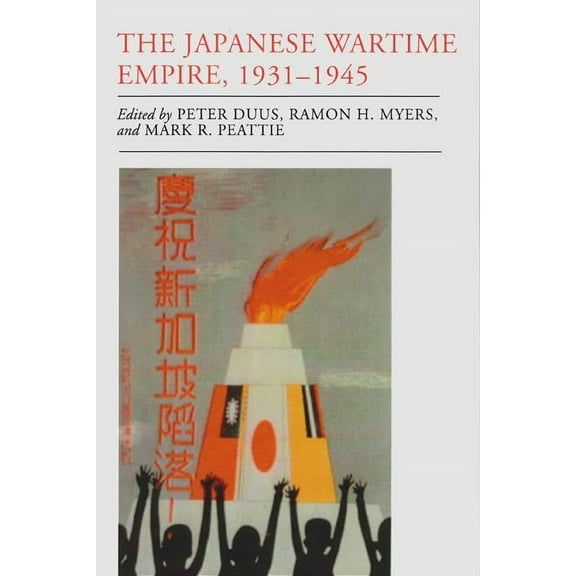 $4700current price $47.00
The Japanese Wartime Empire, 1931-1945
A History Of England From The Conclusion Of The Great War In 1815; Volume 2 (Hardcover) $39.95
 $3995current price $39.95
A History Of England From The Conclusion Of The Great War In 1815; Volume 2 (Hardcover)
World War II, a Brief History, Part 12 - War College Series, (Paperback) $16.67 Was $18.99
 $1667current price $16.67, Was $18.99$18.99
World War II, a Brief History, Part 12 - War College Series, (Paperback)
Empire and Education: A History of Greed and Goodwill from the War of 1898 to the War on Terror, (Paperback) $40.96
 $4096current price $40.96
Empire and Education: A History of Greed and Goodwill from the War of 1898 to the War on Terror, (Paperback)
Faith in the Ruins, (Hardcover) $47.99
 $4799current price $47.99
Faith in the Ruins, (Hardcover)
Germany before World War I : From Napoleon to the signs of World War I (Hardcover) $31.99
 $3199current price $31.99
Germany before World War I : From Napoleon to the signs of World War I (Hardcover)
Fighting with Allies: America and Britain in Peace and War, (Hardcover) $56.14
 $5614current price $56.14
Fighting with Allies: America and Britain in Peace and War, (Hardcover)
Letters From My Father: The Battle of the Brenner: World War ll (Hardcover) $25.32
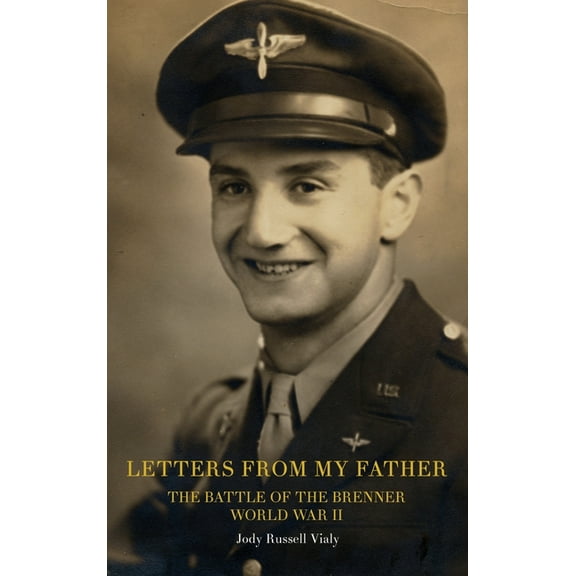 $2532current price $25.32
Letters From My Father: The Battle of the Brenner: World War ll (Hardcover)
The Boothill Coffee Club Volume I : Wartime Memories of World War I and World War II (Hardcover) $29.95
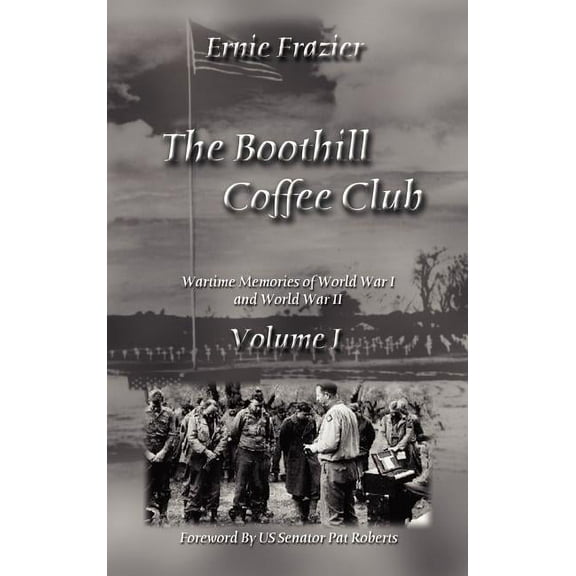 $2995current price $29.95
The Boothill Coffee Club Volume I : Wartime Memories of World War I and World War II (Hardcover)
A History of England From the Conclusion of the Great war in 1815; Volume 6 (Hardcover) $39.95
 $3995current price $39.95
A History of England From the Conclusion of the Great war in 1815; Volume 6 (Hardcover)
The Dictators: 64 Dictators, 64 Authors, 64 Warnings from History, (Hardcover) $38.00
 $3800current price $38.00
The Dictators: 64 Dictators, 64 Authors, 64 Warnings from History, (Hardcover)
American Wars, American Peace: Notes from a Son of the Empire, (Hardcover) $30.59
 $3059current price $30.59
American Wars, American Peace: Notes from a Son of the Empire, (Hardcover)
The Storm of Steel, (Hardcover) $20.95
 $2095current price $20.95
The Storm of Steel, (Hardcover)
Conquering the North: China, Russia, Mongolia: 2,000 Years of Conflict, (Hardcover) $27.82
 $2782current price $27.82
Conquering the North: China, Russia, Mongolia: 2,000 Years of Conflict, (Hardcover)
A History of the People of the United States : From the Revolution to the Civil War; Volume 5 (Hardcover) $41.95
 $4195current price $41.95
A History of the People of the United States : From the Revolution to the Civil War; Volume 5 (Hardcover)
Translation/Transnation Archives of Authority: Empire, Culture, and the Cold War, Book 32, (Hardcover) $57.84
 $5784current price $57.84
Translation/Transnation Archives of Authority: Empire, Culture, and the Cold War, Book 32, (Hardcover)
Genghis Khan : His Conquests, His Empire, His Legacy (Hardcover) $33.54 Was $56.60
 $3354current price $33.54, Was $56.60$56.60
Genghis Khan : His Conquests, His Empire, His Legacy (Hardcover)
Springhaven. a Tale of the Great War - War College Series (Paperback) $32.83
 $3283current price $32.83
Springhaven. a Tale of the Great War - War College Series (Paperback)
The Congress of Vienna and Its Legacy: War and Great Power Diplomacy After Napoleon, (Paperback) $33.79
 $3379current price $33.79
The Congress of Vienna and Its Legacy: War and Great Power Diplomacy After Napoleon, (Paperback)
Customer ratings & reviews
0 ratings|0 reviews
This item does not have any reviews yet
