


Hero image 0 of Journal of the American Revolution Books: The Invasion of Virginia, 1781 (Hardcover), 0 of 1
Journal of the American Revolution Books: The Invasion of Virginia, 1781 (Hardcover)
(No ratings yet)
Key item features
Britain's Attempt to Subdue Virginia and End the Revolution
The American War for Independence was fought in nearly every colony, but some colonies witnessed far more conflict than others. In the first half of the war, the bulk of military operations were concentrated in Massachusetts, New York, New Jersey, and Pennsylvania. A shift in British strategy southward after the Battle of Monmouth in 1778 triggered numerous military engagements in 1779 and 1780 in Georgia and the Carolinas.Surprisingly, Virginia, the largest of the original thirteen colonies, saw relatively little fighting for the first six years of the Revolutionary War. This changed in 1781 when British and American forces converged on Virginia. The war’s arrival did not result from one particular decision or event, but rather, a series of incidents and battles beginning in the fall of 1780 at Kings Mountain, South Carolina.
Benedict Arnold’s sudden appearance in Virginia in early 1781 with 1,600 seasoned British troops and his successful raid up the James River to Richmond and subsequent occupation of Portsmouth, demonstrated Virginia’s vulnerability to attack and the possibility that the colonies could be divided and subdued piecemeal, a strategy Britain had attempted to deploy several times earlier in the war. British General Henry Clinton’s decision to reinforce Arnold in Virginia expanded Britain’s hold on the colony while events in North Carolina, including the battle of Guilford Court House, led British General Charles Cornwallis to conclude that defeating the Patriots in Virginia was the key to ending the war. As a result, Cornwallis marched his army north in May 1781 to assume command of what was now a very powerful British force of over 7,000 troops. The war had returned to Virginia with a vengeance, and how it did so and what happened as a result is the focus of The Invasion of Virginia 1781.
The American War for Independence was fought in nearly every colony, but some colonies witnessed far more conflict than others. In the first half of the war, the bulk of military operations were concentrated in Massachusetts, New York, New Jersey, and Pennsylvania. A shift in British strategy southward after the Battle of Monmouth in 1778 triggered numerous military engagements in 1779 and 1780 in Georgia and the Carolinas.Surprisingly, Virginia, the largest of the original thirteen colonies, saw relatively little fighting for the first six years of the Revolutionary War. This changed in 1781 when British and American forces converged on Virginia. The war’s arrival did not result from one particular decision or event, but rather, a series of incidents and battles beginning in the fall of 1780 at Kings Mountain, South Carolina.
Benedict Arnold’s sudden appearance in Virginia in early 1781 with 1,600 seasoned British troops and his successful raid up the James River to Richmond and subsequent occupation of Portsmouth, demonstrated Virginia’s vulnerability to attack and the possibility that the colonies could be divided and subdued piecemeal, a strategy Britain had attempted to deploy several times earlier in the war. British General Henry Clinton’s decision to reinforce Arnold in Virginia expanded Britain’s hold on the colony while events in North Carolina, including the battle of Guilford Court House, led British General Charles Cornwallis to conclude that defeating the Patriots in Virginia was the key to ending the war. As a result, Cornwallis marched his army north in May 1781 to assume command of what was now a very powerful British force of over 7,000 troops. The war had returned to Virginia with a vengeance, and how it did so and what happened as a result is the focus of The Invasion of Virginia 1781.
Specs
- Book formatHardcover
- Fiction/nonfictionNon-Fiction
- GenreHistory
- Publication dateJune, 2017
- Pages200
- EditionStandard Edition
Current price is USD$29.77
Price when purchased online
- Free shipping
 Free 30-day returns
How do you want your item?
Ships to
Arrives between Jul 10 - Jul 16
|
Sold and shipped by newbookdeals
4.5675012272950415 stars out of 5, based on 2037 seller reviews(4.6)2037 seller reviews

Free 30-day returns
About this item
Product details
Britain's Attempt to Subdue Virginia and End the Revolution
The American War for Independence was fought in nearly every colony, but some colonies witnessed far more conflict than others. In the first half of the war, the bulk of military operations were concentrated in Massachusetts, New York, New Jersey, and Pennsylvania. A shift in British strategy southward after the Battle of Monmouth in 1778 triggered numerous military engagements in 1779 and 1780 in Georgia and the Carolinas.Surprisingly, Virginia, the largest of the original thirteen colonies, saw relatively little fighting for the first six years of the Revolutionary War. This changed in 1781 when British and American forces converged on Virginia. The war's arrival did not result from one particular decision or event, but rather, a series of incidents and battles beginning in the fall of 1780 at Kings Mountain, South Carolina.
Benedict Arnold's sudden appearance in Virginia in early 1781 with 1,600 seasoned British troops and his successful raid up the James River to Richmond and subsequent occupation of Portsmouth, demonstrated Virginia's vulnerability to attack and the possibility that the colonies could be divided and subdued piecemeal, a strategy Britain had attempted to deploy several times earlier in the war. British General Henry Clinton's decision to reinforce Arnold in Virginia expanded Britain's hold on the colony while events in North Carolina, including the battle of Guilford Court House, led British General Charles Cornwallis to conclude that defeating the Patriots in Virginia was the key to ending the war. As a result, Cornwallis marched his army north in May 1781 to assume command of what was now a very powerful British force of over 7,000 troops. The war had returned to Virginia with a vengeance, and how it did so and what happened as a result is the focus of The Invasion of Virginia 1781.
The American War for Independence was fought in nearly every colony, but some colonies witnessed far more conflict than others. In the first half of the war, the bulk of military operations were concentrated in Massachusetts, New York, New Jersey, and Pennsylvania. A shift in British strategy southward after the Battle of Monmouth in 1778 triggered numerous military engagements in 1779 and 1780 in Georgia and the Carolinas.Surprisingly, Virginia, the largest of the original thirteen colonies, saw relatively little fighting for the first six years of the Revolutionary War. This changed in 1781 when British and American forces converged on Virginia. The war's arrival did not result from one particular decision or event, but rather, a series of incidents and battles beginning in the fall of 1780 at Kings Mountain, South Carolina.
Benedict Arnold's sudden appearance in Virginia in early 1781 with 1,600 seasoned British troops and his successful raid up the James River to Richmond and subsequent occupation of Portsmouth, demonstrated Virginia's vulnerability to attack and the possibility that the colonies could be divided and subdued piecemeal, a strategy Britain had attempted to deploy several times earlier in the war. British General Henry Clinton's decision to reinforce Arnold in Virginia expanded Britain's hold on the colony while events in North Carolina, including the battle of Guilford Court House, led British General Charles Cornwallis to conclude that defeating the Patriots in Virginia was the key to ending the war. As a result, Cornwallis marched his army north in May 1781 to assume command of what was now a very powerful British force of over 7,000 troops. The war had returned to Virginia with a vengeance, and how it did so and what happened as a result is the focus of The Invasion of Virginia 1781.
Britain's Attempt to Subdue Virginia and End the Revolution
The American War for Independence was fought in nearly every colony, but some colonies witnessed far more conflict than others. In the first half of the war, the bulk of military operations were concentrated in Massachusetts, New York, New Jersey, and Pennsylvania. A shift in British strategy southward after the Battle of Monmouth in 1778 triggered numerous military engagements in 1779 and 1780 in Georgia and the Carolinas.Surprisingly, Virginia, the largest of the original thirteen colonies, saw relatively little fighting for the first six years of the Revolutionary War. This changed in 1781 when British and American forces converged on Virginia. The war’s arrival did not result from one particular decision or event, but rather, a series of incidents and battles beginning in the fall of 1780 at Kings Mountain, South Carolina.
Benedict Arnold’s sudden appearance in Virginia in early 1781 with 1,600 seasoned British troops and his successful raid up the James River to Richmond and subsequent occupation of Portsmouth, demonstrated Virginia’s vulnerability to attack and the possibility that the colonies could be divided and subdued piecemeal, a strategy Britain had attempted to deploy several times earlier in the war. British General Henry Clinton’s decision to reinforce Arnold in Virginia expanded Britain’s hold on the colony while events in North Carolina, including the battle of Guilford Court House, led British General Charles Cornwallis to conclude that defeating the Patriots in Virginia was the key to ending the war. As a result, Cornwallis marched his army north in May 1781 to assume command of what was now a very powerful British force of over 7,000 troops. The war had returned to Virginia with a vengeance, and how it did so and what happened as a result is the focus of The Invasion of Virginia 1781.
The American War for Independence was fought in nearly every colony, but some colonies witnessed far more conflict than others. In the first half of the war, the bulk of military operations were concentrated in Massachusetts, New York, New Jersey, and Pennsylvania. A shift in British strategy southward after the Battle of Monmouth in 1778 triggered numerous military engagements in 1779 and 1780 in Georgia and the Carolinas.Surprisingly, Virginia, the largest of the original thirteen colonies, saw relatively little fighting for the first six years of the Revolutionary War. This changed in 1781 when British and American forces converged on Virginia. The war’s arrival did not result from one particular decision or event, but rather, a series of incidents and battles beginning in the fall of 1780 at Kings Mountain, South Carolina.
Benedict Arnold’s sudden appearance in Virginia in early 1781 with 1,600 seasoned British troops and his successful raid up the James River to Richmond and subsequent occupation of Portsmouth, demonstrated Virginia’s vulnerability to attack and the possibility that the colonies could be divided and subdued piecemeal, a strategy Britain had attempted to deploy several times earlier in the war. British General Henry Clinton’s decision to reinforce Arnold in Virginia expanded Britain’s hold on the colony while events in North Carolina, including the battle of Guilford Court House, led British General Charles Cornwallis to conclude that defeating the Patriots in Virginia was the key to ending the war. As a result, Cornwallis marched his army north in May 1781 to assume command of what was now a very powerful British force of over 7,000 troops. The war had returned to Virginia with a vengeance, and how it did so and what happened as a result is the focus of The Invasion of Virginia 1781.
info:
We aim to show you accurate product information. Manufacturers, suppliers and others provide what you see here, and we have not verified it.
Specifications
Book format
Hardcover
Fiction/nonfiction
Non-Fiction
Genre
History
Publication date
June, 2017
Warranty
Warranty information
Please be aware that the warranty terms on items offered for sale by third party Marketplace sellers may differ from those displayed in this section (if any). To confirm warranty terms on an item offered for sale by a third party Marketplace seller, please use the 'Contact seller' feature on the third party Marketplace seller's information page and request the item's warranty terms prior to purchase.
Similar items you might like
Based on what customers bought
Is the Day of The Aircraft Carrier Over?, (Hardcover) $26.95
 $2695current price $26.95
Is the Day of The Aircraft Carrier Over?, (Hardcover)
Some Personal Recollections of the Rebellion of 1837 in Canada, (Hardcover) $26.95
 $2695current price $26.95
Some Personal Recollections of the Rebellion of 1837 in Canada, (Hardcover)
Stackpole Military History The Philadelphia Campaign, Book VOLUM, (Paperback) $26.89
 $2689current price $26.89
Stackpole Military History The Philadelphia Campaign, Book VOLUM, (Paperback)
Rebels at Rock Island, (Hardcover) $25.97
 $2597current price $25.97
Rebels at Rock Island, (Hardcover)
Trivia War Books The American Civil War Trivia Book: Interesting American Civil War Stories You Didn't Know, Book 3, (Paperback) $11.35
 $1135current price $11.35
Trivia War Books The American Civil War Trivia Book: Interesting American Civil War Stories You Didn't Know, Book 3, (Paperback)
Memoirs of the American Revolution, (Paperback) $29.88
 $2988current price $29.88
Memoirs of the American Revolution, (Paperback)
War System Of The Commonwealth Of Nations $21.59
 $2159current price $21.59
War System Of The Commonwealth Of Nations
The Road to Yorktown: The French Campaigns in the American Revolution, 1780-1783, by Louis-Franois-Bertrand du Pont dAubevoye, comte de Lauberdire $27.24
 $2724current price $27.24
The Road to Yorktown: The French Campaigns in the American Revolution, 1780-1783, by Louis-Franois-Bertrand du Pont dAubevoye, comte de Lauberdire
History of The US Marines (2003) Hardcover Book - (Jack Murphy) $22.67
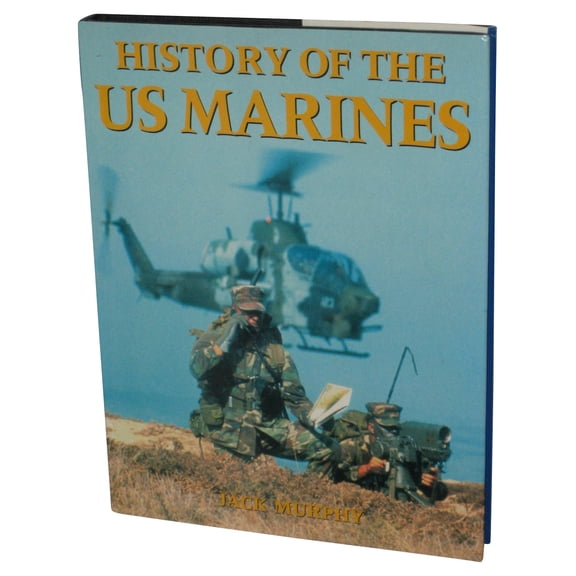 $2267current price $22.67
History of The US Marines (2003) Hardcover Book - (Jack Murphy)
The London Spy (Paperback) $27.35
 $2735current price $27.35
The London Spy (Paperback)
Catechism of Fortification (Hardcover) $26.95
 $2695current price $26.95
Catechism of Fortification (Hardcover)
Pre-Owned The Spanish-American War (Hardcover) 0313316627 9780313316623 $11.70
 2 optionsAvailable in additional 2 options$1170current price $11.70
Pre-Owned The Spanish-American War (Hardcover) 0313316627 9780313316623
To Dare Mighty Things: U.S. Defense Strategy Since the Revolution, (Hardcover) $28.10
 $2810current price $28.10
To Dare Mighty Things: U.S. Defense Strategy Since the Revolution, (Hardcover)
Virginia at War Virginia at War, 1861, (Hardcover) $25.47
 $2547current price $25.47
Virginia at War Virginia at War, 1861, (Hardcover)
The Art of War (Paperback) $9.52
 $952current price $9.52
The Art of War (Paperback)
Casemate Illustrated The Coming Storm, 1763-75, (Paperback) $24.95
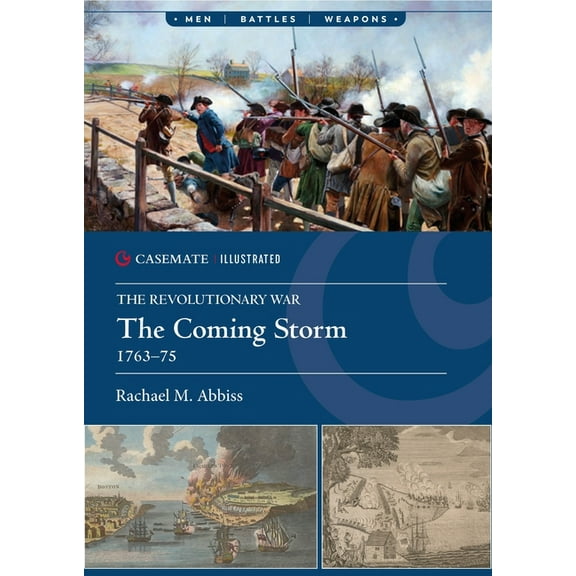 $2495current price $24.95
Casemate Illustrated The Coming Storm, 1763-75, (Paperback)
The Revolt of the Admirals, (Hardcover) $26.95
 $2695current price $26.95
The Revolt of the Admirals, (Hardcover)
The Uninvited, Edward W. Wickemeyer WWII Journal, (Hardcover) $19.99
 $1999current price $19.99
The Uninvited, Edward W. Wickemeyer WWII Journal, (Hardcover)
Journal of the American Revolution Books: Grand Forage 1778 : The Battleground Around New York City (Hardcover) $29.25
 $2925current price $29.25
Journal of the American Revolution Books: Grand Forage 1778 : The Battleground Around New York City (Hardcover)
The Command Of The Sea, (Paperback) $29.72
 $2972current price $29.72
The Command Of The Sea, (Paperback)
Customer ratings & reviews
0 ratings|0 reviews
This item does not have any reviews yet

Related pages
- Great Britain Ministry Of Transport
- Canada Military History Books
- Capital Vietnam
- United States Military History Books
- Civil War Letters For Sale
- Iowa Class Battleship
- Gettysburg Tours 2021
- Pictorial Military History Books
- Usa Headquarters
- Civil War United States History Books
- Strategy in Military History Books
- Military & War History Kids' Books