


Hero image 0 of Minoritarian Liberalism : A Travesti Life in a Brazilian Favela (Edition 1) (Hardcover), 0 of 1
Minoritarian Liberalism : A Travesti Life in a Brazilian Favela (Edition 1) (Hardcover)
(No ratings yet)
Key item features
A mesmerizing ethnography of the largest favela in Rio, where residents articulate their own politics of freedom against the backdrop of multiple forms of oppression.
Normative liberalism has promoted the freedom of privileged subjects, those entitled to rights—usually white, adult, heteronormative, and bourgeois—at the expense of marginalized groups, such as Black people, children, LGBTQ people, and slum dwellers. In this visceral ethnography of Rocinha, the largest favela in Rio de Janeiro, Brazil, Moisés Lino e Silva explores what happens when liberalism is challenged by people whose lives are impaired by normative understandings of liberty. He calls such marginalized visions of freedom “minoritarian liberalism,” a concept that stands in for overlapping, alternative modes of freedom—be they queer, favela, or peasant.
Lino e Silva introduces readers to a broad collective of favela residents, most intimately accompanying Natasha Kellem, a charismatic self-declared travesti (a term used in Latin America to indicate a specific form of female gender construction opposite to the sex assigned at birth). While many of those the author meets consider themselves “queer,” others are treated as “abnormal” simply because they live in favelas. Through these interconnected experiences, Lino e Silva not only pushes at the boundaries of anthropological inquiry, but also offers ethnographic evidence of non-normative routes to freedom for those seeking liberties against the backdrop of capitalist exploitation, transphobia, racism, and other patterns of domination.
Normative liberalism has promoted the freedom of privileged subjects, those entitled to rights—usually white, adult, heteronormative, and bourgeois—at the expense of marginalized groups, such as Black people, children, LGBTQ people, and slum dwellers. In this visceral ethnography of Rocinha, the largest favela in Rio de Janeiro, Brazil, Moisés Lino e Silva explores what happens when liberalism is challenged by people whose lives are impaired by normative understandings of liberty. He calls such marginalized visions of freedom “minoritarian liberalism,” a concept that stands in for overlapping, alternative modes of freedom—be they queer, favela, or peasant.
Lino e Silva introduces readers to a broad collective of favela residents, most intimately accompanying Natasha Kellem, a charismatic self-declared travesti (a term used in Latin America to indicate a specific form of female gender construction opposite to the sex assigned at birth). While many of those the author meets consider themselves “queer,” others are treated as “abnormal” simply because they live in favelas. Through these interconnected experiences, Lino e Silva not only pushes at the boundaries of anthropological inquiry, but also offers ethnographic evidence of non-normative routes to freedom for those seeking liberties against the backdrop of capitalist exploitation, transphobia, racism, and other patterns of domination.
Specs
- Book formatHardcover
- Fiction/nonfictionNon-Fiction
- GenreHistory
- Publication dateApril, 2022
- Pages240
- SubgenreLatin America
Current price is USD$95.18
Price when purchased online
- Free shipping
 Free 30-day returns
How do you want your item?
Ships to
Arrives between May 28 - Jun 4
|
Sold and shipped by newbookdeals
4.559735638027453 stars out of 5, based on 1967 seller reviews(4.6)1967 seller reviews

Free 30-day returns
Other sellers
$119.13
+Free shippingShipping, arrives by Fri, May 22 to Columbus, 43215
Sold and shipped by thebookpros
Free 30-day returns
About this item
Product details
A mesmerizing ethnography of the largest favela in Rio, where residents articulate their own politics of freedom against the backdrop of multiple forms of oppression. Normative liberalism has promoted the freedom of privileged subjects, those entitled to rights--usually white, adult, heteronormative, and bourgeois--at the expense of marginalized groups, such as Black people, children, LGBTQ people, and slum dwellers. In this visceral ethnography of Rocinha, the largest favela in Rio de Janeiro, Brazil, Moisés Lino e Silva explores what happens when liberalism is challenged by people whose lives are impaired by normative understandings of liberty. He calls such marginalized visions of freedom "minoritarian liberalism," a concept that stands in for overlapping, alternative modes of freedom--be they queer, favela, or peasant. Lino e Silva introduces readers to a broad collective of favela residents, most intimately accompanying Natasha Kellem, a charismatic self-declared travesti (a term used in Latin America to indicate a specific form of female gender construction opposite to the sex assigned at birth). While many of those the author meets consider themselves "queer," others are treated as "abnormal" simply because they live in favelas. Through these interconnected experiences, Lino e Silva not only pushes at the boundaries of anthropological inquiry, but also offers ethnographic evidence of non-normative routes to freedom for those seeking liberties against the backdrop of capitalist exploitation, transphobia, racism, and other patterns of domination.
A mesmerizing ethnography of the largest favela in Rio, where residents articulate their own politics of freedom against the backdrop of multiple forms of oppression.
Normative liberalism has promoted the freedom of privileged subjects, those entitled to rights—usually white, adult, heteronormative, and bourgeois—at the expense of marginalized groups, such as Black people, children, LGBTQ people, and slum dwellers. In this visceral ethnography of Rocinha, the largest favela in Rio de Janeiro, Brazil, Moisés Lino e Silva explores what happens when liberalism is challenged by people whose lives are impaired by normative understandings of liberty. He calls such marginalized visions of freedom “minoritarian liberalism,” a concept that stands in for overlapping, alternative modes of freedom—be they queer, favela, or peasant.
Lino e Silva introduces readers to a broad collective of favela residents, most intimately accompanying Natasha Kellem, a charismatic self-declared travesti (a term used in Latin America to indicate a specific form of female gender construction opposite to the sex assigned at birth). While many of those the author meets consider themselves “queer,” others are treated as “abnormal” simply because they live in favelas. Through these interconnected experiences, Lino e Silva not only pushes at the boundaries of anthropological inquiry, but also offers ethnographic evidence of non-normative routes to freedom for those seeking liberties against the backdrop of capitalist exploitation, transphobia, racism, and other patterns of domination.
Normative liberalism has promoted the freedom of privileged subjects, those entitled to rights—usually white, adult, heteronormative, and bourgeois—at the expense of marginalized groups, such as Black people, children, LGBTQ people, and slum dwellers. In this visceral ethnography of Rocinha, the largest favela in Rio de Janeiro, Brazil, Moisés Lino e Silva explores what happens when liberalism is challenged by people whose lives are impaired by normative understandings of liberty. He calls such marginalized visions of freedom “minoritarian liberalism,” a concept that stands in for overlapping, alternative modes of freedom—be they queer, favela, or peasant.
Lino e Silva introduces readers to a broad collective of favela residents, most intimately accompanying Natasha Kellem, a charismatic self-declared travesti (a term used in Latin America to indicate a specific form of female gender construction opposite to the sex assigned at birth). While many of those the author meets consider themselves “queer,” others are treated as “abnormal” simply because they live in favelas. Through these interconnected experiences, Lino e Silva not only pushes at the boundaries of anthropological inquiry, but also offers ethnographic evidence of non-normative routes to freedom for those seeking liberties against the backdrop of capitalist exploitation, transphobia, racism, and other patterns of domination.
info:
We aim to show you accurate product information. Manufacturers, suppliers and others provide what you see here, and we have not verified it.
Specifications
Book format
Hardcover
Fiction/nonfiction
Non-Fiction
Genre
History
Publication date
April, 2022
Warranty
Warranty information
Please be aware that the warranty terms on items offered for sale by third party Marketplace sellers may differ from those displayed in this section (if any). To confirm warranty terms on an item offered for sale by a third party Marketplace seller, please use the 'Contact seller' feature on the third party Marketplace seller's information page and request the item's warranty terms prior to purchase.
Similar items you might like
Based on what customers bought
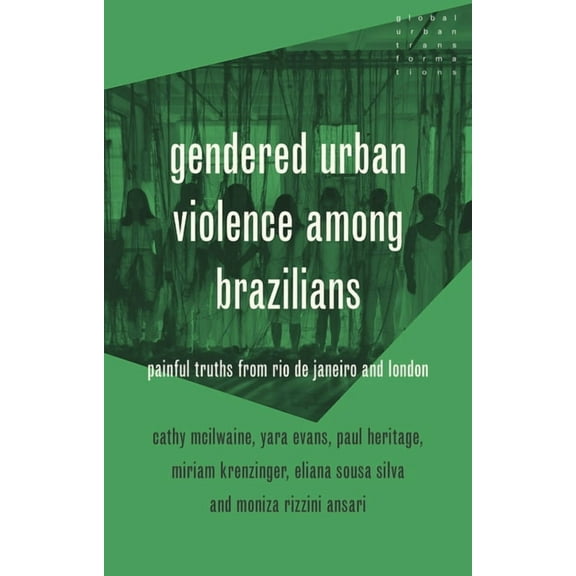
Global Urban Transformations Gendered Urban Violence Among Brazilians: Painful Truths from Rio de Janeiro and London, (Hardcover) $96.24
 $9624current price $96.24
Global Urban Transformations Gendered Urban Violence Among Brazilians: Painful Truths from Rio de Janeiro and London, (Hardcover)
Terrários: Plantando Criatividade E Colhendo Arte (Hardcover) $59.47
 $5947current price $59.47
Terrários: Plantando Criatividade E Colhendo Arte (Hardcover)
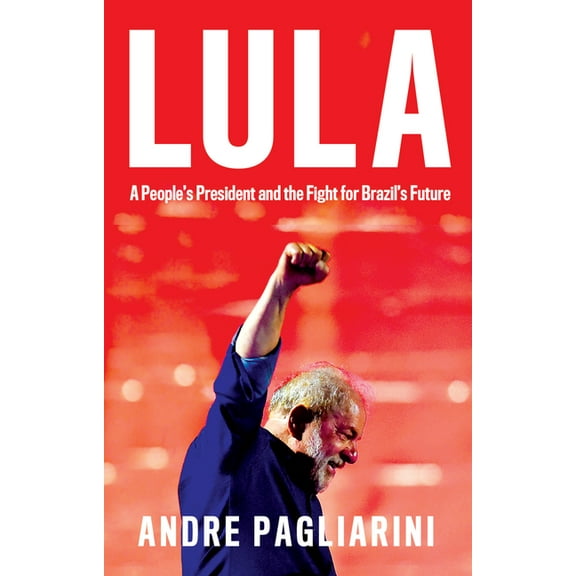
Lula: A People's President and the Fight for Brazil's Future, (Hardcover) $58.89
 $5889current price $58.89
Lula: A People's President and the Fight for Brazil's Future, (Hardcover)
Emanuel Ringelblum and Reuven Ben-Shem's War Writings: Perceptions of Space in the Warsaw Ghetto, (Hardcover) $59.44 Was $70.56
 $5944current price $59.44, Was $70.56$70.56
Emanuel Ringelblum and Reuven Ben-Shem's War Writings: Perceptions of Space in the Warsaw Ghetto, (Hardcover)
Leaders without Partisans: Dealignment, Media Change, and the Personalization of Politics (Hardcover) $105.00
 $10500current price $105.00
Leaders without Partisans: Dealignment, Media Change, and the Personalization of Politics (Hardcover)
The Politics of Exile in Latin America, (Hardcover) $84.73
 $8473current price $84.73
The Politics of Exile in Latin America, (Hardcover)
Climate Change Risks in Brazil, (Hardcover) $90.16
 $9016current price $90.16
Climate Change Risks in Brazil, (Hardcover)
Latin American Political Economy Resource Booms and Institutional Pathways: The Case of the Extractive Industry in Peru, (Hardcover) $107.81
 $10781current price $107.81
Latin American Political Economy Resource Booms and Institutional Pathways: The Case of the Extractive Industry in Peru, (Hardcover)
ITERJ's role in land regularization in the state of Rio de Janeiro, (Paperback) $44.00
 $4400current price $44.00
ITERJ's role in land regularization in the state of Rio de Janeiro, (Paperback)
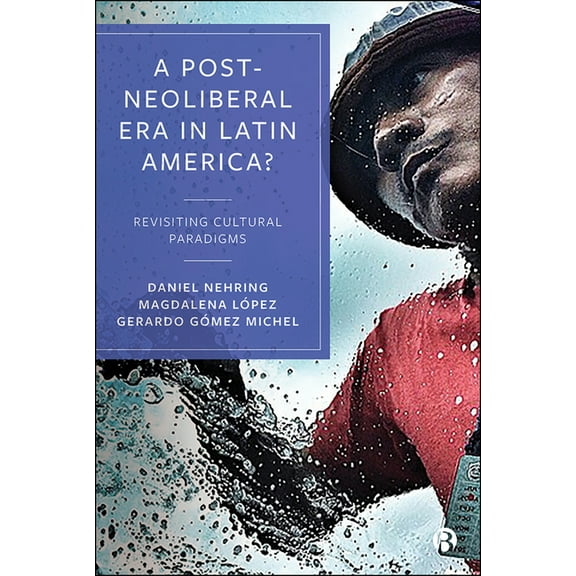
A Post-Neoliberal Era in Latin America?: Revisiting Cultural Paradigms, (Hardcover) $141.21
 $14121current price $141.21
A Post-Neoliberal Era in Latin America?: Revisiting Cultural Paradigms, (Hardcover)
Brazilian Studies Colonização LinguÃstica E Outros Escritos, Book 3, (Hardcover) $125.31
 $12531current price $125.31
Brazilian Studies Colonização LinguÃstica E Outros Escritos, Book 3, (Hardcover)
Brazilian Marine Biodiversity Brazilian Estuaries: A Benthic Perspective, (Hardcover) $107.81
 $10781current price $107.81
Brazilian Marine Biodiversity Brazilian Estuaries: A Benthic Perspective, (Hardcover)
Palgrave Studies in the History of Finan The Political Economy of Money and Banking in Imperial Brazil, 1850-1889, (Hardcover) $117.21
 $11721current price $117.21
Palgrave Studies in the History of Finan The Political Economy of Money and Banking in Imperial Brazil, 1850-1889, (Hardcover)
The Brazilian Microbiome: Current Status and Perspectives, (Hardcover) $107.81
 $10781current price $107.81
The Brazilian Microbiome: Current Status and Perspectives, (Hardcover)
The Brain-Behavior Continuum, (Hardcover) $96.55
 $9655current price $96.55
The Brain-Behavior Continuum, (Hardcover)
Brazilian Politics: Reforming a Democratic State in a Changing World (Hardcover) $61.70
 $6170current price $61.70
Brazilian Politics: Reforming a Democratic State in a Changing World (Hardcover)
Anniversary Collection: United States Penetration of Brazil (Hardcover) $87.36
 $8736current price $87.36
Anniversary Collection: United States Penetration of Brazil (Hardcover)
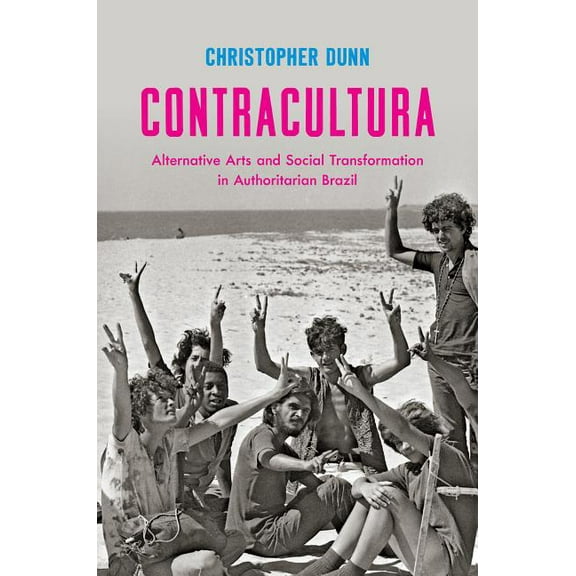
Contracultura: Alternative Arts and Social Transformation in Authoritarian Brazil, (Hardcover) $110.78
 $11078current price $110.78
Contracultura: Alternative Arts and Social Transformation in Authoritarian Brazil, (Hardcover)
Frontiers Collection Protocells and the Origin of Life, (Hardcover) $79.99
 $7999current price $79.99
Frontiers Collection Protocells and the Origin of Life, (Hardcover)
Customer ratings & reviews
0 ratings|0 reviews
This item does not have any reviews yet

Related pages
- Squatter Rights
- Rights
- Russia Poverty History
- Russia Poverty
- American Population
- Life Republic
- Local American Government Political Books
- Legislative Branch Political Books
- National American Government Political Books
- Constitution Political Books
- State American Government Political Books
- City Planning & Urban Development Public Policy Books