


Hero image 0 of The Sword and the Cross: Two Men and an Empire of Sand, (Paperback), 0 of 1
The Sword and the Cross: Two Men and an Empire of Sand, (Paperback)
(No ratings yet)
Key item features
- The Sword and the Cross: Two Men and an Empire of Sand, (Paperback)
- Author: Grove Press
- ISBN: 9780802141736
- Format: Paperback
- Publication Date: 2004-10-13
- Page Count: 368
Specs
- Book formatPaperback
- Fiction/nonfictionNon-Fiction
- GenreHistory
- Pub date20041013
- Pages368
- Reading levelGeneral Adult
Current price is USD$13.97
Price when purchased online
 Free 90-day returns
How do you want your item?
Try 30 days of Free Shipping with Walmart+! Choose plan at checkout.
Columbus, 43215
Arrives by Thu, Apr 9
Sold and shipped by Walmart.com

Free 90-day returns

This item is gift eligible
More seller options (5)
Starting from $17.23

Get free delivery, shipping and more*
*Restrictions apply Try Walmart+ now
About this item
Product details
1.
A brief history of Algeria. Back in the 17th century it was controlled by Ottomans but controlled by Day pirates whose reputation for violence was known around the world. In 1858 a French consul visited the area and when he refused to pay back a debt, was injured by a Day representative. France seized on this to move into Algeria and found that conquering the Day wasn't as difficult as they thought. France half-heartedly controlled the quasi-anarchic colony at first but the rule of Napoleon IV gradually strengthened their involvement. See p. 11 for descript of land's horrors. By late 19th c the people of the land are severely dispossessed. 2.
Charles Eugene, Vicomte de Foucauld is introduced. Brought up as an orphan, rootless, spoiled by grandparents and friendless, he lost his religious faith in his teens and became a layabout, filling his time at the dreaded military academy with pranks on the higher officers. He struggled w. depression and an uncompromising appetite for food. After a particular prank, he was expelled from the academy and sent to Africa, where he was expelled after it was discovered that the wife he had taken with him was actually a mistress. In 1881 France invaded Tunisia and the tribal leader Bu Amama invaded Algeria in retaliation, Foucauld reenlisted. France's struggle to defend Algeria was wrapped up in a new plan to link Algeria to France's colonies in the south by conquering the Sahara and effectively colonizing all of West Africa. This allowed them to import goods from these southern country by building a railroad across the Sahara, which they hypothesized contained other great resources. 3
A description of the Sahara which has been controlled by Tuareg nomads whose fierce grip on the area had dissuaded all previous would-be invaders. In 1861 an ambitious young French explorer Duvierier revealed that the Tuareg was not as hostile as they seemed and although subsequent murders disproved this, the French--gripped by a new wave of colonialism and a quest for rapidly diminishing national prestige--chose to try to overtake the Tuareg anyway. Fueled in part by a French engineer's dream of a Transsaharan railway. See the last pages of the chapter for a description of an ill-fated expedition into the territory that eventually disintegrated into death and cannibalism. 4.
Henry Laperrine is introduced. Foucauld's opposite in every way--"where Foucauld lounged, Lepperine applied himself in every way. Foucauld was grossly overweight and languid, Lepperine thin and temperamental, etc etc" (p 42). Laperrine unlike Foucauld was intensely devoted to the military and eventually to reforming it. The two develop a friendship while stationed together during the Bu-Amama war but eventually Foucauld drops out to travel to Morocco, a country wary of French invasion but with boundaries are fluid to the west. Trained by a French explorer and accompanied by a scraggly sickly Jew with connections in Morocco, Foucauld--posing as a rabbi--discovers that the reigning class is not opposed to invasion (they see it as a call to civilization), although there are bandits throughout the country. Foucauld is praised when he comes home and eventually falls under the influence of a priest who convinces him to become a Trappist monk. 5.
After attempts to take the Sahara (now open to exclusively to France after the Anglo-French convention) via the North (Algeria) fail when the conquered oases are too disparate for the consolidation of rule, France decides to conquer the area from the south (i.e. Sudan) up. Laperrine joins a band of "Senegalese hooligans" who, so far removed from France, are militant commandos. They take Timbuku but only after tremendous bloodshed at the hands of the Tuareg. Eventually
A brief history of Algeria. Back in the 17th century it was controlled by Ottomans but controlled by Day pirates whose reputation for violence was known around the world. In 1858 a French consul visited the area and when he refused to pay back a debt, was injured by a Day representative. France seized on this to move into Algeria and found that conquering the Day wasn't as difficult as they thought. France half-heartedly controlled the quasi-anarchic colony at first but the rule of Napoleon IV gradually strengthened their involvement. See p. 11 for descript of land's horrors. By late 19th c the people of the land are severely dispossessed. 2.
Charles Eugene, Vicomte de Foucauld is introduced. Brought up as an orphan, rootless, spoiled by grandparents and friendless, he lost his religious faith in his teens and became a layabout, filling his time at the dreaded military academy with pranks on the higher officers. He struggled w. depression and an uncompromising appetite for food. After a particular prank, he was expelled from the academy and sent to Africa, where he was expelled after it was discovered that the wife he had taken with him was actually a mistress. In 1881 France invaded Tunisia and the tribal leader Bu Amama invaded Algeria in retaliation, Foucauld reenlisted. France's struggle to defend Algeria was wrapped up in a new plan to link Algeria to France's colonies in the south by conquering the Sahara and effectively colonizing all of West Africa. This allowed them to import goods from these southern country by building a railroad across the Sahara, which they hypothesized contained other great resources. 3
A description of the Sahara which has been controlled by Tuareg nomads whose fierce grip on the area had dissuaded all previous would-be invaders. In 1861 an ambitious young French explorer Duvierier revealed that the Tuareg was not as hostile as they seemed and although subsequent murders disproved this, the French--gripped by a new wave of colonialism and a quest for rapidly diminishing national prestige--chose to try to overtake the Tuareg anyway. Fueled in part by a French engineer's dream of a Transsaharan railway. See the last pages of the chapter for a description of an ill-fated expedition into the territory that eventually disintegrated into death and cannibalism. 4.
Henry Laperrine is introduced. Foucauld's opposite in every way--"where Foucauld lounged, Lepperine applied himself in every way. Foucauld was grossly overweight and languid, Lepperine thin and temperamental, etc etc" (p 42). Laperrine unlike Foucauld was intensely devoted to the military and eventually to reforming it. The two develop a friendship while stationed together during the Bu-Amama war but eventually Foucauld drops out to travel to Morocco, a country wary of French invasion but with boundaries are fluid to the west. Trained by a French explorer and accompanied by a scraggly sickly Jew with connections in Morocco, Foucauld--posing as a rabbi--discovers that the reigning class is not opposed to invasion (they see it as a call to civilization), although there are bandits throughout the country. Foucauld is praised when he comes home and eventually falls under the influence of a priest who convinces him to become a Trappist monk. 5.
After attempts to take the Sahara (now open to exclusively to France after the Anglo-French convention) via the North (Algeria) fail when the conquered oases are too disparate for the consolidation of rule, France decides to conquer the area from the south (i.e. Sudan) up. Laperrine joins a band of "Senegalese hooligans" who, so far removed from France, are militant commandos. They take Timbuku but only after tremendous bloodshed at the hands of the Tuareg. Eventually
- The Sword and the Cross: Two Men and an Empire of Sand, (Paperback)
- Author: Grove Press
- ISBN: 9780802141736
- Format: Paperback
- Publication Date: 2004-10-13
- Page Count: 368
info:
We aim to show you accurate product information. Manufacturers, suppliers and others provide what you see here, and we have not verified it.
Specifications
Book format
Paperback
Fiction/nonfiction
Non-Fiction
Genre
History
Pub date
20041013
Warranty
Warranty information
Please be aware that the warranty terms on items offered for sale by third party Marketplace sellers may differ from those displayed in this section (if any). To confirm warranty terms on an item offered for sale by a third party Marketplace seller, please use the 'Contact seller' feature on the third party Marketplace seller's information page and request the item's warranty terms prior to purchase.
Similar items you might like
Based on what customers bought
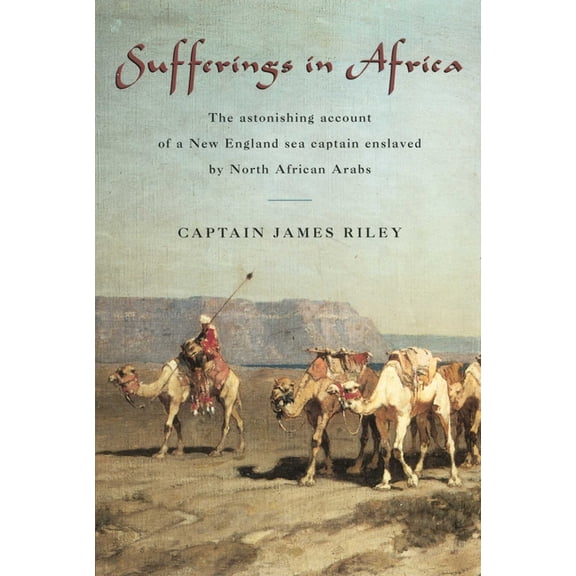
Sufferings in Africa: The Astonishing Account Of A New England Sea Captain Enslaved By North African Arabs, (Paperback) $13.99
 $1399current price $13.99
Sufferings in Africa: The Astonishing Account Of A New England Sea Captain Enslaved By North African Arabs, (Paperback)
15 out of 5 Stars. 1 reviewsHewing a Station out of the African Jungle, (Paperback) $13.95
 $1395current price $13.95
Hewing a Station out of the African Jungle, (Paperback)
Dette de l'Égypte, Mission (Paperback) $13.95
 $1395current price $13.95
Dette de l'Égypte, Mission (Paperback)
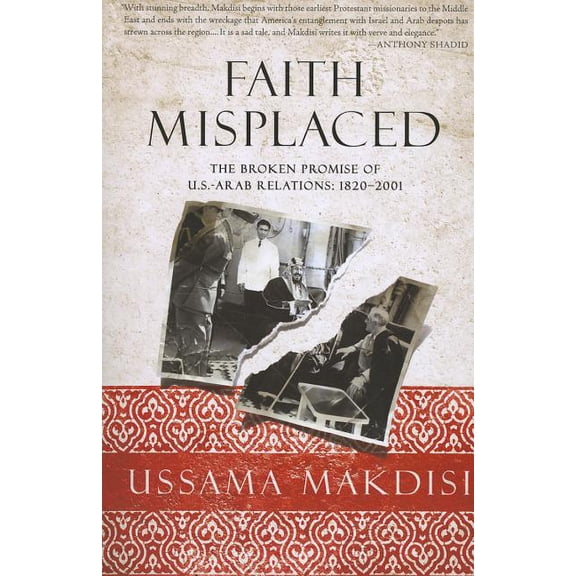
Faith Misplaced: The Broken Promise of U.S.-Arab Relations: 1820-2001, (Paperback) $13.49
 $1349current price $13.49
Faith Misplaced: The Broken Promise of U.S.-Arab Relations: 1820-2001, (Paperback)
The Slave Trade of East Africa, (Paperback) $13.95
 $1395current price $13.95
The Slave Trade of East Africa, (Paperback)
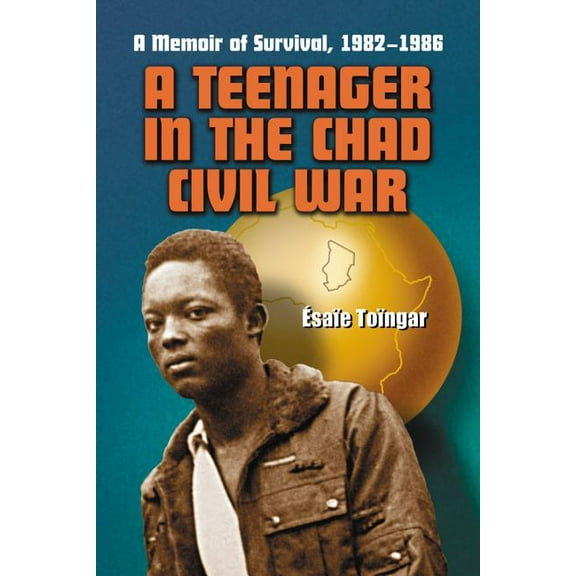
A Teenager in the Chad Civil War (Paperback) $18.49
 $1849current price $18.49
A Teenager in the Chad Civil War (Paperback)
The Burning Shores: Inside the Battle for the New Libya, (Paperback) $15.98 Was $17.89
 $1598current price $15.98, Was $17.89$17.89
The Burning Shores: Inside the Battle for the New Libya, (Paperback)
Three Empires on the Nile: The Victorian Jihad, 1869-1899, (Paperback) $20.72
 $2072current price $20.72
Three Empires on the Nile: The Victorian Jihad, 1869-1899, (Paperback)
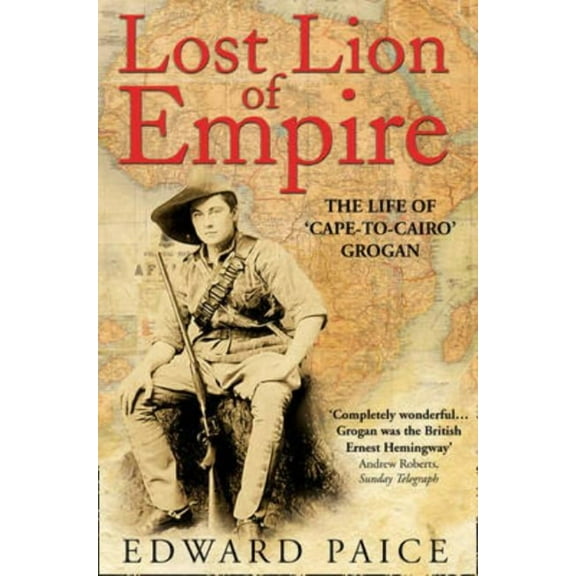
Life of Ewart Grogan Dso (1876-1976) Lost Lion of Empire: The Life of 'Cape-to-Cairo' Grogan, (Paperback) $14.86
 $1486current price $14.86
Life of Ewart Grogan Dso (1876-1976) Lost Lion of Empire: The Life of 'Cape-to-Cairo' Grogan, (Paperback)
Algerian White : A Narrative (Paperback) $15.49
 $1549current price $15.49
Algerian White : A Narrative (Paperback)
The Black VIrgin, (Paperback) $12.99
 $1299current price $12.99
The Black VIrgin, (Paperback)
Histoire: La Question Algérienne À Vol d'Oiseau (Paperback) $13.95
 $1395current price $13.95
Histoire: La Question Algérienne À Vol d'Oiseau (Paperback)
Pre-Owned An Army at Dawn: The War in North Africa, 1942-1943 (Paperback) 0805087249 9780805087246 $6.39
 $639current price $6.39
Pre-Owned An Army at Dawn: The War in North Africa, 1942-1943 (Paperback) 0805087249 9780805087246
Pre-Owned Slave: My True Story (Paperback) 1586483188 9781586483180 $3.99 Was $4.65
 2 optionsAvailable in additional 2 options$399current price $3.99, Was $4.65$4.65
Pre-Owned Slave: My True Story (Paperback) 1586483188 9781586483180
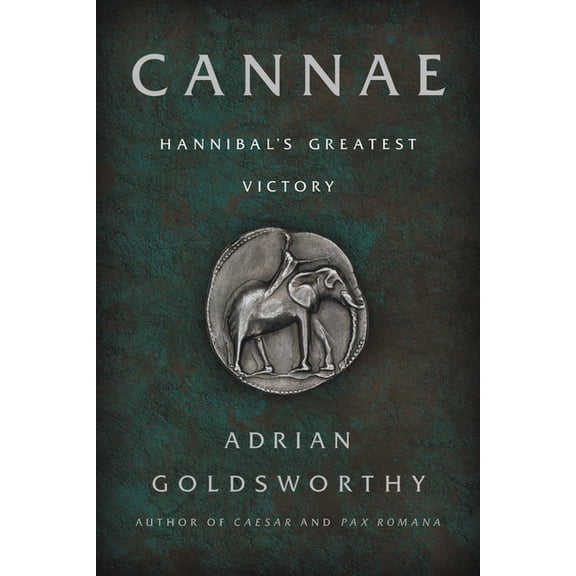
Cannae: Hannibal's Greatest Victory, (Paperback) $12.19
 $1219current price $12.19
Cannae: Hannibal's Greatest Victory, (Paperback)
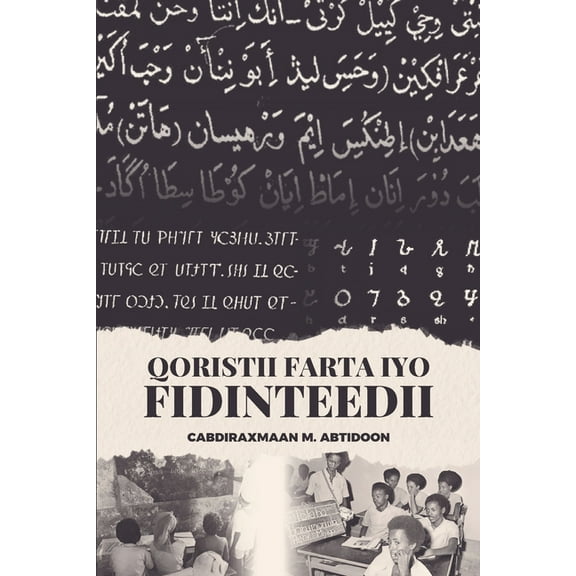
Qoristii Farta iyo Fidinteedii, (Paperback) $15.00
 $1500current price $15.00
Qoristii Farta iyo Fidinteedii, (Paperback)
Pre-Owned They Poured Fire on Us from the Sky: The Story of Three Lost Boys from Sudan (Paperback) 1610395980 9781610395984 $4.82
 3 optionsAvailable in additional 3 options$482current price $4.82
Pre-Owned They Poured Fire on Us from the Sky: The Story of Three Lost Boys from Sudan (Paperback) 1610395980 9781610395984
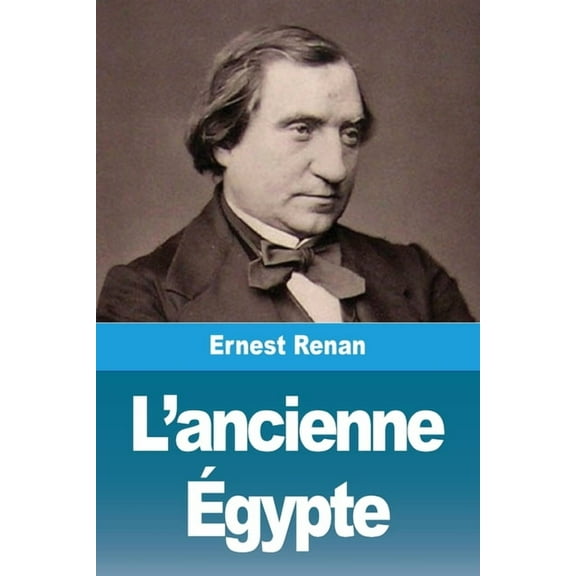
L'ancienne Ãgypte, (Paperback) $12.99
 $1299current price $12.99
L'ancienne Ãgypte, (Paperback)
Pre-Owned Darfurs Sorrow: A History of Destruction and Genocide Paperback M. W. Daly $7.46
 $746current price $7.46
Pre-Owned Darfurs Sorrow: A History of Destruction and Genocide Paperback M. W. Daly
Pre-Owned An Army at Dawn: The War in North Africa, 1942-1943 (Paperback) 0805087249 9780805087246 $5.48 Was $21.72
2 optionsAvailable in additional 2 options$548current price $5.48, Was $21.72$21.72Pre-Owned An Army at Dawn: The War in North Africa, 1942-1943 (Paperback) 0805087249 9780805087246
Customer ratings & reviews
0 ratings|0 reviews
This item does not have any reviews yet

Related pages
- Burning Man Black Rock Desert
- Artists, Architects & Photographers Biographies & Memoirs
- New Maps Of Hell
- African Warrior
- Wounded Man
- Walking Wounded
- Rev John Hale
- Civil & Human Rights Social Themes Teen & Young Adult Books
- General African History Books
- East African History Books
- African American History Books
- North African History Books