


Hero image 0 of Granada : A Pomegranate in the Hand of God (Paperback), 0 of 1
Granada : A Pomegranate in the Hand of God (Paperback)
(No ratings yet)
Key item features
Andalusia: ancient homeland of the mysterious Iberians, birthplace of Roman emperors, seedbed of modern Anarchism, and unmarked gravesite of Spain's greatest lyric poet. Perhaps most importantly, Andalusia is home to the city of Granada, where a hybrid culture composed of Islamic, Jewish, and Christian traditions gave rise to an intellectual vanguard whose achievements can be compared only with those of classical Athens, Ming China, or Renaissance Italy.
Granada resident Steven Nightingale excavates the rich past of his adopted city and its surrounding countryside, finding there a lavish story of utopian ecstasy, political intrigue, and finally anguish. Part of that region in southern Spain named by its Islamic rulers "Al–Andalus," medieval Granada witnessed a flourishing of poetry in several languages, the first modern translations of Greek philosophy, the birth of algebra, and the construction of architectural masterpieces such as the Alhambra and the Generalife. Yet with Ferdinand and Isabella's sack of Granada in 1492, regarded as the culmination of the Reconquista, which sought to reclaim Spain for the Vatican, a Catholic mythology of Spain began to erode Granada's centuries–old reputation as an artistically vital haven for multiple ethnic and religious groups.
Linking the disastrous afterlife of the Reconquista to the Catholic nationalism of the Franco regime—whose execution of Granadan poet Federico Garcia Lorca symbolizes the suppression of Andalusia's cultural heritage—Nightingale demonstrates the extent to which this Catholic triumphalism also obscured the source of much cultural wealth bequeathed by Al–Andalus to Christian Europe. Nightingale's own account of the region's medieval zenith recovers the intellectual pageantry and aesthetic splendor of this astounding period in Western history and the marvelous city that was its cultural center.
Granada resident Steven Nightingale excavates the rich past of his adopted city and its surrounding countryside, finding there a lavish story of utopian ecstasy, political intrigue, and finally anguish. Part of that region in southern Spain named by its Islamic rulers "Al–Andalus," medieval Granada witnessed a flourishing of poetry in several languages, the first modern translations of Greek philosophy, the birth of algebra, and the construction of architectural masterpieces such as the Alhambra and the Generalife. Yet with Ferdinand and Isabella's sack of Granada in 1492, regarded as the culmination of the Reconquista, which sought to reclaim Spain for the Vatican, a Catholic mythology of Spain began to erode Granada's centuries–old reputation as an artistically vital haven for multiple ethnic and religious groups.
Linking the disastrous afterlife of the Reconquista to the Catholic nationalism of the Franco regime—whose execution of Granadan poet Federico Garcia Lorca symbolizes the suppression of Andalusia's cultural heritage—Nightingale demonstrates the extent to which this Catholic triumphalism also obscured the source of much cultural wealth bequeathed by Al–Andalus to Christian Europe. Nightingale's own account of the region's medieval zenith recovers the intellectual pageantry and aesthetic splendor of this astounding period in Western history and the marvelous city that was its cultural center.
Specs
- Book formatPaperback
- Fiction/nonfictionNon-Fiction
- GenreTravel & Nature, History
- Pages416
- EditionReprint
- PublisherCatapult
Current price is USD$17.50
Price when purchased online
- Free shipping
 Free 30-day returns
How do you want your item?
Columbus, 43215
Arrives between Apr 11 - Apr 14
|
Sold and shipped by BooksXpress
3.975015422578655 stars out of 5, based on 3242 seller reviews(4.0)3242 seller reviews

Free 30-day returns
More seller options (1)
Starting from $17.47
About this item
Product details
Andalusia: ancient homeland of the mysterious Iberians, birthplace of Roman emperors, seedbed of modern Anarchism, and unmarked gravesite of Spain's greatest lyric poet. Perhaps most importantly, Andalusia is home to the city of Granada, where a hybrid culture composed of Islamic, Jewish, and Christian traditions gave rise to an intellectual vanguard whose achievements can be compared only with those of classical Athens, Ming China, or Renaissance Italy.
Granada resident Steven Nightingale excavates the rich past of his adopted city and its surrounding countryside, finding there a lavish story of utopian ecstasy, political intrigue, and finally anguish. Part of that region in southern Spain named by its Islamic rulers "Al-Andalus," medieval Granada witnessed a flourishing of poetry in several languages, the first modern translations of Greek philosophy, the birth of algebra, and the construction of architectural masterpieces such as the Alhambra and the Generalife. Yet with Ferdinand and Isabella's sack of Granada in 1492, regarded as the culmination of the Reconquista, which sought to reclaim Spain for the Vatican, a Catholic mythology of Spain began to erode Granada's centuries-old reputation as an artistically vital haven for multiple ethnic and religious groups.
Linking the disastrous afterlife of the Reconquista to the Catholic nationalism of the Franco regime--whose execution of Granadan poet Federico Garcia Lorca symbolizes the suppression of Andalusia's cultural heritage--Nightingale demonstrates the extent to which this Catholic triumphalism also obscured the source of much cultural wealth bequeathed by Al-Andalus to Christian Europe. Nightingale's own account of the region's medieval zenith recovers the intellectual pageantry and aesthetic splendor of this astounding period in Western history and the marvelous city that was its cultural center.
Granada resident Steven Nightingale excavates the rich past of his adopted city and its surrounding countryside, finding there a lavish story of utopian ecstasy, political intrigue, and finally anguish. Part of that region in southern Spain named by its Islamic rulers "Al-Andalus," medieval Granada witnessed a flourishing of poetry in several languages, the first modern translations of Greek philosophy, the birth of algebra, and the construction of architectural masterpieces such as the Alhambra and the Generalife. Yet with Ferdinand and Isabella's sack of Granada in 1492, regarded as the culmination of the Reconquista, which sought to reclaim Spain for the Vatican, a Catholic mythology of Spain began to erode Granada's centuries-old reputation as an artistically vital haven for multiple ethnic and religious groups.
Linking the disastrous afterlife of the Reconquista to the Catholic nationalism of the Franco regime--whose execution of Granadan poet Federico Garcia Lorca symbolizes the suppression of Andalusia's cultural heritage--Nightingale demonstrates the extent to which this Catholic triumphalism also obscured the source of much cultural wealth bequeathed by Al-Andalus to Christian Europe. Nightingale's own account of the region's medieval zenith recovers the intellectual pageantry and aesthetic splendor of this astounding period in Western history and the marvelous city that was its cultural center.
Andalusia: ancient homeland of the mysterious Iberians, birthplace of Roman emperors, seedbed of modern Anarchism, and unmarked gravesite of Spain's greatest lyric poet. Perhaps most importantly, Andalusia is home to the city of Granada, where a hybrid culture composed of Islamic, Jewish, and Christian traditions gave rise to an intellectual vanguard whose achievements can be compared only with those of classical Athens, Ming China, or Renaissance Italy.
Granada resident Steven Nightingale excavates the rich past of his adopted city and its surrounding countryside, finding there a lavish story of utopian ecstasy, political intrigue, and finally anguish. Part of that region in southern Spain named by its Islamic rulers "Al–Andalus," medieval Granada witnessed a flourishing of poetry in several languages, the first modern translations of Greek philosophy, the birth of algebra, and the construction of architectural masterpieces such as the Alhambra and the Generalife. Yet with Ferdinand and Isabella's sack of Granada in 1492, regarded as the culmination of the Reconquista, which sought to reclaim Spain for the Vatican, a Catholic mythology of Spain began to erode Granada's centuries–old reputation as an artistically vital haven for multiple ethnic and religious groups.
Linking the disastrous afterlife of the Reconquista to the Catholic nationalism of the Franco regime—whose execution of Granadan poet Federico Garcia Lorca symbolizes the suppression of Andalusia's cultural heritage—Nightingale demonstrates the extent to which this Catholic triumphalism also obscured the source of much cultural wealth bequeathed by Al–Andalus to Christian Europe. Nightingale's own account of the region's medieval zenith recovers the intellectual pageantry and aesthetic splendor of this astounding period in Western history and the marvelous city that was its cultural center.
Granada resident Steven Nightingale excavates the rich past of his adopted city and its surrounding countryside, finding there a lavish story of utopian ecstasy, political intrigue, and finally anguish. Part of that region in southern Spain named by its Islamic rulers "Al–Andalus," medieval Granada witnessed a flourishing of poetry in several languages, the first modern translations of Greek philosophy, the birth of algebra, and the construction of architectural masterpieces such as the Alhambra and the Generalife. Yet with Ferdinand and Isabella's sack of Granada in 1492, regarded as the culmination of the Reconquista, which sought to reclaim Spain for the Vatican, a Catholic mythology of Spain began to erode Granada's centuries–old reputation as an artistically vital haven for multiple ethnic and religious groups.
Linking the disastrous afterlife of the Reconquista to the Catholic nationalism of the Franco regime—whose execution of Granadan poet Federico Garcia Lorca symbolizes the suppression of Andalusia's cultural heritage—Nightingale demonstrates the extent to which this Catholic triumphalism also obscured the source of much cultural wealth bequeathed by Al–Andalus to Christian Europe. Nightingale's own account of the region's medieval zenith recovers the intellectual pageantry and aesthetic splendor of this astounding period in Western history and the marvelous city that was its cultural center.
info:
We aim to show you accurate product information. Manufacturers, suppliers and others provide what you see here, and we have not verified it.
Specifications
Book format
Paperback
Fiction/nonfiction
Non-Fiction
Genre
Travel & Nature, History
Pages
416
Warranty
Warranty information
Please be aware that the warranty terms on items offered for sale by third party Marketplace sellers may differ from those displayed in this section (if any). To confirm warranty terms on an item offered for sale by a third party Marketplace seller, please use the 'Contact seller' feature on the third party Marketplace seller's information page and request the item's warranty terms prior to purchase.
Similar items you might like
Based on what customers bought
God in You: Complete and Unabridged, (Paperback) $10.99
 $1099current price $10.99
God in You: Complete and Unabridged, (Paperback)
Lettres Au Grenadier Lavaleur (Paperback) $11.95
 $1195current price $11.95
Lettres Au Grenadier Lavaleur (Paperback)
Cómo Cultivar la Espiritualidad, (Paperback) $10.99
 $1099current price $10.99
Cómo Cultivar la Espiritualidad, (Paperback)
On the Invisible Palm of God, (Paperback) $25.58
 $2558current price $25.58
On the Invisible Palm of God, (Paperback)
The Believers Code, (Paperback) $14.54 Was $17.99
 $1454current price $14.54, Was $17.99$17.99
The Believers Code, (Paperback)
The War of Chupas, (Paperback) $15.30 Was $17.88
 $1530current price $15.30, Was $17.88$17.88
The War of Chupas, (Paperback)
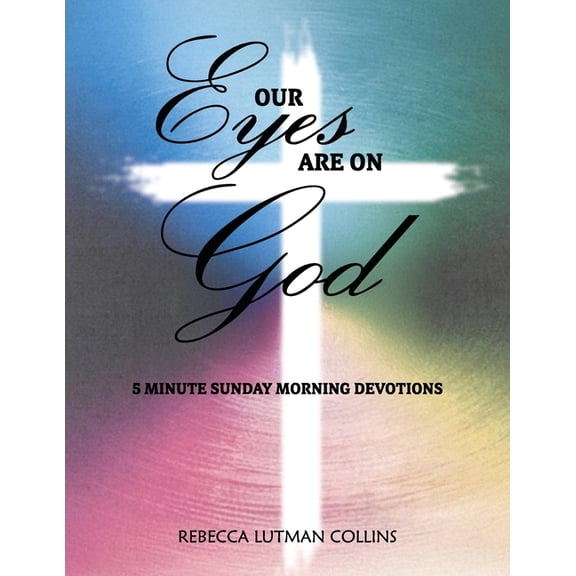
Our Eyes Are On God, (Paperback) $10.99 Was $12.99
 $1099current price $10.99, Was $12.99$12.99
Our Eyes Are On God, (Paperback)
Best seller Enemies to Lovers: a Romantasy Coloring Book, 120 pages (Paperback) $11.48
Best seller $1148current price $11.48
Enemies to Lovers: a Romantasy Coloring Book, 120 pages (Paperback)
294.2 out of 5 Stars. 29 reviewsBreaking Free From Trauma, (Paperback) $18.47
 $1847current price $18.47
Breaking Free From Trauma, (Paperback)
God's Untapped Resources (Paperback) $8.99
 $899current price $8.99
God's Untapped Resources (Paperback)
Ana Huang,Ana Huang,Ana Huang The Defender (Paperback) Gods of the Game $17.26
 $1726current price $17.26
Ana Huang,Ana Huang,Ana Huang The Defender (Paperback) Gods of the Game
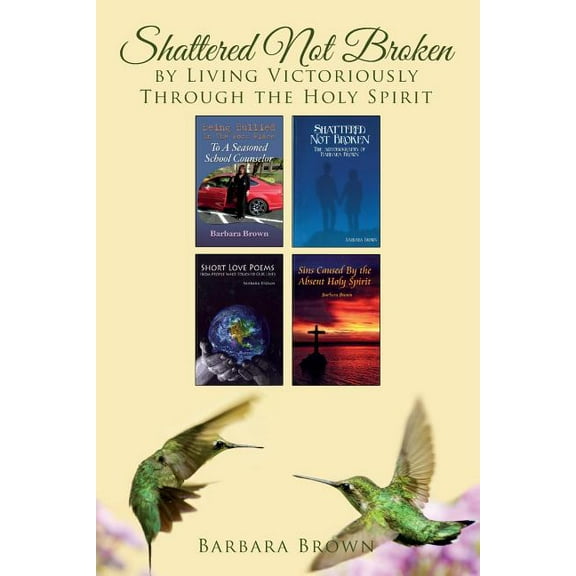
Shattered Not Broken by Living Victoriously Through the Holy Spirit (Paperback) $10.00
 $1000current price $10.00
Shattered Not Broken by Living Victoriously Through the Holy Spirit (Paperback)
The Opposite of COMBAT, (Paperback) $17.95
 $1795current price $17.95
The Opposite of COMBAT, (Paperback)
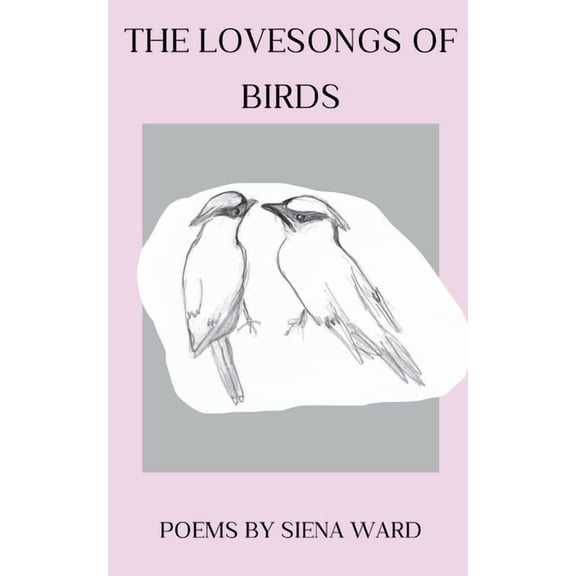
The Lovesongs of Birds, (Paperback) $16.45
 $1645current price $16.45
The Lovesongs of Birds, (Paperback)
Divine Power, (Paperback) $14.95
 $1495current price $14.95
Divine Power, (Paperback)
Does God Have Free Will? (Paperback) $15.03
 $1503current price $15.03
Does God Have Free Will? (Paperback)
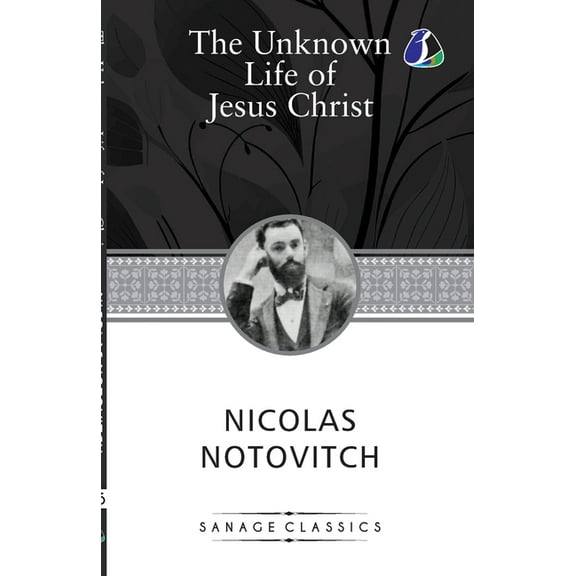
The Unknown Life of Jesus Christ, (Paperback) $22.50
 $2250current price $22.50
The Unknown Life of Jesus Christ, (Paperback)
Self-Doubt Out!: God's Masterpiece (Paperback) $17.23
 $1723current price $17.23
Self-Doubt Out!: God's Masterpiece (Paperback)
Intimacy with God, Ourselves and Others (Paperback) $11.99
 $1199current price $11.99
Intimacy with God, Ourselves and Others (Paperback)
Reclaim Your Royal Inheritance, (Paperback) $14.99
 $1499current price $14.99
Reclaim Your Royal Inheritance, (Paperback)
Customer ratings & reviews
0 ratings|0 reviews
This item does not have any reviews yet
