


Techniques of the Moving Image: Shot on Location : Postwar American Cinema and the Exploration of Real Place (Hardcover)
(No ratings yet)
Key item features
In the early days of filmmaking, before many of Hollywood’s elaborate sets and soundstages had been built, it was common for movies to be shot on location. Decades later, Hollywood filmmakers rediscovered the practice of using real locations and documentary footage in their narrative features. Why did this happen? What caused this sudden change?
Renowned film scholar R. Barton Palmer answers this question in Shot on Location by exploring the historical, ideological, economic, and technological developments that led Hollywood to head back outside in order to capture footage of real places. His groundbreaking research reveals that wartime newsreels had a massive influence on postwar Hollywood film, although there are key distinctions to be made between these movies and their closest contemporaries, Italian neorealist films. Considering how these practices were used in everything from war movies like Twelve O’Clock High to westerns like The Searchers, Palmer explores how the blurring of the formal boundaries between cinematic journalism and fiction lent a “reality effect” to otherwise implausible stories.
Shot on Location describes how the period’s greatest directors, from Alfred Hitchcock to Billy Wilder, increasingly moved beyond the confines of the studio. At the same time, the book acknowledges the collaborative nature of moviemaking, identifying key roles that screenwriters, art designers, location scouts, and editors played in incorporating actual geographical locales and social milieus within a fictional framework. Palmer thus offers a fascinating behind-the-scenes look at how Hollywood transformed the way we view real spaces.
Renowned film scholar R. Barton Palmer answers this question in Shot on Location by exploring the historical, ideological, economic, and technological developments that led Hollywood to head back outside in order to capture footage of real places. His groundbreaking research reveals that wartime newsreels had a massive influence on postwar Hollywood film, although there are key distinctions to be made between these movies and their closest contemporaries, Italian neorealist films. Considering how these practices were used in everything from war movies like Twelve O’Clock High to westerns like The Searchers, Palmer explores how the blurring of the formal boundaries between cinematic journalism and fiction lent a “reality effect” to otherwise implausible stories.
Shot on Location describes how the period’s greatest directors, from Alfred Hitchcock to Billy Wilder, increasingly moved beyond the confines of the studio. At the same time, the book acknowledges the collaborative nature of moviemaking, identifying key roles that screenwriters, art designers, location scouts, and editors played in incorporating actual geographical locales and social milieus within a fictional framework. Palmer thus offers a fascinating behind-the-scenes look at how Hollywood transformed the way we view real spaces.
Specs
- Book formatHardcover
- Fiction/nonfictionNon-Fiction
- GenreNonfiction
- Pub date2016-02-18
- Pages290
- Reading level18-22
Current price is USD$128.87
Price when purchased online
Out of stock
How do you want your item?
Out of stock
About this item
Product details
Renowned film scholar R. Barton Palmer explores the historical, ideological, economic, and technical developments that led Hollywood filmmakers of the late 1940s and 1950s to increasingly head outside the studio and capture footage of real places. Examining works ranging from Sunset Blvd. to The Searchers, Shot on Location discovers the massive influence that wartime newsreels had on the postwar Hollywood film, as the blurring of the formal boundaries between cinematic journalism and fiction lent a “reality effect” to otherwise implausible stories.
In the early days of filmmaking, before many of Hollywood’s elaborate sets and soundstages had been built, it was common for movies to be shot on location. Decades later, Hollywood filmmakers rediscovered the practice of using real locations and documentary footage in their narrative features. Why did this happen? What caused this sudden change?
Renowned film scholar R. Barton Palmer answers this question in Shot on Location by exploring the historical, ideological, economic, and technological developments that led Hollywood to head back outside in order to capture footage of real places. His groundbreaking research reveals that wartime newsreels had a massive influence on postwar Hollywood film, although there are key distinctions to be made between these movies and their closest contemporaries, Italian neorealist films. Considering how these practices were used in everything from war movies like Twelve O’Clock High to westerns like The Searchers, Palmer explores how the blurring of the formal boundaries between cinematic journalism and fiction lent a “reality effect” to otherwise implausible stories.
Shot on Location describes how the period’s greatest directors, from Alfred Hitchcock to Billy Wilder, increasingly moved beyond the confines of the studio. At the same time, the book acknowledges the collaborative nature of moviemaking, identifying key roles that screenwriters, art designers, location scouts, and editors played in incorporating actual geographical locales and social milieus within a fictional framework. Palmer thus offers a fascinating behind-the-scenes look at how Hollywood transformed the way we view real spaces.
Renowned film scholar R. Barton Palmer answers this question in Shot on Location by exploring the historical, ideological, economic, and technological developments that led Hollywood to head back outside in order to capture footage of real places. His groundbreaking research reveals that wartime newsreels had a massive influence on postwar Hollywood film, although there are key distinctions to be made between these movies and their closest contemporaries, Italian neorealist films. Considering how these practices were used in everything from war movies like Twelve O’Clock High to westerns like The Searchers, Palmer explores how the blurring of the formal boundaries between cinematic journalism and fiction lent a “reality effect” to otherwise implausible stories.
Shot on Location describes how the period’s greatest directors, from Alfred Hitchcock to Billy Wilder, increasingly moved beyond the confines of the studio. At the same time, the book acknowledges the collaborative nature of moviemaking, identifying key roles that screenwriters, art designers, location scouts, and editors played in incorporating actual geographical locales and social milieus within a fictional framework. Palmer thus offers a fascinating behind-the-scenes look at how Hollywood transformed the way we view real spaces.
info:
We aim to show you accurate product information. Manufacturers, suppliers and others provide what you see here, and we have not verified it.
Specifications
Book format
Hardcover
Fiction/nonfiction
Non-Fiction
Genre
Nonfiction
Pub date
2016-02-18
Warranty
Warranty information
Please be aware that the warranty terms on items offered for sale by third party Marketplace sellers may differ from those displayed in this section (if any). To confirm warranty terms on an item offered for sale by a third party Marketplace seller, please use the 'Contact seller' feature on the third party Marketplace seller's information page and request the item's warranty terms prior to purchase.
Similar items you might like
Based on what customers bought
Klossowski, Pasolini, Gurrola: A Genealogy of Late Surrealist Film Theory, (Hardcover) $120.00
 $12000current price $120.00
Klossowski, Pasolini, Gurrola: A Genealogy of Late Surrealist Film Theory, (Hardcover)
The City and the Moving Image: Urban Projections, (Hardcover) $103.30
 $10330current price $103.30
The City and the Moving Image: Urban Projections, (Hardcover)
19C American Fiction on Screen, (Paperback) $40.26
 $4026current price $40.26
19C American Fiction on Screen, (Paperback)
Refocus: The American Directors Refocus: The Literary Films of Richard Brooks, (Hardcover) $101.00
 $10100current price $101.00
Refocus: The American Directors Refocus: The Literary Films of Richard Brooks, (Hardcover)
Rocky: The Complete Films, (Hardcover) $72.72 Was $100.00
 $7272current price $72.72, Was $100.00$100.00
Rocky: The Complete Films, (Hardcover)
Reframing Media, Technology, and Culture The Rise of Central American Film in the Twenty-First Century, (Hardcover) $89.04
 $8904current price $89.04
Reframing Media, Technology, and Culture The Rise of Central American Film in the Twenty-First Century, (Hardcover)
Taking Fiction Film Seriously: A Philosophical Approach to Cinema Studies, (Hardcover) $138.87
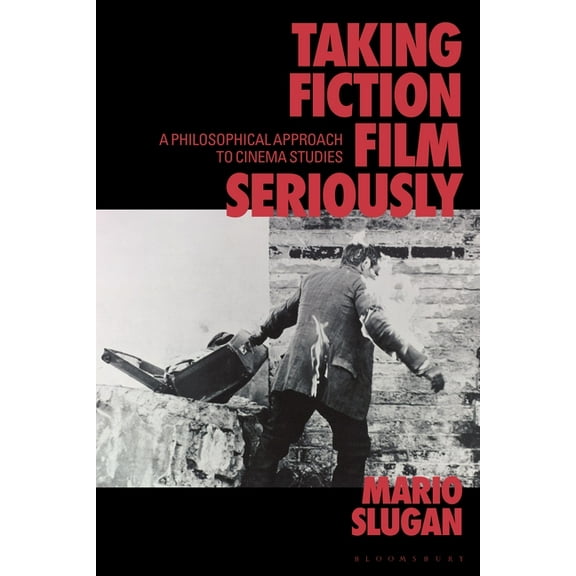 $13887current price $138.87
Taking Fiction Film Seriously: A Philosophical Approach to Cinema Studies, (Hardcover)
Contemporary Cinema District 9: Johannesburg as Nostalgic Dystopia, Book 10, (Hardcover) $126.00
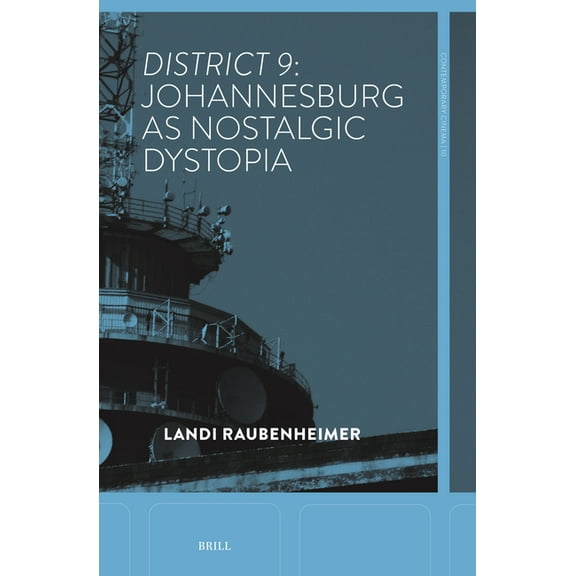 $12600current price $126.00
Contemporary Cinema District 9: Johannesburg as Nostalgic Dystopia, Book 10, (Hardcover)
Routledge Advances in Film Studies The Political Thriller in Contemporary American Cinema: Hollywood, D.C., (Hardcover) $152.00
 $15200current price $152.00
Routledge Advances in Film Studies The Political Thriller in Contemporary American Cinema: Hollywood, D.C., (Hardcover)
Searching for New Frontiers: Hollywood Films in the 1960s (Hardcover) $127.11
 $12711current price $127.11
Searching for New Frontiers: Hollywood Films in the 1960s (Hardcover)
Ingmar Bergman at the Crossroads: Between Theory and Practice, (Hardcover) $144.06
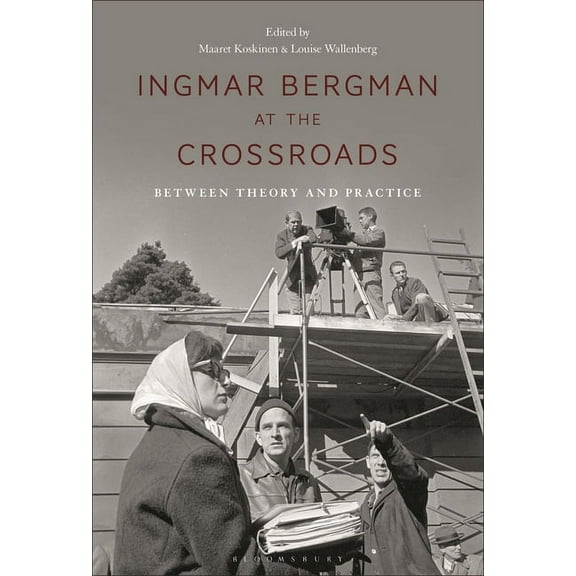 $14406current price $144.06
Ingmar Bergman at the Crossroads: Between Theory and Practice, (Hardcover)
Moving Image Screening Work: The Films of Christian Petzold, Book 10, (Hardcover) $108.19
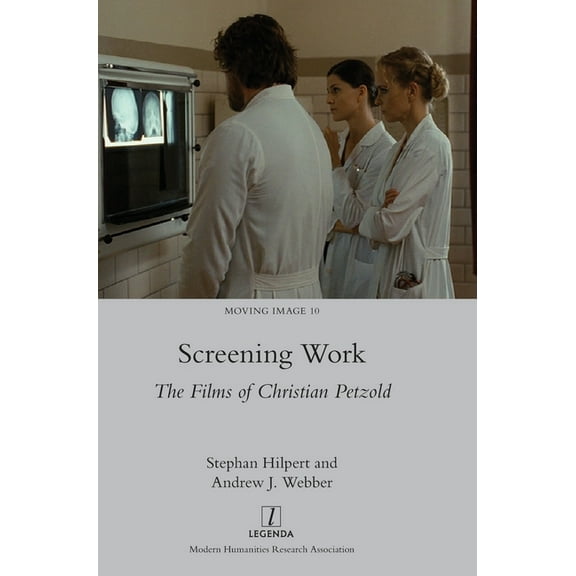 $10819current price $108.19
Moving Image Screening Work: The Films of Christian Petzold, Book 10, (Hardcover)
Screen Serialities Superhero Blockbusters: Seriality and Politics, (Paperback) $32.62
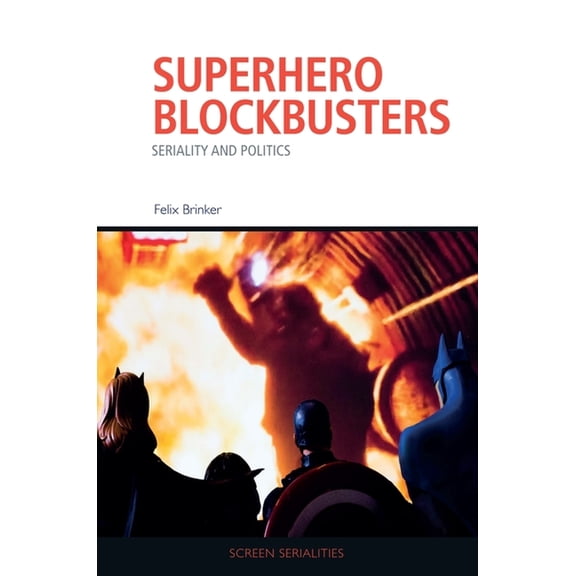 $3262current price $32.62
Screen Serialities Superhero Blockbusters: Seriality and Politics, (Paperback)
From the Arthouse to the Grindhouse: Highbrow and Lowbrow Transgression in Cinema's First Century, (Hardcover) $106.00
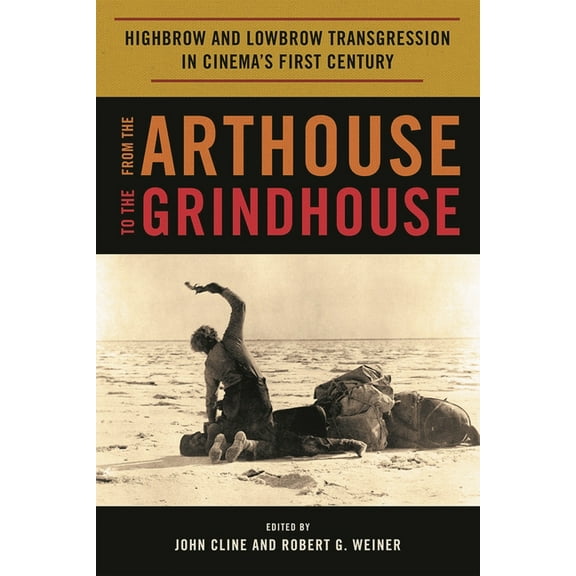 $10600current price $106.00
From the Arthouse to the Grindhouse: Highbrow and Lowbrow Transgression in Cinema's First Century, (Hardcover)
Understanding Cinema: A Psychological Theory of Moving Imagery, (Hardcover) $114.00
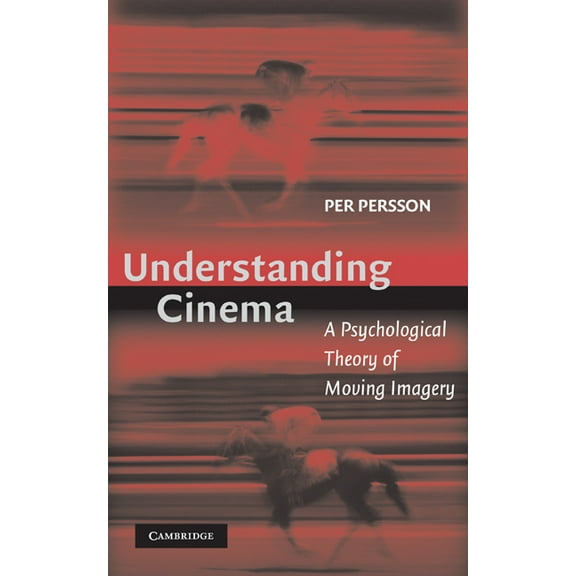 $11400current price $114.00
Understanding Cinema: A Psychological Theory of Moving Imagery, (Hardcover)
Walls Without Cinema: State Security and Subjective Embodiment in Twenty-First-Century Us Filmmaking, (Hardcover) $132.45
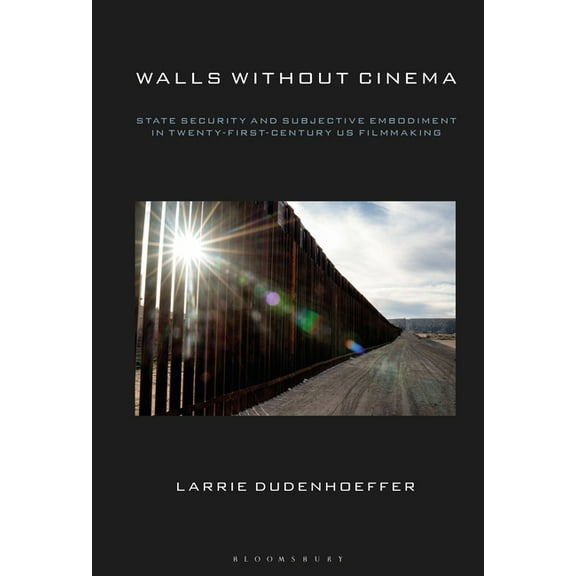 $13245current price $132.45
Walls Without Cinema: State Security and Subjective Embodiment in Twenty-First-Century Us Filmmaking, (Hardcover)
In Focus: Routledge Film Readers Hollywood and War, The Film Reader, (Hardcover) $186.00
 $18600current price $186.00
In Focus: Routledge Film Readers Hollywood and War, The Film Reader, (Hardcover)
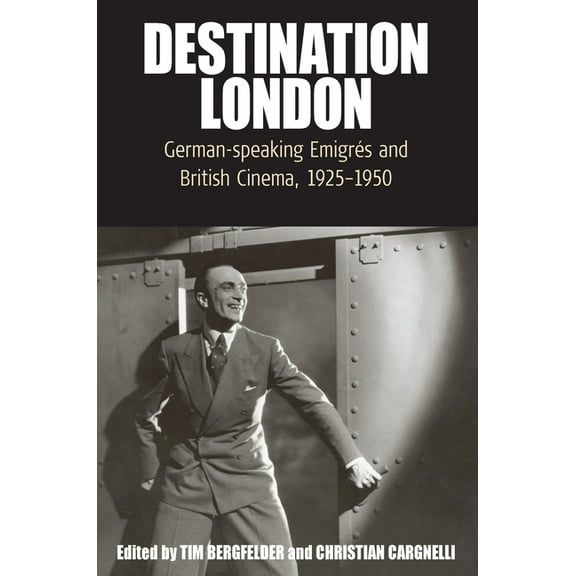
Film Europa Destination London: German-Speaking Emigrés and British Cinema, 1925-1950, Book 6, (Hardcover) $87.41
 $8741current price $87.41
Film Europa Destination London: German-Speaking Emigrés and British Cinema, 1925-1950, Book 6, (Hardcover)
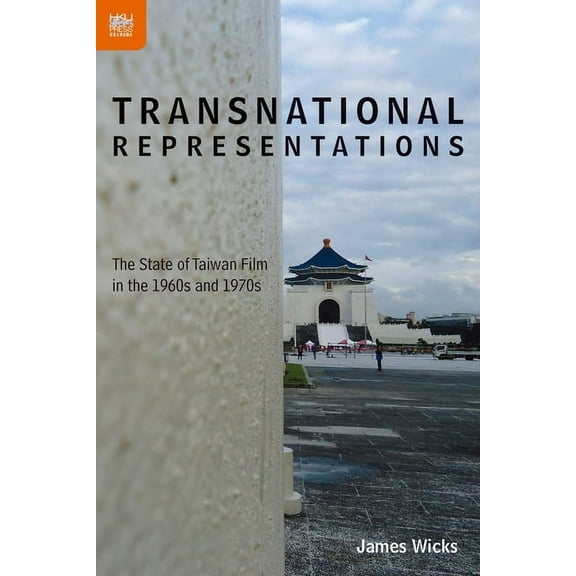
Transnational Representations : The State of Taiwan Film in the 1960s and 1970s (Hardcover) $102.50
 $10250current price $102.50
Transnational Representations : The State of Taiwan Film in the 1960s and 1970s (Hardcover)
Customer ratings & reviews
0 ratings|0 reviews
This item does not have any reviews yet
