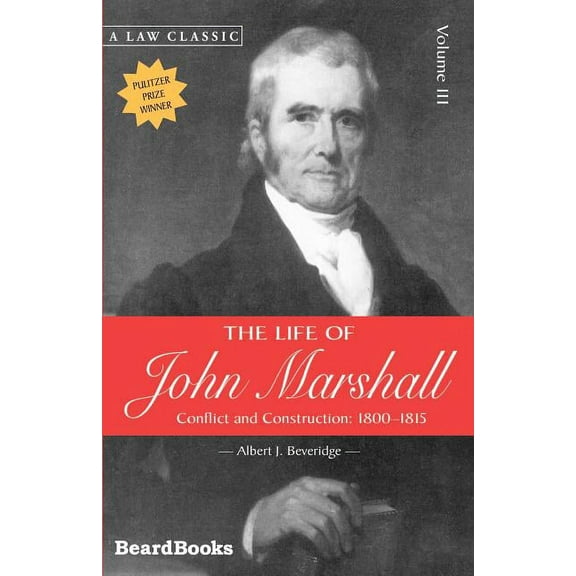
How did a Virginia frontiersman become the architect of American law? The Life Of John Marshall (Volume I): Frontiersman, Soldier, Lawmaker, 1755-1788 traces the formative years of the man whose life bridged hardship on the frontier and the political ferment of a new republic. Marshall's influence endures across centuries. Albert J. Beveridge blends vivid narrative with documentary rigour to produce a founding fathers biography that reads like narrative history yet rewards scholarly inquiry. Set in eighteenth century America, the book explores frontier law and politics, the choices of colonial leaders and the Revolutionary War milieu that shaped Marshall's outlook - material valuable to readers of revolutionary war nonfiction and students of supreme court origins and american legal history alike. The texture of everyday life, legal dispute and local governance gives modern readers a direct route into early american history; Beveridge turns archival detail into clear, compassionate storytelling without losing analytical force. Beveridge's study holds literary and historical significance as an early comprehensive life that helped focus attention on the legal and institutional roots of the United States. Republished by Alpha Editions in a careful modern edition, this volume preserves the spirit of the original while making it effortless to enjoy today - a heritage title prepared for readers and collectors alike. Whether sought by casual readers, collectors of presidential era biographies, or assembled into a history enthusiasts collection or academic research resource on colonial america leadership and virginia historical figures, this volume rewards attention with clear prose, deep research and enduring insight. For students of american legal history or anyone assembling a shelf of founding fathers biography and revolutionary-era studies, Beveridge's portrait of Marshall remains a trustworthy companion. Its combination of narrative energy and archival attention makes this volume equally at home on a research desk or in a private library. Collectors and scholars alike will find its careful reconstruction of Marshall's formative milieu a useful foundation for study of the Supreme Court's early development.