

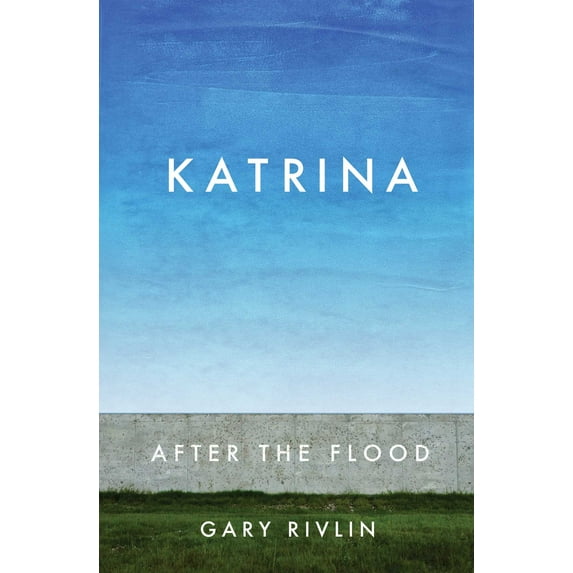
Hero image 0 of Katrina: After the Flood (Hardcover) by Gary Rivlin, 0 of 1
Katrina: After the Flood (Hardcover) by Gary Rivlin
(No ratings yet)
Key item features
One of New York Times’s 100 Notable Books of the Year, 2015
One of NPR’s Best Books of 2015
Ten years after Hurricane Katrina made landfall in southeast Louisiana—on August 29, 2005—journalist Gary Rivlin traces the storm’s immediate damage, the city of New Orleans’s efforts to rebuild itself, and the storm’s lasting effects not just on the city’s geography and infrastructure—but on the psychic, racial, and social fabric of one of this nation’s great cities.
Much of New Orleans still sat under water the first time Gary Rivlin glimpsed the city after Hurricane Katrina. Then a staff reporter for The New York Times, he was heading into the city to survey the damage. The Interstate was eerily empty. Soldiers in uniform and armed with assault rifles stopped him. Water reached the eaves of houses for as far as the eye could see.
Four out of every five houses—eighty percent of the city’s housing stock—had been flooded. Around that same proportion of schools and businesses were wrecked. The weight of all that water on the streets cracked gas and water and sewer pipes all around town and the deluge had drowned almost every power substation and rendered unusable most of the city’s water and sewer system.
People living in flooded areas of the city could not be expected to pay their property taxes for the foreseeable future. Nor would all those boarded-up businesses—21,000 of the city’s 22,000 businesses were still shuttered six months after the storm—be contributing their share of sales taxes and other fees to the city’s coffers. Six weeks after the storm, the city laid off half its workforce—precisely when so many people were turning to its government for help. Meanwhile, cynics both in and out of the Beltway were questioning the use of taxpayer dollars to rebuild a city that sat mostly below sea level. How could the city possibly come back?
This book traces the stories of New Orleanians of all stripes—politicians and business owners, teachers and bus drivers, poor and wealthy, black and white—as they confront the aftermath of one of the great tragedies of our age and reconstruct, change, and in some cases abandon a city that’s the soul of this nation.
One of NPR’s Best Books of 2015
Ten years after Hurricane Katrina made landfall in southeast Louisiana—on August 29, 2005—journalist Gary Rivlin traces the storm’s immediate damage, the city of New Orleans’s efforts to rebuild itself, and the storm’s lasting effects not just on the city’s geography and infrastructure—but on the psychic, racial, and social fabric of one of this nation’s great cities.
Much of New Orleans still sat under water the first time Gary Rivlin glimpsed the city after Hurricane Katrina. Then a staff reporter for The New York Times, he was heading into the city to survey the damage. The Interstate was eerily empty. Soldiers in uniform and armed with assault rifles stopped him. Water reached the eaves of houses for as far as the eye could see.
Four out of every five houses—eighty percent of the city’s housing stock—had been flooded. Around that same proportion of schools and businesses were wrecked. The weight of all that water on the streets cracked gas and water and sewer pipes all around town and the deluge had drowned almost every power substation and rendered unusable most of the city’s water and sewer system.
People living in flooded areas of the city could not be expected to pay their property taxes for the foreseeable future. Nor would all those boarded-up businesses—21,000 of the city’s 22,000 businesses were still shuttered six months after the storm—be contributing their share of sales taxes and other fees to the city’s coffers. Six weeks after the storm, the city laid off half its workforce—precisely when so many people were turning to its government for help. Meanwhile, cynics both in and out of the Beltway were questioning the use of taxpayer dollars to rebuild a city that sat mostly below sea level. How could the city possibly come back?
This book traces the stories of New Orleanians of all stripes—politicians and business owners, teachers and bus drivers, poor and wealthy, black and white—as they confront the aftermath of one of the great tragedies of our age and reconstruct, change, and in some cases abandon a city that’s the soul of this nation.
Specs
- Book formatHardcover
- Fiction/nonfictionNon-Fiction
- Pages480
- PublisherSimon & Schuster
- Original languagesEnglish
- LanguageEnglish
Current price is USD$28.99
Price when purchased online
Out of stock
How do you want your item?
Out of stock
About this item
Product details
One of New York Times's 100 Notable Books of the Year, 2015
One of NPR's Best Books of 2015 Ten years after Hurricane Katrina made landfall in southeast Louisiana--on August 29, 2005--journalist Gary Rivlin traces the storm's immediate damage, the city of New Orleans's efforts to rebuild itself, and the storm's lasting effects not just on the city's geography and infrastructure--but on the psychic, racial, and social fabric of one of this nation's great cities. Much of New Orleans still sat under water the first time Gary Rivlin glimpsed the city after Hurricane Katrina. Then a staff reporter for The New York Times, he was heading into the city to survey the damage. The Interstate was eerily empty. Soldiers in uniform and armed with assault rifles stopped him. Water reached the eaves of houses for as far as the eye could see. Four out of every five houses--eighty percent of the city's housing stock--had been flooded. Around that same proportion of schools and businesses were wrecked. The weight of all that water on the streets cracked gas and water and sewer pipes all around town and the deluge had drowned almost every power substation and rendered unusable most of the city's water and sewer system. People living in flooded areas of the city could not be expected to pay their property taxes for the foreseeable future. Nor would all those boarded-up businesses--21,000 of the city's 22,000 businesses were still shuttered six months after the storm--be contributing their share of sales taxes and other fees to the city's coffers. Six weeks after the storm, the city laid off half its workforce--precisely when so many people were turning to its government for help. Meanwhile, cynics both in and out of the Beltway were questioning the use of taxpayer dollars to rebuild a city that sat mostly below sea level. How could the city possibly come back? This book traces the stories of New Orleanians of all stripes--politicians and business owners, teachers and bus drivers, poor and wealthy, black and white--as they confront the aftermath of one of the great tragedies of our age and reconstruct, change, and in some cases abandon a city that's the soul of this nation.
One of NPR's Best Books of 2015 Ten years after Hurricane Katrina made landfall in southeast Louisiana--on August 29, 2005--journalist Gary Rivlin traces the storm's immediate damage, the city of New Orleans's efforts to rebuild itself, and the storm's lasting effects not just on the city's geography and infrastructure--but on the psychic, racial, and social fabric of one of this nation's great cities. Much of New Orleans still sat under water the first time Gary Rivlin glimpsed the city after Hurricane Katrina. Then a staff reporter for The New York Times, he was heading into the city to survey the damage. The Interstate was eerily empty. Soldiers in uniform and armed with assault rifles stopped him. Water reached the eaves of houses for as far as the eye could see. Four out of every five houses--eighty percent of the city's housing stock--had been flooded. Around that same proportion of schools and businesses were wrecked. The weight of all that water on the streets cracked gas and water and sewer pipes all around town and the deluge had drowned almost every power substation and rendered unusable most of the city's water and sewer system. People living in flooded areas of the city could not be expected to pay their property taxes for the foreseeable future. Nor would all those boarded-up businesses--21,000 of the city's 22,000 businesses were still shuttered six months after the storm--be contributing their share of sales taxes and other fees to the city's coffers. Six weeks after the storm, the city laid off half its workforce--precisely when so many people were turning to its government for help. Meanwhile, cynics both in and out of the Beltway were questioning the use of taxpayer dollars to rebuild a city that sat mostly below sea level. How could the city possibly come back? This book traces the stories of New Orleanians of all stripes--politicians and business owners, teachers and bus drivers, poor and wealthy, black and white--as they confront the aftermath of one of the great tragedies of our age and reconstruct, change, and in some cases abandon a city that's the soul of this nation.
One of New York Times’s 100 Notable Books of the Year, 2015
One of NPR’s Best Books of 2015
Ten years after Hurricane Katrina made landfall in southeast Louisiana—on August 29, 2005—journalist Gary Rivlin traces the storm’s immediate damage, the city of New Orleans’s efforts to rebuild itself, and the storm’s lasting effects not just on the city’s geography and infrastructure—but on the psychic, racial, and social fabric of one of this nation’s great cities.
Much of New Orleans still sat under water the first time Gary Rivlin glimpsed the city after Hurricane Katrina. Then a staff reporter for The New York Times, he was heading into the city to survey the damage. The Interstate was eerily empty. Soldiers in uniform and armed with assault rifles stopped him. Water reached the eaves of houses for as far as the eye could see.
Four out of every five houses—eighty percent of the city’s housing stock—had been flooded. Around that same proportion of schools and businesses were wrecked. The weight of all that water on the streets cracked gas and water and sewer pipes all around town and the deluge had drowned almost every power substation and rendered unusable most of the city’s water and sewer system.
People living in flooded areas of the city could not be expected to pay their property taxes for the foreseeable future. Nor would all those boarded-up businesses—21,000 of the city’s 22,000 businesses were still shuttered six months after the storm—be contributing their share of sales taxes and other fees to the city’s coffers. Six weeks after the storm, the city laid off half its workforce—precisely when so many people were turning to its government for help. Meanwhile, cynics both in and out of the Beltway were questioning the use of taxpayer dollars to rebuild a city that sat mostly below sea level. How could the city possibly come back?
This book traces the stories of New Orleanians of all stripes—politicians and business owners, teachers and bus drivers, poor and wealthy, black and white—as they confront the aftermath of one of the great tragedies of our age and reconstruct, change, and in some cases abandon a city that’s the soul of this nation.
One of NPR’s Best Books of 2015
Ten years after Hurricane Katrina made landfall in southeast Louisiana—on August 29, 2005—journalist Gary Rivlin traces the storm’s immediate damage, the city of New Orleans’s efforts to rebuild itself, and the storm’s lasting effects not just on the city’s geography and infrastructure—but on the psychic, racial, and social fabric of one of this nation’s great cities.
Much of New Orleans still sat under water the first time Gary Rivlin glimpsed the city after Hurricane Katrina. Then a staff reporter for The New York Times, he was heading into the city to survey the damage. The Interstate was eerily empty. Soldiers in uniform and armed with assault rifles stopped him. Water reached the eaves of houses for as far as the eye could see.
Four out of every five houses—eighty percent of the city’s housing stock—had been flooded. Around that same proportion of schools and businesses were wrecked. The weight of all that water on the streets cracked gas and water and sewer pipes all around town and the deluge had drowned almost every power substation and rendered unusable most of the city’s water and sewer system.
People living in flooded areas of the city could not be expected to pay their property taxes for the foreseeable future. Nor would all those boarded-up businesses—21,000 of the city’s 22,000 businesses were still shuttered six months after the storm—be contributing their share of sales taxes and other fees to the city’s coffers. Six weeks after the storm, the city laid off half its workforce—precisely when so many people were turning to its government for help. Meanwhile, cynics both in and out of the Beltway were questioning the use of taxpayer dollars to rebuild a city that sat mostly below sea level. How could the city possibly come back?
This book traces the stories of New Orleanians of all stripes—politicians and business owners, teachers and bus drivers, poor and wealthy, black and white—as they confront the aftermath of one of the great tragedies of our age and reconstruct, change, and in some cases abandon a city that’s the soul of this nation.
info:
We aim to show you accurate product information. Manufacturers, suppliers and others provide what you see here, and we have not verified it.
Specifications
Book format
Hardcover
Fiction/nonfiction
Non-Fiction
Genre
History, Political & Social Sciences, Business & Investing
Pages
480
Warranty
Warranty information
Please be aware that the warranty terms on items offered for sale by third party Marketplace sellers may differ from those displayed in this section (if any). To confirm warranty terms on an item offered for sale by a third party Marketplace seller, please use the 'Contact seller' feature on the third party Marketplace seller's information page and request the item's warranty terms prior to purchase.
Similar items you might like
Based on what customers bought
Best seller Alchemised (Hardcover) $24.48
Best seller $2448current price $24.48
Alchemised (Hardcover)
1344.6 out of 5 Stars. 134 reviewsThe Misadventures of Buck Tanglewood (Hardcover) $28.95
 $2895current price $28.95
The Misadventures of Buck Tanglewood (Hardcover)
Best seller The Gales of November: The Untold Story of the Edmund Fitzgerald (Hardcover) $29.24
Best seller $2924current price $29.24
The Gales of November: The Untold Story of the Edmund Fitzgerald (Hardcover)
484.6 out of 5 Stars. 48 reviewswelcome to my world, (Hardcover) $28.28
 $2828current price $28.28
welcome to my world, (Hardcover)
Best seller Verity (Paperback) $6.99 Was $12.74
Best seller 2 optionsAvailable in additional 2 options$699current price $6.99, Was $12.74$12.74
Verity (Paperback)
3474.6 out of 5 Stars. 347 reviewsThe Protozoa, (Hardcover) $40.55
 $4055current price $40.55
The Protozoa, (Hardcover)
Gary's Hope, (Paperback) $15.62
 $1562current price $15.62
Gary's Hope, (Paperback)
Hubbardston $24.47 Was $29.45
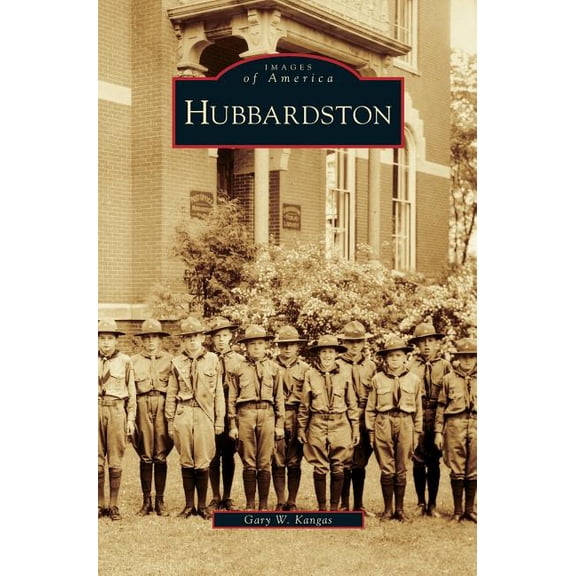 $2447current price $24.47, Was $29.45$29.45
Hubbardston
For Now, We Have Been Spared, (Hardcover) $33.29
 $3329current price $33.29
For Now, We Have Been Spared, (Hardcover)
The Man At The Table, (Hardcover) $26.99
 $2699current price $26.99
The Man At The Table, (Hardcover)
Gary Burnison: Love, Hope, & Leadership (Hardcover) $22.49
 $2249current price $22.49
Gary Burnison: Love, Hope, & Leadership (Hardcover)
15 out of 5 Stars. 1 reviewsDanville Revisited (Hardcover) $24.47 Was $31.31
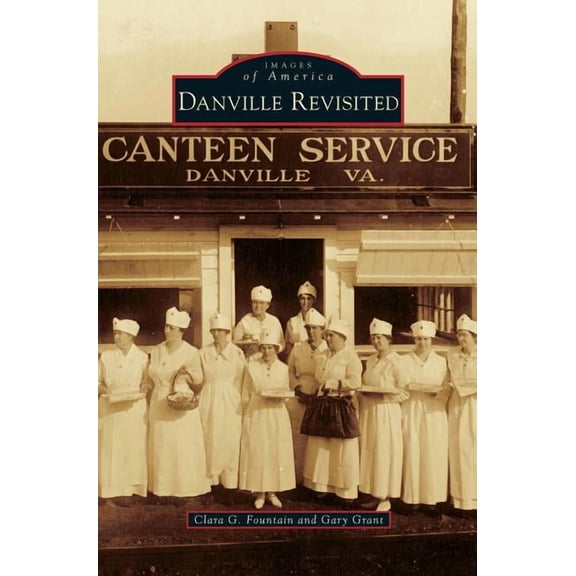 $2447current price $24.47, Was $31.31$31.31
Danville Revisited (Hardcover)
Tuscobia In Your Mind, (Hardcover) $28.99
 $2899current price $28.99
Tuscobia In Your Mind, (Hardcover)
Milton $31.99
 $3199current price $31.99
Milton
Soul Stories (Hardcover) $11.98
 $1198current price $11.98
Soul Stories (Hardcover)
Class of '65 Rock on $19.99
 $1999current price $19.99
Class of '65 Rock on
Not My Time, (Hardcover) $12.92 Was $29.99
 $1292current price $12.92, Was $29.99$29.99
Not My Time, (Hardcover)



Customer ratings & reviews
0 ratings|0 reviews
This item does not have any reviews yet

Related pages
- Lost Tribe
- Simon Shoykhet
- Most Dangerous Place Earth
- Happiest Place Earth
- Lost Symbol Dan Brown
- Simon Morley
- Visionary & Metaphysical Novels
- Europe Historical Teen & Young Adult Books
- General Historical Teen & Young Adult Books
- Exploration & Discovery Historical Teen & Young Adult Books
- Magical Realism Teen & Young Adult Books
- Modern Historical Teen & Young Adult Books