


What Comes After Farce? : Art and Criticism at a Time of Debacle (Hardcover)
(No ratings yet)
Key item features
Surveying the artistic and cultural scene in the era of Trump
In a world where truth is cast in doubt and shame has gone missing, what are artists and critics on the left to do? How to demystify a political order that laughs away its own contradictions? How to mock leaders who thrive on the absurd? And why, in any event, offer more outrage to a media economy that feeds on the same?
Such questions are grist to the mill of Hal Foster, who, in What Comes after Farce?, delves into recent developments in art, criticism, and fiction under the current regime of war, surveillance, extreme inequality, and media disruption. Concerned first with the cultural politics of emergency since 9/11, including the use and abuse of trauma, conspiracy, and kitsch, he moves on to consider the neoliberal makeover of aesthetic forms and art institutions during the same period. A final section surveys signal transformations in art, film, and writing. Among the phenomena explored are machine vision (images produced by machines for other machines without a human interface), operational images (images that do not represent the world so much as intervene in it), and the algorithmic scripting of information that pervades our everyday lives.
If all this sounds dire, it is. In many respects we look out on a world that has moved, not only politically but also technologically, beyond our control. Yet Foster also sees possibility in the current debacle: the possibility to pressure the cracks in this order, to turn emergency into change.
In a world where truth is cast in doubt and shame has gone missing, what are artists and critics on the left to do? How to demystify a political order that laughs away its own contradictions? How to mock leaders who thrive on the absurd? And why, in any event, offer more outrage to a media economy that feeds on the same?
Such questions are grist to the mill of Hal Foster, who, in What Comes after Farce?, delves into recent developments in art, criticism, and fiction under the current regime of war, surveillance, extreme inequality, and media disruption. Concerned first with the cultural politics of emergency since 9/11, including the use and abuse of trauma, conspiracy, and kitsch, he moves on to consider the neoliberal makeover of aesthetic forms and art institutions during the same period. A final section surveys signal transformations in art, film, and writing. Among the phenomena explored are machine vision (images produced by machines for other machines without a human interface), operational images (images that do not represent the world so much as intervene in it), and the algorithmic scripting of information that pervades our everyday lives.
If all this sounds dire, it is. In many respects we look out on a world that has moved, not only politically but also technologically, beyond our control. Yet Foster also sees possibility in the current debacle: the possibility to pressure the cracks in this order, to turn emergency into change.
Specs
- Book formatHardcover
- Fiction/nonfictionNon-Fiction
- Pub date2020-05-19
- Pages224
- Reading levelGeneral
- EditionIllustrated edition
Current price is USD$20.19
Price when purchased online
- Free shipping
 Free 30-day returns
How do you want your item?
Columbus, 43215
Arrives between Apr 16 - Apr 22
|
Sold and shipped by newbookdeals
4.557385759829968 stars out of 5, based on 1882 seller reviews(4.6)1882 seller reviews

Free 30-day returns
More seller options (1)
Starting from $20.77
About this item
Product details
Surveying the artistic and cultural scene in the era of Trump In a world where truth is cast in doubt and shame has gone missing, what are artists and critics on the left to do? How to demystify a political order that laughs away its own contradictions? How to mock leaders who thrive on the absurd? And why, in any event, offer more outrage to a media economy that feeds on the same? Such questions are grist to the mill of Hal Foster, who, in What Comes after Farce?, delves into recent developments in art, criticism, and fiction under the current regime of war, surveillance, extreme inequality, and media disruption. Concerned first with the cultural politics of emergency since 9/11, including the use and abuse of trauma, conspiracy, and kitsch, he moves on to consider the neoliberal makeover of aesthetic forms and art institutions during the same period. A final section surveys signal transformations in art, film, and writing. Among the phenomena explored are machine vision (images produced by machines for other machines without a human interface), operational images (images that do not represent the world so much as intervene in it), and the algorithmic scripting of information that pervades our everyday lives. If all this sounds dire, it is. In many respects we look out on a world that has moved, not only politically but also technologically, beyond our control. Yet Foster also sees possibility in the current debacle: the possibility to pressure the cracks in this order, to turn emergency into change.
Surveying the artistic and cultural scene in the era of Trump
In a world where truth is cast in doubt and shame has gone missing, what are artists and critics on the left to do? How to demystify a political order that laughs away its own contradictions? How to mock leaders who thrive on the absurd? And why, in any event, offer more outrage to a media economy that feeds on the same?
Such questions are grist to the mill of Hal Foster, who, in What Comes after Farce?, delves into recent developments in art, criticism, and fiction under the current regime of war, surveillance, extreme inequality, and media disruption. Concerned first with the cultural politics of emergency since 9/11, including the use and abuse of trauma, conspiracy, and kitsch, he moves on to consider the neoliberal makeover of aesthetic forms and art institutions during the same period. A final section surveys signal transformations in art, film, and writing. Among the phenomena explored are machine vision (images produced by machines for other machines without a human interface), operational images (images that do not represent the world so much as intervene in it), and the algorithmic scripting of information that pervades our everyday lives.
If all this sounds dire, it is. In many respects we look out on a world that has moved, not only politically but also technologically, beyond our control. Yet Foster also sees possibility in the current debacle: the possibility to pressure the cracks in this order, to turn emergency into change.
In a world where truth is cast in doubt and shame has gone missing, what are artists and critics on the left to do? How to demystify a political order that laughs away its own contradictions? How to mock leaders who thrive on the absurd? And why, in any event, offer more outrage to a media economy that feeds on the same?
Such questions are grist to the mill of Hal Foster, who, in What Comes after Farce?, delves into recent developments in art, criticism, and fiction under the current regime of war, surveillance, extreme inequality, and media disruption. Concerned first with the cultural politics of emergency since 9/11, including the use and abuse of trauma, conspiracy, and kitsch, he moves on to consider the neoliberal makeover of aesthetic forms and art institutions during the same period. A final section surveys signal transformations in art, film, and writing. Among the phenomena explored are machine vision (images produced by machines for other machines without a human interface), operational images (images that do not represent the world so much as intervene in it), and the algorithmic scripting of information that pervades our everyday lives.
If all this sounds dire, it is. In many respects we look out on a world that has moved, not only politically but also technologically, beyond our control. Yet Foster also sees possibility in the current debacle: the possibility to pressure the cracks in this order, to turn emergency into change.
info:
We aim to show you accurate product information. Manufacturers, suppliers and others provide what you see here, and we have not verified it.
Specifications
Book format
Hardcover
Fiction/nonfiction
Non-Fiction
Genre
Art, Music, and Photography
Pub date
2020-05-19
Warranty
Warranty information
Please be aware that the warranty terms on items offered for sale by third party Marketplace sellers may differ from those displayed in this section (if any). To confirm warranty terms on an item offered for sale by a third party Marketplace seller, please use the 'Contact seller' feature on the third party Marketplace seller's information page and request the item's warranty terms prior to purchase.
Similar items you might like
Based on what customers bought
Loved One, (Hardcover) $19.25
 $1925current price $19.25
Loved One, (Hardcover)
Flesh: A Novel (Booker Prize Winner), (Hardcover) $23.26
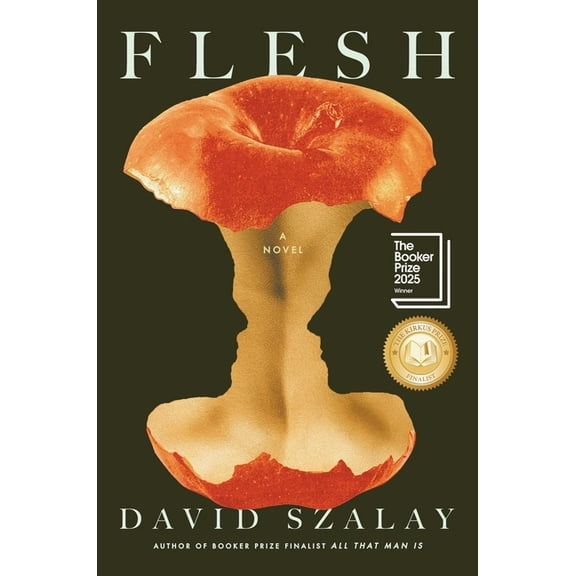 $2326current price $23.26
Flesh: A Novel (Booker Prize Winner), (Hardcover)
Best seller Alchemised (Hardcover) $24.48
Best seller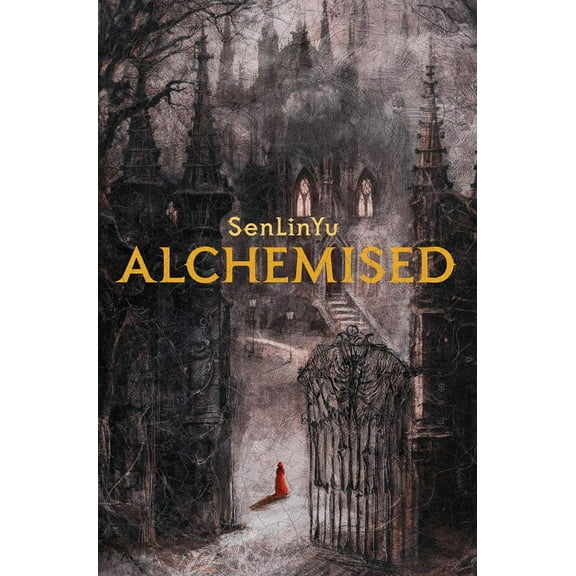 $2448current price $24.48
Alchemised (Hardcover)
1344.6 out of 5 Stars. 134 reviewsCreatures That Time Forgot, (Hardcover) $21.86
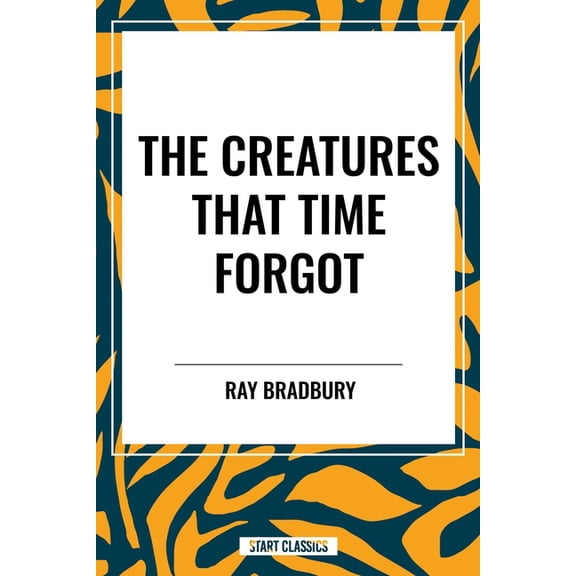 $2186current price $21.86
Creatures That Time Forgot, (Hardcover)
Best seller The Intruder (Hardcover) $13.99
Best seller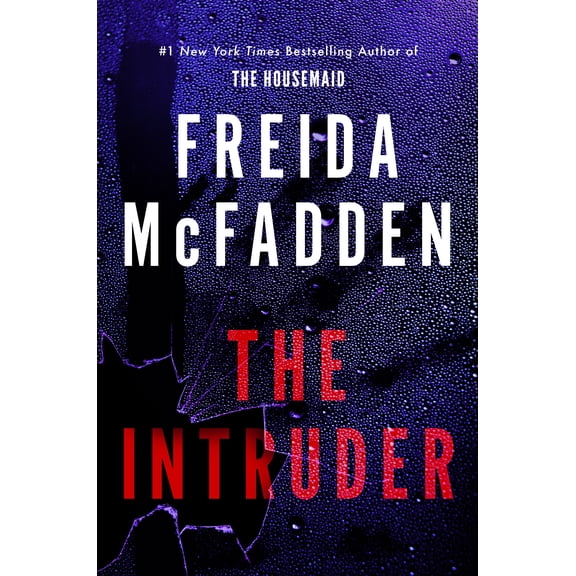 $1399current price $13.99
The Intruder (Hardcover)
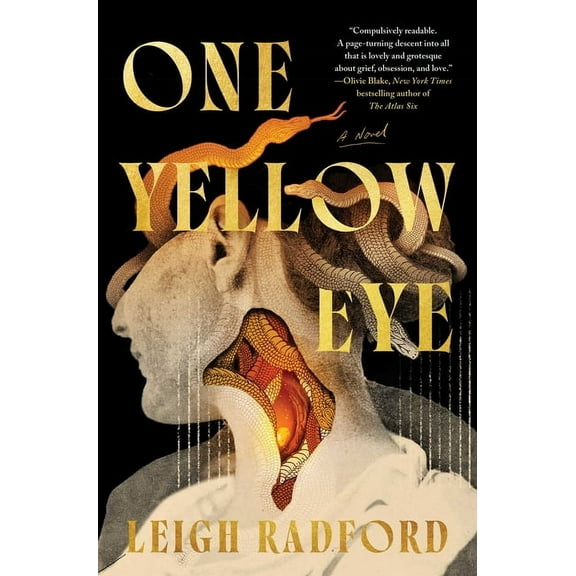
714.6 out of 5 Stars. 71 reviewsOne Yellow Eye, (Hardcover) $17.06
 $1706current price $17.06
One Yellow Eye, (Hardcover)
Best seller Lights Out Collector's Edition: An into Darkness Novel (Hardcover) $24.25
Best seller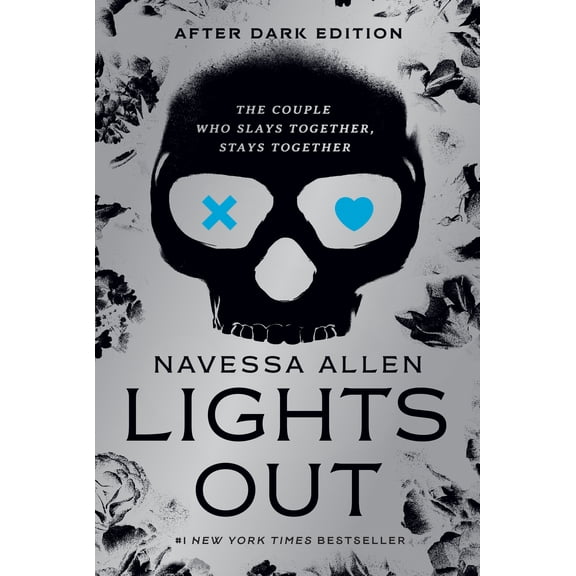 $2425current price $24.25
Lights Out Collector's Edition: An into Darkness Novel (Hardcover)
414.6 out of 5 Stars. 41 reviewsBest seller Wild Reverence: A Novel (Hardcover) $14.79
Best seller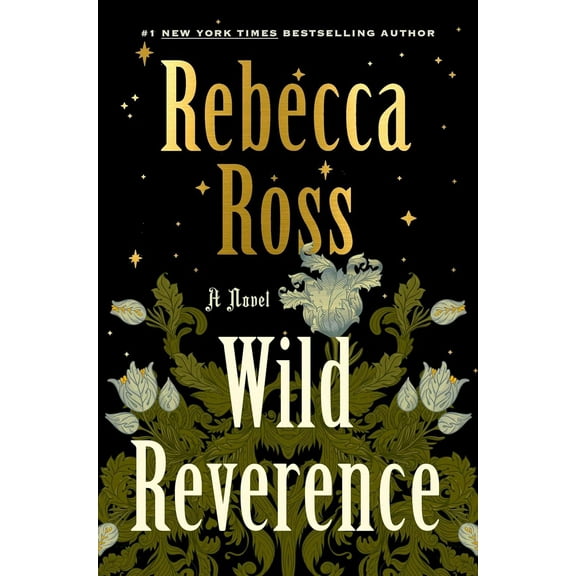 $1479current price $14.79
Wild Reverence: A Novel (Hardcover)
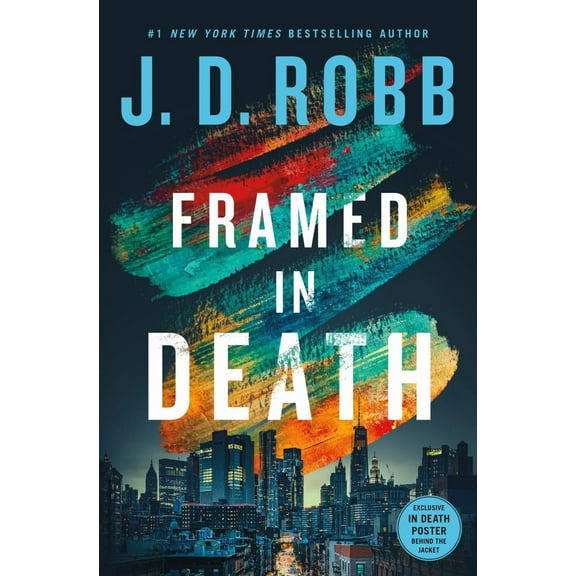
54.8 out of 5 Stars. 5 reviewsFramed in Death (Hardcover) $14.30
 $1430current price $14.30
Framed in Death (Hardcover)
474.9 out of 5 Stars. 47 reviewsBasic Art Breuer, (Hardcover) $18.65
 $1865current price $18.65
Basic Art Breuer, (Hardcover)
Bad New Days: Art, Criticism, Emergency, (Paperback) $32.21
 2 optionsAvailable in additional 2 options$3221current price $32.21
Bad New Days: Art, Criticism, Emergency, (Paperback)
A Guardian and a Thief: Oprah's Book Club: A Novel (Hardcover) $14.10 Was $23.34
 $1410current price $14.10, Was $23.34$23.34
A Guardian and a Thief: Oprah's Book Club: A Novel (Hardcover)
15 out of 5 Stars. 1 reviewsPre-Owned She Didn't See It Coming: A Novel, 9780593832448, 0593832442, Hardcover, $13.13
 $1313current price $13.13
Pre-Owned She Didn't See It Coming: A Novel, 9780593832448, 0593832442, Hardcover,
Realities The Light Runner, Book 1, (Paperback) $19.89
 $1989current price $19.89
Realities The Light Runner, Book 1, (Paperback)
Pre-Owned The Book of Answers (Hardcover) 0316449911 9780316449915 $7.31 Was $8.84
 $731current price $7.31, Was $8.84$8.84
Pre-Owned The Book of Answers (Hardcover) 0316449911 9780316449915
Art, the Critics, and You, (Hardcover) $31.95
 $3195current price $31.95
Art, the Critics, and You, (Hardcover)
Dusk, (Hardcover) $19.06
 $1906current price $19.06
Dusk, (Hardcover)
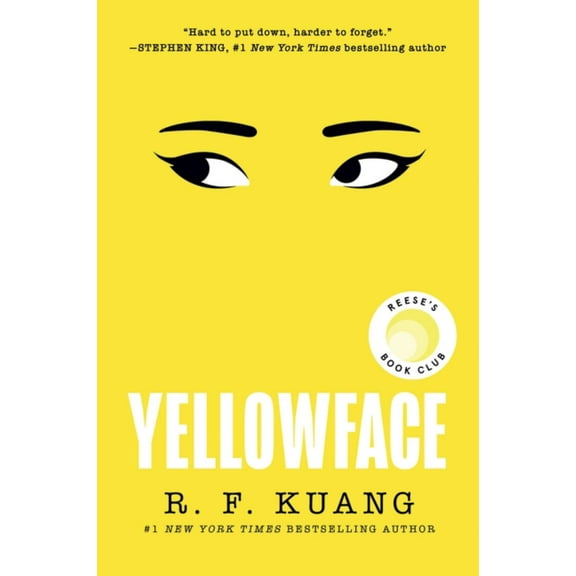
Yellowface: A Reese's Book Club Pick (Paperback) $6.33 Was $8.67
 $633current price $6.33, Was $8.67$8.67
Yellowface: A Reese's Book Club Pick (Paperback)
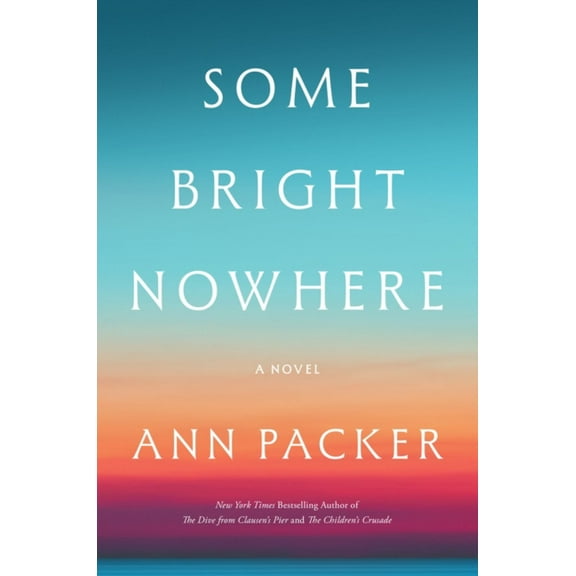
14 out of 5 Stars. 1 reviewsSome Bright Nowhere: A Novel (Hardcover) $18.65 Was $23.04
 $1865current price $18.65, Was $23.04$23.04
Some Bright Nowhere: A Novel (Hardcover)
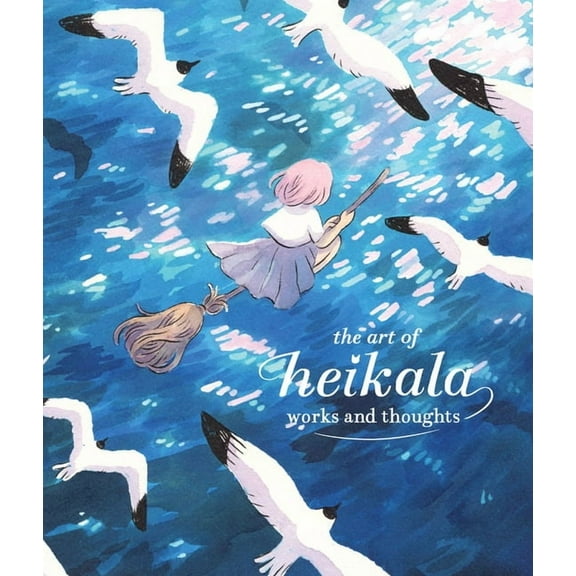
Heikala: The Art of Heikala (Hardcover) $22.24
 $2224current price $22.24
Heikala: The Art of Heikala (Hardcover)
Customer ratings & reviews
0 ratings|0 reviews
This item does not have any reviews yet

Related pages
- Talk Action
- Dr Kevin F Whitten
- Trinking
- Ron Emoff
- Best Sellers In Dark Humor Literature Fiction
- 3000 Years Later
- General People & Places Teen & Young Adult Books
- Europe People & Places Teen & Young Adult Books
- Middle East People & Places Teen & Young Adult Books
- Magazines
- Middle East Historical Teen & Young Adult Books
- Teen & Young Adult Aviation Books