


Hero image 0 of Environmental History of the Northeast: Cape Cod : An Environmental History of a Fragile Ecosystem (Paperback), 0 of 3
Environmental History of the Northeast: Cape Cod : An Environmental History of a Fragile Ecosystem (Paperback)
(No ratings yet)
Key item features
To many, Cape Cod represents the classic setting for an American summer vacation. Attracting seasonal tourists with picturesque beaches and abundant seafood, the Cape has held a place in our national imagination for almost two hundred years. People have been drawn to its beauty and resources since Native Americans wandered up its long sandy peninsula some 12,000 years ago, while writers such as Henry David Thoreau and Norman Mailer have celebrated its mystery and allure. But, despite its idealized image, Cape Cod has a long history of scarcity and an increasingly evident fragility.
John T. Cumbler's book offers an environmental, social, and economic history of Cape Cod told through the experiences of residents as well as visitors. He notes that over the past four hundred years the Cape has experienced three regimes of resource utilization. The first regime of Native Americans who lived relatively lightly on the land was supplanted by European settlers who focused on production and extraction. This second regime began in the age of sail but declined through the age of steam as the soil and seas failed to yield the resources necessary to sustain continuing growth. Environmental and then economic crises during the second half of the nineteenth century eventually gave way to the third regime of tourism and recreation. But this regime has its own environmental costs, as residents have learned over the last half century.
Although the Cape remains a special place, its history of resource scarcity and its attempts to deal with that scarcity offer useful lessons for anyone addressing similar issues around the globe.
John T. Cumbler's book offers an environmental, social, and economic history of Cape Cod told through the experiences of residents as well as visitors. He notes that over the past four hundred years the Cape has experienced three regimes of resource utilization. The first regime of Native Americans who lived relatively lightly on the land was supplanted by European settlers who focused on production and extraction. This second regime began in the age of sail but declined through the age of steam as the soil and seas failed to yield the resources necessary to sustain continuing growth. Environmental and then economic crises during the second half of the nineteenth century eventually gave way to the third regime of tourism and recreation. But this regime has its own environmental costs, as residents have learned over the last half century.
Although the Cape remains a special place, its history of resource scarcity and its attempts to deal with that scarcity offer useful lessons for anyone addressing similar issues around the globe.
Specs
- Book formatPaperback
- Fiction/nonfictionNon-Fiction
- GenreHistory
- Pub date2014-11-05
- Pages296
- Number in series1
Current price is USD$32.07
Price when purchased online
- Free shipping
 Free 30-day returns
How do you want your item?
Columbus, 43215
Arrives between Apr 17 - Apr 22
|
Sold and shipped by newbookdeals
4.557855626326964 stars out of 5, based on 1884 seller reviews(4.6)1884 seller reviews

Free 30-day returns
About this item
Product details
To many, Cape Cod represents the classic setting for an American summer vacation. Attracting seasonal tourists with picturesque beaches and abundant seafood, the Cape has held a place in our national imagination for almost two hundred years. People have been drawn to its beauty and resources since Native Americans wandered up its long sandy peninsula some 12,000 years ago, while writers such as Henry David Thoreau and Norman Mailer have celebrated its mystery and allure. But, despite its idealized image, Cape Cod has a long history of scarcity and an increasingly evident fragility. John T. Cumbler's book offers an environmental, social, and economic history of Cape Cod told through the experiences of residents as well as visitors. He notes that over the past four hundred years the Cape has experienced three regimes of resource utilization. The first regime of Native Americans who lived relatively lightly on the land was supplanted by European settlers who focused on production and extraction. This second regime began in the age of sail but declined through the age of steam as the soil and seas failed to yield the resources necessary to sustain continuing growth. Environmental and then economic crises during the second half of the nineteenth century eventually gave way to the third regime of tourism and recreation. But this regime has its own environmental costs, as residents have learned over the last half century. Although the Cape remains a special place, its history of resource scarcity and its attempts to deal with that scarcity offer useful lessons for anyone addressing similar issues around the globe.
To many, Cape Cod represents the classic setting for an American summer vacation. Attracting seasonal tourists with picturesque beaches and abundant seafood, the Cape has held a place in our national imagination for almost two hundred years. People have been drawn to its beauty and resources since Native Americans wandered up its long sandy peninsula some 12,000 years ago, while writers such as Henry David Thoreau and Norman Mailer have celebrated its mystery and allure. But, despite its idealized image, Cape Cod has a long history of scarcity and an increasingly evident fragility.
John T. Cumbler's book offers an environmental, social, and economic history of Cape Cod told through the experiences of residents as well as visitors. He notes that over the past four hundred years the Cape has experienced three regimes of resource utilization. The first regime of Native Americans who lived relatively lightly on the land was supplanted by European settlers who focused on production and extraction. This second regime began in the age of sail but declined through the age of steam as the soil and seas failed to yield the resources necessary to sustain continuing growth. Environmental and then economic crises during the second half of the nineteenth century eventually gave way to the third regime of tourism and recreation. But this regime has its own environmental costs, as residents have learned over the last half century.
Although the Cape remains a special place, its history of resource scarcity and its attempts to deal with that scarcity offer useful lessons for anyone addressing similar issues around the globe.
John T. Cumbler's book offers an environmental, social, and economic history of Cape Cod told through the experiences of residents as well as visitors. He notes that over the past four hundred years the Cape has experienced three regimes of resource utilization. The first regime of Native Americans who lived relatively lightly on the land was supplanted by European settlers who focused on production and extraction. This second regime began in the age of sail but declined through the age of steam as the soil and seas failed to yield the resources necessary to sustain continuing growth. Environmental and then economic crises during the second half of the nineteenth century eventually gave way to the third regime of tourism and recreation. But this regime has its own environmental costs, as residents have learned over the last half century.
Although the Cape remains a special place, its history of resource scarcity and its attempts to deal with that scarcity offer useful lessons for anyone addressing similar issues around the globe.
info:
We aim to show you accurate product information. Manufacturers, suppliers and others provide what you see here, and we have not verified it.
Specifications
Book format
Paperback
Fiction/nonfiction
Non-Fiction
Genre
History
Pub date
2014-11-05
Warranty
Warranty information
Please be aware that the warranty terms on items offered for sale by third party Marketplace sellers may differ from those displayed in this section (if any). To confirm warranty terms on an item offered for sale by a third party Marketplace seller, please use the 'Contact seller' feature on the third party Marketplace seller's information page and request the item's warranty terms prior to purchase.
Similar items you might like
Based on what customers bought
Truro--Cape Cod; or, Land marks and sea marks, (Paperback) $31.74
 $3174current price $31.74
Truro--Cape Cod; or, Land marks and sea marks, (Paperback)
Home to Green Creek At Morning's Light, (Paperback) $21.12
 $2112current price $21.12
Home to Green Creek At Morning's Light, (Paperback)
Environmental History of the Northeast Hill Farms: Surviving Modern Times in Early Twentieth-Century Vermont, (Paperback) $33.84
 $3384current price $33.84
Environmental History of the Northeast Hill Farms: Surviving Modern Times in Early Twentieth-Century Vermont, (Paperback)
Ceres: Rutgers Studies in History New Jersey's Natures: Environmental Histories of the Garden State, (Paperback) $29.95
 $2995current price $29.95
Ceres: Rutgers Studies in History New Jersey's Natures: Environmental Histories of the Garden State, (Paperback)
Environmental History of the Northeast Breaking the Banks: Representations and Realities in New England Fisheries, 1866-1966, (Paperback) $38.66
 $3866current price $38.66
Environmental History of the Northeast Breaking the Banks: Representations and Realities in New England Fisheries, 1866-1966, (Paperback)
Environmental History and the American S Atlantic Environments and the American South, (Paperback) $32.95
 $3295current price $32.95
Environmental History and the American S Atlantic Environments and the American South, (Paperback)
The Natural History of Man (Paperback) $33.89
 $3389current price $33.89
The Natural History of Man (Paperback)
Natural Attachments: The Domestication of American Environmentalism, 1920-1970, (Paperback) $29.93
 $2993current price $29.93
Natural Attachments: The Domestication of American Environmentalism, 1920-1970, (Paperback)
Environmental History and the American S Environmental History and the American South: A Reader, (Paperback) $32.78
 $3278current price $32.78
Environmental History and the American S Environmental History and the American South: A Reader, (Paperback)
Narrative of an Exploratory Tour: to the North-east Colony of the Cape of Good Hope, (Paperback) $36.90
 $3690current price $36.90
Narrative of an Exploratory Tour: to the North-east Colony of the Cape of Good Hope, (Paperback)
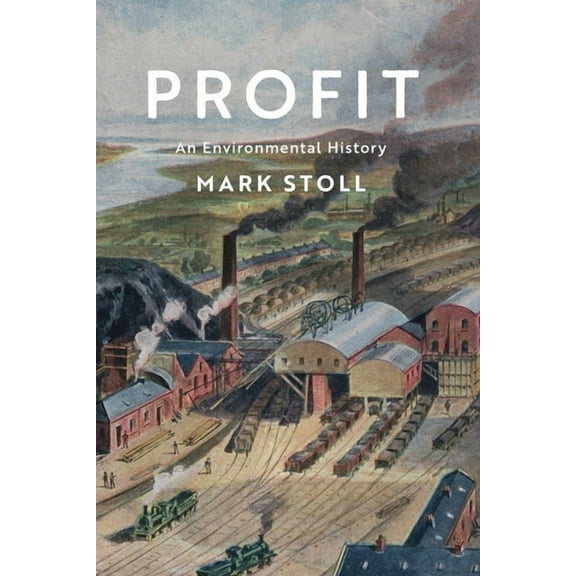
Environmental History Profit: An Environmental History, (Paperback) $24.92
 $2492current price $24.92
Environmental History Profit: An Environmental History, (Paperback)
Environmental History of the Northeast Democratic Spaces: Land Preservation in New England, 1850-2010, (Paperback) $36.78
 $3678current price $36.78
Environmental History of the Northeast Democratic Spaces: Land Preservation in New England, 1850-2010, (Paperback)
Harper Perennial Deluxe Editions The Bean Trees, Book 10, (Paperback) $17.09
 $1709current price $17.09
Harper Perennial Deluxe Editions The Bean Trees, Book 10, (Paperback)
A Natural History of Quiet Waters : Swamps and Wetlands of the Mid-Atlantic Coast (Paperback) $16.80 Was $18.85
 $1680current price $16.80, Was $18.85$18.85
A Natural History of Quiet Waters : Swamps and Wetlands of the Mid-Atlantic Coast (Paperback)
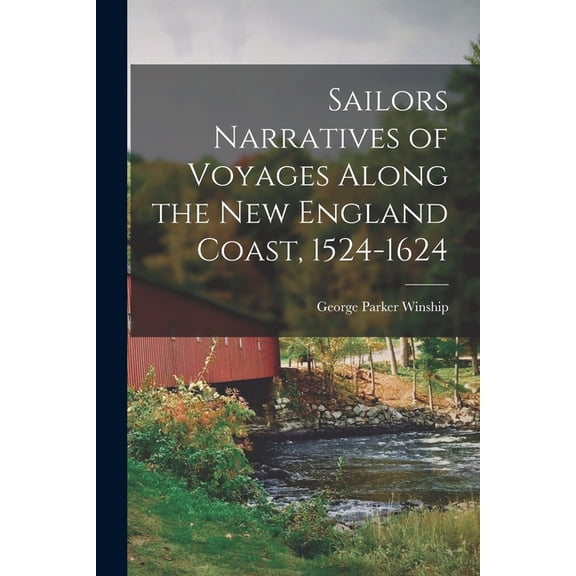
Sailors Narratives of Voyages Along the New England Coast, 1524-1624 (Paperback) $23.95
 $2395current price $23.95
Sailors Narratives of Voyages Along the New England Coast, 1524-1624 (Paperback)
The Song of the Blue Bottle Tree (Paperback) $11.31
 $1131current price $11.31
The Song of the Blue Bottle Tree (Paperback)
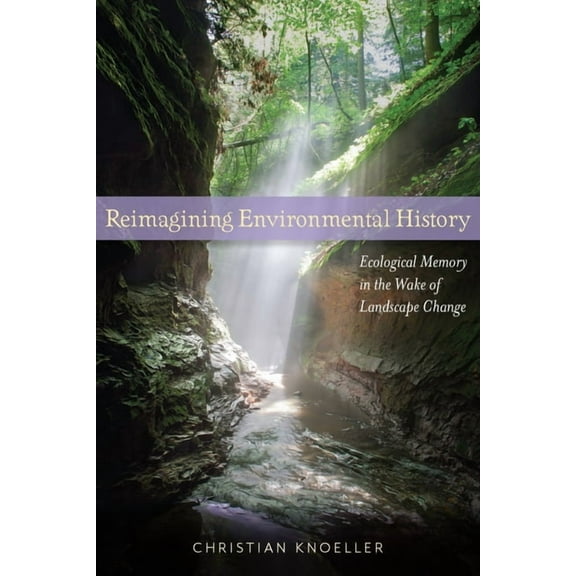
Reimagining Environmental History : Ecological Memory in the Wake of Landscape Change (Paperback) $36.78
 2 optionsAvailable in additional 2 options$3678current price $36.78
Reimagining Environmental History : Ecological Memory in the Wake of Landscape Change (Paperback)
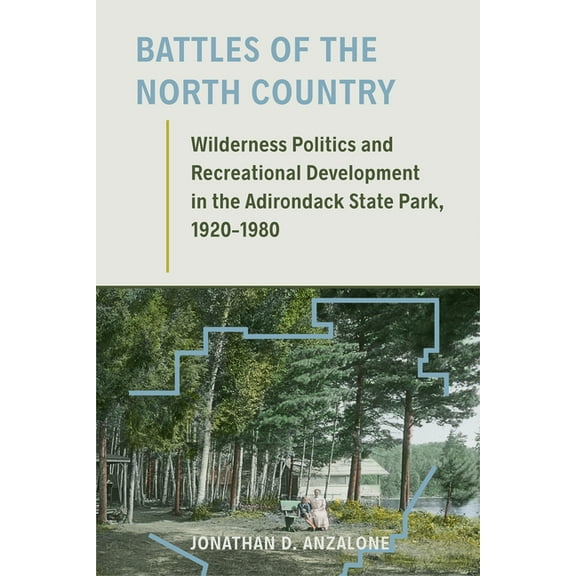
Environmental History of the Northeast Battles of the North Country: Wilderness Politics and Recreational Development in the Adirondack State Park, 1920-1980, (Paperback) $40.54
 $4054current price $40.54
Environmental History of the Northeast Battles of the North Country: Wilderness Politics and Recreational Development in the Adirondack State Park, 1920-1980, (Paperback)
An outline history of Orange County (Paperback) $32.00
 $3200current price $32.00
An outline history of Orange County (Paperback)
The Indian Heritage of New Hampshire and Northern New England (Paperback) $33.50
 $3350current price $33.50
The Indian Heritage of New Hampshire and Northern New England (Paperback)
Customer ratings & reviews
0 ratings|0 reviews
This item does not have any reviews yet

Related pages
- Anchorage Tourism
- Sand Utah
- Bahamas Local
- Best Sellers In South Pacific Travel Guides
- Town Alaska
- Maine Coastal
- Caribbean & West Indies Travel Books, Maps & Guides
- Hikes & Walks Travel Books, Maps & Guides
- Rough Guides Travel Books, Maps & Guides
- Australia & Oceania Travel Books, Maps & Guides
- Restaurants Travel Books, Maps & Guides
- Cruise & Boat Travel Books, Maps & Guides