

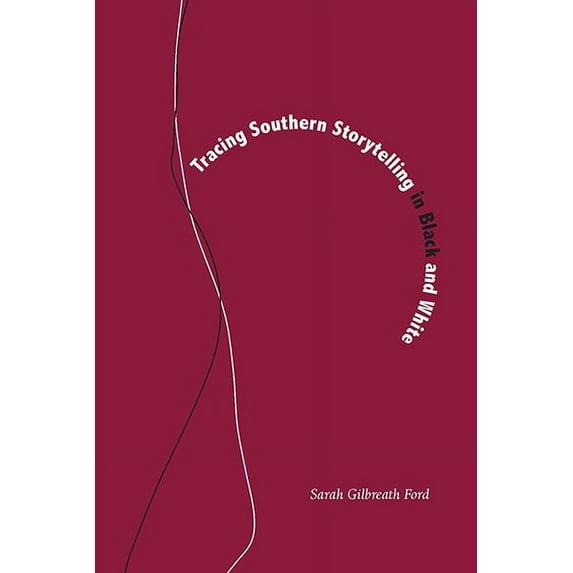
Hero image 0 of Tracing Southern Storytelling in Black and White (Edition 1) (Hardcover), 0 of 1
Tracing Southern Storytelling in Black and White (Edition 1) (Hardcover)
(No ratings yet)
Key item features
Explores how both black and white southern writers such as Joel Chandler Harris, Charles Chesnutt, Zora Neale Hurston, William Faulkner, Eudora Welty, Ralph Ellison, Ellen Douglas, and Ernest Gaines have employed oral storytelling in literature
Tracing Southern Storytelling in Black and White is a study of the historical use of oral storytelling by southern writers in written works. In each chapter, Sarah Gilbreath Ford pairs a white and an African American writer to highlight points of confluence in black and white southern oral traditions. She argues that the connections between white and African American southern writers run deeper than critics have yet explored, and she uses textual comparisons to examine the racial mixing of oral culture.
On porches, in kitchens, and on the pages of their work, black and white southerners exchanged not just stories but strategies for telling stories. As a boy, Joel Chandler Harris listened to the stories of African American slaves, and he devised a framework to turn the oral stories into written ones. Harris’s use of the frame structure influenced how Charles Chesnutt recorded oral stories, but it led Alice Walker to complain that her heritage had been stolen. Mark Twain listened to African American storytellers as a child. His use of oral dialects then impacts how Ralph Ellison and William Faulkner employ oral storytelling and how Toni Morrison later writes in response to Faulkner. The interactions are not linear, not a chain of influence, but a network of interactions, borrowings, and revisions.
Ford’s pairings lead to new readings that reveal how the writers employ similar strategies in their narratives, due in part to shared historical context. While Zora Neale Hurston and William Faulkner, for example, use oral storytelling in the 1930s to examine the fear of racial mixing, Ellen Douglas and Ernest Gaines use it in the 1970s to build bridges between the races. Exploring the cultural crossing that occurs in the use of oral storytelling, Ford offers a different view of this common strategy in southern narrative and a new perspective on how culture is shared.
Tracing Southern Storytelling in Black and White is a study of the historical use of oral storytelling by southern writers in written works. In each chapter, Sarah Gilbreath Ford pairs a white and an African American writer to highlight points of confluence in black and white southern oral traditions. She argues that the connections between white and African American southern writers run deeper than critics have yet explored, and she uses textual comparisons to examine the racial mixing of oral culture.
On porches, in kitchens, and on the pages of their work, black and white southerners exchanged not just stories but strategies for telling stories. As a boy, Joel Chandler Harris listened to the stories of African American slaves, and he devised a framework to turn the oral stories into written ones. Harris’s use of the frame structure influenced how Charles Chesnutt recorded oral stories, but it led Alice Walker to complain that her heritage had been stolen. Mark Twain listened to African American storytellers as a child. His use of oral dialects then impacts how Ralph Ellison and William Faulkner employ oral storytelling and how Toni Morrison later writes in response to Faulkner. The interactions are not linear, not a chain of influence, but a network of interactions, borrowings, and revisions.
Ford’s pairings lead to new readings that reveal how the writers employ similar strategies in their narratives, due in part to shared historical context. While Zora Neale Hurston and William Faulkner, for example, use oral storytelling in the 1930s to examine the fear of racial mixing, Ellen Douglas and Ernest Gaines use it in the 1970s to build bridges between the races. Exploring the cultural crossing that occurs in the use of oral storytelling, Ford offers a different view of this common strategy in southern narrative and a new perspective on how culture is shared.
Specs
- Book formatHardcover
- Fiction/nonfictionNon-Fiction
- GenreHistory
- Pub date2014-10-15
- Pages168
- SubgenreAfrican American & Black
Current price is USD$43.15
Price when purchased online
- Free shipping
 Free 30-day returns
How do you want your item?
Columbus, 43215
Arrives between Apr 16 - Apr 22
|
Sold and shipped by newbookdeals
4.557385759829968 stars out of 5, based on 1882 seller reviews(4.6)1882 seller reviews

Free 30-day returns
About this item
Product details
Explores how both black and white southern writers such as Joel Chandler Harris, Charles Chesnutt, Zora Neale Hurston, William Faulkner, Eudora Welty, Ralph Ellison, Ellen Douglas, and Ernest Gaines have employed oral storytelling in literature
Explores how both black and white southern writers such as Joel Chandler Harris, Charles Chesnutt, Zora Neale Hurston, William Faulkner, Eudora Welty, Ralph Ellison, Ellen Douglas, and Ernest Gaines have employed oral storytelling in literature
Tracing Southern Storytelling in Black and White is a study of the historical use of oral storytelling by southern writers in written works. In each chapter, Sarah Gilbreath Ford pairs a white and an African American writer to highlight points of confluence in black and white southern oral traditions. She argues that the connections between white and African American southern writers run deeper than critics have yet explored, and she uses textual comparisons to examine the racial mixing of oral culture.
On porches, in kitchens, and on the pages of their work, black and white southerners exchanged not just stories but strategies for telling stories. As a boy, Joel Chandler Harris listened to the stories of African American slaves, and he devised a framework to turn the oral stories into written ones. Harris’s use of the frame structure influenced how Charles Chesnutt recorded oral stories, but it led Alice Walker to complain that her heritage had been stolen. Mark Twain listened to African American storytellers as a child. His use of oral dialects then impacts how Ralph Ellison and William Faulkner employ oral storytelling and how Toni Morrison later writes in response to Faulkner. The interactions are not linear, not a chain of influence, but a network of interactions, borrowings, and revisions.
Ford’s pairings lead to new readings that reveal how the writers employ similar strategies in their narratives, due in part to shared historical context. While Zora Neale Hurston and William Faulkner, for example, use oral storytelling in the 1930s to examine the fear of racial mixing, Ellen Douglas and Ernest Gaines use it in the 1970s to build bridges between the races. Exploring the cultural crossing that occurs in the use of oral storytelling, Ford offers a different view of this common strategy in southern narrative and a new perspective on how culture is shared.
Tracing Southern Storytelling in Black and White is a study of the historical use of oral storytelling by southern writers in written works. In each chapter, Sarah Gilbreath Ford pairs a white and an African American writer to highlight points of confluence in black and white southern oral traditions. She argues that the connections between white and African American southern writers run deeper than critics have yet explored, and she uses textual comparisons to examine the racial mixing of oral culture.
On porches, in kitchens, and on the pages of their work, black and white southerners exchanged not just stories but strategies for telling stories. As a boy, Joel Chandler Harris listened to the stories of African American slaves, and he devised a framework to turn the oral stories into written ones. Harris’s use of the frame structure influenced how Charles Chesnutt recorded oral stories, but it led Alice Walker to complain that her heritage had been stolen. Mark Twain listened to African American storytellers as a child. His use of oral dialects then impacts how Ralph Ellison and William Faulkner employ oral storytelling and how Toni Morrison later writes in response to Faulkner. The interactions are not linear, not a chain of influence, but a network of interactions, borrowings, and revisions.
Ford’s pairings lead to new readings that reveal how the writers employ similar strategies in their narratives, due in part to shared historical context. While Zora Neale Hurston and William Faulkner, for example, use oral storytelling in the 1930s to examine the fear of racial mixing, Ellen Douglas and Ernest Gaines use it in the 1970s to build bridges between the races. Exploring the cultural crossing that occurs in the use of oral storytelling, Ford offers a different view of this common strategy in southern narrative and a new perspective on how culture is shared.
info:
We aim to show you accurate product information. Manufacturers, suppliers and others provide what you see here, and we have not verified it.
Specifications
Book format
Hardcover
Fiction/nonfiction
Non-Fiction
Genre
History
Pub date
2014-10-15
Warranty
Warranty information
Please be aware that the warranty terms on items offered for sale by third party Marketplace sellers may differ from those displayed in this section (if any). To confirm warranty terms on an item offered for sale by a third party Marketplace seller, please use the 'Contact seller' feature on the third party Marketplace seller's information page and request the item's warranty terms prior to purchase.
Similar items you might like
Based on what customers bought
They See in Darkness, (Paperback) $27.63
 $2763current price $27.63
They See in Darkness, (Paperback)
The Music Is Black: A British Story, (Hardcover) $34.50
 $3450current price $34.50
The Music Is Black: A British Story, (Hardcover)
Pre-Owned Obsession in Death (Hardcover 9780399170874) by J D Robb $3.99 Was $5.54
 2 optionsAvailable in additional 2 options$399current price $3.99, Was $5.54$5.54
Pre-Owned Obsession in Death (Hardcover 9780399170874) by J D Robb
14 out of 5 Stars. 1 reviewsYale Younger Poets Mass for Shut-Ins: Volume 117, (Hardcover) $59.74
 $5974current price $59.74
Yale Younger Poets Mass for Shut-Ins: Volume 117, (Hardcover)
Best seller Burn Down Master's House, (Hardcover) $23.59
Best seller $2359current price $23.59
Burn Down Master's House, (Hardcover)
25 out of 5 Stars. 2 reviewsRevising Flannery O'Connor : Southern Literary Culture and the Problem of Female Authorship (Hardcover) $42.97
 $4297current price $42.97
Revising Flannery O'Connor : Southern Literary Culture and the Problem of Female Authorship (Hardcover)
The Librarians, (Hardcover) $23.87
 $2387current price $23.87
The Librarians, (Hardcover)
The Good Liar, (Hardcover) $21.36
 $2136current price $21.36
The Good Liar, (Hardcover)
Worse Than a Lie: A Beau Lee Cooper Novel, (Hardcover) $21.90
 $2190current price $21.90
Worse Than a Lie: A Beau Lee Cooper Novel, (Hardcover)
Tricia Levensel The Shadows Between Us: Dunkel, verführerisch, süchtig machend: Epi (Hardcover) $34.84
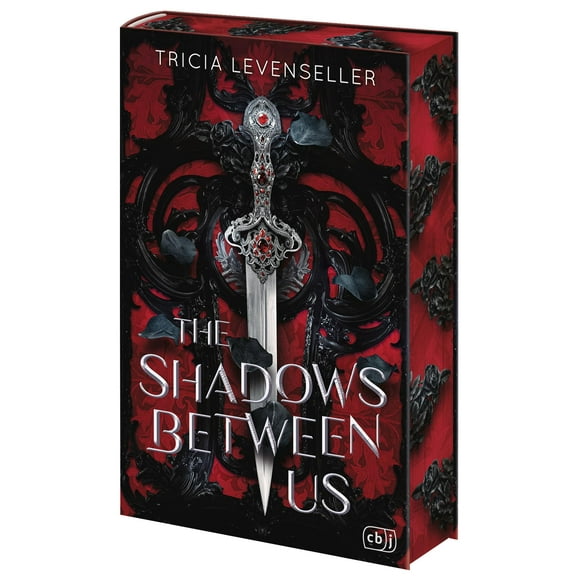 $3484current price $34.84
Tricia Levensel The Shadows Between Us: Dunkel, verführerisch, süchtig machend: Epi (Hardcover)
Fashion, Styles & Stories: The White Book (Hardcover) $44.74
 $4474current price $44.74
Fashion, Styles & Stories: The White Book (Hardcover)
Southern Literary Studies A Dark Rose: Love in Eudora Welty's Stories and Novels, (Hardcover) $44.37
 $4437current price $44.37
Southern Literary Studies A Dark Rose: Love in Eudora Welty's Stories and Novels, (Hardcover)
Bruegel in Black and White : Three Grisailles Reunited (Paperback) $24.05
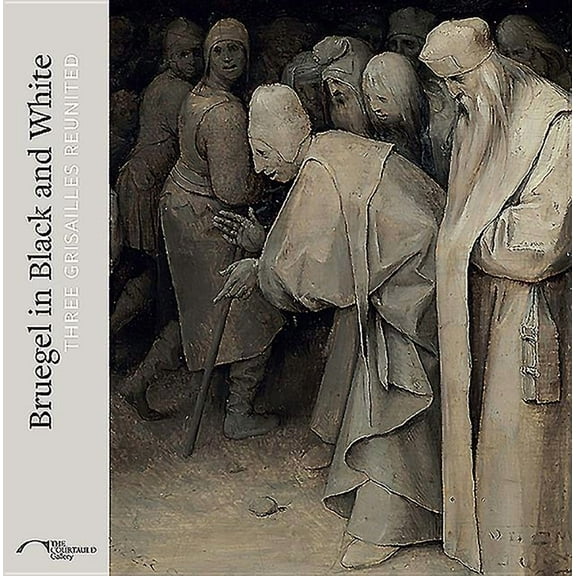 $2405current price $24.05
Bruegel in Black and White : Three Grisailles Reunited (Paperback)
Tales of the Glen Tales of The Glen, Book 1, (Hardcover) $27.49
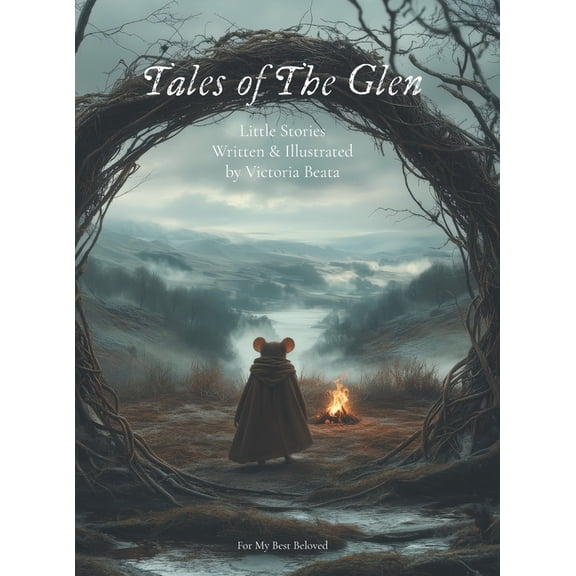 $2749current price $27.49
Tales of the Glen Tales of The Glen, Book 1, (Hardcover)
75 out of 5 Stars. 7 reviewsLove by the Book, (Hardcover) $26.49
 $2649current price $26.49
Love by the Book, (Hardcover)
The Follies and Fashions of Our Grandfathers (1807) (Hardcover) $39.95
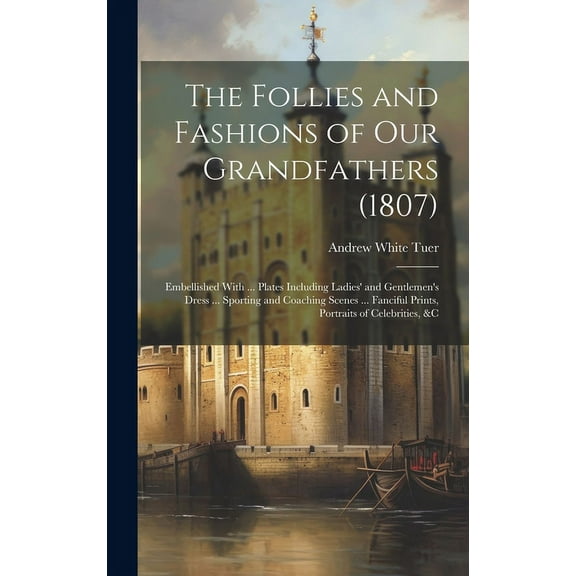 $3995current price $39.95
The Follies and Fashions of Our Grandfathers (1807) (Hardcover)
Black Country Stories (Hardcover) $58.70
 $5870current price $58.70
Black Country Stories (Hardcover)
Chronicles of the Black Company They Cry: Book Two of a Pitiless Rain, a Chronicle of the Black Company, Book 13, (Hardcover) $31.99
 $3199current price $31.99
Chronicles of the Black Company They Cry: Book Two of a Pitiless Rain, a Chronicle of the Black Company, Book 13, (Hardcover)
The Black and White Lines I, (Hardcover) $31.98
 $3198current price $31.98
The Black and White Lines I, (Hardcover)
Pre-Owned The Family Business 7: New Orleans (Hardcover) 1645565610 9781645565611 $12.92
 $1292current price $12.92
Pre-Owned The Family Business 7: New Orleans (Hardcover) 1645565610 9781645565611
Customer ratings & reviews
0 ratings|0 reviews
This item does not have any reviews yet
