Intersections : A Reading of Sade with Bataille, Blanchot, and Klossowski (Hardcover)
Key item features
Professor Gallop, acknowledging her debt to such writers as Friedrich Nietzsche and Roland Barthes, cites as the shaping principle of her work the central tenet of intertextuality—that a literary work is not a closed system which can be definitively characterized by reference either to its creator or to its beholder. Rather, reader, writer, and text meet, react, and interact in a performance of "polymorphous per-versity"—a performance which, Professor Gallop points out, finds a parodic analogue in the activities of Sade's distinguished libertines. Professor Gallop observes that Sade and the structuralists display a congruity of purpose, in that both take as their goal the destruction of the classical dichotomy, long enshrined at the heart of the humanist tradition, between the ideal and the material.
Working from these peculiar conjunctions of theory, purpose, and enactment—and from a distinctly feminist point of view—Professor Gallop moves freely among the texts of her four subjects. She introduces Bataille's Sade to Blanchot’s Sade, relates Klossowski's Sade to Klossowski's Bataille, and, when necessary extricates Sade himself from the web of what has been written about him. She finds that each of the three later writers constructs his own "fiction," with Sade as chief character: Bataille, caught up in the idea of the "sovereign man," discovers the sovereign man in Sade; Blanchot, for whom the real action is the act of writing itself, describes a Sade confronting the horror of the loss of self in that act; while Klossowski creates several Sades, marking different moments in his intellectual itinerary: psychoanalytic, Catholic, Nietzschean.
Professor Gallop demonstrates, however, that Sade is ultimately not appropriable—cannot, in effect, be consumed—and that, thus, an inversion occurs whereby Bataille, Blanchot, and Klossowski become extensions of Sade's characters, subsumed into the Sadian world. And she finds herself likewise a part of that world and her work "an ever reverberating extension of Sade's own writing."
Specs
- Manual & guide typeInstruction Manual
- Book formatHardcover
- Edition1
- Pages135
- LanguageEnglish
- BrandProfessor Jane Gallop
- Free shipping
 Free 90-day returns
How do you want your item?



Try 30 days of Walmart+ for just $1!
About this item
Product details
Professor Gallop, acknowledging her debt to such writers as Friedrich Nietzsche and Roland Barthes, cites as the shaping principle of her work the central tenet of intertextuality--that a literary work is not a closed system which can be definitively characterized by reference either to its creator or to its beholder. Rather, reader, writer, and text meet, react, and interact in a performance of "polymorphous per-versity"--a performance which, Professor Gallop points out, finds a parodic analogue in the activities of Sade's distinguished libertines. Professor Gallop observes that Sade and the structuralists display a congruity of purpose, in that both take as their goal the destruction of the classical dichotomy, long enshrined at the heart of the humanist tradition, between the ideal and the material.
Working from these peculiar conjunctions of theory, purpose, and enactment--and from a distinctly feminist point of view--Professor Gallop moves freely among the texts of her four subjects. She introduces Bataille's Sade to Blanchot's Sade, relates Klossowski's Sade to Klossowski's Bataille, and, when necessary extricates Sade himself from the web of what has been written about him. She finds that each of the three later writers constructs his own "fiction," with Sade as chief character: Bataille, caught up in the idea of the "sovereign man," discovers the sovereign man in Sade; Blanchot, for whom the real action is the act of writing itself, describes a Sade confronting the horror of the loss of self in that act; while Klossowski creates several Sades, marking different moments in his intellectual itinerary: psychoanalytic, Catholic, Nietzschean.
Professor Gallop demonstrates, however, that Sade is ultimately not appropriable--cannot, in effect, be consumed--and that, thus, an inversion occurs whereby Bataille, Blanchot, and Klossowski become extensions of Sade's characters, subsumed into the Sadian world. And she finds herself likewise a part of that world and her work "an ever reverberating extension of Sade's own writing."
Professor Gallop, acknowledging her debt to such writers as Friedrich Nietzsche and Roland Barthes, cites as the shaping principle of her work the central tenet of intertextuality—that a literary work is not a closed system which can be definitively characterized by reference either to its creator or to its beholder. Rather, reader, writer, and text meet, react, and interact in a performance of "polymorphous per-versity"—a performance which, Professor Gallop points out, finds a parodic analogue in the activities of Sade's distinguished libertines. Professor Gallop observes that Sade and the structuralists display a congruity of purpose, in that both take as their goal the destruction of the classical dichotomy, long enshrined at the heart of the humanist tradition, between the ideal and the material.
Working from these peculiar conjunctions of theory, purpose, and enactment—and from a distinctly feminist point of view—Professor Gallop moves freely among the texts of her four subjects. She introduces Bataille's Sade to Blanchot’s Sade, relates Klossowski's Sade to Klossowski's Bataille, and, when necessary extricates Sade himself from the web of what has been written about him. She finds that each of the three later writers constructs his own "fiction," with Sade as chief character: Bataille, caught up in the idea of the "sovereign man," discovers the sovereign man in Sade; Blanchot, for whom the real action is the act of writing itself, describes a Sade confronting the horror of the loss of self in that act; while Klossowski creates several Sades, marking different moments in his intellectual itinerary: psychoanalytic, Catholic, Nietzschean.
Professor Gallop demonstrates, however, that Sade is ultimately not appropriable—cannot, in effect, be consumed—and that, thus, an inversion occurs whereby Bataille, Blanchot, and Klossowski become extensions of Sade's characters, subsumed into the Sadian world. And she finds herself likewise a part of that world and her work "an ever reverberating extension of Sade's own writing."
Specifications
Manual & guide type
Book format
Edition
Pages
Warranty
Warranty information
Similar items you might like
Based on what customers bought
Syme's Letter Writer: A Guide to Modern Correspondence about (Almost) Every Imaginable Subject of Daily Life, with Odes , (Hardcover) $18.34
 $1834current price $18.34
Syme's Letter Writer: A Guide to Modern Correspondence about (Almost) Every Imaginable Subject of Daily Life, with Odes , (Hardcover)
The Transvaal War, 1880-81, (Paperback) $50.90
 $5090current price $50.90
The Transvaal War, 1880-81, (Paperback)
The Other Side of the Story (Hardcover) $54.59
 $5459current price $54.59
The Other Side of the Story (Hardcover)
Matchmakers Meeting Her Match, (Hardcover) $38.70
 $3870current price $38.70
Matchmakers Meeting Her Match, (Hardcover)
Ma Frump's Cultural Guide to Instant Intellectualism, (Paperback) $14.56
 $1456current price $14.56
Ma Frump's Cultural Guide to Instant Intellectualism, (Paperback)
Pyrosketchology: An Illustrated Guide to Observing and Journaling about the Fire Environment, (Paperback) $29.98 Was $36.33
 $2998current price $29.98, Was $36.33$36.33
Pyrosketchology: An Illustrated Guide to Observing and Journaling about the Fire Environment, (Paperback)
A Busy Mom's Guide to Entertaining, (Paperback) $33.55 Was $37.99
 $3355current price $33.55, Was $37.99$37.99
A Busy Mom's Guide to Entertaining, (Paperback)
Grimanesa Amorós : Ocupante (Hardcover) $40.03
 $4003current price $40.03
Grimanesa Amorós : Ocupante (Hardcover)
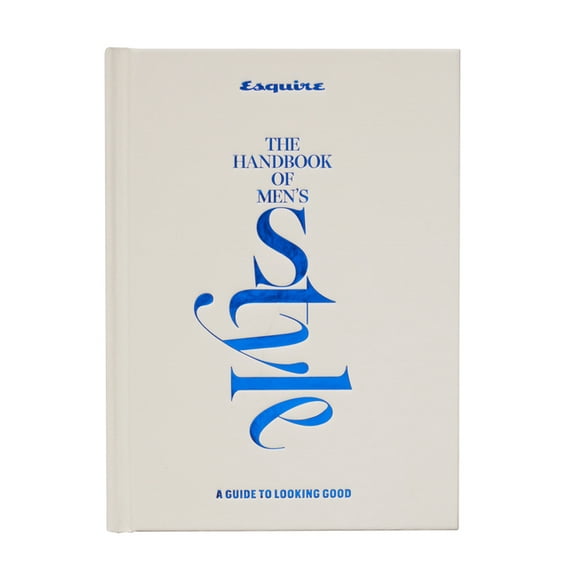
Esquire the Handbook of Men's Style: A Guide to Looking Good, (Hardcover) $14.00
 $1400current price $14.00
Esquire the Handbook of Men's Style: A Guide to Looking Good, (Hardcover)
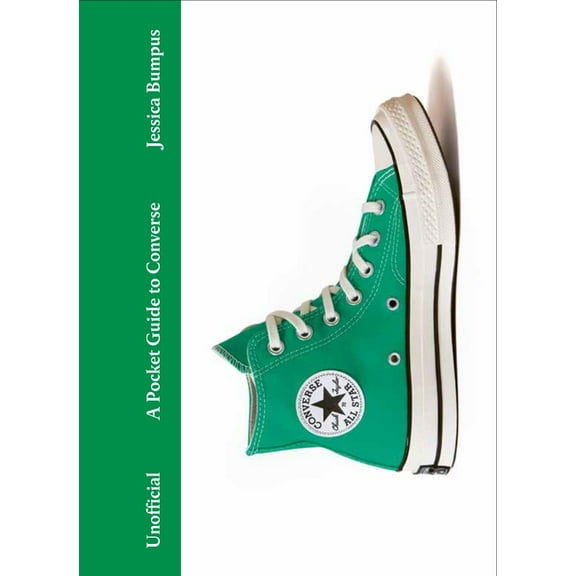
15 out of 5 Stars. 1 reviewsPocket Guides to Fashion A Pocket Guide to Converse, (Hardcover) $11.33
 $1133current price $11.33
Pocket Guides to Fashion A Pocket Guide to Converse, (Hardcover)
Dispatches from the Piazza: A Guide to Life on the Mediterranean, (Hardcover) $22.00
 $2200current price $22.00
Dispatches from the Piazza: A Guide to Life on the Mediterranean, (Hardcover)
Burn Before Reading (Hardcover) $31.99
 $3199current price $31.99
Burn Before Reading (Hardcover)
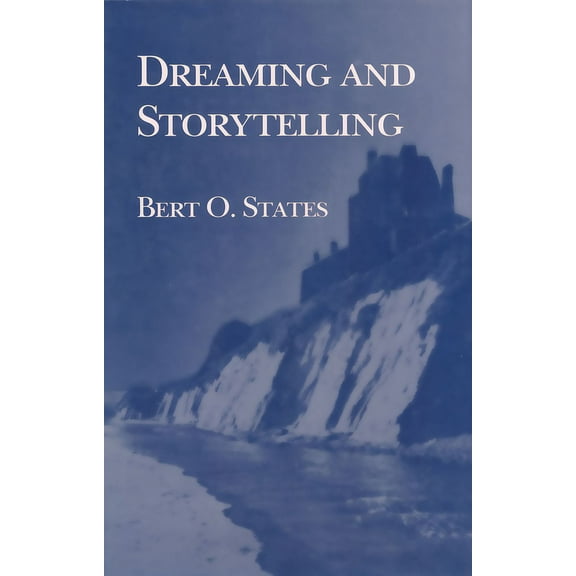
Dreaming and Storytelling, (Hardcover) $44.75
 $4475current price $44.75
Dreaming and Storytelling, (Hardcover)
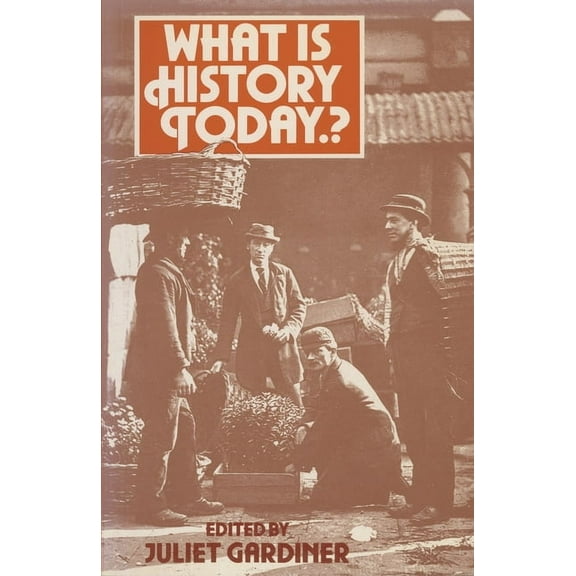
What is History Today...?, (Paperback) $63.38
 $6338current price $63.38
What is History Today...?, (Paperback)
Modern Dramatists Research and Productio Lillian Hellman: A Research and Production Sourcebook, (Hardcover) $52.80
 $5280current price $52.80
Modern Dramatists Research and Productio Lillian Hellman: A Research and Production Sourcebook, (Hardcover)
Think on These Things (Hardcover) $23.99
 $2399current price $23.99
Think on These Things (Hardcover)
Debates in the Metaphysics of Time (Paperback) $57.05
 $5705current price $57.05
Debates in the Metaphysics of Time (Paperback)