


A Paradise of Blood : The Creek War of 1813–14 (Hardcover)
(No ratings yet)
Key item features
The War for an Idyllic Wilderness That Brought Andrew Jackson to National Prominence, Transformed the South, and Changed America Forever
In 1811, a portion of the Creek Indians who inhabited a vast area across Georgia, Alabama, and parts of Florida and Mississippi, interpreted an earth tremor as a sign that they had to return to their traditional way of life. What was an internal Indian dispute soon became engulfed in the greater War of 1812 to become perhaps the most consequential campaign of that conflict. At immediate stake in what became known as the Creek War of 1813–14 was whether the Creeks and their inconstant British and Spanish allies or the young United States would control millions of acres of highly fertile Native American land. The conflict’s larger issue was whether the Indian nations of the lower American South—the Creek, Cherokee, Choctaw, and Chickasaw—would be able to remain in their ancestral homes.
Beginning with conquistador Ferdinand DeSoto’s fateful encounter with Indians of the southeast in the 1500s, A Paradise of Blood: The Creek War of 1813–14 by Howard T. Weir, III, narrates the complete story of the cultural clash and centuries-long struggle for this landscape of stunning beauty. Using contemporary letters, military reports, and other primary sources, the author places the Creek War in the context of Tecumseh’s fight for Native American independence and the ongoing war between the United States and European powers for control of North America. The Creek War was marked by savagery, such as the murder of hundreds of settlers at Fort Mims, Alabama—the largest massacre of its kind in United States history—and fierce battles, including Horseshoe Bend, where more Indian warriors were confirmed killed than in any other single engagement in the long wars against the Indians. Many notable personalities fought during the conflict, including Andrew Jackson, who gained national prominence for his service, Sam Houston, War Chief William Weatherford, and Davy Crockett. When the war was over, more than twenty million acres had been added to the United States, thousands of Indians were dead or homeless, and Jackson was on his way to the presidency. The war also eliminated the last effective Native American resistance to westward expansion east of the Mississippi, and by giving the United States land that was ideal for large-scale cotton planting, it laid the foundation for the Civil War a generation later. A Paradise of Blood is a comprehensive and masterful history of one of America’s most important and influential early wars.
In 1811, a portion of the Creek Indians who inhabited a vast area across Georgia, Alabama, and parts of Florida and Mississippi, interpreted an earth tremor as a sign that they had to return to their traditional way of life. What was an internal Indian dispute soon became engulfed in the greater War of 1812 to become perhaps the most consequential campaign of that conflict. At immediate stake in what became known as the Creek War of 1813–14 was whether the Creeks and their inconstant British and Spanish allies or the young United States would control millions of acres of highly fertile Native American land. The conflict’s larger issue was whether the Indian nations of the lower American South—the Creek, Cherokee, Choctaw, and Chickasaw—would be able to remain in their ancestral homes.
Beginning with conquistador Ferdinand DeSoto’s fateful encounter with Indians of the southeast in the 1500s, A Paradise of Blood: The Creek War of 1813–14 by Howard T. Weir, III, narrates the complete story of the cultural clash and centuries-long struggle for this landscape of stunning beauty. Using contemporary letters, military reports, and other primary sources, the author places the Creek War in the context of Tecumseh’s fight for Native American independence and the ongoing war between the United States and European powers for control of North America. The Creek War was marked by savagery, such as the murder of hundreds of settlers at Fort Mims, Alabama—the largest massacre of its kind in United States history—and fierce battles, including Horseshoe Bend, where more Indian warriors were confirmed killed than in any other single engagement in the long wars against the Indians. Many notable personalities fought during the conflict, including Andrew Jackson, who gained national prominence for his service, Sam Houston, War Chief William Weatherford, and Davy Crockett. When the war was over, more than twenty million acres had been added to the United States, thousands of Indians were dead or homeless, and Jackson was on his way to the presidency. The war also eliminated the last effective Native American resistance to westward expansion east of the Mississippi, and by giving the United States land that was ideal for large-scale cotton planting, it laid the foundation for the Civil War a generation later. A Paradise of Blood is a comprehensive and masterful history of one of America’s most important and influential early wars.
Specs
- Book formatHardcover
- Fiction/nonfictionNon-Fiction
- Publication dateDecember, 2015
- Pages560
- PublisherWestholme Publishing
- Original languagesEnglish
Current price is USD$26.81
Price when purchased online
Out of stock
How do you want your item?
Out of stock
About this item
Product details
The War for an Idyllic Wilderness That Brought Andrew Jackson to National Prominence, Transformed the South, and Changed America Forever
In 1811, a portion of the Creek Indians who inhabited a vast area across Georgia, Alabama, and parts of Florida and Mississippi, interpreted an earth tremor as a sign that they had to return to their traditional way of life. What was an internal Indian dispute soon became engulfed in the greater War of 1812 to become perhaps the most consequential campaign of that conflict. At immediate stake in what became known as the Creek War of 1813–14 was whether the Creeks and their inconstant British and Spanish allies or the young United States would control millions of acres of highly fertile Native American land. The conflict’s larger issue was whether the Indian nations of the lower American South—the Creek, Cherokee, Choctaw, and Chickasaw—would be able to remain in their ancestral homes.
Beginning with conquistador Ferdinand DeSoto’s fateful encounter with Indians of the southeast in the 1500s, A Paradise of Blood: The Creek War of 1813–14 by Howard T. Weir, III, narrates the complete story of the cultural clash and centuries-long struggle for this landscape of stunning beauty. Using contemporary letters, military reports, and other primary sources, the author places the Creek War in the context of Tecumseh’s fight for Native American independence and the ongoing war between the United States and European powers for control of North America. The Creek War was marked by savagery, such as the murder of hundreds of settlers at Fort Mims, Alabama—the largest massacre of its kind in United States history—and fierce battles, including Horseshoe Bend, where more Indian warriors were confirmed killed than in any other single engagement in the long wars against the Indians. Many notable personalities fought during the conflict, including Andrew Jackson, who gained national prominence for his service, Sam Houston, War Chief William Weatherford, and Davy Crockett. When the war was over, more than twenty million acres had been added to the United States, thousands of Indians were dead or homeless, and Jackson was on his way to the presidency. The war also eliminated the last effective Native American resistance to westward expansion east of the Mississippi, and by giving the United States land that was ideal for large-scale cotton planting, it laid the foundation for the Civil War a generation later. A Paradise of Blood is a comprehensive and masterful history of one of America’s most important and influential early wars.
In 1811, a portion of the Creek Indians who inhabited a vast area across Georgia, Alabama, and parts of Florida and Mississippi, interpreted an earth tremor as a sign that they had to return to their traditional way of life. What was an internal Indian dispute soon became engulfed in the greater War of 1812 to become perhaps the most consequential campaign of that conflict. At immediate stake in what became known as the Creek War of 1813–14 was whether the Creeks and their inconstant British and Spanish allies or the young United States would control millions of acres of highly fertile Native American land. The conflict’s larger issue was whether the Indian nations of the lower American South—the Creek, Cherokee, Choctaw, and Chickasaw—would be able to remain in their ancestral homes.
Beginning with conquistador Ferdinand DeSoto’s fateful encounter with Indians of the southeast in the 1500s, A Paradise of Blood: The Creek War of 1813–14 by Howard T. Weir, III, narrates the complete story of the cultural clash and centuries-long struggle for this landscape of stunning beauty. Using contemporary letters, military reports, and other primary sources, the author places the Creek War in the context of Tecumseh’s fight for Native American independence and the ongoing war between the United States and European powers for control of North America. The Creek War was marked by savagery, such as the murder of hundreds of settlers at Fort Mims, Alabama—the largest massacre of its kind in United States history—and fierce battles, including Horseshoe Bend, where more Indian warriors were confirmed killed than in any other single engagement in the long wars against the Indians. Many notable personalities fought during the conflict, including Andrew Jackson, who gained national prominence for his service, Sam Houston, War Chief William Weatherford, and Davy Crockett. When the war was over, more than twenty million acres had been added to the United States, thousands of Indians were dead or homeless, and Jackson was on his way to the presidency. The war also eliminated the last effective Native American resistance to westward expansion east of the Mississippi, and by giving the United States land that was ideal for large-scale cotton planting, it laid the foundation for the Civil War a generation later. A Paradise of Blood is a comprehensive and masterful history of one of America’s most important and influential early wars.
The War for an Idyllic Wilderness That Brought Andrew Jackson to National Prominence, Transformed the South, and Changed America Forever
In 1811, a portion of the Creek Indians who inhabited a vast area across Georgia, Alabama, and parts of Florida and Mississippi, interpreted an earth tremor as a sign that they had to return to their traditional way of life. What was an internal Indian dispute soon became engulfed in the greater War of 1812 to become perhaps the most consequential campaign of that conflict. At immediate stake in what became known as the Creek War of 1813–14 was whether the Creeks and their inconstant British and Spanish allies or the young United States would control millions of acres of highly fertile Native American land. The conflict’s larger issue was whether the Indian nations of the lower American South—the Creek, Cherokee, Choctaw, and Chickasaw—would be able to remain in their ancestral homes.
Beginning with conquistador Ferdinand DeSoto’s fateful encounter with Indians of the southeast in the 1500s, A Paradise of Blood: The Creek War of 1813–14 by Howard T. Weir, III, narrates the complete story of the cultural clash and centuries-long struggle for this landscape of stunning beauty. Using contemporary letters, military reports, and other primary sources, the author places the Creek War in the context of Tecumseh’s fight for Native American independence and the ongoing war between the United States and European powers for control of North America. The Creek War was marked by savagery, such as the murder of hundreds of settlers at Fort Mims, Alabama—the largest massacre of its kind in United States history—and fierce battles, including Horseshoe Bend, where more Indian warriors were confirmed killed than in any other single engagement in the long wars against the Indians. Many notable personalities fought during the conflict, including Andrew Jackson, who gained national prominence for his service, Sam Houston, War Chief William Weatherford, and Davy Crockett. When the war was over, more than twenty million acres had been added to the United States, thousands of Indians were dead or homeless, and Jackson was on his way to the presidency. The war also eliminated the last effective Native American resistance to westward expansion east of the Mississippi, and by giving the United States land that was ideal for large-scale cotton planting, it laid the foundation for the Civil War a generation later. A Paradise of Blood is a comprehensive and masterful history of one of America’s most important and influential early wars.
In 1811, a portion of the Creek Indians who inhabited a vast area across Georgia, Alabama, and parts of Florida and Mississippi, interpreted an earth tremor as a sign that they had to return to their traditional way of life. What was an internal Indian dispute soon became engulfed in the greater War of 1812 to become perhaps the most consequential campaign of that conflict. At immediate stake in what became known as the Creek War of 1813–14 was whether the Creeks and their inconstant British and Spanish allies or the young United States would control millions of acres of highly fertile Native American land. The conflict’s larger issue was whether the Indian nations of the lower American South—the Creek, Cherokee, Choctaw, and Chickasaw—would be able to remain in their ancestral homes.
Beginning with conquistador Ferdinand DeSoto’s fateful encounter with Indians of the southeast in the 1500s, A Paradise of Blood: The Creek War of 1813–14 by Howard T. Weir, III, narrates the complete story of the cultural clash and centuries-long struggle for this landscape of stunning beauty. Using contemporary letters, military reports, and other primary sources, the author places the Creek War in the context of Tecumseh’s fight for Native American independence and the ongoing war between the United States and European powers for control of North America. The Creek War was marked by savagery, such as the murder of hundreds of settlers at Fort Mims, Alabama—the largest massacre of its kind in United States history—and fierce battles, including Horseshoe Bend, where more Indian warriors were confirmed killed than in any other single engagement in the long wars against the Indians. Many notable personalities fought during the conflict, including Andrew Jackson, who gained national prominence for his service, Sam Houston, War Chief William Weatherford, and Davy Crockett. When the war was over, more than twenty million acres had been added to the United States, thousands of Indians were dead or homeless, and Jackson was on his way to the presidency. The war also eliminated the last effective Native American resistance to westward expansion east of the Mississippi, and by giving the United States land that was ideal for large-scale cotton planting, it laid the foundation for the Civil War a generation later. A Paradise of Blood is a comprehensive and masterful history of one of America’s most important and influential early wars.
info:
We aim to show you accurate product information. Manufacturers, suppliers and others provide what you see here, and we have not verified it.
Specifications
Book format
Hardcover
Fiction/nonfiction
Non-Fiction
Genre
History/Military - War of 1812, History/Military - United States, History/Indigenous Peoples of the Americas, History/United States - 19th Century
Publication date
December, 2015
Warranty
Warranty information
Please be aware that the warranty terms on items offered for sale by third party Marketplace sellers may differ from those displayed in this section (if any). To confirm warranty terms on an item offered for sale by a third party Marketplace seller, please use the 'Contact seller' feature on the third party Marketplace seller's information page and request the item's warranty terms prior to purchase.
Similar items you might like
Based on what customers bought
The Battle of Roanoke Island: Burnside and the Fight for North Carolina, (Hardcover) $25.39
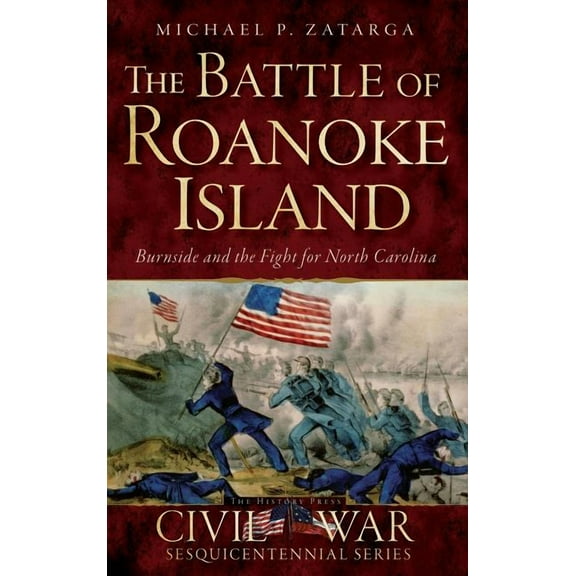 $2539current price $25.39
The Battle of Roanoke Island: Burnside and the Fight for North Carolina, (Hardcover)
Oradour: Soldiers of Shame, (Hardcover) $29.99
 $2999current price $29.99
Oradour: Soldiers of Shame, (Hardcover)
The Three Battles of Wanat (Hardcover) $15.40
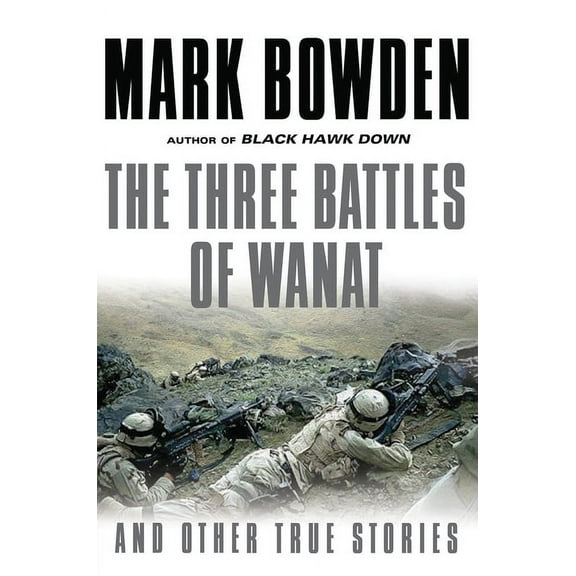 $1540current price $15.40
The Three Battles of Wanat (Hardcover)
Fire In The Jungle, (Hardcover) $26.95
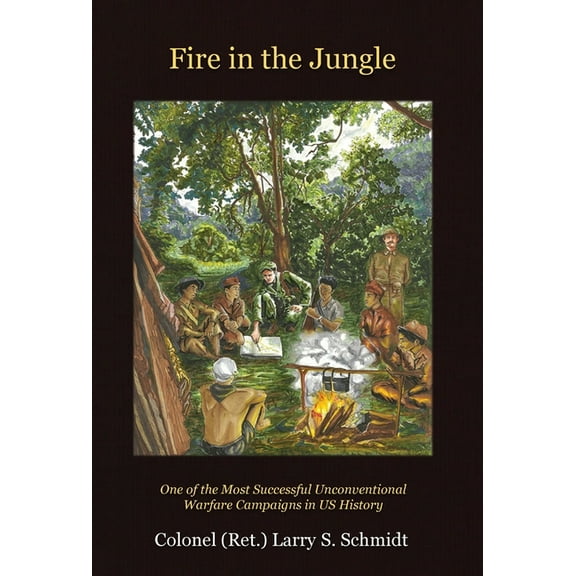 $2695current price $26.95
Fire In The Jungle, (Hardcover)
G. Garibaldi, vie et aventures 1807-1859, (Hardcover) $26.95
 $2695current price $26.95
G. Garibaldi, vie et aventures 1807-1859, (Hardcover)
Searching for Stanley: Unforgotten Hero of World War II $17.46 Was $21.88
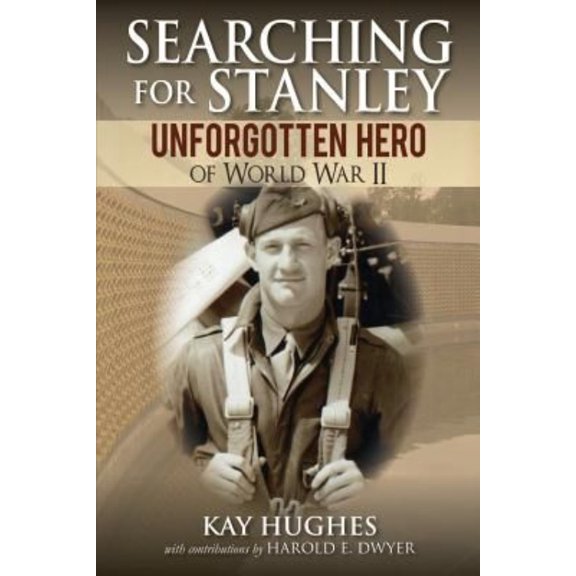 $1746current price $17.46, Was $21.88$21.88
Searching for Stanley: Unforgotten Hero of World War II
Until the Day You Die, (Hardcover) $34.49
 $3449current price $34.49
Until the Day You Die, (Hardcover)
Mustang: The Untold Story, (Hardcover) $28.25 Was $35.30
 $2825current price $28.25, Was $35.30$35.30
Mustang: The Untold Story, (Hardcover)
Desert Storm, (Hardcover) $29.95
 $2995current price $29.95
Desert Storm, (Hardcover)
Pre-Owned 1918: War and Peace (Hardcover) 1585671576 9781585671571 $8.29
 2 optionsAvailable in additional 2 options$829current price $8.29
Pre-Owned 1918: War and Peace (Hardcover) 1585671576 9781585671571
Pre-Owned Complete Book of World War II Combat Aircraft (Hardcover) 885400829X 9788854008298 $30.36
 $3036current price $30.36
Pre-Owned Complete Book of World War II Combat Aircraft (Hardcover) 885400829X 9788854008298
In Peace and War: A History of the U.S. Merchant Marine Academy at Kings Point, (Hardcover) $6.49 Was $11.31
 2 optionsAvailable in additional 2 options$649current price $6.49, Was $11.31$11.31
In Peace and War: A History of the U.S. Merchant Marine Academy at Kings Point, (Hardcover)
The Cold War Wilderness of Mirrors $30.12 Was $43.85
 $3012current price $30.12, Was $43.85$43.85
The Cold War Wilderness of Mirrors
The Death Railway (Hardcover) $25.72 Was $30.58
 $2572current price $25.72, Was $30.58$30.58
The Death Railway (Hardcover)
Duty, (Hardcover) $30.95
 $3095current price $30.95
Duty, (Hardcover)
Columbia Civil War Landmarks (Hardcover) $24.64
 $2464current price $24.64
Columbia Civil War Landmarks (Hardcover)
The Fifth Act $17.31
 $1731current price $17.31
The Fifth Act
Through the Death-Dark Valley, (Paperback) $12.63
 $1263current price $12.63
Through the Death-Dark Valley, (Paperback)
The Battle of Cedar Creek (Hardcover) $24.88
 $2488current price $24.88
The Battle of Cedar Creek (Hardcover)
Customer ratings & reviews
0 ratings|0 reviews
This item does not have any reviews yet

Related pages
- Hell Architect
- Klaus Hellmuth Richardt
- Cryptids Pennsylvania
- Blood Prison
- Poland Massacre
- Vietnam Horror Stories
- Visionary & Metaphysical Novels
- War & Military Teen & Young Adult Books
- General Historical Teen & Young Adult Books
- Apocalyptic & Post-Apocalyptic Teen & Young Adult Books
- Historical Military & Wars Teen & Young Adult Books
- Europe Historical Teen & Young Adult Books