

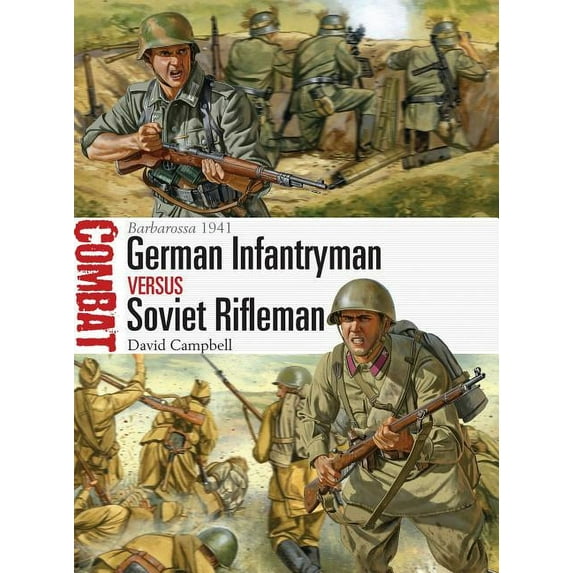
Combat: German Infantryman vs Soviet Rifleman : Somme 1916 (Paperback)
Key item features
Featuring full-color artwork, specially drawn maps and archive photographs, this study offers key insights into the tactics, leadership, combat performance and subsequent reputations of six representative German and Soviet infantry battalions pitched into three pivotal actions that determined the course of the Barbarossa campaign at the height of World War II.
The Axis invasion of the Soviet Union on 22 June 1941 pitted Nazi Germany and her allies against Stalin's forces in a mighty struggle for survival. Three German army groups - North, Center and South - advanced into Soviet-held territory; Generalfeldmarschall Fedor von Bock's Army Group Center, the largest of these three, was tasked with defeating General of the Army Dmitry Pavlov's Western Front in Belarus, and was assigned two Panzer Groups to achieve this. Bock's command would complete the encirclement and destruction of vast numbers of Soviet personnel and matériel at battles such as Bialystok-Minsk in June-July and Smolensk in July-August before being halted as German efforts centered on the conquest of the Ukraine, only to resume the offensive at the end of September. As the dust of summer gave way to the mud of autumn, the ensuing German drive on Moscow was slowed and then halted by a Soviet counteroffensive mounted by Konev's Kalinin and Timoshenko's Southwestern Fronts in December amid unusually harsh winter conditions, marking the failure of the German Blitzkrieg; Army Group Centre was forced back and Moscow remained in Soviet hands.
At the forefront of the German advance, fighting alongside the spearhead Panzer divisions, were the lorry-borne infantrymen of the motorized infantry divisions. Unlike the Schützen, the specialist armored infantry integral to the Panzer divisions, these highly trained motorized formations were organized, armed and equipped as per their footslogging counterparts in the standard infantry divisions; together, these two troop types were the forerunners of the formidable Panzergrenadier formations that would provide the Germans with their mobile infantry forces in the climactic years of World War II.
Opposing the German mobile forces, the Soviets deployed rifle divisions and motorized rifle divisions, some of which would be upgraded to Guards status following outstanding combat performance. The Soviet forces fought tenaciously in the teeth of sometimes overwhelming local German superiority and with the threat of savage reprisals from the NKVD troops at their backs, suffering huge losses but remaining in the fight until the lines could be stabilized in the worsening winter conditions outside Moscow. Their clashes with the motorized infantrymen of the German vanguard would shape the outcome of this mighty battle for survival.
Specs
- Book formatPaperback
- Fiction/nonfictionNon-Fiction
- GenreHistory
- Pages80
- Reading levelGeneral
- Series titleCombat
- Free shipping
 Free 30-day returns
How do you want your item?


More seller options (1)
About this item
Product details
Featuring full-color artwork, specially drawn maps and archive photographs, this study offers key insights into the tactics, leadership, combat performance and subsequent reputations of six representative German and Soviet infantry battalions pitched into three pivotal actions that determined the course of the Barbarossa campaign at the height of World War II.
The Axis invasion of the Soviet Union on 22 June 1941 pitted Nazi Germany and her allies against Stalin's forces in a mighty struggle for survival. Three German army groups - North, Center and South - advanced into Soviet-held territory; Generalfeldmarschall Fedor von Bock's Army Group Center, the largest of these three, was tasked with defeating General of the Army Dmitry Pavlov's Western Front in Belarus, and was assigned two Panzer Groups to achieve this. Bock's command would complete the encirclement and destruction of vast numbers of Soviet personnel and matériel at battles such as Bialystok-Minsk in June-July and Smolensk in July-August before being halted as German efforts centered on the conquest of the Ukraine, only to resume the offensive at the end of September. As the dust of summer gave way to the mud of autumn, the ensuing German drive on Moscow was slowed and then halted by a Soviet counteroffensive mounted by Konev's Kalinin and Timoshenko's Southwestern Fronts in December amid unusually harsh winter conditions, marking the failure of the German Blitzkrieg; Army Group Centre was forced back and Moscow remained in Soviet hands. At the forefront of the German advance, fighting alongside the spearhead Panzer divisions, were the lorry-borne infantrymen of the motorized infantry divisions. Unlike the Schützen, the specialist armored infantry integral to the Panzer divisions, these highly trained motorized formations were organized, armed and equipped as per their footslogging counterparts in the standard infantry divisions; together, these two troop types were the forerunners of the formidable Panzergrenadier formations that would provide the Germans with their mobile infantry forces in the climactic years of World War II. Opposing the German mobile forces, the Soviets deployed rifle divisions and motorized rifle divisions, some of which would be upgraded to Guards status following outstanding combat performance. The Soviet forces fought tenaciously in the teeth of sometimes overwhelming local German superiority and with the threat of savage reprisals from the NKVD troops at their backs, suffering huge losses but remaining in the fight until the lines could be stabilized in the worsening winter conditions outside Moscow. Their clashes with the motorized infantrymen of the German vanguard would shape the outcome of this mighty battle for survival.Featuring full-color artwork, specially drawn maps and archive photographs, this study offers key insights into the tactics, leadership, combat performance and subsequent reputations of six representative German and Soviet infantry battalions pitched into three pivotal actions that determined the course of the Barbarossa campaign at the height of World War II.
The Axis invasion of the Soviet Union on 22 June 1941 pitted Nazi Germany and her allies against Stalin's forces in a mighty struggle for survival. Three German army groups - North, Center and South - advanced into Soviet-held territory; Generalfeldmarschall Fedor von Bock's Army Group Center, the largest of these three, was tasked with defeating General of the Army Dmitry Pavlov's Western Front in Belarus, and was assigned two Panzer Groups to achieve this. Bock's command would complete the encirclement and destruction of vast numbers of Soviet personnel and matériel at battles such as Bialystok-Minsk in June-July and Smolensk in July-August before being halted as German efforts centered on the conquest of the Ukraine, only to resume the offensive at the end of September. As the dust of summer gave way to the mud of autumn, the ensuing German drive on Moscow was slowed and then halted by a Soviet counteroffensive mounted by Konev's Kalinin and Timoshenko's Southwestern Fronts in December amid unusually harsh winter conditions, marking the failure of the German Blitzkrieg; Army Group Centre was forced back and Moscow remained in Soviet hands.
At the forefront of the German advance, fighting alongside the spearhead Panzer divisions, were the lorry-borne infantrymen of the motorized infantry divisions. Unlike the Schützen, the specialist armored infantry integral to the Panzer divisions, these highly trained motorized formations were organized, armed and equipped as per their footslogging counterparts in the standard infantry divisions; together, these two troop types were the forerunners of the formidable Panzergrenadier formations that would provide the Germans with their mobile infantry forces in the climactic years of World War II.
Opposing the German mobile forces, the Soviets deployed rifle divisions and motorized rifle divisions, some of which would be upgraded to Guards status following outstanding combat performance. The Soviet forces fought tenaciously in the teeth of sometimes overwhelming local German superiority and with the threat of savage reprisals from the NKVD troops at their backs, suffering huge losses but remaining in the fight until the lines could be stabilized in the worsening winter conditions outside Moscow. Their clashes with the motorized infantrymen of the German vanguard would shape the outcome of this mighty battle for survival.
Specifications
Book format
Fiction/nonfiction
Genre
Pages
Warranty
Warranty information
Similar items you might like
Based on what customers bought
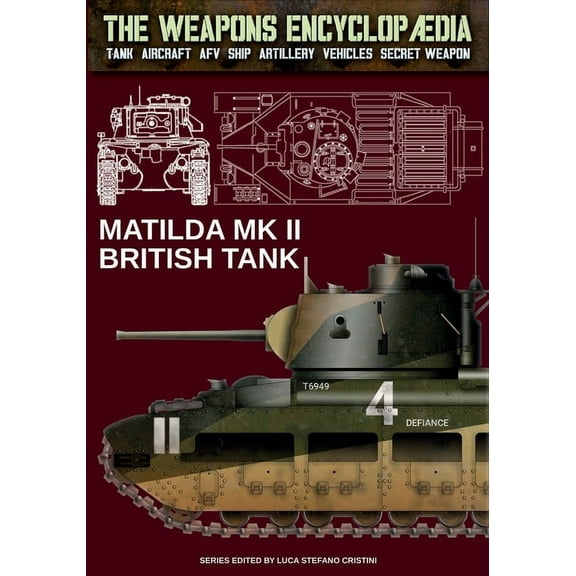
The Weapons Encyclopaedia Matilda MK II British Tank, Book 16, (Paperback) $24.00
 $2400current price $24.00
The Weapons Encyclopaedia Matilda MK II British Tank, Book 16, (Paperback)
Memoir of a Tin Can Warrior, (Paperback) $12.99
 $1299current price $12.99
Memoir of a Tin Can Warrior, (Paperback)
The Afghan Wars 1839-1919, (Paperback) $20.21
 $2021current price $20.21
The Afghan Wars 1839-1919, (Paperback)
The Liberation Trilogy: The Guns at Last Light : The War in Western Europe, 1944-1945 (Series #3) (Paperback) $16.68 Was $20.91
 $1668current price $16.68, Was $20.91$20.91
The Liberation Trilogy: The Guns at Last Light : The War in Western Europe, 1944-1945 (Series #3) (Paperback)
224.5 out of 5 Stars. 22 reviewsDon't Shoot the Mules!, (Paperback) $16.80 Was $20.51
 $1680current price $16.80, Was $20.51$20.51
Don't Shoot the Mules!, (Paperback)
Ghost Army of World War II, (Paperback) $17.47 Was $22.95
 $1747current price $17.47, Was $22.95$22.95
Ghost Army of World War II, (Paperback)
Soviet Soldier vs Finnish Soldier $20.33
 $2033current price $20.33
Soviet Soldier vs Finnish Soldier
Last Stand on Bataan: The Defense of the Philippines, December 1941-May 1942, (Paperback) $28.45
 $2845current price $28.45
Last Stand on Bataan: The Defense of the Philippines, December 1941-May 1942, (Paperback)
Combat Soviet Rifleman Vs German Infantryman: Operation Bagration 1944, Book 87, (Paperback) $23.00
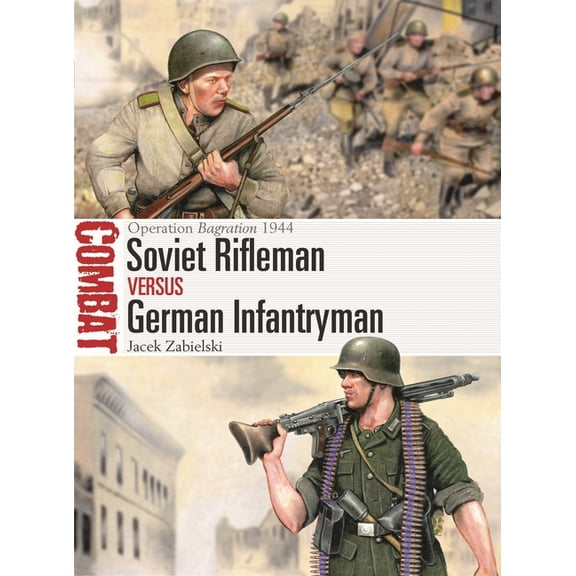 $2300current price $23.00
Combat Soviet Rifleman Vs German Infantryman: Operation Bagration 1944, Book 87, (Paperback)
Duel M3 Tank Vs Panzer IV: Eastern Front 1942, Book 157, (Paperback) $23.00
 $2300current price $23.00
Duel M3 Tank Vs Panzer IV: Eastern Front 1942, Book 157, (Paperback)
Pre-Owned Soldat: Reflections of a German Soldier, 1936-1949 (Mass Market Paperback) 0440215269 9780440215264 $4.08
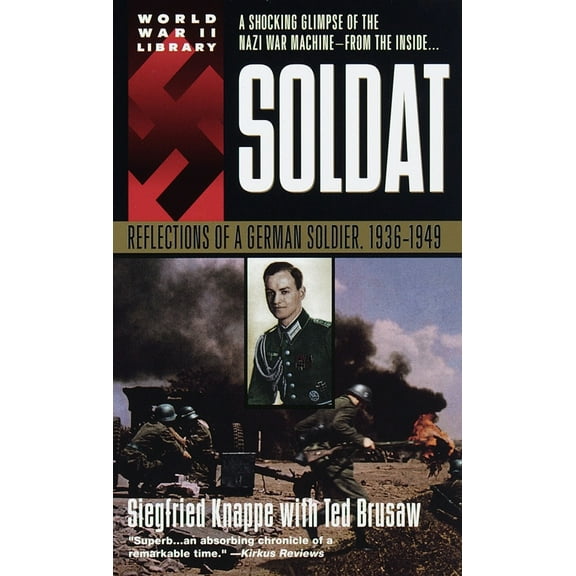 3 optionsAvailable in additional 3 options$408current price $4.08
Pre-Owned Soldat: Reflections of a German Soldier, 1936-1949 (Mass Market Paperback) 0440215269 9780440215264
14 out of 5 Stars. 1 reviewsEscape From the Nazis, (Hardcover) $13.39
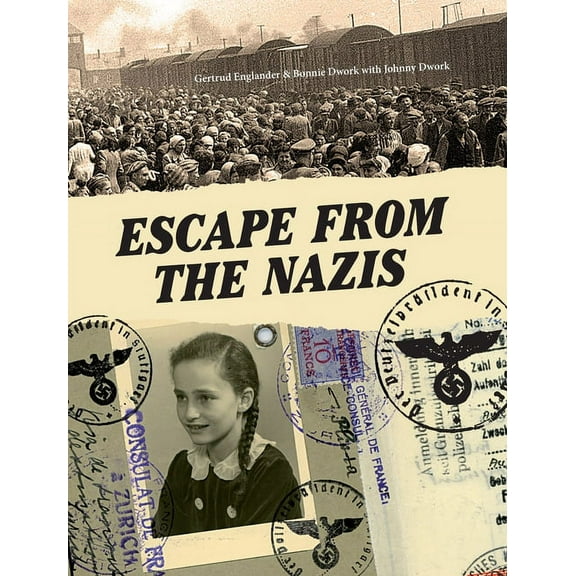 $1339current price $13.39
Escape From the Nazis, (Hardcover)
The Butcher of Poland (Paperback) $24.92
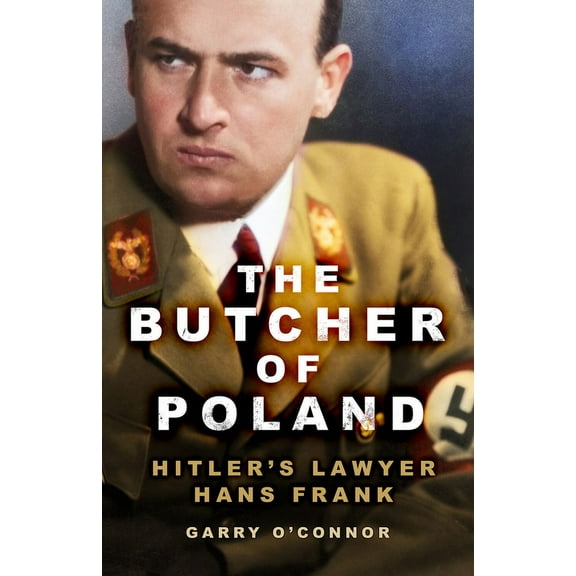 $2492current price $24.92
The Butcher of Poland (Paperback)
The History of World War II: A Graphic Novel Retelling of the 20th Century's Defining War, (Hardcover) $19.45
 $1945current price $19.45
The History of World War II: A Graphic Novel Retelling of the 20th Century's Defining War, (Hardcover)
G.I.: The American Soldier in World War II, (Paperback) $34.66
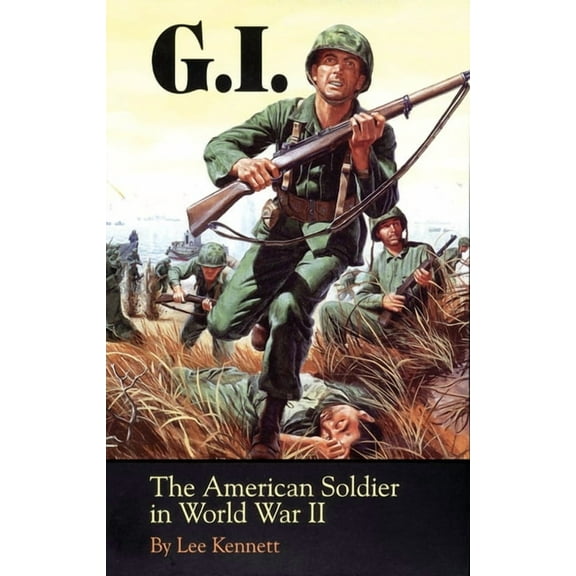 $3466current price $34.66
G.I.: The American Soldier in World War II, (Paperback)
Warrior: Hitler's Home Guard: Volkssturmmann : Western Front, 1944-45 (Paperback) $19.64
 $1964current price $19.64
Warrior: Hitler's Home Guard: Volkssturmmann : Western Front, 1944-45 (Paperback)
Pre-Owned A Stranger to Myself: The Inhumanity of War: Russia, 1941-1944 (Hardcover) 0374139784 9780374139780 $13.90 Was $17.13
 3 optionsAvailable in additional 3 options$1390current price $13.90, Was $17.13$17.13
Pre-Owned A Stranger to Myself: The Inhumanity of War: Russia, 1941-1944 (Hardcover) 0374139784 9780374139780
Pre-Owned The World in Flames: A World War II Sourcebook (Paperback) 0195174429 9780195174427 $40.66 Was $73.36 23.6 ¢/lb
 2 optionsAvailable in additional 2 options$4066current price $40.66, Was $73.36$73.3623.6 ¢/lb
Pre-Owned The World in Flames: A World War II Sourcebook (Paperback) 0195174429 9780195174427

Customer ratings & reviews

Related pages
- Napoleonic Wars Military History Books
- Vietnam War Military History Books
- U.s Military Structure
- 173rd Airborne Brigade Combat Team
- Best Sellers In Civil War Campaigns Battlefields History Of The U.S
- Best Sellers In U.S Civil War Regimental Histories
- Air Conflicts Vietnam
- Best Sellers In Vietnam War History
- Naval Military History Books
- World War I Military History Books
- General Military History Books
- Special Forces Military History Books