


Hero image 0 of Respectable Lives : Social Standing in Rural New Zealand (Edition 1) (Paperback), 0 of 1
Respectable Lives : Social Standing in Rural New Zealand (Edition 1) (Paperback)
(No ratings yet)
Key item features
Where do we get our notions of social hierarchy and personal worth? What underlies our beliefs about the goals worth aiming for, the persons we hope to become? Elvin Hatch addresses these questions in his ethnography of a small New Zealand farming community, articulating the cultural system beneath the social hierarchy.
Hatch describes a cultural theory of social hierarchy that defines not only the local system of social rank, but personhood as well. Because people define respectability differently, a crucial part of Hatch's approach is to examine how these differences are worked out over time.
The concept of occupation is central to Hatch's analysis, since the work that people do provides the skeletal framework of the hierarchical order. He focuses in particular on sheep farming and compares his New Zealand community with one in California. Wealth and respectability are defined differently in the two places, with the result that California landholders perceive a social hierarchy different from the New Zealanders'. Thus the distinctive "shape" that characterizes the hierarchy among these New Zealand landholders and their conceptions of self reflect the distinctive cultural theory by which they live.
Hatch describes a cultural theory of social hierarchy that defines not only the local system of social rank, but personhood as well. Because people define respectability differently, a crucial part of Hatch's approach is to examine how these differences are worked out over time.
The concept of occupation is central to Hatch's analysis, since the work that people do provides the skeletal framework of the hierarchical order. He focuses in particular on sheep farming and compares his New Zealand community with one in California. Wealth and respectability are defined differently in the two places, with the result that California landholders perceive a social hierarchy different from the New Zealanders'. Thus the distinctive "shape" that characterizes the hierarchy among these New Zealand landholders and their conceptions of self reflect the distinctive cultural theory by which they live.
Specs
- Book formatPaperback
- Fiction/nonfictionNon-Fiction
- Pub date19940217
- Pages221
- SubgenreAnthropology
- Series titleNo Series
Current price is USD$31.95
Price when purchased online
 Free 90-day returns
How do you want your item?
Try 30 days of Free Shipping with Walmart+! Choose plan at checkout.
Columbus, 43215
Arrives by Tomorrow
.Order within 2 hr 55 min
Sold and shipped by Walmart.com

Free 90-day returns

This item is gift eligible
More seller options (4)
Starting from $38.80

Get free delivery, shipping and more*
*Restrictions apply Try Walmart+ now
About this item
Product details
Where do we get our notions of social hierarchy and personal worth? What underlies our beliefs about the goals worth aiming for, the persons we hope to become? Elvin Hatch addresses these questions in his ethnography of a small New Zealand farming community, articulating the cultural system beneath the social hierarchy.
Hatch describes a cultural theory of social hierarchy that defines not only the local system of social rank, but personhood as well. Because people define respectability differently, a crucial part of Hatch's approach is to examine how these differences are worked out over time.
The concept of occupation is central to Hatch's analysis, since the work that people do provides the skeletal framework of the hierarchical order. He focuses in particular on sheep farming and compares his New Zealand community with one in California. Wealth and respectability are defined differently in the two places, with the result that California landholders perceive a social hierarchy different from the New Zealanders'. Thus the distinctive "shape" that characterizes the hierarchy among these New Zealand landholders and their conceptions of self reflect the distinctive cultural theory by which they live.
Hatch describes a cultural theory of social hierarchy that defines not only the local system of social rank, but personhood as well. Because people define respectability differently, a crucial part of Hatch's approach is to examine how these differences are worked out over time.
The concept of occupation is central to Hatch's analysis, since the work that people do provides the skeletal framework of the hierarchical order. He focuses in particular on sheep farming and compares his New Zealand community with one in California. Wealth and respectability are defined differently in the two places, with the result that California landholders perceive a social hierarchy different from the New Zealanders'. Thus the distinctive "shape" that characterizes the hierarchy among these New Zealand landholders and their conceptions of self reflect the distinctive cultural theory by which they live.
Where do we get our notions of social hierarchy and personal worth? What underlies our beliefs about the goals worth aiming for, the persons we hope to become? Elvin Hatch addresses these questions in his ethnography of a small New Zealand farming community, articulating the cultural system beneath the social hierarchy.
Hatch describes a cultural theory of social hierarchy that defines not only the local system of social rank, but personhood as well. Because people define respectability differently, a crucial part of Hatch's approach is to examine how these differences are worked out over time.
The concept of occupation is central to Hatch's analysis, since the work that people do provides the skeletal framework of the hierarchical order. He focuses in particular on sheep farming and compares his New Zealand community with one in California. Wealth and respectability are defined differently in the two places, with the result that California landholders perceive a social hierarchy different from the New Zealanders'. Thus the distinctive "shape" that characterizes the hierarchy among these New Zealand landholders and their conceptions of self reflect the distinctive cultural theory by which they live.
Hatch describes a cultural theory of social hierarchy that defines not only the local system of social rank, but personhood as well. Because people define respectability differently, a crucial part of Hatch's approach is to examine how these differences are worked out over time.
The concept of occupation is central to Hatch's analysis, since the work that people do provides the skeletal framework of the hierarchical order. He focuses in particular on sheep farming and compares his New Zealand community with one in California. Wealth and respectability are defined differently in the two places, with the result that California landholders perceive a social hierarchy different from the New Zealanders'. Thus the distinctive "shape" that characterizes the hierarchy among these New Zealand landholders and their conceptions of self reflect the distinctive cultural theory by which they live.
info:
We aim to show you accurate product information. Manufacturers, suppliers and others provide what you see here, and we have not verified it.
Specifications
Book format
Paperback
Fiction/nonfiction
Non-Fiction
Genre
Political & Social Sciences
Pub date
19940217
Warranty
Warranty information
Please be aware that the warranty terms on items offered for sale by third party Marketplace sellers may differ from those displayed in this section (if any). To confirm warranty terms on an item offered for sale by a third party Marketplace seller, please use the 'Contact seller' feature on the third party Marketplace seller's information page and request the item's warranty terms prior to purchase.
Similar items you might like
Based on what customers bought
New Zealand - My Adopted Home: A cross-cultural trainer's personal portrayal of New Zealand and Germany - and what it's , (Paperback) $16.99
 $1699current price $16.99
New Zealand - My Adopted Home: A cross-cultural trainer's personal portrayal of New Zealand and Germany - and what it's , (Paperback)
Adolescent Lives: Working and Growing Up in America (Paperback) $32.03
 $3203current price $32.03
Adolescent Lives: Working and Growing Up in America (Paperback)
Myth of Individualism: How Social Forces Shape Our Lives, (Paperback) $33.87
 $3387current price $33.87
Myth of Individualism: How Social Forces Shape Our Lives, (Paperback)
Best seller I m Dead Now What, Book, (Paperback) $13.94 14.5 ¢/ea
Best seller $1394current price $13.9414.5 ¢/ea
I m Dead Now What, Book, (Paperback)
2524.6 out of 5 Stars. 252 reviewsTheories of Man and Culture, (Paperback) $36.07
 $3607current price $36.07
Theories of Man and Culture, (Paperback)
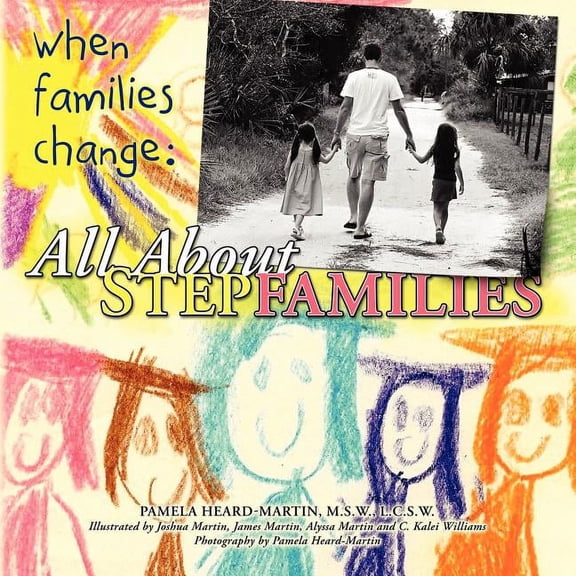
When Families Change : All About Stepfamilies (Paperback) $28.99
 $2899current price $28.99
When Families Change : All About Stepfamilies (Paperback)
An African Village-Boy in Aotearoa New Zealand, (Paperback) $29.99
 $2999current price $29.99
An African Village-Boy in Aotearoa New Zealand, (Paperback)
Studies in the Social and Cultural Histo Survivors, (Paperback) $31.85
 $3185current price $31.85
Studies in the Social and Cultural Histo Survivors, (Paperback)
Studies in American Thought and Culture The University and the People, (Paperback) $29.07
 $2907current price $29.07
Studies in American Thought and Culture The University and the People, (Paperback)
Working Hard & Making Do: Surviving in Small Town America, (Paperback) $33.27
 $3327current price $33.27
Working Hard & Making Do: Surviving in Small Town America, (Paperback)
Best seller The Psychology of Money: Timeless Lessons on Wealth, Greed, and Happiness (Paperback) $10.99 Was $14.99
Best seller $1099current price $10.99, Was $14.99$14.99
The Psychology of Money: Timeless Lessons on Wealth, Greed, and Happiness (Paperback)
1304.5 out of 5 Stars. 130 reviewsIjurr Studies in Urban and Social Change The People's Home?: Social Rented Housing in Europe and America, (Paperback) $31.45
 $3145current price $31.45
Ijurr Studies in Urban and Social Change The People's Home?: Social Rented Housing in Europe and America, (Paperback)
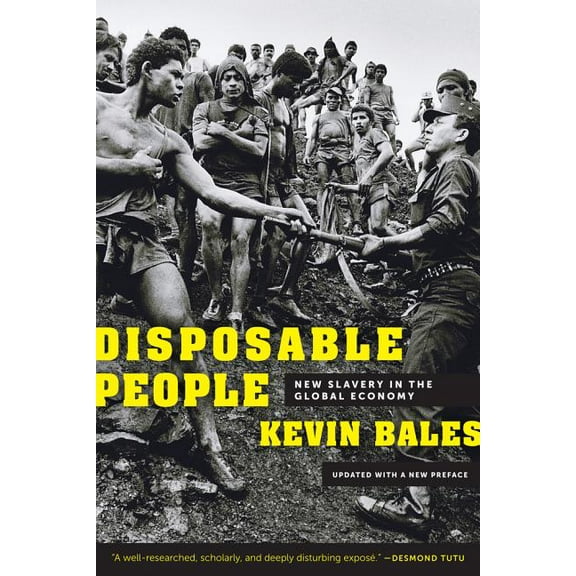
Disposable People : New Slavery in the Global Economy (Edition 3) (Paperback) $29.85
 $2985current price $29.85
Disposable People : New Slavery in the Global Economy (Edition 3) (Paperback)
Heritage Reconnaissances, (Paperback) $23.40
 $2340current price $23.40
Heritage Reconnaissances, (Paperback)
How to Live,: Saving and Wasting or Domestic Economy Illustrated, (Paperback) $33.90
 $3390current price $33.90
How to Live,: Saving and Wasting or Domestic Economy Illustrated, (Paperback)
Culture in an Age of Money: The Legacy of the 1980s in America, (Paperback) $19.95
 $1995current price $19.95
Culture in an Age of Money: The Legacy of the 1980s in America, (Paperback)
Space, Place and Society Putting Health Into Place: Landscape, Identity, and Well-being, (Paperback) $28.36
 $2836current price $28.36
Space, Place and Society Putting Health Into Place: Landscape, Identity, and Well-being, (Paperback)
Kaipara: Experiences of a Settler in North New Zealand, (Paperback) $23.90
 $2390current price $23.90
Kaipara: Experiences of a Settler in North New Zealand, (Paperback)
The Evolution of the Southern Backcountry: A Case Study of Lunenburg County, Virginia, 1746-1832, (Paperback) $29.29
 $2929current price $29.29
The Evolution of the Southern Backcountry: A Case Study of Lunenburg County, Virginia, 1746-1832, (Paperback)
Customer ratings & reviews
0 ratings|0 reviews
This item does not have any reviews yet
