


Countdown to Zero Day : Stuxnet and the Launch of the World's First Digital Weapon
(No ratings yet)
Key item features
Top cybersecurity journalist Kim Zetter tells the story behind the virus that sabotaged Iran’s nuclear efforts and shows how its existence has ushered in a new age of warfare—one in which a digital attack can have the same destructive capability as a megaton bomb.
In January 2010, inspectors with the International Atomic Energy Agency noticed that centrifuges at an Iranian uranium enrichment plant were failing at an unprecedented rate. The cause was a complete mystery—apparently as much to the technicians replacing the centrifuges as to the inspectors observing them.
Then, five months later, a seemingly unrelated event occurred: A computer security firm in Belarus was called in to troubleshoot some computers in Iran that were crashing and rebooting repeatedly.
At first, the firm’s programmers believed the malicious code on the machines was a simple, routine piece of malware. But as they and other experts around the world investigated, they discovered a mysterious virus of unparalleled complexity.
They had, they soon learned, stumbled upon the world’s first digital weapon. For Stuxnet, as it came to be known, was unlike any other virus or worm built before: Rather than simply hijacking targeted computers or stealing information from them, it escaped the digital realm to wreak actual, physical destruction on a nuclear facility.
In these pages, Wired journalist Kim Zetter draws on her extensive sources and expertise to tell the story behind Stuxnet’s planning, execution, and discovery, covering its genesis in the corridors of Bush’s White House and its unleashing on systems in Iran—and telling the spectacular, unlikely tale of the security geeks who managed to unravel a sabotage campaign years in the making.
But Countdown to Zero Day ranges far beyond Stuxnet itself. Here, Zetter shows us how digital warfare developed in the US. She takes us inside today’s flourishing zero-day “grey markets,” in which intelligence agencies and militaries pay huge sums for the malicious code they need to carry out infiltrations and attacks. She reveals just how vulnerable many of our own critical systems are to Stuxnet-like strikes, from nation-state adversaries and anonymous hackers alike—and shows us just what might happen should our infrastructure be targeted by such an attack.
Propelled by Zetter’s unique knowledge and access, and filled with eye-opening explanations of the technologies involved, Countdown to Zero Day is a comprehensive and prescient portrait of a world at the edge of a new kind of war.
In January 2010, inspectors with the International Atomic Energy Agency noticed that centrifuges at an Iranian uranium enrichment plant were failing at an unprecedented rate. The cause was a complete mystery—apparently as much to the technicians replacing the centrifuges as to the inspectors observing them.
Then, five months later, a seemingly unrelated event occurred: A computer security firm in Belarus was called in to troubleshoot some computers in Iran that were crashing and rebooting repeatedly.
At first, the firm’s programmers believed the malicious code on the machines was a simple, routine piece of malware. But as they and other experts around the world investigated, they discovered a mysterious virus of unparalleled complexity.
They had, they soon learned, stumbled upon the world’s first digital weapon. For Stuxnet, as it came to be known, was unlike any other virus or worm built before: Rather than simply hijacking targeted computers or stealing information from them, it escaped the digital realm to wreak actual, physical destruction on a nuclear facility.
In these pages, Wired journalist Kim Zetter draws on her extensive sources and expertise to tell the story behind Stuxnet’s planning, execution, and discovery, covering its genesis in the corridors of Bush’s White House and its unleashing on systems in Iran—and telling the spectacular, unlikely tale of the security geeks who managed to unravel a sabotage campaign years in the making.
But Countdown to Zero Day ranges far beyond Stuxnet itself. Here, Zetter shows us how digital warfare developed in the US. She takes us inside today’s flourishing zero-day “grey markets,” in which intelligence agencies and militaries pay huge sums for the malicious code they need to carry out infiltrations and attacks. She reveals just how vulnerable many of our own critical systems are to Stuxnet-like strikes, from nation-state adversaries and anonymous hackers alike—and shows us just what might happen should our infrastructure be targeted by such an attack.
Propelled by Zetter’s unique knowledge and access, and filled with eye-opening explanations of the technologies involved, Countdown to Zero Day is a comprehensive and prescient portrait of a world at the edge of a new kind of war.
Specs
- Book formatPaperback
- Fiction/nonfictionNon-Fiction
- GenreNonfiction
- Pub date2014-11-11
- Pages352
- EditionFirst Edition
Price when purchased online
Not Available
How do you want your item?
Not available
About this item
Product details
Top cybersecurity journalist Kim Zetter tells the story behind the virus that sabotaged Iran's nuclear efforts and shows how its existence has ushered in a new age of warfare--one in which a digital attack can have the same destructive capability as a megaton bomb. In January 2010, inspectors with the International Atomic Energy Agency noticed that centrifuges at an Iranian uranium enrichment plant were failing at an unprecedented rate. The cause was a complete mystery--apparently as much to the technicians replacing the centrifuges as to the inspectors observing them. Then, five months later, a seemingly unrelated event occurred: A computer security firm in Belarus was called in to troubleshoot some computers in Iran that were crashing and rebooting repeatedly. At first, the firm's programmers believed the malicious code on the machines was a simple, routine piece of malware. But as they and other experts around the world investigated, they discovered a mysterious virus of unparalleled complexity. They had, they soon learned, stumbled upon the world's first digital weapon. For Stuxnet, as it came to be known, was unlike any other virus or worm built before: Rather than simply hijacking targeted computers or stealing information from them, it escaped the digital realm to wreak actual, physical destruction on a nuclear facility. In these pages, Wired journalist Kim Zetter draws on her extensive sources and expertise to tell the story behind Stuxnet's planning, execution, and discovery, covering its genesis in the corridors of Bush's White House and its unleashing on systems in Iran--and telling the spectacular, unlikely tale of the security geeks who managed to unravel a sabotage campaign years in the making. But Countdown to Zero Day ranges far beyond Stuxnet itself. Here, Zetter shows us how digital warfare developed in the US. She takes us inside today's flourishing zero-day "grey markets," in which intelligence agencies and militaries pay huge sums for the malicious code they need to carry out infiltrations and attacks. She reveals just how vulnerable many of our own critical systems are to Stuxnet-like strikes, from nation-state adversaries and anonymous hackers alike--and shows us just what might happen should our infrastructure be targeted by such an attack. Propelled by Zetter's unique knowledge and access, and filled with eye-opening explanations of the technologies involved, Countdown to Zero Day is a comprehensive and prescient portrait of a world at the edge of a new kind of war.
Top cybersecurity journalist Kim Zetter tells the story behind the virus that sabotaged Iran’s nuclear efforts and shows how its existence has ushered in a new age of warfare—one in which a digital attack can have the same destructive capability as a megaton bomb.
In January 2010, inspectors with the International Atomic Energy Agency noticed that centrifuges at an Iranian uranium enrichment plant were failing at an unprecedented rate. The cause was a complete mystery—apparently as much to the technicians replacing the centrifuges as to the inspectors observing them.
Then, five months later, a seemingly unrelated event occurred: A computer security firm in Belarus was called in to troubleshoot some computers in Iran that were crashing and rebooting repeatedly.
At first, the firm’s programmers believed the malicious code on the machines was a simple, routine piece of malware. But as they and other experts around the world investigated, they discovered a mysterious virus of unparalleled complexity.
They had, they soon learned, stumbled upon the world’s first digital weapon. For Stuxnet, as it came to be known, was unlike any other virus or worm built before: Rather than simply hijacking targeted computers or stealing information from them, it escaped the digital realm to wreak actual, physical destruction on a nuclear facility.
In these pages, Wired journalist Kim Zetter draws on her extensive sources and expertise to tell the story behind Stuxnet’s planning, execution, and discovery, covering its genesis in the corridors of Bush’s White House and its unleashing on systems in Iran—and telling the spectacular, unlikely tale of the security geeks who managed to unravel a sabotage campaign years in the making.
But Countdown to Zero Day ranges far beyond Stuxnet itself. Here, Zetter shows us how digital warfare developed in the US. She takes us inside today’s flourishing zero-day “grey markets,” in which intelligence agencies and militaries pay huge sums for the malicious code they need to carry out infiltrations and attacks. She reveals just how vulnerable many of our own critical systems are to Stuxnet-like strikes, from nation-state adversaries and anonymous hackers alike—and shows us just what might happen should our infrastructure be targeted by such an attack.
Propelled by Zetter’s unique knowledge and access, and filled with eye-opening explanations of the technologies involved, Countdown to Zero Day is a comprehensive and prescient portrait of a world at the edge of a new kind of war.
In January 2010, inspectors with the International Atomic Energy Agency noticed that centrifuges at an Iranian uranium enrichment plant were failing at an unprecedented rate. The cause was a complete mystery—apparently as much to the technicians replacing the centrifuges as to the inspectors observing them.
Then, five months later, a seemingly unrelated event occurred: A computer security firm in Belarus was called in to troubleshoot some computers in Iran that were crashing and rebooting repeatedly.
At first, the firm’s programmers believed the malicious code on the machines was a simple, routine piece of malware. But as they and other experts around the world investigated, they discovered a mysterious virus of unparalleled complexity.
They had, they soon learned, stumbled upon the world’s first digital weapon. For Stuxnet, as it came to be known, was unlike any other virus or worm built before: Rather than simply hijacking targeted computers or stealing information from them, it escaped the digital realm to wreak actual, physical destruction on a nuclear facility.
In these pages, Wired journalist Kim Zetter draws on her extensive sources and expertise to tell the story behind Stuxnet’s planning, execution, and discovery, covering its genesis in the corridors of Bush’s White House and its unleashing on systems in Iran—and telling the spectacular, unlikely tale of the security geeks who managed to unravel a sabotage campaign years in the making.
But Countdown to Zero Day ranges far beyond Stuxnet itself. Here, Zetter shows us how digital warfare developed in the US. She takes us inside today’s flourishing zero-day “grey markets,” in which intelligence agencies and militaries pay huge sums for the malicious code they need to carry out infiltrations and attacks. She reveals just how vulnerable many of our own critical systems are to Stuxnet-like strikes, from nation-state adversaries and anonymous hackers alike—and shows us just what might happen should our infrastructure be targeted by such an attack.
Propelled by Zetter’s unique knowledge and access, and filled with eye-opening explanations of the technologies involved, Countdown to Zero Day is a comprehensive and prescient portrait of a world at the edge of a new kind of war.
info:
We aim to show you accurate product information. Manufacturers, suppliers and others provide what you see here, and we have not verified it.
Specifications
Book format
Paperback
Fiction/nonfiction
Non-Fiction
Genre
Nonfiction
Pub date
2014-11-11
Similar items you might like
Based on what customers bought
All the Feels: How to Stay Human in the Digital World, (Paperback) $31.00
 $3100current price $31.00
All the Feels: How to Stay Human in the Digital World, (Paperback)
Six Minutes to Winter: Nuclear War and How to Avoid It, (Paperback) $18.99
 $1899current price $18.99
Six Minutes to Winter: Nuclear War and How to Avoid It, (Paperback)
How To Manifest Anything $11.11
 $1111current price $11.11
How To Manifest Anything
Cyber Empires: How Nations Are Fighting for Digital Supremacy, (Paperback) $28.26
 $2826current price $28.26
Cyber Empires: How Nations Are Fighting for Digital Supremacy, (Paperback)
Humanize Your Brand: Stand Out in a Busy Digital World, (Paperback) $27.39
 $2739current price $27.39
Humanize Your Brand: Stand Out in a Busy Digital World, (Paperback)
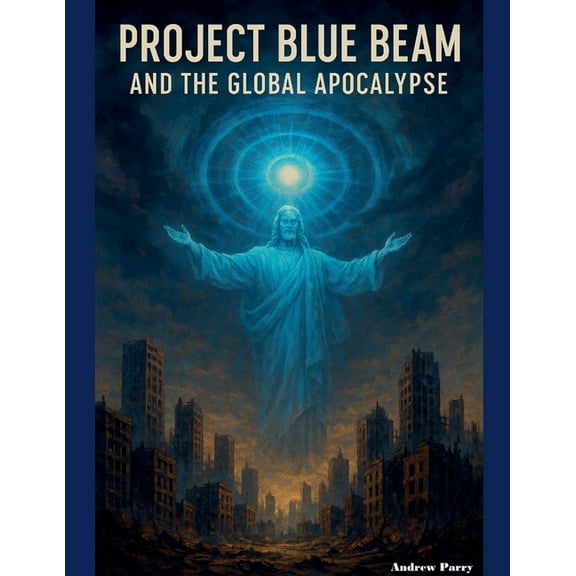
Project Blue Beam and the Global Apocalypse, (Paperback) $32.35
 $3235current price $32.35
Project Blue Beam and the Global Apocalypse, (Paperback)
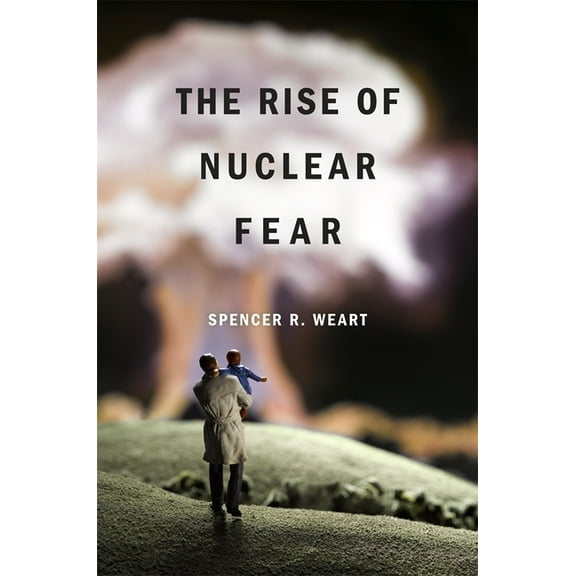
Rise of Nuclear Fear (Paperback) $28.54
 $2854current price $28.54
Rise of Nuclear Fear (Paperback)
Spiritualizing the World Ending the Era of Dictatorships, Book 9, (Paperback) $32.18
 $3218current price $32.18
Spiritualizing the World Ending the Era of Dictatorships, Book 9, (Paperback)
World In A Bottle, (Paperback) $13.12
 $1312current price $13.12
World In A Bottle, (Paperback)
Digital Dummies' Guide to Cyber Safety: A Handbook for Secure Online Living, (Paperback) $18.64
 $1864current price $18.64
Digital Dummies' Guide to Cyber Safety: A Handbook for Secure Online Living, (Paperback)
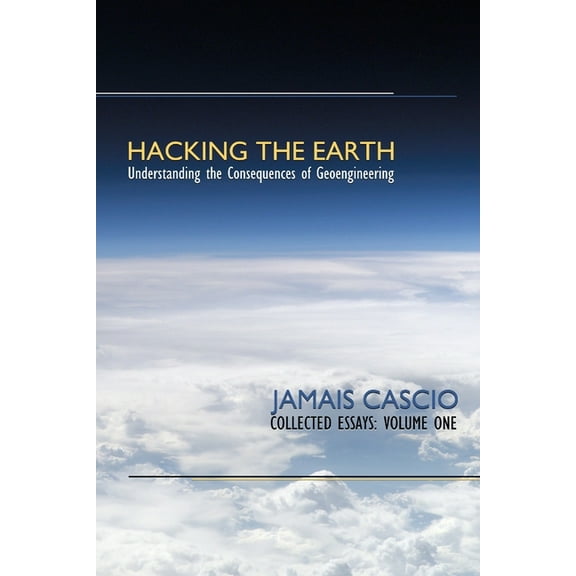
Hacking the Earth, (Paperback) $12.99
 $1299current price $12.99
Hacking the Earth, (Paperback)
Singulær realisme part 1, (Paperback) $25.63
 $2563current price $25.63
Singulær realisme part 1, (Paperback)
Cybersecurity: Safeguarding Our Digital World, (Paperback) $25.71
 $2571current price $25.71
Cybersecurity: Safeguarding Our Digital World, (Paperback)
North Korea and Nuclear Weapons: Entering the New Era of Deterrence, (Paperback) $36.60
 $3660current price $36.60
North Korea and Nuclear Weapons: Entering the New Era of Deterrence, (Paperback)
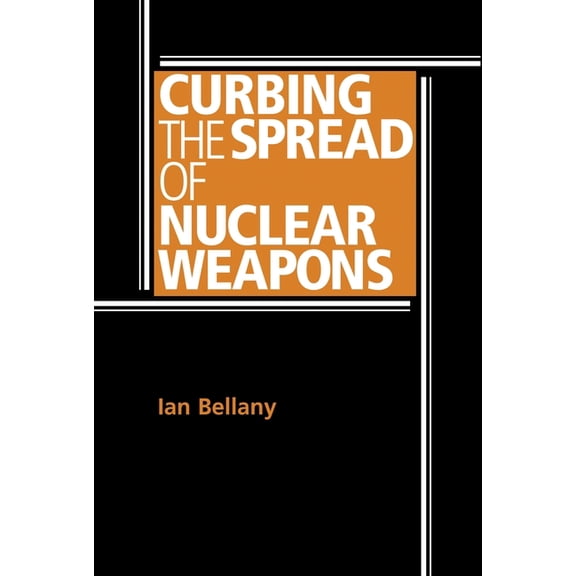
Curbing the spread of nuclear weapons, (Paperback) $27.44
 $2744current price $27.44
Curbing the spread of nuclear weapons, (Paperback)
The Arctic Survival Manual (Paperback) $28.49
 $2849current price $28.49
The Arctic Survival Manual (Paperback)
Launch Pad: The Countdown to Publishing Your Book, (Paperback) $14.06
 $1406current price $14.06
Launch Pad: The Countdown to Publishing Your Book, (Paperback)
The Final Tyrant: Unmasking the Antichrist and His Last Days Agenda, (Paperback) $18.98
 $1898current price $18.98
The Final Tyrant: Unmasking the Antichrist and His Last Days Agenda, (Paperback)
Singulær realisme: Part 2, (Paperback) $28.82
 $2882current price $28.82
Singulær realisme: Part 2, (Paperback)
AI for Robotics: Toward Embodied and General Intelligence in the Physical World, (Paperback) $18.72
 $1872current price $18.72
AI for Robotics: Toward Embodied and General Intelligence in the Physical World, (Paperback)
Customer ratings & reviews
0 ratings|0 reviews
This item does not have any reviews yet
