

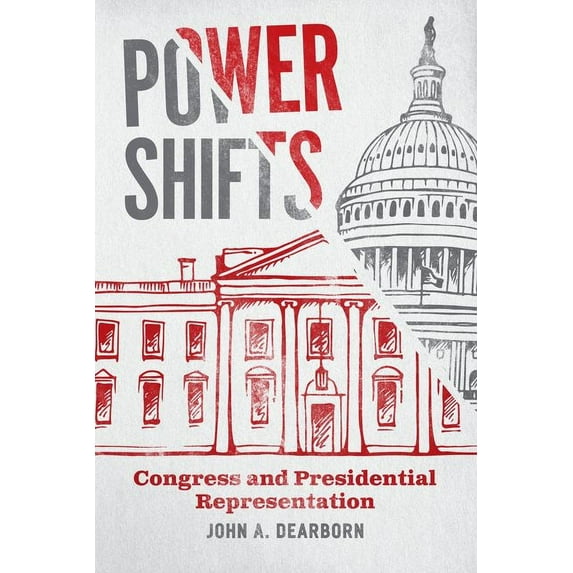
Hero image 0 of Chicago Studies in American Politics: Power Shifts : Congress and Presidential Representation (Edition 1) (Hardcover), 0 of 1
Chicago Studies in American Politics: Power Shifts : Congress and Presidential Representation (Edition 1) (Hardcover)
(No ratings yet)
Key item features
That the president uniquely represents the national interest is a political truism, yet this idea has been transformational, shaping the efforts of Congress to remake the presidency and testing the adaptability of American constitutional government.
The emergence of the modern presidency in the first half of the twentieth century transformed the American government. But surprisingly, presidents were not the primary driving force of this change—Congress was. Through a series of statutes, lawmakers endorsed presidential leadership in the legislative process and augmented the chief executive’s organizational capacities.
But why did Congress grant presidents this power? In Power Shifts, John A. Dearborn shows that legislators acted on the idea that the president was the best representative of the national interest. Congress subordinated its own claims to stand as the nation’s primary representative institution and designed reforms that assumed the president was the superior steward of all the people. In the process, Congress recast the nation’s chief executive as its chief representative.
As Dearborn demonstrates, the full extent to which Congress’s reforms rested on the idea of presidential representation was revealed when that notion’s validity was thrown into doubt. In the 1970s, Congress sought to restore its place in a rebalanced system, but legislators also found that their earlier success at institutional reinvention constrained their efforts to reclaim authority. Chronicling the evolving relationship between the presidency and Congress across a range of policy areas, Power Shifts exposes a fundamental dilemma in an otherwise proud tradition of constitutional adaptation.
The emergence of the modern presidency in the first half of the twentieth century transformed the American government. But surprisingly, presidents were not the primary driving force of this change—Congress was. Through a series of statutes, lawmakers endorsed presidential leadership in the legislative process and augmented the chief executive’s organizational capacities.
But why did Congress grant presidents this power? In Power Shifts, John A. Dearborn shows that legislators acted on the idea that the president was the best representative of the national interest. Congress subordinated its own claims to stand as the nation’s primary representative institution and designed reforms that assumed the president was the superior steward of all the people. In the process, Congress recast the nation’s chief executive as its chief representative.
As Dearborn demonstrates, the full extent to which Congress’s reforms rested on the idea of presidential representation was revealed when that notion’s validity was thrown into doubt. In the 1970s, Congress sought to restore its place in a rebalanced system, but legislators also found that their earlier success at institutional reinvention constrained their efforts to reclaim authority. Chronicling the evolving relationship between the presidency and Congress across a range of policy areas, Power Shifts exposes a fundamental dilemma in an otherwise proud tradition of constitutional adaptation.
Specs
- Book formatHardcover
- Fiction/nonfictionNon-Fiction
- Pub date2021-09-27
- Pages368
- Reading levelGeneral (US: Trade)
- SubgenreAmerican Government
Current price is USD$122.18
Price when purchased online
- Free shipping
 Free 30-day returns
How do you want your item?
Columbus, 43215
Arrives between Apr 14 - Apr 20
|
Sold and shipped by newbookdeals
4.556914893617021 stars out of 5, based on 1880 seller reviews(4.6)1880 seller reviews

Free 30-day returns
Other sellers
$149.57
+ $6.98 shippingShipping, arrives by Wed, Apr 8 to Columbus, 43215
Sold and shipped by Best Prices & Service
Not returnable
About this item
Product details
The emergence of the modern presidency in the first half of the twentieth century transformed the American government. But surprisingly, presidents were not the primary driving force of this change—it was Congress. Through a series of statutes, lawmakers endorsed presidential leadership in the legislative process and augmented the chief executive’s organizational capacities.
But why did Congress grant presidents this power? In Power Shifts, John A. Dearborn shows that legislators acted on the idea of presidential representation. Congress subordinated its own claims to stand as the nation’s primary representative institution and designed reforms that assumed the president, selected by the country rather than states or districts, was the superior steward of national interest. In the process, Congress recast the nation’s chief executive as its chief representative.
As Dearborn demonstrates, the full extent to which Congress’s reforms rested on the idea of presidential representation was revealed when that notion’s validity was thrown into doubt. In the 1970s, Congress sought to restore its place in a rebalanced system, but legislators also found that their earlier success at institutional reinvention constrained their efforts to reclaim authority. Chronicling the evolving relationship between the presidency and Congress across a range of policy areas, Power Shifts exposes a fundamental dilemma in an otherwise proud tradition of constitutional adaptation
But why did Congress grant presidents this power? In Power Shifts, John A. Dearborn shows that legislators acted on the idea of presidential representation. Congress subordinated its own claims to stand as the nation’s primary representative institution and designed reforms that assumed the president, selected by the country rather than states or districts, was the superior steward of national interest. In the process, Congress recast the nation’s chief executive as its chief representative.
As Dearborn demonstrates, the full extent to which Congress’s reforms rested on the idea of presidential representation was revealed when that notion’s validity was thrown into doubt. In the 1970s, Congress sought to restore its place in a rebalanced system, but legislators also found that their earlier success at institutional reinvention constrained their efforts to reclaim authority. Chronicling the evolving relationship between the presidency and Congress across a range of policy areas, Power Shifts exposes a fundamental dilemma in an otherwise proud tradition of constitutional adaptation
That the president uniquely represents the national interest is a political truism, yet this idea has been transformational, shaping the efforts of Congress to remake the presidency and testing the adaptability of American constitutional government.
The emergence of the modern presidency in the first half of the twentieth century transformed the American government. But surprisingly, presidents were not the primary driving force of this change—Congress was. Through a series of statutes, lawmakers endorsed presidential leadership in the legislative process and augmented the chief executive’s organizational capacities.
But why did Congress grant presidents this power? In Power Shifts, John A. Dearborn shows that legislators acted on the idea that the president was the best representative of the national interest. Congress subordinated its own claims to stand as the nation’s primary representative institution and designed reforms that assumed the president was the superior steward of all the people. In the process, Congress recast the nation’s chief executive as its chief representative.
As Dearborn demonstrates, the full extent to which Congress’s reforms rested on the idea of presidential representation was revealed when that notion’s validity was thrown into doubt. In the 1970s, Congress sought to restore its place in a rebalanced system, but legislators also found that their earlier success at institutional reinvention constrained their efforts to reclaim authority. Chronicling the evolving relationship between the presidency and Congress across a range of policy areas, Power Shifts exposes a fundamental dilemma in an otherwise proud tradition of constitutional adaptation.
The emergence of the modern presidency in the first half of the twentieth century transformed the American government. But surprisingly, presidents were not the primary driving force of this change—Congress was. Through a series of statutes, lawmakers endorsed presidential leadership in the legislative process and augmented the chief executive’s organizational capacities.
But why did Congress grant presidents this power? In Power Shifts, John A. Dearborn shows that legislators acted on the idea that the president was the best representative of the national interest. Congress subordinated its own claims to stand as the nation’s primary representative institution and designed reforms that assumed the president was the superior steward of all the people. In the process, Congress recast the nation’s chief executive as its chief representative.
As Dearborn demonstrates, the full extent to which Congress’s reforms rested on the idea of presidential representation was revealed when that notion’s validity was thrown into doubt. In the 1970s, Congress sought to restore its place in a rebalanced system, but legislators also found that their earlier success at institutional reinvention constrained their efforts to reclaim authority. Chronicling the evolving relationship between the presidency and Congress across a range of policy areas, Power Shifts exposes a fundamental dilemma in an otherwise proud tradition of constitutional adaptation.
info:
We aim to show you accurate product information. Manufacturers, suppliers and others provide what you see here, and we have not verified it.
Specifications
Book format
Hardcover
Fiction/nonfiction
Non-Fiction
Genre
Political & Social Sciences
Pub date
2021-09-27
Warranty
Warranty information
Please be aware that the warranty terms on items offered for sale by third party Marketplace sellers may differ from those displayed in this section (if any). To confirm warranty terms on an item offered for sale by a third party Marketplace seller, please use the 'Contact seller' feature on the third party Marketplace seller's information page and request the item's warranty terms prior to purchase.
Similar items you might like
Based on what customers bought
Chicago Studies in American Politics: Divided Parties, Strong Leaders (Edition 1) (Hardcover) $101.15
 $10115current price $101.15
Chicago Studies in American Politics: Divided Parties, Strong Leaders (Edition 1) (Hardcover)
American Politics and Political Economy Series: Parties and Leaders in the Postreform House (Hardcover) $103.01
 $10301current price $103.01
American Politics and Political Economy Series: Parties and Leaders in the Postreform House (Hardcover)
Praeger Presidential Studies Presidential Frontiers: Underexplored Issues in White House Politics, (Hardcover) $91.24
 $9124current price $91.24
Praeger Presidential Studies Presidential Frontiers: Underexplored Issues in White House Politics, (Hardcover)
Chicago Studies in American Politics: A Tolerance for Inequality : American Public Opinion and Economic Policy (Edition 1) (Hardcover) $99.64
 $9964current price $99.64
Chicago Studies in American Politics: A Tolerance for Inequality : American Public Opinion and Economic Policy (Edition 1) (Hardcover)
Chicago Studies in American Politics: False Front : The Failed Promise of Presidential Power in a Polarized Age (Edition 1) (Hardcover) $80.50 Was $115.00
 $8050current price $80.50, Was $115.00$115.00
Chicago Studies in American Politics: False Front : The Failed Promise of Presidential Power in a Polarized Age (Edition 1) (Hardcover)
The Partisan Court: The Era of Political Partisanship on the U.S. Supreme Court, (Hardcover) $131.84
 $13184current price $131.84
The Partisan Court: The Era of Political Partisanship on the U.S. Supreme Court, (Hardcover)
Chicago Studies in American Politics: Accountability in State Legislatures (Edition 1) (Hardcover) $103.17
 $10317current price $103.17
Chicago Studies in American Politics: Accountability in State Legislatures (Edition 1) (Hardcover)
Chicago Studies in American Politics: Everyday Democracy : Liberals, Conservatives, and Their Routine Political Lives (Edition 1) (Hardcover) $101.00
 $10100current price $101.00
Chicago Studies in American Politics: Everyday Democracy : Liberals, Conservatives, and Their Routine Political Lives (Edition 1) (Hardcover)
The Decline and Fall of the Supreme Court: Living Out the Nightmares of the Federalists, (Hardcover) $88.54
 $8854current price $88.54
The Decline and Fall of the Supreme Court: Living Out the Nightmares of the Federalists, (Hardcover)
Chicago Studies in American Politics: The Limits of Party : Congress and Lawmaking in a Polarized Era (Edition 1) (Hardcover) $78.07
 $7807current price $78.07
Chicago Studies in American Politics: The Limits of Party : Congress and Lawmaking in a Polarized Era (Edition 1) (Hardcover)
Chicago Studies in American Politics: The Money Signal : How Fundraising Matters in American Politics (Edition 1) (Hardcover) $93.22
 $9322current price $93.22
Chicago Studies in American Politics: The Money Signal : How Fundraising Matters in American Politics (Edition 1) (Hardcover)
The Eclipse of Keynesianism: The Political Economy of the Chicago Counter-Revolution, (Hardcover) $107.81
 $10781current price $107.81
The Eclipse of Keynesianism: The Political Economy of the Chicago Counter-Revolution, (Hardcover)
Evolving American Presidency Us Presidents and the Destruction of the Native American Nations, (Hardcover) $126.60
 $12660current price $126.60
Evolving American Presidency Us Presidents and the Destruction of the Native American Nations, (Hardcover)
Political Mischief: Smear, Sabotage, and Reform in U.S. Elections, (Hardcover) $90.83
 $9083current price $90.83
Political Mischief: Smear, Sabotage, and Reform in U.S. Elections, (Hardcover)
Routledge Research in American Politics Candidate Character Traits in Presidential Elections, (Hardcover) $135.94
 $13594current price $135.94
Routledge Research in American Politics Candidate Character Traits in Presidential Elections, (Hardcover)
Insurgent Democracy: The Nonpartisan League in North American Politics, (Hardcover) $102.51
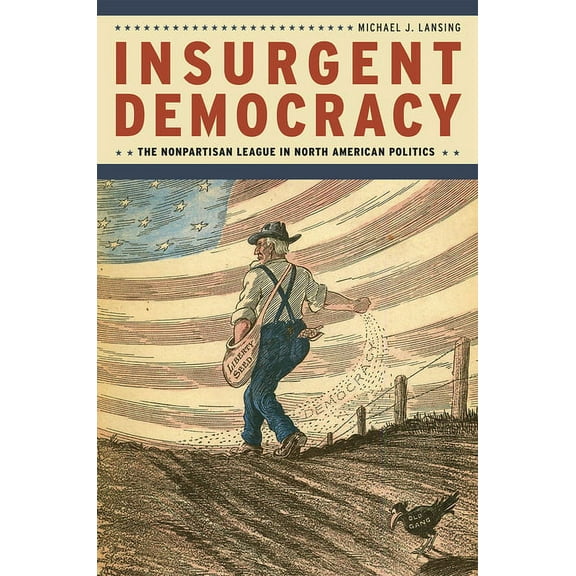 $10251current price $102.51
Insurgent Democracy: The Nonpartisan League in North American Politics, (Hardcover)
Chicago Studies in American Politics: How Partisan Media Polarize America (Hardcover) $109.26
 $10926current price $109.26
Chicago Studies in American Politics: How Partisan Media Polarize America (Hardcover)
Reforming Primary Elections: Voters, Campaigns, and the Future of Congressional Politics, (Hardcover) $102.86
 $10286current price $102.86
Reforming Primary Elections: Voters, Campaigns, and the Future of Congressional Politics, (Hardcover)
The Executive Branch of State Government: People, Process, and Politics, (Hardcover) $120.01
 $12001current price $120.01
The Executive Branch of State Government: People, Process, and Politics, (Hardcover)
The Changing Character of the American Right, Volume II: Ideology, Politics and Policy in the Era of Trump, (Hardcover) $104.27
 $10427current price $104.27
The Changing Character of the American Right, Volume II: Ideology, Politics and Policy in the Era of Trump, (Hardcover)
Customer ratings & reviews
0 ratings|0 reviews
This item does not have any reviews yet

Related pages
- International Negotiations
- Make Russia Great Again
- Atlantic Slave Trade
- American Dynamic
- Forbes India
- Nixon Resign
- Treaties in International Relations Books
- Literary Collections - Speeches
- 19th Century Modern History Books
- Russian & Former Soviet Union Political Books
- Asian Political Books
- Arms Control in International Relations Books