


Frontiers in Social Movement Theory (Paperback)
(No ratings yet)
Key item features
Social protest movements such as the civil rights movement and the gay rights movement mobilize and sustain themselves in ways that have long been of interest to social scientists. In this book some of the most distinguished scholars in the area of collective action present new theories about this process, fashioning a rich and conceptually sophisticated social psychology of social movements that goes beyond theories currently in use.
The book includes sometimes competing, sometimes complementary paradigms by theorists in resource mobilization, conflict, feminism, and collective action and by social psychologists and comparativists. These authors view the social movement actor from a more sociological perspective than do adherents of rational choice theory, and they analyze ways in which structural and cultural determinants influence the actor and generate or inhibit collective action and social change. The authors state that the collective identities and political consciousness of social movement actors are significantly shaped by their race, ethnicity, class, gender, or religion. Social structure--with its disparities in resources and opportunities--helps determine the nature of grievances, resources, and levels of organization. The book not only distinguishes the mobilization processes of consensus movements from those of conflict movements but also helps to explain the linkages between social movements, the state, and societal changes.
The book includes sometimes competing, sometimes complementary paradigms by theorists in resource mobilization, conflict, feminism, and collective action and by social psychologists and comparativists. These authors view the social movement actor from a more sociological perspective than do adherents of rational choice theory, and they analyze ways in which structural and cultural determinants influence the actor and generate or inhibit collective action and social change. The authors state that the collective identities and political consciousness of social movement actors are significantly shaped by their race, ethnicity, class, gender, or religion. Social structure--with its disparities in resources and opportunities--helps determine the nature of grievances, resources, and levels of organization. The book not only distinguishes the mobilization processes of consensus movements from those of conflict movements but also helps to explain the linkages between social movements, the state, and societal changes.
Specs
- Book formatPaperback
- Fiction/nonfictionNon-Fiction
- Publication dateAugust, 1992
- Pages400
- Edition1
- PublisherYale University Press
Current price is USD$62.61
Price when purchased online
- Free shipping
 Free 30-day returns
How do you want your item?
Ships to
Arrives by Tue, May 19
|
Sold and shipped by thebookpros
4.45746962115797 stars out of 5, based on 4197 seller reviews(4.5)4197 seller reviews

Free 30-day returns
More seller options (2)
Starting from $62.67
About this item
Product details
Social protest movements such as the civil rights movement and the gay rights movement mobilize and sustain themselves in ways that have long been of interest to social scientists. In this book some of the most distinguished scholars in the area of collective action present new theories about this process, fashioning a rich and conceptually sophisticated social psychology of social movements that goes beyond theories currently in use. The book includes sometimes competing, sometimes complementary paradigms by theorists in resource mobilization, conflict, feminism, and collective action and by social psychologists and comparativists. These authors view the social movement actor from a more sociological perspective than do adherents of rational choice theory, and they analyze ways in which structural and cultural determinants influence the actor and generate or inhibit collective action and social change. The authors state that the collective identities and political consciousness of social movement actors are significantly shaped by their race, ethnicity, class, gender, or religion. Social structure--with its disparities in resources and opportunities--helps determine the nature of grievances, resources, and levels of organization. The book not only distinguishes the mobilization processes of consensus movements from those of conflict movements but also helps to explain the linkages between social movements, the state, and societal changes.
Social protest movements such as the civil rights movement and the gay rights movement mobilize and sustain themselves in ways that have long been of interest to social scientists. In this book some of the most distinguished scholars in the area of collective action present new theories about this process, fashioning a rich and conceptually sophisticated social psychology of social movements that goes beyond theories currently in use.
The book includes sometimes competing, sometimes complementary paradigms by theorists in resource mobilization, conflict, feminism, and collective action and by social psychologists and comparativists. These authors view the social movement actor from a more sociological perspective than do adherents of rational choice theory, and they analyze ways in which structural and cultural determinants influence the actor and generate or inhibit collective action and social change. The authors state that the collective identities and political consciousness of social movement actors are significantly shaped by their race, ethnicity, class, gender, or religion. Social structure--with its disparities in resources and opportunities--helps determine the nature of grievances, resources, and levels of organization. The book not only distinguishes the mobilization processes of consensus movements from those of conflict movements but also helps to explain the linkages between social movements, the state, and societal changes.
The book includes sometimes competing, sometimes complementary paradigms by theorists in resource mobilization, conflict, feminism, and collective action and by social psychologists and comparativists. These authors view the social movement actor from a more sociological perspective than do adherents of rational choice theory, and they analyze ways in which structural and cultural determinants influence the actor and generate or inhibit collective action and social change. The authors state that the collective identities and political consciousness of social movement actors are significantly shaped by their race, ethnicity, class, gender, or religion. Social structure--with its disparities in resources and opportunities--helps determine the nature of grievances, resources, and levels of organization. The book not only distinguishes the mobilization processes of consensus movements from those of conflict movements but also helps to explain the linkages between social movements, the state, and societal changes.
info:
We aim to show you accurate product information. Manufacturers, suppliers and others provide what you see here, and we have not verified it.
Specifications
Book format
Paperback
Fiction/nonfiction
Non-Fiction
Genre
Political & Social Sciences
Publication date
August, 1992
Warranty
Warranty information
Please be aware that the warranty terms on items offered for sale by third party Marketplace sellers may differ from those displayed in this section (if any). To confirm warranty terms on an item offered for sale by a third party Marketplace seller, please use the 'Contact seller' feature on the third party Marketplace seller's information page and request the item's warranty terms prior to purchase.
Warnings
State Chemical Disclosure
None
Similar items you might like
Based on what customers bought
Econometric Society Monographs Advances in Economic Theory: Fifth World Congress, Book 12, (Paperback) $57.00
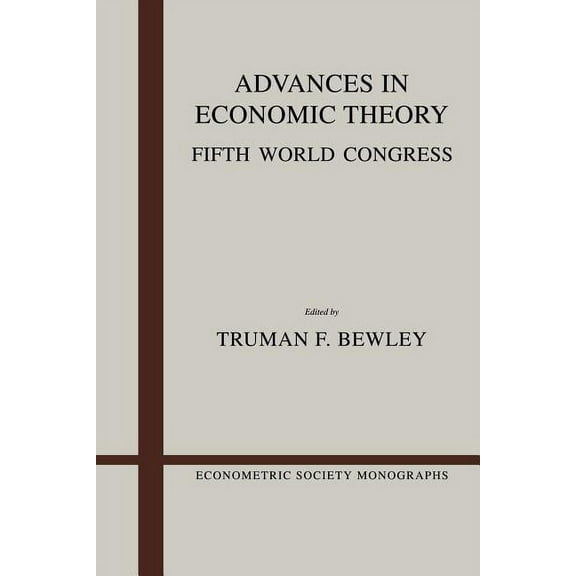 $5700current price $57.00
Econometric Society Monographs Advances in Economic Theory: Fifth World Congress, Book 12, (Paperback)
Theories of the Labor Movement, (Paperback) $26.99
 $2699current price $26.99
Theories of the Labor Movement, (Paperback)
Main Theories in Sociology (Paperback) $15.49
 $1549current price $15.49
Main Theories in Sociology (Paperback)
Studies in the Theory of Planning, (Paperback) $26.95
 $2695current price $26.95
Studies in the Theory of Planning, (Paperback)
Princeton Studies in Cultural Sociology Reinventing Justice: The American Drug Court Movement, Book 14, (Paperback) $20.88 Was $24.80
 $2088current price $20.88, Was $24.80$24.80
Princeton Studies in Cultural Sociology Reinventing Justice: The American Drug Court Movement, Book 14, (Paperback)
The Sociology of Urban Regions. --, (Paperback) $24.95
 $2495current price $24.95
The Sociology of Urban Regions. --, (Paperback)
Readings in Game Theory and Political Behavior, (Paperback) $15.95
 $1595current price $15.95
Readings in Game Theory and Political Behavior, (Paperback)
How Class Works : Power and Social Movement (Paperback) $21.64
 $2164current price $21.64
How Class Works : Power and Social Movement (Paperback)
Political Theology as Critical Theory, (Paperback) $24.95
 $2495current price $24.95
Political Theology as Critical Theory, (Paperback)
Social Evolution and Political Theory, (Paperback) $20.95
 $2095current price $20.95
Social Evolution and Political Theory, (Paperback)
Pragmatism and Political Theory, (Paperback) $28.00
 $2800current price $28.00
Pragmatism and Political Theory, (Paperback)
Heritage Theory Building in Social Work, (Paperback) $25.57
 $2557current price $25.57
Heritage Theory Building in Social Work, (Paperback)
The Constitution of Society : Outline of the Theory of Structuration (Edition 1) (Paperback) $28.45
 $2845current price $28.45
The Constitution of Society : Outline of the Theory of Structuration (Edition 1) (Paperback)
How to Be a Marxist in Philosophy, (Paperback) $31.48
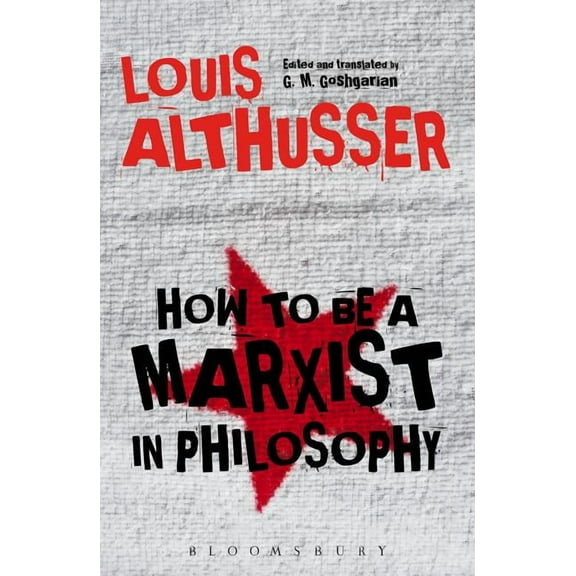 2 optionsAvailable in additional 2 options$3148current price $31.48
How to Be a Marxist in Philosophy, (Paperback)
Politics, Sociology, and Social Theory : Encounters with Classical and Contemporary Social Thought (Paperback) $25.16
 $2516current price $25.16
Politics, Sociology, and Social Theory : Encounters with Classical and Contemporary Social Thought (Paperback)
The Next Upsurge: Labor and the New Social Movements, (Paperback) $44.16
 $4416current price $44.16
The Next Upsurge: Labor and the New Social Movements, (Paperback)



Customer ratings & reviews
0 ratings|0 reviews
This item does not have any reviews yet

Related pages
- Actualization Theory
- Exit Pdf
- Layman Terms
- Atlantic Meaning
- Theodore W Sanders
- Best Sellers In Politics Government
- Political Philosophy Books
- Media & Internet Political Process Books
- Social Services & Welfare Policy Books
- Communication Policy Books
- Social Security Policy Books
- Structuralism Philosophy Movement Books