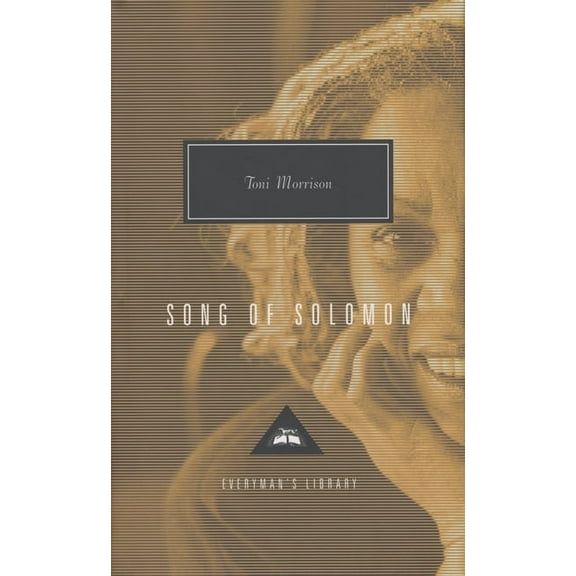
Toni Morrison's Song of Solomon feels like sitting at the feet of an elder who knows your whole bloodline — the mess, the magic, the miracles, and the wounds — and is finally ready to tell you the truth. It's a novel you don't just read; you absorb it like a spiritual download.
Morrison opens the story with a man trying to fly off a hospital roof, and from that moment on, you know this isn't a regular book. It's prophecy. It's history wrapped in myth. It's Black memory turned into song. Through Milkman Dead — privileged, lost, and stubborn — Morrison explores what happens when a Black man grows up disconnected from his roots and the women who carry him.
But let's be real: the women are the soul of this book. Pilate? She is every spiritual Black woman who survived without approval, without apology, without breaking her spirit. Ruth carries her loneliness like armor. Hagar's heartbreak shows the danger of loving someone harder than you love yourself. Each woman stands as a reminder that Black women keep families alive even when nobody is checking on us.
The themes hit even harder today: generational trauma, family secrets, self-discovery, the cost of ego, and the longing for freedom. Morrison writes names like spells, memories like riddles, and pain like something holy. The story feels Southern and ancestral, but also timeless — like she was talking to us before we even existed.
Milkman's journey South is my favorite part. Watching him shift from selfish to spiritually awake felt like watching a cousin finally get his life together. And that ending — that leap — is Morrison's reminder that freedom will always belong to those brave enough to confront where they come from.
Song of Solomon is a masterpiece because it's layered, Black, mystical, and honest in a way few books dare to be. Morrison didn't just write a novel — she wrote a mirror for the diaspora. A reminder that our stories matter, our ancestors matter, and our healing is our inheritance.