


Hero image 0 of The Crises of Capitalism : A Different Study of Political Economy (Paperback), 0 of 1
The Crises of Capitalism : A Different Study of Political Economy (Paperback)
(No ratings yet)
Key item features
For nearly 300 years, capitalism propelled the world's most successful economies to new heights of development. But a spate of global environmental disasters and severe economic crises compels thinkers to question whether the system continues to function. Leveraging historical perspective, extensive research, and case studies, The Crises of Capitalism builds a compelling argument that challenges the most fundamental assumptions of prevailing economic theory.
Saral Sarkar exposes capitalism's flaws through the lens of ecosocialism, a philosophy that asserts that natural resources drive production and development. Keynes, Schumpeter, Marx, and Engles had no reason to believe that there would ever be a shortage of oil, minerals, water, or food—and that technological innovation could surmount any obstacle. But oil extraction has peaked, food is harder to come by, and the cost to maintain what natural resources remain has increased exponentially. Capitalism requires constant innovation to create growth—but as Sarkar establishes, even computers wouldn't exist without copper, gold, and zinc.
The Crises of Capitalism exists at the intersection of environmental awareness and economic theory. Sarkar challenges predominant explanations for catastrophic events like the 2008 global economic crisis, revises the classic paradigm of growth, and points to evidence of systemic economic failure. In this provocative, revolutionary criticism, Sarkar suggests that like other long–abandoned economic theories, capitalism has reached its limits.
"This is an important book, and it is on the front edge of the thinking that has to come to bear on the real crisis the world is facing, of the impossible idea of growth forever and the economic model that is driving the planet into irreversible crises." —Doug Tompkins
Saral Sarkar exposes capitalism's flaws through the lens of ecosocialism, a philosophy that asserts that natural resources drive production and development. Keynes, Schumpeter, Marx, and Engles had no reason to believe that there would ever be a shortage of oil, minerals, water, or food—and that technological innovation could surmount any obstacle. But oil extraction has peaked, food is harder to come by, and the cost to maintain what natural resources remain has increased exponentially. Capitalism requires constant innovation to create growth—but as Sarkar establishes, even computers wouldn't exist without copper, gold, and zinc.
The Crises of Capitalism exists at the intersection of environmental awareness and economic theory. Sarkar challenges predominant explanations for catastrophic events like the 2008 global economic crisis, revises the classic paradigm of growth, and points to evidence of systemic economic failure. In this provocative, revolutionary criticism, Sarkar suggests that like other long–abandoned economic theories, capitalism has reached its limits.
"This is an important book, and it is on the front edge of the thinking that has to come to bear on the real crisis the world is facing, of the impossible idea of growth forever and the economic model that is driving the planet into irreversible crises." —Doug Tompkins
Specs
- Book formatPaperback
- Fiction/nonfictionNon-Fiction
- Publication dateMarch, 2014
- Pages392
- EditionStandard Edition
- PublisherCatapult
Current price is USD$17.95
Price when purchased online
- Free shipping
 Free 30-day returns
How do you want your item?
Ships to
Arrives by Wed, May 20
|
Sold and shipped by thebookpros
4.457728030483448 stars out of 5, based on 4199 seller reviews(4.5)4199 seller reviews

Free 30-day returns
Other sellers
$17.74
+Free shippingShipping, arrives by Wed, May 20 to Columbus, 43215
Sold and shipped by Alibris Books
Free 30-day returns
About this item
Product details
For nearly 300 years, capitalism propelled the world's most successful economies to new heights of development. But a spate of global environmental disasters and severe economic crises compels thinkers to question whether the system continues to function. Leveraging historical perspective, extensive research, and case studies, The Crises of Capitalism builds a compelling argument that challenges the most fundamental assumptions of prevailing economic theory.
Saral Sarkar exposes capitalism's flaws through the lens of ecosocialism, a philosophy that asserts that natural resources drive production and development. Keynes, Schumpeter, Marx, and Engles had no reason to believe that there would ever be a shortage of oil, minerals, water, or food--and that technological innovation could surmount any obstacle. But oil extraction has peaked, food is harder to come by, and the cost to maintain what natural resources remain has increased exponentially. Capitalism requires constant innovation to create growth--but as Sarkar establishes, even computers wouldn't exist without copper, gold, and zinc.
The Crises of Capitalism exists at the intersection of environmental awareness and economic theory. Sarkar challenges predominant explanations for catastrophic events like the 2008 global economic crisis, revises the classic paradigm of growth, and points to evidence of systemic economic failure. In this provocative, revolutionary criticism, Sarkar suggests that like other long-abandoned economic theories, capitalism has reached its limits.
"This is an important book, and it is on the front edge of the thinking that has to come to bear on the real crisis the world is facing, of the impossible idea of growth forever and the economic model that is driving the planet into irreversible crises." --Doug Tompkins
Saral Sarkar exposes capitalism's flaws through the lens of ecosocialism, a philosophy that asserts that natural resources drive production and development. Keynes, Schumpeter, Marx, and Engles had no reason to believe that there would ever be a shortage of oil, minerals, water, or food--and that technological innovation could surmount any obstacle. But oil extraction has peaked, food is harder to come by, and the cost to maintain what natural resources remain has increased exponentially. Capitalism requires constant innovation to create growth--but as Sarkar establishes, even computers wouldn't exist without copper, gold, and zinc.
The Crises of Capitalism exists at the intersection of environmental awareness and economic theory. Sarkar challenges predominant explanations for catastrophic events like the 2008 global economic crisis, revises the classic paradigm of growth, and points to evidence of systemic economic failure. In this provocative, revolutionary criticism, Sarkar suggests that like other long-abandoned economic theories, capitalism has reached its limits.
"This is an important book, and it is on the front edge of the thinking that has to come to bear on the real crisis the world is facing, of the impossible idea of growth forever and the economic model that is driving the planet into irreversible crises." --Doug Tompkins
For nearly 300 years, capitalism propelled the world's most successful economies to new heights of development. But a spate of global environmental disasters and severe economic crises compels thinkers to question whether the system continues to function. Leveraging historical perspective, extensive research, and case studies, The Crises of Capitalism builds a compelling argument that challenges the most fundamental assumptions of prevailing economic theory.
Saral Sarkar exposes capitalism's flaws through the lens of ecosocialism, a philosophy that asserts that natural resources drive production and development. Keynes, Schumpeter, Marx, and Engles had no reason to believe that there would ever be a shortage of oil, minerals, water, or food—and that technological innovation could surmount any obstacle. But oil extraction has peaked, food is harder to come by, and the cost to maintain what natural resources remain has increased exponentially. Capitalism requires constant innovation to create growth—but as Sarkar establishes, even computers wouldn't exist without copper, gold, and zinc.
The Crises of Capitalism exists at the intersection of environmental awareness and economic theory. Sarkar challenges predominant explanations for catastrophic events like the 2008 global economic crisis, revises the classic paradigm of growth, and points to evidence of systemic economic failure. In this provocative, revolutionary criticism, Sarkar suggests that like other long–abandoned economic theories, capitalism has reached its limits.
"This is an important book, and it is on the front edge of the thinking that has to come to bear on the real crisis the world is facing, of the impossible idea of growth forever and the economic model that is driving the planet into irreversible crises." —Doug Tompkins
Saral Sarkar exposes capitalism's flaws through the lens of ecosocialism, a philosophy that asserts that natural resources drive production and development. Keynes, Schumpeter, Marx, and Engles had no reason to believe that there would ever be a shortage of oil, minerals, water, or food—and that technological innovation could surmount any obstacle. But oil extraction has peaked, food is harder to come by, and the cost to maintain what natural resources remain has increased exponentially. Capitalism requires constant innovation to create growth—but as Sarkar establishes, even computers wouldn't exist without copper, gold, and zinc.
The Crises of Capitalism exists at the intersection of environmental awareness and economic theory. Sarkar challenges predominant explanations for catastrophic events like the 2008 global economic crisis, revises the classic paradigm of growth, and points to evidence of systemic economic failure. In this provocative, revolutionary criticism, Sarkar suggests that like other long–abandoned economic theories, capitalism has reached its limits.
"This is an important book, and it is on the front edge of the thinking that has to come to bear on the real crisis the world is facing, of the impossible idea of growth forever and the economic model that is driving the planet into irreversible crises." —Doug Tompkins
info:
We aim to show you accurate product information. Manufacturers, suppliers and others provide what you see here, and we have not verified it.
Specifications
Book format
Paperback
Fiction/nonfiction
Non-Fiction
Genre
Business & Investing, Political & Social Sciences
Publication date
March, 2014
Warranty
Warranty information
Please be aware that the warranty terms on items offered for sale by third party Marketplace sellers may differ from those displayed in this section (if any). To confirm warranty terms on an item offered for sale by a third party Marketplace seller, please use the 'Contact seller' feature on the third party Marketplace seller's information page and request the item's warranty terms prior to purchase.
Similar items you might like
Based on what customers bought
Infocracia: La Digitalización Y La Crisis de la Democracia / Infocracy: Digitalization and the Crisis of Democracy, (Paperback) $16.45
 $1645current price $16.45
Infocracia: La Digitalización Y La Crisis de la Democracia / Infocracy: Digitalization and the Crisis of Democracy, (Paperback)
Talking to My Daughter about the Economy: Or, How Capitalism Works--And How It Fails, (Paperback) $12.59
 $1259current price $12.59
Talking to My Daughter about the Economy: Or, How Capitalism Works--And How It Fails, (Paperback)
Democratic Capitalism at the Crossroads: Technological Change and the Future of Politics, (Paperback) $27.58
 $2758current price $27.58
Democratic Capitalism at the Crossroads: Technological Change and the Future of Politics, (Paperback)
Twentieth Century Capitalism, (Paperback) $18.95
 $1895current price $18.95
Twentieth Century Capitalism, (Paperback)
Technofeudalism: What Killed Capitalism, (Paperback) $13.81
 $1381current price $13.81
Technofeudalism: What Killed Capitalism, (Paperback)
14 out of 5 Stars. 1 reviewsCapitalism, Socialism, and Democracy, (Paperback) $14.99
 $1499current price $14.99
Capitalism, Socialism, and Democracy, (Paperback)
Premiers fondements du capitalisme comportemental: Un inventaire d'une nouvelle variété de capitalisme, (Paperback) $18.53
 $1853current price $18.53
Premiers fondements du capitalisme comportemental: Un inventaire d'une nouvelle variété de capitalisme, (Paperback)
Progressive Capitalism: How to Make Tech Work for All of Us, (Paperback) $11.60
 $1160current price $11.60
Progressive Capitalism: How to Make Tech Work for All of Us, (Paperback)
Great Depression 2.0: Arguments against capitalism, (Paperback) $15.91
 $1591current price $15.91
Great Depression 2.0: Arguments against capitalism, (Paperback)
The Great Deformation: The Corruption of Capitalism in America, (Paperback) $13.23
 $1323current price $13.23
The Great Deformation: The Corruption of Capitalism in America, (Paperback)
Antagonistics : Capitalism and Power in an Age of War (Paperback) $17.97
 $1797current price $17.97
Antagonistics : Capitalism and Power in an Age of War (Paperback)
Modern American Capitalism: Ideologies and Issues, (Paperback) $18.95
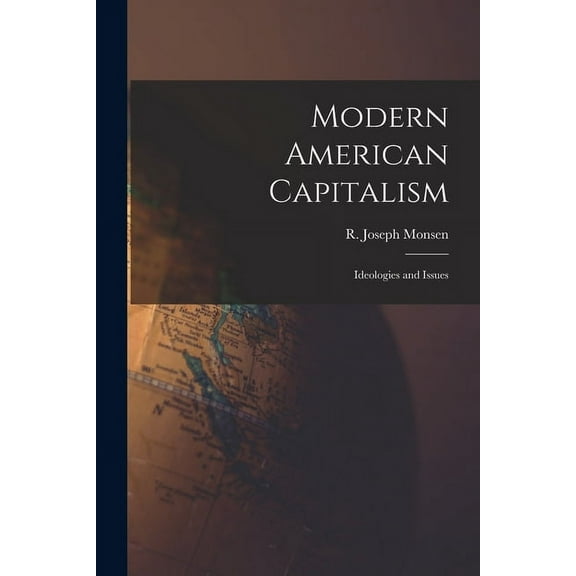 $1895current price $18.95
Modern American Capitalism: Ideologies and Issues, (Paperback)
A People's Guide to Capitalism: An Introduction to Marxist Economics, (Paperback) $12.53
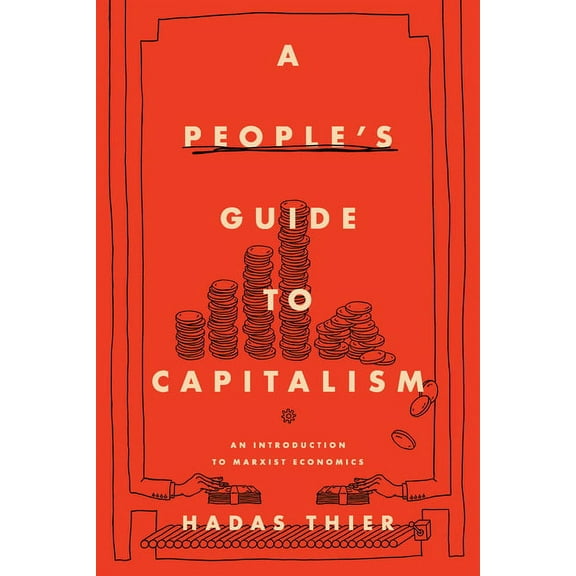 $1253current price $12.53
A People's Guide to Capitalism: An Introduction to Marxist Economics, (Paperback)
Only People Make Their Own History: Writings on Capitalism, Imperialism, and Revolution (Paperback) $21.00
 $2100current price $21.00
Only People Make Their Own History: Writings on Capitalism, Imperialism, and Revolution (Paperback)
Studies in Modern Capitalism Geopolitics and Geoculture: Essays on the Changing World-System, (Paperback) $35.03
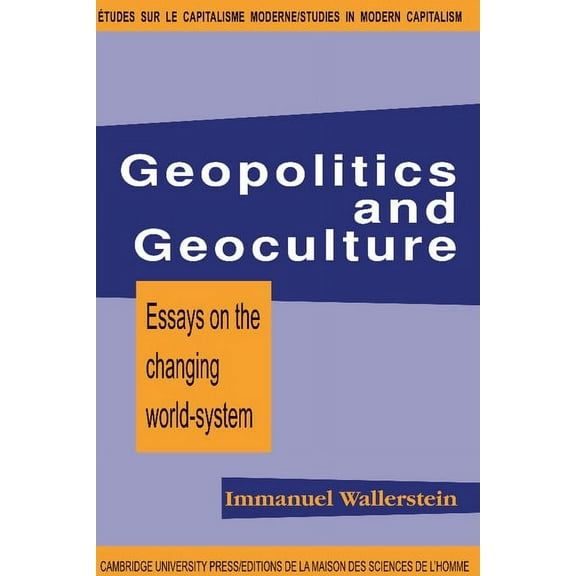 $3503current price $35.03
Studies in Modern Capitalism Geopolitics and Geoculture: Essays on the Changing World-System, (Paperback)
Capitalism and Its Economics: A Critical History, (Paperback) $33.00
 $3300current price $33.00
Capitalism and Its Economics: A Critical History, (Paperback)
The World Under Capitalism: Observations on Economics, Politics, History, and Culture, (Hardcover) $17.10
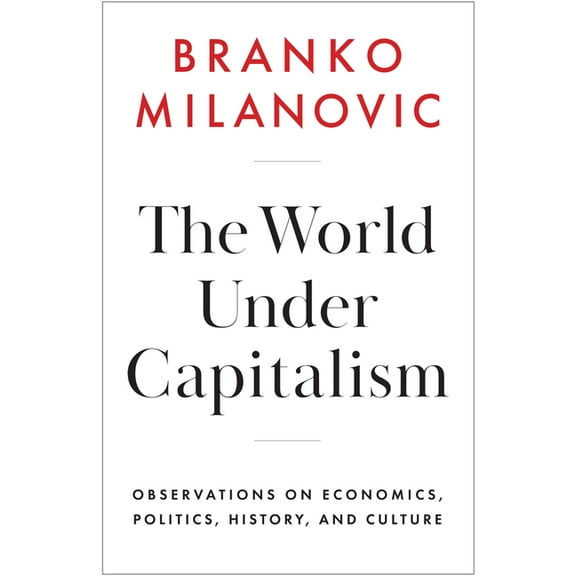 $1710current price $17.10
The World Under Capitalism: Observations on Economics, Politics, History, and Culture, (Hardcover)
Global Imperialism and the Great Crisis: The Uncertain Future of Capitalism (Paperback) $23.00
 $2300current price $23.00
Global Imperialism and the Great Crisis: The Uncertain Future of Capitalism (Paperback)

Customer ratings & reviews
0 ratings|0 reviews
This item does not have any reviews yet

Related pages
- Capitalism Failed
- Best Sellers In Political Economy
- Russia Leadership
- Best Sellers In Capitalism
- Capitalism Communism
- Goldstone Report Conservatism Liberalism Political Ideologies Books
- General International Relations Books
- Political Economy Books
- Diplomacy in International Relations Books
- Communication Policy Books
- Economic Policy Books
- Public Affairs & Administration Political Books