

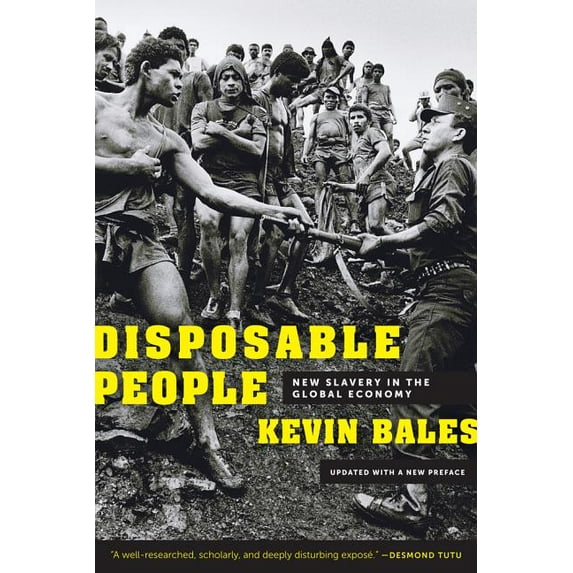
Disposable People : New Slavery in the Global Economy (Edition 3) (Paperback)
(No ratings yet)
Key item features
Slavery is illegal throughout the world, yet more than twenty-seven million people are still trapped in one of history's oldest social institutions. Kevin Bales's disturbing story of slavery today reaches from brick kilns in Pakistan and brothels in Thailand to the offices of multinational corporations. His investigation of conditions in Mauritania, Brazil, Thailand, Pakistan, and India reveals the tragic emergence of a "new slavery," one intricately linked to the global economy. The new slaves are not a long-term investment as was true with older forms of slavery, explains Bales. Instead, they are cheap, require little care, and are disposable.
Three interrelated factors have helped create the new slavery. The enormous population explosion over the past three decades has flooded the world's labor markets with millions of impoverished, desperate people. The revolution of economic globalization and modernized agriculture has dispossessed poor farmers, making them and their families ready targets for enslavement. And rapid economic change in developing countries has bred corruption and violence, destroying social rules that might once have protected the most vulnerable individuals.
Bales's vivid case studies present actual slaves, slaveholders, and public officials in well-drawn historical, geographical, and cultural contexts. He observes the complex economic relationships of modern slavery and is aware that liberation is a bitter victory for a child prostitute or a bondaged miner if the result is starvation.
Bales offers suggestions for combating the new slavery and provides examples of very positive results from organizations such as Anti-Slavery International, the Pastoral Land Commission in Brazil, and the Human Rights Commission in Pakistan. He also calls for researchers to follow the flow of raw materials and products from slave to marketplace in order to effectively target campaigns of "naming and shaming" corporations linked to slavery. Disposable People is the first book to point the way to abolishing slavery in today's global economy.
All of the author's royalties from this book go to fund anti-slavery projects around the world.
Three interrelated factors have helped create the new slavery. The enormous population explosion over the past three decades has flooded the world's labor markets with millions of impoverished, desperate people. The revolution of economic globalization and modernized agriculture has dispossessed poor farmers, making them and their families ready targets for enslavement. And rapid economic change in developing countries has bred corruption and violence, destroying social rules that might once have protected the most vulnerable individuals.
Bales's vivid case studies present actual slaves, slaveholders, and public officials in well-drawn historical, geographical, and cultural contexts. He observes the complex economic relationships of modern slavery and is aware that liberation is a bitter victory for a child prostitute or a bondaged miner if the result is starvation.
Bales offers suggestions for combating the new slavery and provides examples of very positive results from organizations such as Anti-Slavery International, the Pastoral Land Commission in Brazil, and the Human Rights Commission in Pakistan. He also calls for researchers to follow the flow of raw materials and products from slave to marketplace in order to effectively target campaigns of "naming and shaming" corporations linked to slavery. Disposable People is the first book to point the way to abolishing slavery in today's global economy.
All of the author's royalties from this book go to fund anti-slavery projects around the world.
Specs
- Book formatPaperback
- Fiction/nonfictionNon-Fiction
- Publication dateApril, 2012
- Pages336
- Reading levelGeneral (US: Trade)
- SubgenreSlavery
Current price is USDNow $25.11
You save $4.74
was $29.85$29.85
You save$4.74
Price when purchased online
 Free 90-day returns
How do you want your item?
Try 30 days for just $1! Choose a plan at checkout.
Ships to
Arrives by Wed, May 20
Sold and shipped by Walmart.com

Free 90-day returns

This item is gift eligible
Other sellers
$33.87
+Free shippingShipping, arrives by Tue, May 19 to Columbus, 43215
Sold and shipped by thebookpros
Free 30-day returns

Try 30 days of Walmart+ for just $1!
T&C apply. Claim offer now
About this item
Product details
Slavery is illegal throughout the world, yet more than twenty-seven million people are still trapped in one of history's oldest social institutions. Kevin Bales's disturbing story of slavery today reaches from brick kilns in Pakistan and brothels in Thailand to the offices of multinational corporations. His investigation of conditions in Mauritania, Brazil, Thailand, Pakistan, and India reveals the tragic emergence of a "new slavery," one intricately linked to the global economy. The new slaves are not a long-term investment as was true with older forms of slavery, explains Bales. Instead, they are cheap, require little care, and are disposable.
Three interrelated factors have helped create the new slavery. The enormous population explosion over the past three decades has flooded the world's labor markets with millions of impoverished, desperate people. The revolution of economic globalization and modernized agriculture has dispossessed poor farmers, making them and their families ready targets for enslavement. And rapid economic change in developing countries has bred corruption and violence, destroying social rules that might once have protected the most vulnerable individuals.
Bales's vivid case studies present actual slaves, slaveholders, and public officials in well-drawn historical, geographical, and cultural contexts. He observes the complex economic relationships of modern slavery and is aware that liberation is a bitter victory for a child prostitute or a bondaged miner if the result is starvation.
Bales offers suggestions for combating the new slavery and provides examples of very positive results from organizations such as Anti-Slavery International, the Pastoral Land Commission in Brazil, and the Human Rights Commission in Pakistan. He also calls for researchers to follow the flow of raw materials and products from slave to marketplace in order to effectively target campaigns of "naming and shaming" corporations linked to slavery. Disposable People is the first book to point the way to abolishing slavery in today's global economy.
All of the author's royalties from this book go to fund anti-slavery projects around the world.
Three interrelated factors have helped create the new slavery. The enormous population explosion over the past three decades has flooded the world's labor markets with millions of impoverished, desperate people. The revolution of economic globalization and modernized agriculture has dispossessed poor farmers, making them and their families ready targets for enslavement. And rapid economic change in developing countries has bred corruption and violence, destroying social rules that might once have protected the most vulnerable individuals.
Bales's vivid case studies present actual slaves, slaveholders, and public officials in well-drawn historical, geographical, and cultural contexts. He observes the complex economic relationships of modern slavery and is aware that liberation is a bitter victory for a child prostitute or a bondaged miner if the result is starvation.
Bales offers suggestions for combating the new slavery and provides examples of very positive results from organizations such as Anti-Slavery International, the Pastoral Land Commission in Brazil, and the Human Rights Commission in Pakistan. He also calls for researchers to follow the flow of raw materials and products from slave to marketplace in order to effectively target campaigns of "naming and shaming" corporations linked to slavery. Disposable People is the first book to point the way to abolishing slavery in today's global economy.
All of the author's royalties from this book go to fund anti-slavery projects around the world.
Slavery is illegal throughout the world, yet more than twenty-seven million people are still trapped in one of history's oldest social institutions. Kevin Bales's disturbing story of slavery today reaches from brick kilns in Pakistan and brothels in Thailand to the offices of multinational corporations. His investigation of conditions in Mauritania, Brazil, Thailand, Pakistan, and India reveals the tragic emergence of a "new slavery," one intricately linked to the global economy. The new slaves are not a long-term investment as was true with older forms of slavery, explains Bales. Instead, they are cheap, require little care, and are disposable.
Three interrelated factors have helped create the new slavery. The enormous population explosion over the past three decades has flooded the world's labor markets with millions of impoverished, desperate people. The revolution of economic globalization and modernized agriculture has dispossessed poor farmers, making them and their families ready targets for enslavement. And rapid economic change in developing countries has bred corruption and violence, destroying social rules that might once have protected the most vulnerable individuals.
Bales's vivid case studies present actual slaves, slaveholders, and public officials in well-drawn historical, geographical, and cultural contexts. He observes the complex economic relationships of modern slavery and is aware that liberation is a bitter victory for a child prostitute or a bondaged miner if the result is starvation.
Bales offers suggestions for combating the new slavery and provides examples of very positive results from organizations such as Anti-Slavery International, the Pastoral Land Commission in Brazil, and the Human Rights Commission in Pakistan. He also calls for researchers to follow the flow of raw materials and products from slave to marketplace in order to effectively target campaigns of "naming and shaming" corporations linked to slavery. Disposable People is the first book to point the way to abolishing slavery in today's global economy.
All of the author's royalties from this book go to fund anti-slavery projects around the world.
Three interrelated factors have helped create the new slavery. The enormous population explosion over the past three decades has flooded the world's labor markets with millions of impoverished, desperate people. The revolution of economic globalization and modernized agriculture has dispossessed poor farmers, making them and their families ready targets for enslavement. And rapid economic change in developing countries has bred corruption and violence, destroying social rules that might once have protected the most vulnerable individuals.
Bales's vivid case studies present actual slaves, slaveholders, and public officials in well-drawn historical, geographical, and cultural contexts. He observes the complex economic relationships of modern slavery and is aware that liberation is a bitter victory for a child prostitute or a bondaged miner if the result is starvation.
Bales offers suggestions for combating the new slavery and provides examples of very positive results from organizations such as Anti-Slavery International, the Pastoral Land Commission in Brazil, and the Human Rights Commission in Pakistan. He also calls for researchers to follow the flow of raw materials and products from slave to marketplace in order to effectively target campaigns of "naming and shaming" corporations linked to slavery. Disposable People is the first book to point the way to abolishing slavery in today's global economy.
All of the author's royalties from this book go to fund anti-slavery projects around the world.
info:
We aim to show you accurate product information. Manufacturers, suppliers and others provide what you see here, and we have not verified it.
Specifications
Book format
Paperback
Fiction/nonfiction
Non-Fiction
Genre
Political & Social Sciences
Publication date
April, 2012
Warranty
Warranty information
Please be aware that the warranty terms on items offered for sale by third party Marketplace sellers may differ from those displayed in this section (if any). To confirm warranty terms on an item offered for sale by a third party Marketplace seller, please use the 'Contact seller' feature on the third party Marketplace seller's information page and request the item's warranty terms prior to purchase.
Similar items you might like
Based on what customers bought
The Care Economy, (Paperback) $26.71
 $2671current price $26.71
The Care Economy, (Paperback)
Best seller The Let Them Theory: A Life-Changing Tool That Millions of People Can't Stop Talking About (Hardcover) $19.21
Best seller 2 optionsAvailable in additional 2 options$1921current price $19.21
The Let Them Theory: A Life-Changing Tool That Millions of People Can't Stop Talking About (Hardcover)
4204.7 out of 5 Stars. 420 reviewsShare of Culture: How Brands Grow in the Attention Economy, (Paperback) $21.99
 $2199current price $21.99
Share of Culture: How Brands Grow in the Attention Economy, (Paperback)
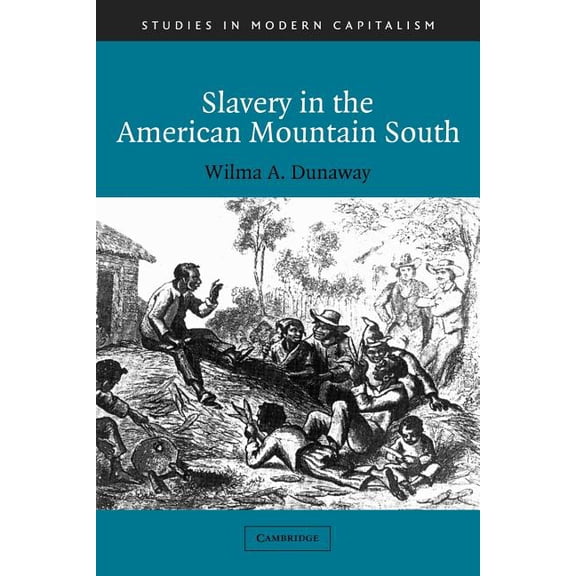
Studies in Modern Capitalism Slavery in the American Mountain South, (Paperback) $39.87
 $3987current price $39.87
Studies in Modern Capitalism Slavery in the American Mountain South, (Paperback)
Pre-Owned The Economy: Economics for a Changing World (Paperback) 0198810245 9780198810247 $21.99 Was $27.49
 $2199current price $21.99, Was $27.49$27.49
Pre-Owned The Economy: Economics for a Changing World (Paperback) 0198810245 9780198810247
Change the Story, Change the Future: A Living Economy for a Living Earth [16 Pt Large Print Edition], (Paperback) $23.99
![Change the Story, Change the Future: A Living Economy for a Living Earth [16 Pt Large Print Edition], (Paperback)](https://i5.walmartimages.com/asr/7c6a95fb-1571-41f6-b1db-ea40366793fb.87a402c050b6e104c546f02d57e1fbbe.jpeg?odnHeight=576&odnWidth=576&odnBg=FFFFFF) $2399current price $23.99
$2399current price $23.99Change the Story, Change the Future: A Living Economy for a Living Earth [16 Pt Large Print Edition], (Paperback)
Taking Shelter: Housing Finance for the World's Poor, (Paperback) $28.07 Was $31.95
 $2807current price $28.07, Was $31.95$31.95
Taking Shelter: Housing Finance for the World's Poor, (Paperback)
Building The New Economy: Distributive Capitalism, (Paperback) $14.52
 $1452current price $14.52
Building The New Economy: Distributive Capitalism, (Paperback)
It's Not About You: Winning New Business In A Crowded Agency World, (Paperback) $20.00
 $2000current price $20.00
It's Not About You: Winning New Business In A Crowded Agency World, (Paperback)
Marketcrafters: The 100-Year Struggle to Shape the American Economy, (Paperback) $22.00
 $2200current price $22.00
Marketcrafters: The 100-Year Struggle to Shape the American Economy, (Paperback)
Societas: Capitalism and Human Values (Paperback) $29.90
 $2990current price $29.90
Societas: Capitalism and Human Values (Paperback)
Human Economy People, Money and Power in the Economic Crisis: Perspectives from the Global South, Book 1, (Paperback) $39.66
 $3966current price $39.66
Human Economy People, Money and Power in the Economic Crisis: Perspectives from the Global South, Book 1, (Paperback)
Culture in an Age of Money: The Legacy of the 1980s in America, (Paperback) $19.95
 $1995current price $19.95
Culture in an Age of Money: The Legacy of the 1980s in America, (Paperback)
All Together Now: Common Sense for a Fair Economy [16 Pt Large Print Edition], (Paperback) $36.38
![All Together Now: Common Sense for a Fair Economy [16 Pt Large Print Edition], (Paperback)](https://i5.walmartimages.com/asr/01ff5eeb-3699-49ca-b301-5457b88b9aaf.7bc83a17baddea5d185469da66ae1a3a.jpeg?odnHeight=576&odnWidth=576&odnBg=FFFFFF) $3638current price $36.38
$3638current price $36.38All Together Now: Common Sense for a Fair Economy [16 Pt Large Print Edition], (Paperback)
What Will Your Legacy Be?: Conversations with Global Game Changers about the Climate Crisis, (Paperback) $20.25
 $2025current price $20.25
What Will Your Legacy Be?: Conversations with Global Game Changers about the Climate Crisis, (Paperback)
A Manual of Political Economy (Paperback) $22.95
 $2295current price $22.95
A Manual of Political Economy (Paperback)
Studies in Popular Culture Leisure, Citizenship and Working-Class Men in Britain, 1850-1940, (Paperback) $31.94
 $3194current price $31.94
Studies in Popular Culture Leisure, Citizenship and Working-Class Men in Britain, 1850-1940, (Paperback)
Breaks in the Chain: What Immigrant Workers Can Teach America about Democracy, (Paperback) $27.38
 $2738current price $27.38
Breaks in the Chain: What Immigrant Workers Can Teach America about Democracy, (Paperback)
Customer ratings & reviews
0 ratings|0 reviews
This item does not have any reviews yet
