

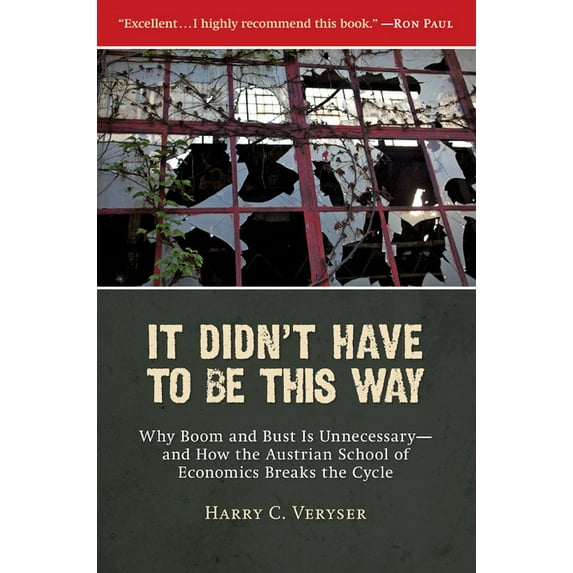
Hero image 0 of It Didn't Have to Be This Way : Why Boom and Bust Is Unnecessary—and How the Austrian School of Economics Breaks the Cycle (Hardcover), 0 of 1
It Didn't Have to Be This Way : Why Boom and Bust Is Unnecessary—and How the Austrian School of Economics Breaks the Cycle (Hardcover)
(No ratings yet)
Key item features
"Excellent . . . I highly recommend this book." —RON PAUL
Why is the boom-and-bust cycle so persistent? Why did economists fail to predict the economic meltdown that began in 2007—or to pull us out of the crisis more quickly? And how can we prevent future calamities?
Mainstream economics has no adequate answers for these pressing questions. To understand how we got here, and how we can ensure prosperity, we must turn to an alternative to the dominant approach: the Austrian School of economics.
Unfortunately, few people have even a vague understanding of the Austrian School, despite the prominence of leading figures such as Nobel Prize winner F. A. Hayek, author of The Road to Serfdom. Harry C. Veryser corrects that problem in this powerful and eye-opening book. In presenting the Austrian School’s perspective, he reveals why the boom-and-bust cycle is unnatural and unnecessary.
Veryser tells the fascinating (but frightening) story of how our modern economic condition developed. The most recent recession, far from being an isolated incident, was part of a larger cycle that has been the scourge of the West for a century—a cycle rooted in government manipulation of markets and currency. The lesson is clear: the devastation of the recent economic crisis—and of stagflation in the 1970s, and of the Great Depression in the 1930s—could have been avoided. It didn’t have to be this way.
Too long unappreciated, the Austrian School of economics reveals the crucial conditions for a successful economy and points the way to a free, prosperous, and humane society.
Why is the boom-and-bust cycle so persistent? Why did economists fail to predict the economic meltdown that began in 2007—or to pull us out of the crisis more quickly? And how can we prevent future calamities?
Mainstream economics has no adequate answers for these pressing questions. To understand how we got here, and how we can ensure prosperity, we must turn to an alternative to the dominant approach: the Austrian School of economics.
Unfortunately, few people have even a vague understanding of the Austrian School, despite the prominence of leading figures such as Nobel Prize winner F. A. Hayek, author of The Road to Serfdom. Harry C. Veryser corrects that problem in this powerful and eye-opening book. In presenting the Austrian School’s perspective, he reveals why the boom-and-bust cycle is unnatural and unnecessary.
Veryser tells the fascinating (but frightening) story of how our modern economic condition developed. The most recent recession, far from being an isolated incident, was part of a larger cycle that has been the scourge of the West for a century—a cycle rooted in government manipulation of markets and currency. The lesson is clear: the devastation of the recent economic crisis—and of stagflation in the 1970s, and of the Great Depression in the 1930s—could have been avoided. It didn’t have to be this way.
Too long unappreciated, the Austrian School of economics reveals the crucial conditions for a successful economy and points the way to a free, prosperous, and humane society.
Specs
- Book formatHardcover
- Fiction/nonfictionNon-Fiction
- Pub date20130107
- Pages328
- Age range0 - 99 Years
- Series titleCulture of Enterprise
Current price is USD$23.67
Price when purchased online
- Free shipping
 Free 30-day returns
How do you want your item?
Columbus, 43215
Arrives between Apr 11 - Apr 14
|
Sold and shipped by BooksXpress
3.975015422578655 stars out of 5, based on 3242 seller reviews(4.0)3242 seller reviews

Free 30-day returns
About this item
Product details
"Excellent . . . I highly recommend this book." --RON PAUL Why is the boom-and-bust cycle so persistent? Why did economists fail to predict the economic meltdown that began in 2007--or to pull us out of the crisis more quickly? And how can we prevent future calamities? Mainstream economics has no adequate answers for these pressing questions. To understand how we got here, and how we can ensure prosperity, we must turn to an alternative to the dominant approach: the Austrian School of economics. Unfortunately, few people have even a vague understanding of the Austrian School, despite the prominence of leading figures such as Nobel Prize winner F. A. Hayek, author of The Road to Serfdom. Harry C. Veryser corrects that problem in this powerful and eye-opening book. In presenting the Austrian School's perspective, he reveals why the boom-and-bust cycle is unnatural and unnecessary. Veryser tells the fascinating (but frightening) story of how our modern economic condition developed. The most recent recession, far from being an isolated incident, was part of a larger cycle that has been the scourge of the West for a century--a cycle rooted in government manipulation of markets and currency. The lesson is clear: the devastation of the recent economic crisis--and of stagflation in the 1970s, and of the Great Depression in the 1930s--could have been avoided. It didn't have to be this way. Too long unappreciated, the Austrian School of economics reveals the crucial conditions for a successful economy and points the way to a free, prosperous, and humane society.
"Excellent . . . I highly recommend this book." —RON PAUL
Why is the boom-and-bust cycle so persistent? Why did economists fail to predict the economic meltdown that began in 2007—or to pull us out of the crisis more quickly? And how can we prevent future calamities?
Mainstream economics has no adequate answers for these pressing questions. To understand how we got here, and how we can ensure prosperity, we must turn to an alternative to the dominant approach: the Austrian School of economics.
Unfortunately, few people have even a vague understanding of the Austrian School, despite the prominence of leading figures such as Nobel Prize winner F. A. Hayek, author of The Road to Serfdom. Harry C. Veryser corrects that problem in this powerful and eye-opening book. In presenting the Austrian School’s perspective, he reveals why the boom-and-bust cycle is unnatural and unnecessary.
Veryser tells the fascinating (but frightening) story of how our modern economic condition developed. The most recent recession, far from being an isolated incident, was part of a larger cycle that has been the scourge of the West for a century—a cycle rooted in government manipulation of markets and currency. The lesson is clear: the devastation of the recent economic crisis—and of stagflation in the 1970s, and of the Great Depression in the 1930s—could have been avoided. It didn’t have to be this way.
Too long unappreciated, the Austrian School of economics reveals the crucial conditions for a successful economy and points the way to a free, prosperous, and humane society.
Why is the boom-and-bust cycle so persistent? Why did economists fail to predict the economic meltdown that began in 2007—or to pull us out of the crisis more quickly? And how can we prevent future calamities?
Mainstream economics has no adequate answers for these pressing questions. To understand how we got here, and how we can ensure prosperity, we must turn to an alternative to the dominant approach: the Austrian School of economics.
Unfortunately, few people have even a vague understanding of the Austrian School, despite the prominence of leading figures such as Nobel Prize winner F. A. Hayek, author of The Road to Serfdom. Harry C. Veryser corrects that problem in this powerful and eye-opening book. In presenting the Austrian School’s perspective, he reveals why the boom-and-bust cycle is unnatural and unnecessary.
Veryser tells the fascinating (but frightening) story of how our modern economic condition developed. The most recent recession, far from being an isolated incident, was part of a larger cycle that has been the scourge of the West for a century—a cycle rooted in government manipulation of markets and currency. The lesson is clear: the devastation of the recent economic crisis—and of stagflation in the 1970s, and of the Great Depression in the 1930s—could have been avoided. It didn’t have to be this way.
Too long unappreciated, the Austrian School of economics reveals the crucial conditions for a successful economy and points the way to a free, prosperous, and humane society.
info:
We aim to show you accurate product information. Manufacturers, suppliers and others provide what you see here, and we have not verified it.
Specifications
Book format
Hardcover
Fiction/nonfiction
Non-Fiction
Genre
Business & Economics/Economic History
Pub date
20130107
Warranty
Warranty information
Please be aware that the warranty terms on items offered for sale by third party Marketplace sellers may differ from those displayed in this section (if any). To confirm warranty terms on an item offered for sale by a third party Marketplace seller, please use the 'Contact seller' feature on the third party Marketplace seller's information page and request the item's warranty terms prior to purchase.
Similar items you might like
Based on what customers bought
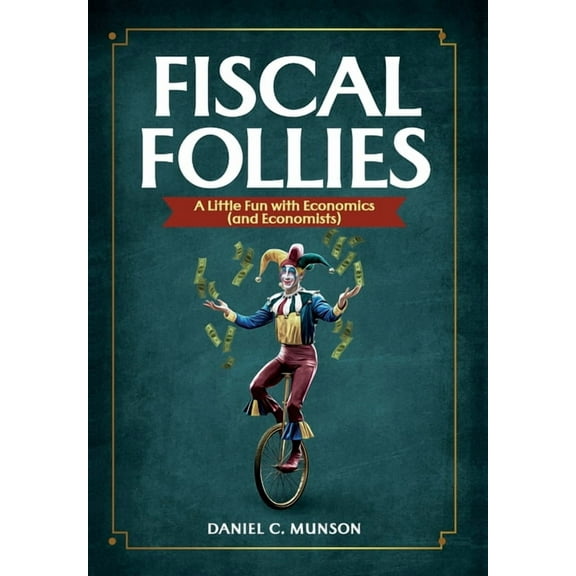
Fiscal Follies: A Little Fun with Economics (and Economists), (Hardcover) $14.61
 $1461current price $14.61
Fiscal Follies: A Little Fun with Economics (and Economists), (Hardcover)
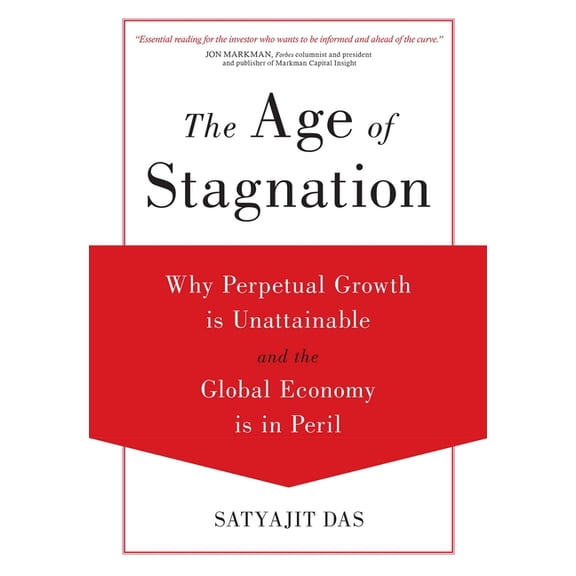
The Age of Stagnation: Why Perpetual Growth is Unattainable and the Global Economy is in Peril, (Hardcover) $24.97
 $2497current price $24.97
The Age of Stagnation: Why Perpetual Growth is Unattainable and the Global Economy is in Peril, (Hardcover)
Pre-Owned Chemistry: The Central Science (Hardcover) by Theodore Brown, H. LeMay, Bruce Bursten $12.49 Was $17.34
 2 optionsAvailable in additional 2 options$1249current price $12.49, Was $17.34$17.34
Pre-Owned Chemistry: The Central Science (Hardcover) by Theodore Brown, H. LeMay, Bruce Bursten
Best seller Harry Potter Crochet (Hardcover) $12.99
Best seller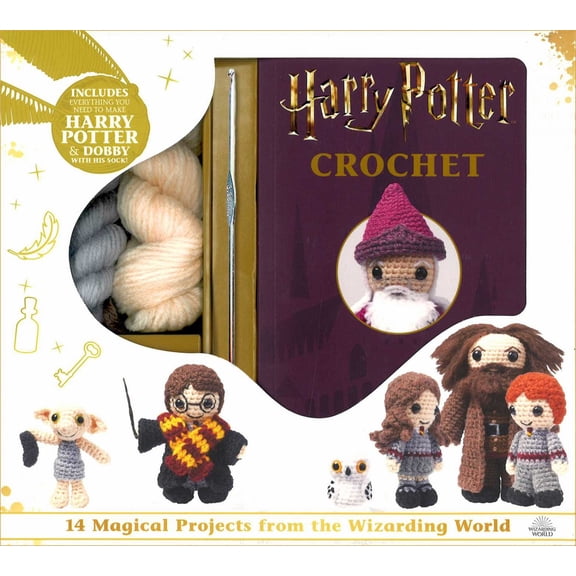 $1299current price $12.99
Harry Potter Crochet (Hardcover)
2234.4 out of 5 Stars. 223 reviewsBest seller 1929: Inside the Greatest Crash in Wall Street History--And How It Shattered a Nation (Hardcover) $20.59
Best seller $2059current price $20.59
1929: Inside the Greatest Crash in Wall Street History--And How It Shattered a Nation (Hardcover)
434.8 out of 5 Stars. 43 reviewsWhat's the Use of Economics? : Teaching the Dismal Science After the Crisis (Paperback) $26.78
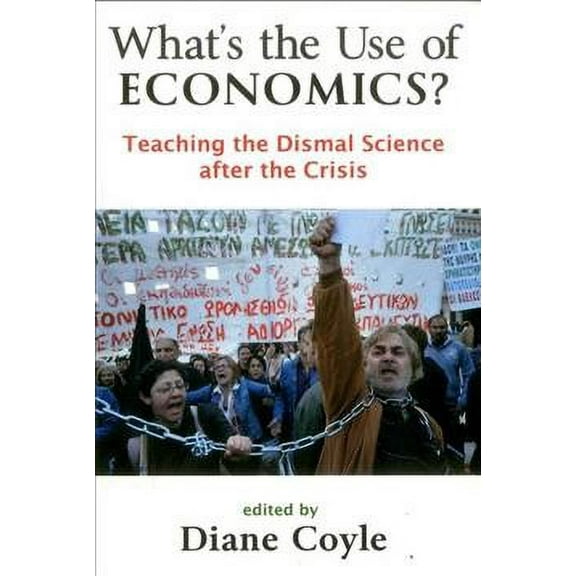 $2678current price $26.78
What's the Use of Economics? : Teaching the Dismal Science After the Crisis (Paperback)
Best seller The Psychology of Money: Timeless Lessons on Wealth, Greed, and Happiness (Paperback) $10.99 Was $14.99
Best seller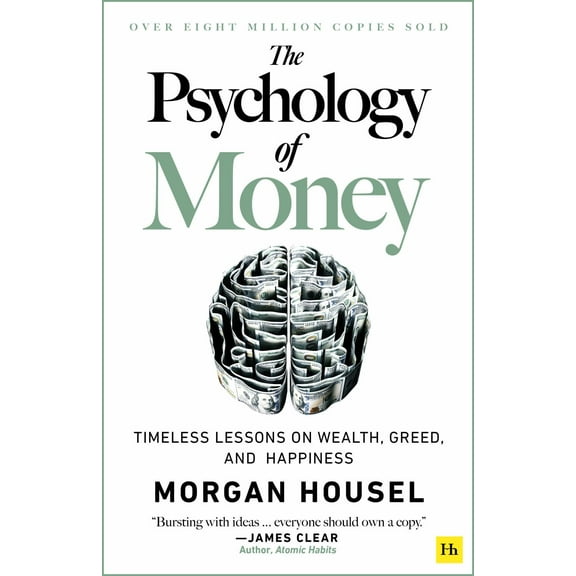 $1099current price $10.99, Was $14.99$14.99
The Psychology of Money: Timeless Lessons on Wealth, Greed, and Happiness (Paperback)
1314.5 out of 5 Stars. 131 reviews1931: Debt, Crisis, & Rise of Hitler P, (Paperback) $22.09
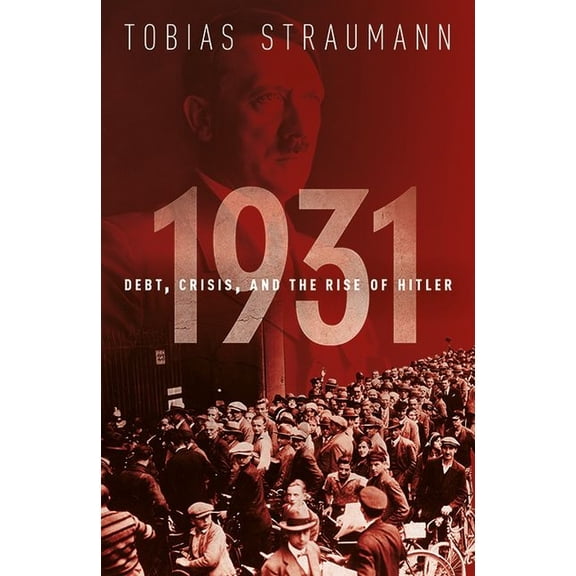 $2209current price $22.09
1931: Debt, Crisis, & Rise of Hitler P, (Paperback)
Tearing Down the Gates: Confronting the Class Divide in American Education, (Paperback) $20.78
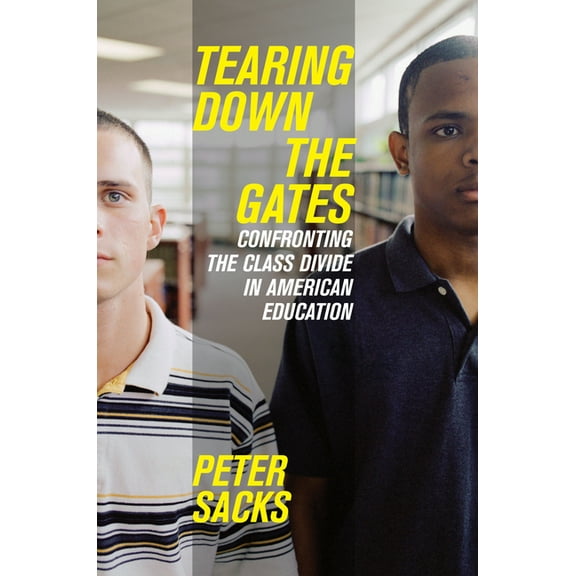 $2078current price $20.78
Tearing Down the Gates: Confronting the Class Divide in American Education, (Paperback)
Elements in Public Economics Welfare States, (Paperback) $24.56
 $2456current price $24.56
Elements in Public Economics Welfare States, (Paperback)
Economics in Two Lessons: Why Markets Work So Well, and Why They Can Fail So Badly, (Hardcover) $23.11
 $2311current price $23.11
Economics in Two Lessons: Why Markets Work So Well, and Why They Can Fail So Badly, (Hardcover)
Our Precious Time: A Beginner's Guide to the Austrian School of Economics, (Paperback) $17.84
 $1784current price $17.84
Our Precious Time: A Beginner's Guide to the Austrian School of Economics, (Paperback)
Economics for High Schools and Academies (Paperback) $25.95
 $2595current price $25.95
Economics for High Schools and Academies (Paperback)
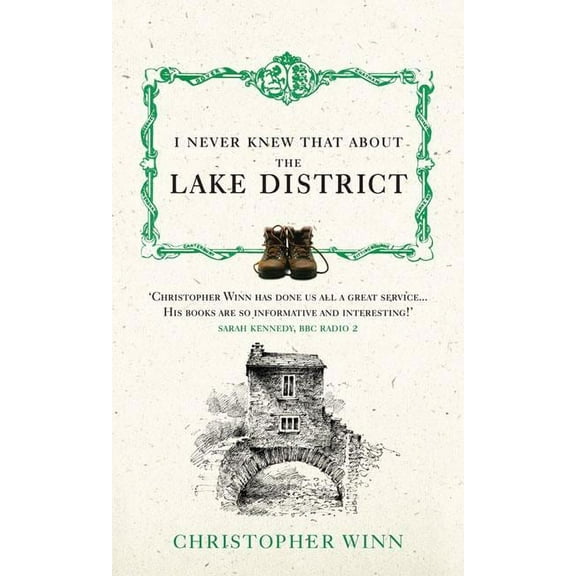
I Never Knew That about the Lake District, (Hardcover) $25.38
 $2538current price $25.38
I Never Knew That about the Lake District, (Hardcover)
The Last Supper: Conversations That Led to the Cross, (Paperback) $16.77
 $1677current price $16.77
The Last Supper: Conversations That Led to the Cross, (Paperback)
Embracing the Uncertain, 2nd Edition: A Bible Study for Unsteady Times, (Paperback) $15.25
 $1525current price $15.25
Embracing the Uncertain, 2nd Edition: A Bible Study for Unsteady Times, (Paperback)
Finance and Economics Discussion Series : Inflation Targeting Under Imperfect Knowledge (Paperback) $17.62
 $1762current price $17.62
Finance and Economics Discussion Series : Inflation Targeting Under Imperfect Knowledge (Paperback)
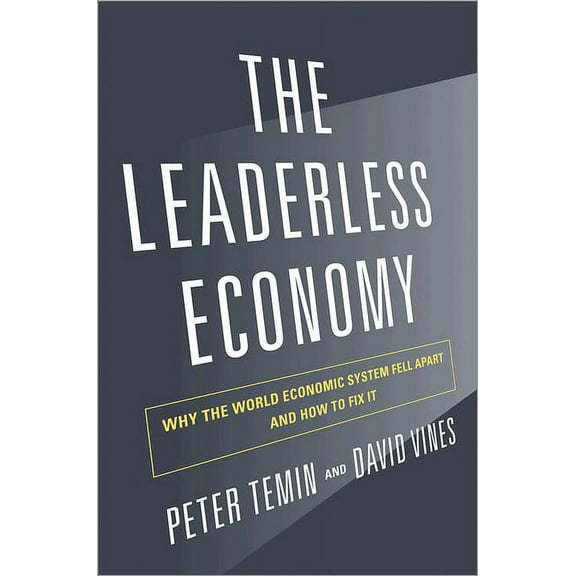
The Leaderless Economy: Why the World Economic System Fell Apart and How to Fix It, (Hardcover) $23.37
 $2337current price $23.37
The Leaderless Economy: Why the World Economic System Fell Apart and How to Fix It, (Hardcover)
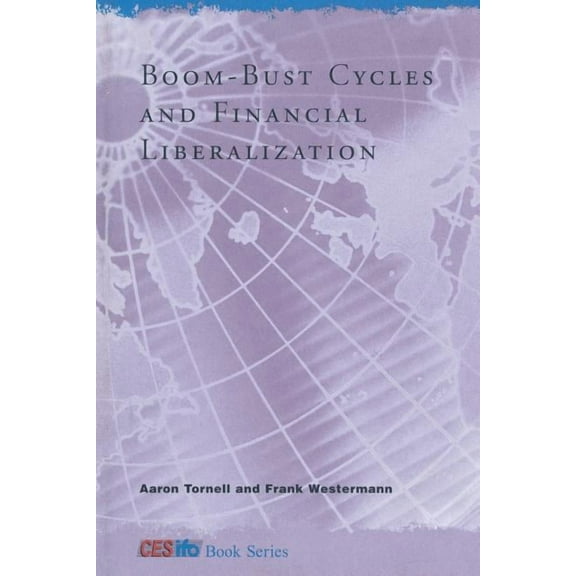
CESifo Book Boom-Bust Cycles and Financial Liberalization, (Paperback) $33.01
 $3301current price $33.01
CESifo Book Boom-Bust Cycles and Financial Liberalization, (Paperback)
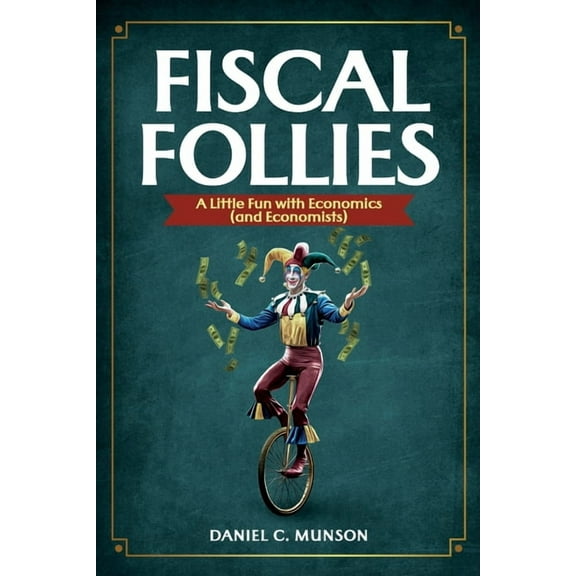
Fiscal Follies: A Little Fun with Economics (and Economists), (Paperback) $20.76
 $2076current price $20.76
Fiscal Follies: A Little Fun with Economics (and Economists), (Paperback)
Customer ratings & reviews
0 ratings|0 reviews
This item does not have any reviews yet
