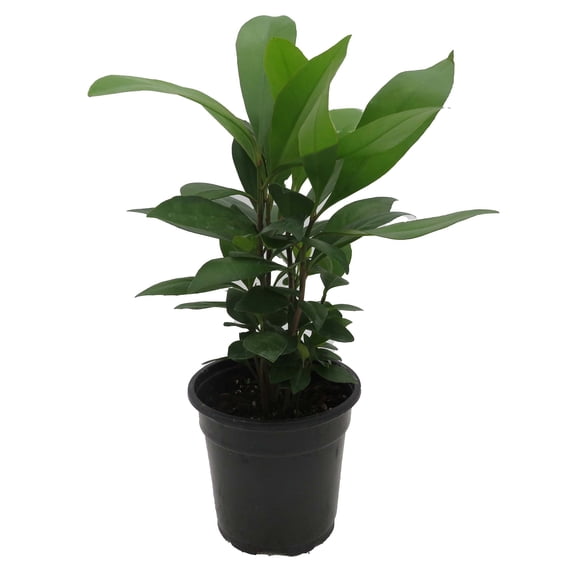
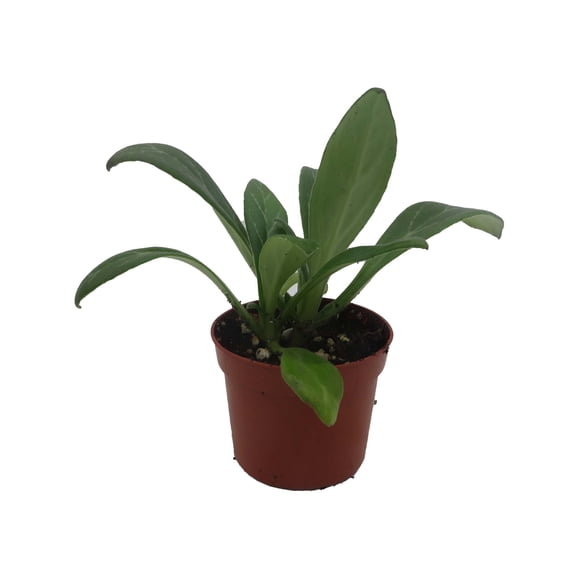
The betel (Piper betle) is the leaf of a vine belonging to the Piperaceae family, which includes pepper and kava. Betel leaf is mostly consumed in Asia, and elsewhere in the world by some Asian emigrants, as betel quid or in paan, with Areca nut and/or tobacco. In Sri Lanka and in the Indian states of Karnataka, Kerala, Tamil Nadu, Andhra Pradesh, Maharashtra, Assam, West Bengal and Odisha a sheaf of betel leaves is traditionally offered as a mark of respect and auspicious beginnings. Occasions include, greeting elders at wedding ceremonies, New Year, offering payment to Ayurvedic physicians and astrologers where usually money and or areca nut are kept on top of the sheaf of leaves and offered to the elders for their blessings. The betel plant is an evergreen perennial, with glossy heart-shaped leaves and white catkin. The betel plant originated in South and South East Asia. Indoors grow in a filtered light window and keep evenly moist, not wet or dry. Grow on a trellis or in a hanging basket. Its waxy green, heart-shaped leaves are used for medicinal and culinary purposes. When crushed, it exudes cool peppery scent. It’s used in making a famous dessert called ‘Paan’ which is chewed with betel nut as a mouth freshener. This mildly stimulant herb is popular in whole South Asia (Indian subcontinent), Thailand, Indonesia and Vietnam.