


Shopping for Bombs: Nuclear Proliferation, Global Insecurity, and the Rise and Fall of the A.Q. Khan Network, (Paperback)
(No ratings yet)
Key item features
Publishers Weekly,Corera, a security correspondent for the BBC, offers a measured account of how a young Pakistani metallurgist named A.Q. Khan became the world's leading dealer in nuclear technology. The story starts as Khan watched Pakistan lose the 1971 war with India and vowed to help prevent it from happening again. Three years later, as India tested its first nuclear device, he offered Prime Minister Bhutto his help in creating the Muslim world's first nuclear bomb. In 1975, when his Dutch employer discovered Khan had stolen centrifuge designs, he fled to Pakistan. Though he was tried in absentia in 1983, it wasn't until January 2004, under pressure from the U.S. and Britain, that he was arrested for 30 years of selling nuclear materials and designs to Libya, North Korea and Iran. By the mid-1980s, Corera points out, the U.S. was aware that Pakistan had produced weapons-grade uranium. Drawing on CIA and diplomatic accounts of the spread of technology, Corera also examines why the Americans initially looked the other way as Pakistan joined forces in arming the mujahideen in Afghanistan before becoming an ally in the hunt for bin Laden. (Sept.) (c) Copyright PWxyz, LLC. All rights reserved,Publishers Weekly,Publishers Weekly,Corera, a security correspondent for the BBC, offers a measured account of how a young Pakistani metallurgist named A.Q. Khan became the world's leading dealer in nuclear technology. The story starts as Khan watched Pakistan lose the 1971 war with India and vowed to help prevent it from happening again. Three years later, as India tested its first nuclear device, he offered Prime Minister Bhutto his help in creating the Muslim world's first nuclear bomb. In 1975, when his Dutch employer discovered Khan had stolen centrifuge designs, he fled to Pakistan. Though he was tried in absentia in 1983, it wasn't until January 2004, under pressure from the U.S. and Britain, that he was arrested for 30 years of selling nuclear materials and designs to Libya, North Korea and Iran. By the mid-1980s, Corera points out, the U.S. was aware that Pakistan had produced weapons-grade uranium. Drawing on CIA and diplomatic accounts of the spread of technology, Corera also examines why the Americans initially looked the other way as Pakistan joined forces in arming the mujahideen in Afghanistan before becoming an ally in the hunt for bin Laden. (Sept.) (c) Copyright PWxyz, LLC. All rights reserved
Specs
- Book formatPaperback
- Fiction/nonfictionNon-Fiction
- Pub date2009-09-21
- Pages304
- SubgenreInternational Relations
- Series titleNo Series
Current price is USD$26.99
Price when purchased online
 Free 90-day returns
How do you want your item?
Try 30 days of Free Shipping with Walmart+! Choose plan at checkout.
Columbus, 43215
Arrives by Thu, Apr 9
Sold and shipped by Walmart.com

Free 90-day returns

This item is gift eligible
More seller options (2)
Starting from $30.93

Get free delivery, shipping and more*
*Restrictions apply Try Walmart+ now
About this item
Product details
A.Q. Khan was the world's leading black market dealer in nuclear technology, described by a former CIA Director as at least as dangerous as Osama Bin Laden. Here for the first time is the riveting, inside story of the rise and fall of A.Q. Khan and his role in the devastating spread of nuclear technology over the last thirty years. Drawing on exclusive interviews with key players in Islamabad, London, and Washington, as well as with members of Khan's own network, BBC journalist Gordon Corera paints a truly unsettling picture of the nuclear arms bazaar. Corera reveals how Khan operated within a world of shadowy deals amongst rogue states and how his privileged position in Pakistan protected his unique and deadly business empire. Brimming with revelations, the book provides new insight into Iran's nuclear ambitions, how the CIA and MI6 penetrated and ultimately broke Khan's network, and how they persuaded Pakistan's President to arrest a national hero. The book also illuminates the high-wire dealings with Muammar Gadaffi which led to Libya's renunciation of nuclear weapons.
Publishers Weekly,Corera, a security correspondent for the BBC, offers a measured account of how a young Pakistani metallurgist named A.Q. Khan became the world's leading dealer in nuclear technology. The story starts as Khan watched Pakistan lose the 1971 war with India and vowed to help prevent it from happening again. Three years later, as India tested its first nuclear device, he offered Prime Minister Bhutto his help in creating the Muslim world's first nuclear bomb. In 1975, when his Dutch employer discovered Khan had stolen centrifuge designs, he fled to Pakistan. Though he was tried in absentia in 1983, it wasn't until January 2004, under pressure from the U.S. and Britain, that he was arrested for 30 years of selling nuclear materials and designs to Libya, North Korea and Iran. By the mid-1980s, Corera points out, the U.S. was aware that Pakistan had produced weapons-grade uranium. Drawing on CIA and diplomatic accounts of the spread of technology, Corera also examines why the Americans initially looked the other way as Pakistan joined forces in arming the mujahideen in Afghanistan before becoming an ally in the hunt for bin Laden. (Sept.) (c) Copyright PWxyz, LLC. All rights reserved,Publishers Weekly,Publishers Weekly,Corera, a security correspondent for the BBC, offers a measured account of how a young Pakistani metallurgist named A.Q. Khan became the world's leading dealer in nuclear technology. The story starts as Khan watched Pakistan lose the 1971 war with India and vowed to help prevent it from happening again. Three years later, as India tested its first nuclear device, he offered Prime Minister Bhutto his help in creating the Muslim world's first nuclear bomb. In 1975, when his Dutch employer discovered Khan had stolen centrifuge designs, he fled to Pakistan. Though he was tried in absentia in 1983, it wasn't until January 2004, under pressure from the U.S. and Britain, that he was arrested for 30 years of selling nuclear materials and designs to Libya, North Korea and Iran. By the mid-1980s, Corera points out, the U.S. was aware that Pakistan had produced weapons-grade uranium. Drawing on CIA and diplomatic accounts of the spread of technology, Corera also examines why the Americans initially looked the other way as Pakistan joined forces in arming the mujahideen in Afghanistan before becoming an ally in the hunt for bin Laden. (Sept.) (c) Copyright PWxyz, LLC. All rights reserved
info:
We aim to show you accurate product information. Manufacturers, suppliers and others provide what you see here, and we have not verified it.
Specifications
Book format
Paperback
Fiction/nonfiction
Non-Fiction
Genre
Political & Social Sciences
Pub date
2009-09-21
Warranty
Warranty information
Please be aware that the warranty terms on items offered for sale by third party Marketplace sellers may differ from those displayed in this section (if any). To confirm warranty terms on an item offered for sale by a third party Marketplace seller, please use the 'Contact seller' feature on the third party Marketplace seller's information page and request the item's warranty terms prior to purchase.
Similar items you might like
Based on what customers bought
Trident Deception The Trident Deception, Book 1, (Paperback) $24.99
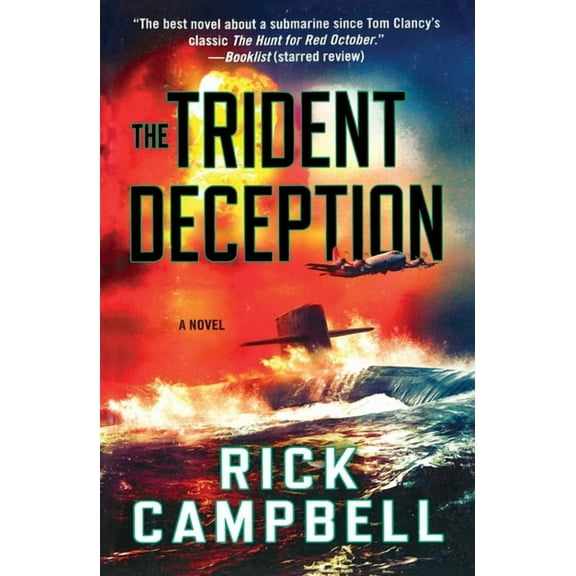 $2499current price $24.99
Trident Deception The Trident Deception, Book 1, (Paperback)
The Book For Men Who Have Everything: Unusual Knowledge and Boredom Busters for Intelligent Men, (Paperback) $13.79
 $1379current price $13.79
The Book For Men Who Have Everything: Unusual Knowledge and Boredom Busters for Intelligent Men, (Paperback)
Studies in International Security and Ar China Builds the Bomb, (Paperback) $28.11
 $2811current price $28.11
Studies in International Security and Ar China Builds the Bomb, (Paperback)
Weapons of Mass Destruction and Emerging Weapons of Mass Destruction: The Search for Global Security, (Paperback) $50.61
 $5061current price $50.61
Weapons of Mass Destruction and Emerging Weapons of Mass Destruction: The Search for Global Security, (Paperback)
Cyberclipper 2: Cyber Weapon Ends Nuclear War & China's Takeover of America (Paperback) $16.99
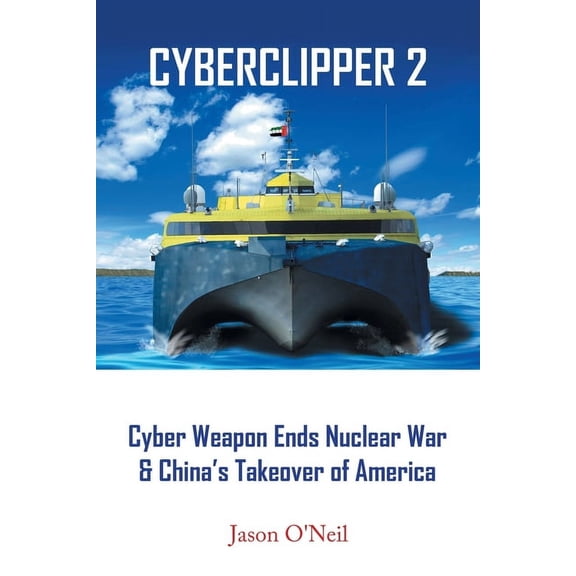 $1699current price $16.99
Cyberclipper 2: Cyber Weapon Ends Nuclear War & China's Takeover of America (Paperback)
Meditations on the Possibility of Romantic Love in the South between Eras of Nuclear Weapons Proliferation, (Paperback) $18.00
 $1800current price $18.00
Meditations on the Possibility of Romantic Love in the South between Eras of Nuclear Weapons Proliferation, (Paperback)
Crisis Prevention and Prosperity Management for the World Economy, (Paperback) $34.50
 $3450current price $34.50
Crisis Prevention and Prosperity Management for the World Economy, (Paperback)
The Business-Minded CISO: Run Your Security Program Efficiently, (Paperback) $27.12
 $2712current price $27.12
The Business-Minded CISO: Run Your Security Program Efficiently, (Paperback)
Emerging Voices from the Middle East: My Heart Became a Bomb (Paperback) $22.61
 $2261current price $22.61
Emerging Voices from the Middle East: My Heart Became a Bomb (Paperback)
Atomic Obsession: Nuclear Alarmism from Hiroshima to Al-Qaeda, (Paperback) $30.94
 $3094current price $30.94
Atomic Obsession: Nuclear Alarmism from Hiroshima to Al-Qaeda, (Paperback)
R.D. Karve: The Champion of Individual Liberty, (Paperback) $19.44
 $1944current price $19.44
R.D. Karve: The Champion of Individual Liberty, (Paperback)
Oppenheimer's Atomic Bombers, (Paperback) $16.86
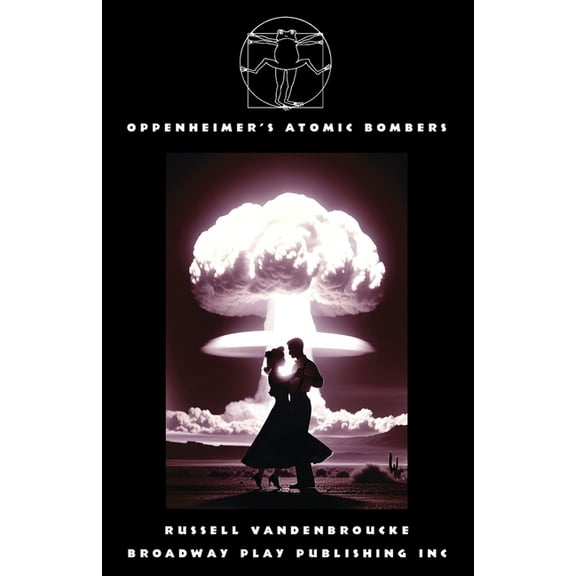 $1686current price $16.86
Oppenheimer's Atomic Bombers, (Paperback)
Tickling the Dragon's Tail: Politicians, Bureaucrats, and Scientists in the Nuclear Age, (Hardcover) $20.92 Was $26.99
 $2092current price $20.92, Was $26.99$26.99
Tickling the Dragon's Tail: Politicians, Bureaucrats, and Scientists in the Nuclear Age, (Hardcover)
Pre-Owned Circle's End (Mass Market Paperback) 0756408555 9780756408558 $26.29
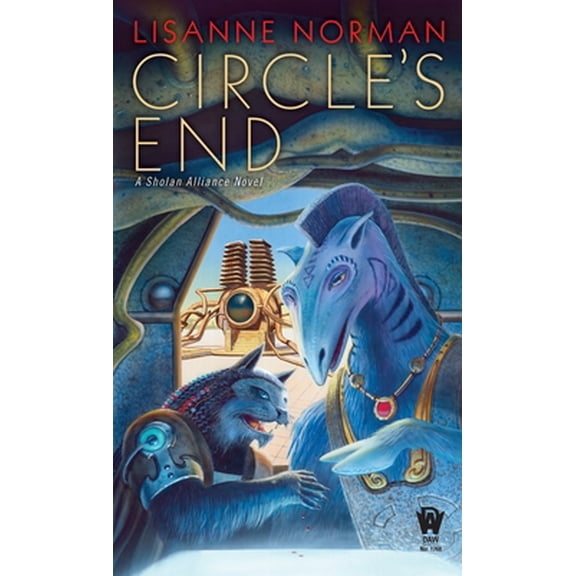 $2629current price $26.29
Pre-Owned Circle's End (Mass Market Paperback) 0756408555 9780756408558
Pre-Owned Circle's End (Mass Market Paperback) 0756408555 9780756408558 $26.29
$2629current price $26.29Pre-Owned Circle's End (Mass Market Paperback) 0756408555 9780756408558
Pockets of Resistance: British News Media, War and Theory in the 2003 Invasion of Iraq, (Paperback) $29.20
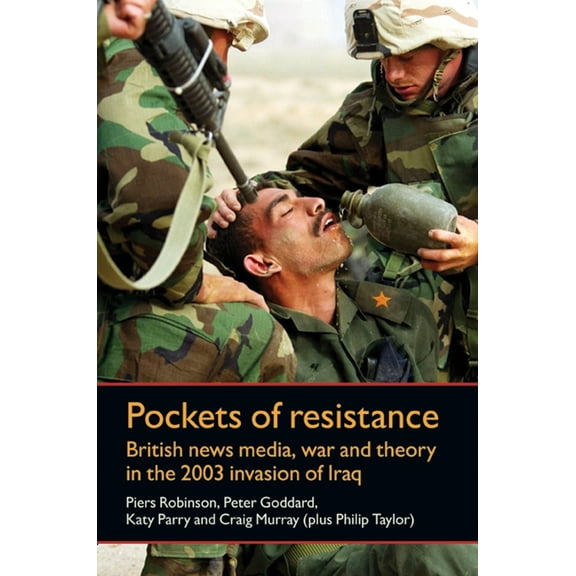 $2920current price $29.20
Pockets of Resistance: British News Media, War and Theory in the 2003 Invasion of Iraq, (Paperback)
Weapons of Mass Destruction and Emerging Surviving Amid Chaos: Israel's Nuclear Strategy, (Paperback) $29.98
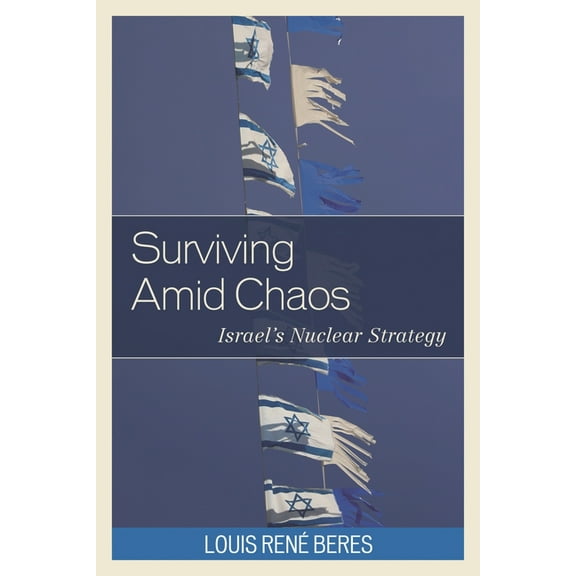 $2998current price $29.98
Weapons of Mass Destruction and Emerging Surviving Amid Chaos: Israel's Nuclear Strategy, (Paperback)
Plutopia: Nuclear Families, Atomic Cities, and the Great Soviet and American Plutonium Disasters, (Paperback) $22.51
 $2251current price $22.51
Plutopia: Nuclear Families, Atomic Cities, and the Great Soviet and American Plutonium Disasters, (Paperback)
Deterrence and Security in the 21st Century : China, Britain, France, and the Enduring Legacy of the Nuclear Revolution (Paperback) $39.72
 $3972current price $39.72
Deterrence and Security in the 21st Century : China, Britain, France, and the Enduring Legacy of the Nuclear Revolution (Paperback)
Customer ratings & reviews
0 ratings|0 reviews
This item does not have any reviews yet

Related pages
- The Sympathizer By Viet Thanh Nguyen
- Mao Legacy
- Dr Benjamin Dadebo
- Dr Muhammad Sarfraz
- Female Chancellor Of Germany
- China Intelligence Agency
- Asian Political Books
- Russian & Former Soviet Union Poetry Books
- Middle Eastern Political Books
- Iraq Middle Eastern History Books
- Globalization Business & Money Books
- 19th Century Modern History Books