

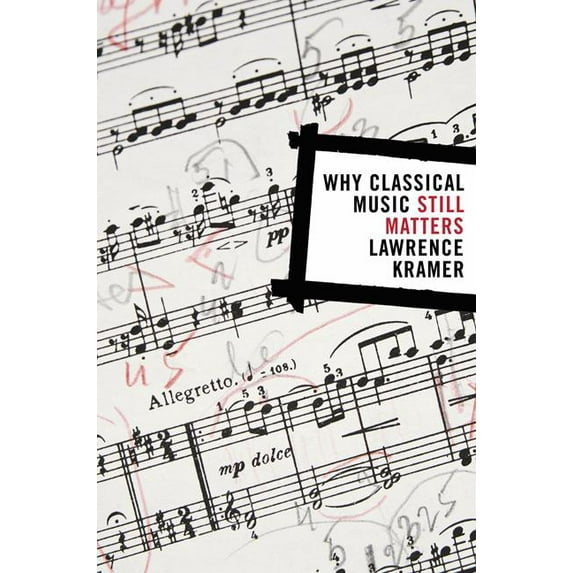
Why Classical Music Still Matters (Edition 1) (Paperback)
(No ratings yet)
Key item features
“What can be done about the state of classical music?” Lawrence Kramer asks in this elegant, sharply observed, and beautifully written extended essay. Classical music, whose demise has been predicted for at least a decade, has always had its staunch advocates, but in today’s media-saturated world there are real concerns about its viability. Why Classical Music Still Matters takes a forthright approach by engaging both skeptics and music lovers alike.
In seven highly original chapters, Why Classical Music Still Matters affirms the value of classical music—defined as a body of nontheatrical music produced since the eighteenth century with the single aim of being listened to—by revealing what its values are: the specific beliefs, attitudes, and meanings that the music has supported in the past and which, Kramer believes, it can support in the future.
Why Classical Music Still Matters also clears the air of old prejudices. Unlike other apologists, whose defense of the music often depends on arguments about the corrupting influence of popular culture, Kramer admits that classical music needs a broader, more up-to-date rationale. He succeeds in engaging the reader by putting into words music’s complex relationship with individual human drives and larger social needs. In prose that is fresh, stimulating, and conversational, he explores the nature of subjectivity, the conquest of time and mortality, the harmonization of humanity and technology, the cultivation of attention, and the liberation of human energy.
In seven highly original chapters, Why Classical Music Still Matters affirms the value of classical music—defined as a body of nontheatrical music produced since the eighteenth century with the single aim of being listened to—by revealing what its values are: the specific beliefs, attitudes, and meanings that the music has supported in the past and which, Kramer believes, it can support in the future.
Why Classical Music Still Matters also clears the air of old prejudices. Unlike other apologists, whose defense of the music often depends on arguments about the corrupting influence of popular culture, Kramer admits that classical music needs a broader, more up-to-date rationale. He succeeds in engaging the reader by putting into words music’s complex relationship with individual human drives and larger social needs. In prose that is fresh, stimulating, and conversational, he explores the nature of subjectivity, the conquest of time and mortality, the harmonization of humanity and technology, the cultivation of attention, and the liberation of human energy.
Specs
- Book formatPaperback
- Fiction/nonfictionNon-Fiction
- Pub date20090107
- Pages256
- SubgenreGenres & Styles
- Series titleNo Series
Current price is USD$19.39
Price when purchased online
 Free 90-day returns
How do you want your item?
Try 30 days of Free Shipping with Walmart+! Choose plan at checkout.
Columbus, 43215
Arrives by Tue, Apr 7
Sold and shipped by Walmart.com

Free 90-day returns

This item is gift eligible
More seller options (1)
Starting from $33.43

Get free delivery, shipping and more*
*Restrictions apply Try Walmart+ now
About this item
Product details
"What can be done about the state of classical music?" Lawrence Kramer asks in this elegant, sharply observed, and beautifully written extended essay. Classical music, whose demise has been predicted for at least a decade, has always had its staunch advocates, but in today's media-saturated world there are real concerns about its viability. Why Classical Music Still Matters takes a forthright approach by engaging both skeptics and music lovers alike.
In seven highly original chapters, Why Classical Music Still Matters affirms the value of classical music--defined as a body of nontheatrical music produced since the eighteenth century with the single aim of being listened to--by revealing what its values are: the specific beliefs, attitudes, and meanings that the music has supported in the past and which, Kramer believes, it can support in the future.
Why Classical Music Still Matters also clears the air of old prejudices. Unlike other apologists, whose defense of the music often depends on arguments about the corrupting influence of popular culture, Kramer admits that classical music needs a broader, more up-to-date rationale. He succeeds in engaging the reader by putting into words music's complex relationship with individual human drives and larger social needs. In prose that is fresh, stimulating, and conversational, he explores the nature of subjectivity, the conquest of time and mortality, the harmonization of humanity and technology, the cultivation of attention, and the liberation of human energy.
In seven highly original chapters, Why Classical Music Still Matters affirms the value of classical music--defined as a body of nontheatrical music produced since the eighteenth century with the single aim of being listened to--by revealing what its values are: the specific beliefs, attitudes, and meanings that the music has supported in the past and which, Kramer believes, it can support in the future.
Why Classical Music Still Matters also clears the air of old prejudices. Unlike other apologists, whose defense of the music often depends on arguments about the corrupting influence of popular culture, Kramer admits that classical music needs a broader, more up-to-date rationale. He succeeds in engaging the reader by putting into words music's complex relationship with individual human drives and larger social needs. In prose that is fresh, stimulating, and conversational, he explores the nature of subjectivity, the conquest of time and mortality, the harmonization of humanity and technology, the cultivation of attention, and the liberation of human energy.
“What can be done about the state of classical music?” Lawrence Kramer asks in this elegant, sharply observed, and beautifully written extended essay. Classical music, whose demise has been predicted for at least a decade, has always had its staunch advocates, but in today’s media-saturated world there are real concerns about its viability. Why Classical Music Still Matters takes a forthright approach by engaging both skeptics and music lovers alike.
In seven highly original chapters, Why Classical Music Still Matters affirms the value of classical music—defined as a body of nontheatrical music produced since the eighteenth century with the single aim of being listened to—by revealing what its values are: the specific beliefs, attitudes, and meanings that the music has supported in the past and which, Kramer believes, it can support in the future.
Why Classical Music Still Matters also clears the air of old prejudices. Unlike other apologists, whose defense of the music often depends on arguments about the corrupting influence of popular culture, Kramer admits that classical music needs a broader, more up-to-date rationale. He succeeds in engaging the reader by putting into words music’s complex relationship with individual human drives and larger social needs. In prose that is fresh, stimulating, and conversational, he explores the nature of subjectivity, the conquest of time and mortality, the harmonization of humanity and technology, the cultivation of attention, and the liberation of human energy.
In seven highly original chapters, Why Classical Music Still Matters affirms the value of classical music—defined as a body of nontheatrical music produced since the eighteenth century with the single aim of being listened to—by revealing what its values are: the specific beliefs, attitudes, and meanings that the music has supported in the past and which, Kramer believes, it can support in the future.
Why Classical Music Still Matters also clears the air of old prejudices. Unlike other apologists, whose defense of the music often depends on arguments about the corrupting influence of popular culture, Kramer admits that classical music needs a broader, more up-to-date rationale. He succeeds in engaging the reader by putting into words music’s complex relationship with individual human drives and larger social needs. In prose that is fresh, stimulating, and conversational, he explores the nature of subjectivity, the conquest of time and mortality, the harmonization of humanity and technology, the cultivation of attention, and the liberation of human energy.
info:
We aim to show you accurate product information. Manufacturers, suppliers and others provide what you see here, and we have not verified it.
Specifications
Book format
Paperback
Fiction/nonfiction
Non-Fiction
Genre
Art, Music, and Photography
Pub date
20090107
Warranty
Warranty information
Please be aware that the warranty terms on items offered for sale by third party Marketplace sellers may differ from those displayed in this section (if any). To confirm warranty terms on an item offered for sale by a third party Marketplace seller, please use the 'Contact seller' feature on the third party Marketplace seller's information page and request the item's warranty terms prior to purchase.
Similar items you might like
Based on what customers bought
3 Transcriptions: Violin and Piano, (Paperback) $13.99
 $1399current price $13.99
3 Transcriptions: Violin and Piano, (Paperback)
300 Fiddle Tunes, (Paperback) $13.41
 $1341current price $13.41
300 Fiddle Tunes, (Paperback)
The Hum of the World: A Philosophy of Listening, (Hardcover) $28.85
 $2885current price $28.85
The Hum of the World: A Philosophy of Listening, (Hardcover)
Top Hits of 2018 (Paperback) $17.47
 $1747current price $17.47
Top Hits of 2018 (Paperback)
Music Theory for Dummies, (Paperback) $21.06
 $2106current price $21.06
Music Theory for Dummies, (Paperback)
34.7 out of 5 Stars. 3 reviewsPre-Owned Broadway Belter's Songbook (Paperback) 0793521181 9780793521180 $6.94 Was $7.81
 $694current price $6.94, Was $7.81$7.81
Pre-Owned Broadway Belter's Songbook (Paperback) 0793521181 9780793521180
15 out of 5 Stars. 1 reviewsCountry Classics (Paperback) $14.16
 $1416current price $14.16
Country Classics (Paperback)
Why Mahler?: How One Man and Ten Symphonies Changed Our World, (Paperback) $19.25
 $1925current price $19.25
Why Mahler?: How One Man and Ten Symphonies Changed Our World, (Paperback)
First 50 Popular Songs You Should Play on the Piano (Paperback) $13.84
 2 optionsAvailable in additional 2 options$1384current price $13.84
First 50 Popular Songs You Should Play on the Piano (Paperback)
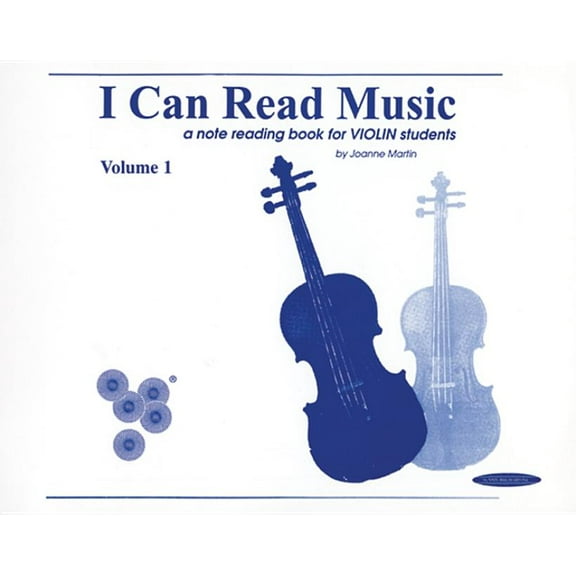
144.5 out of 5 Stars. 14 reviewsI Can Read Music, Vol 1: Violin, (Paperback) $13.99
 $1399current price $13.99
I Can Read Music, Vol 1: Violin, (Paperback)
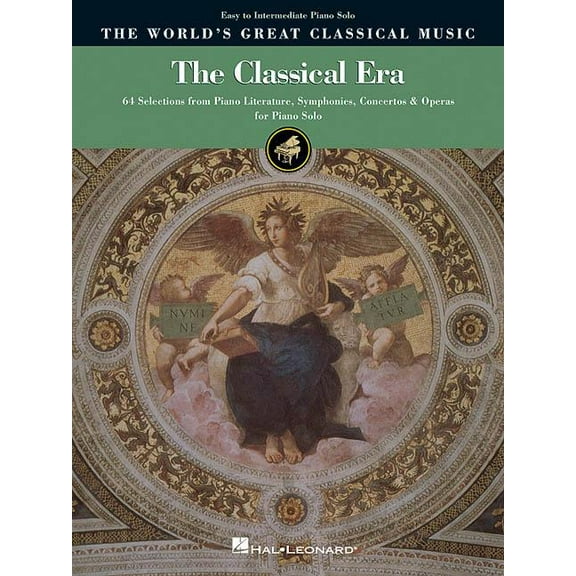
23 out of 5 Stars. 2 reviewsWorld's Great Classical Music: The Classical Era (Paperback) $17.41
 $1741current price $17.41
World's Great Classical Music: The Classical Era (Paperback)
Polka Time!, (Paperback) $16.96
 $1696current price $16.96
Polka Time!, (Paperback)
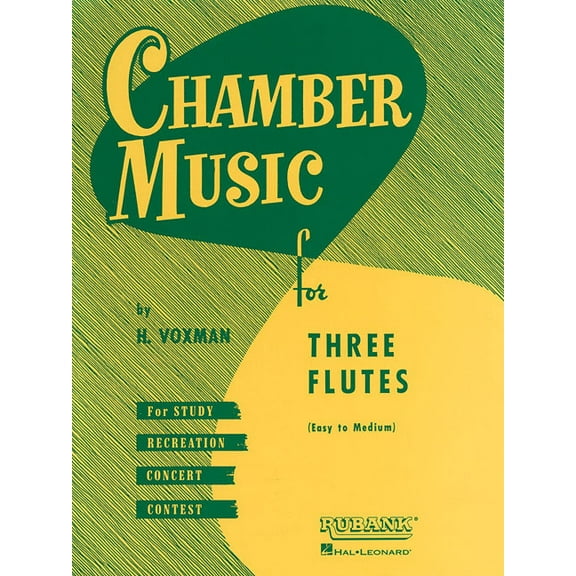
Chamber Music for Three Flutes, (Paperback) $11.05
 $1105current price $11.05
Chamber Music for Three Flutes, (Paperback)
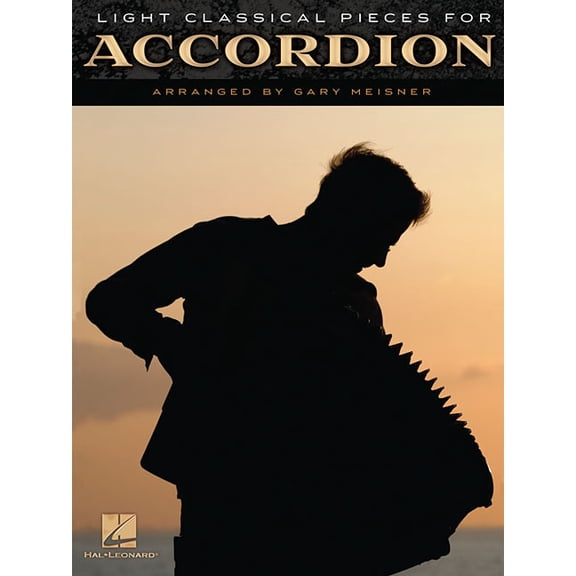
Light Classical Pieces for Accordion, (Paperback) $13.41
 $1341current price $13.41
Light Classical Pieces for Accordion, (Paperback)
Essential Elements for Band - Baritone B.C. Book 1 with Eei (Book/Online Media) (Paperback) $12.49
 $1249current price $12.49
Essential Elements for Band - Baritone B.C. Book 1 with Eei (Book/Online Media) (Paperback)
33.7 out of 5 Stars. 3 reviewsGeorge Gershwin : Violin Play-Along Volume 63 (Paperback) $14.37
 $1437current price $14.37
George Gershwin : Violin Play-Along Volume 63 (Paperback)
Three Dickinson Songs : Soprano and Piano (Paperback) $14.58
 $1458current price $14.58
Three Dickinson Songs : Soprano and Piano (Paperback)


Customer ratings & reviews
0 ratings|0 reviews
This item does not have any reviews yet
