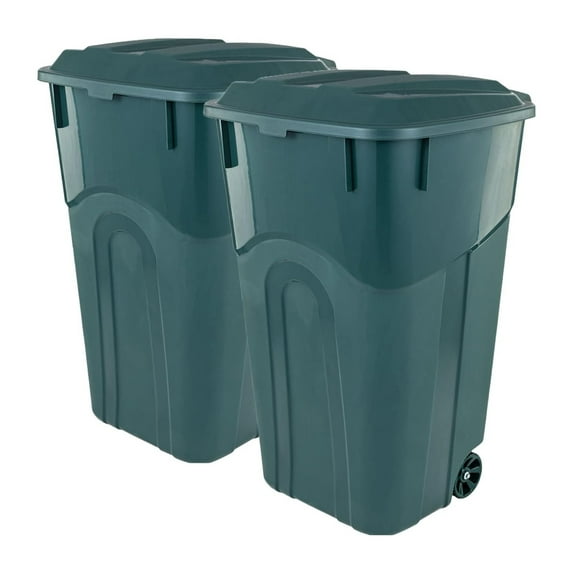
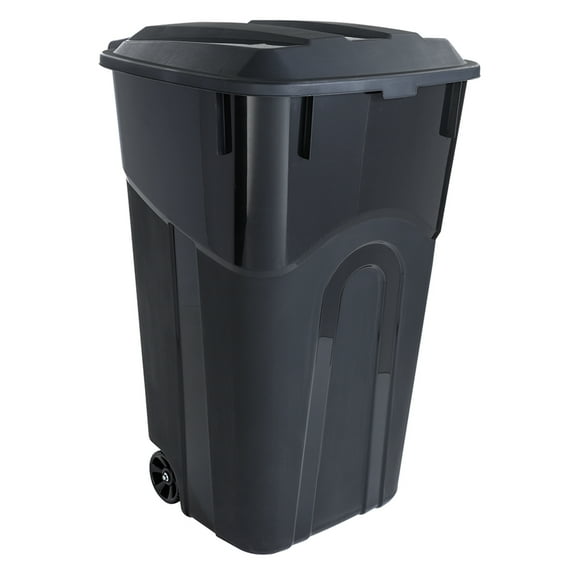
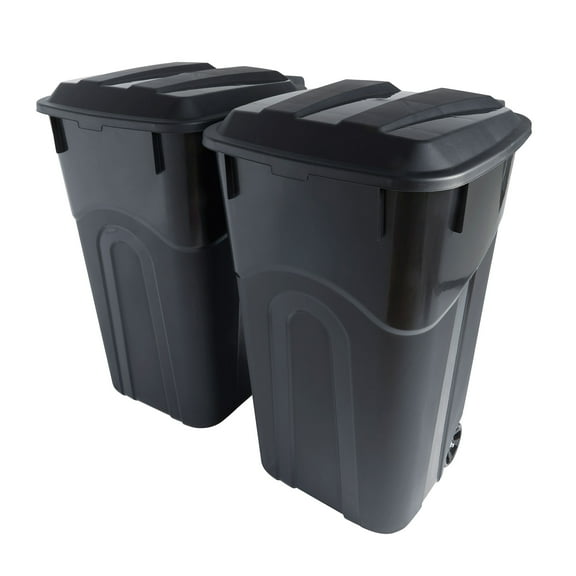
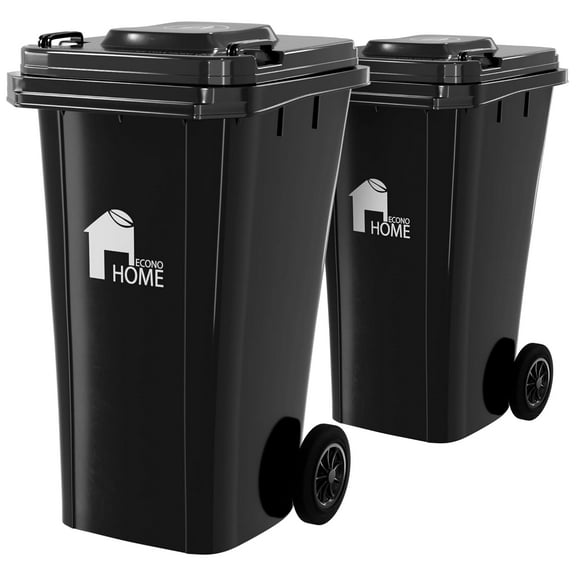
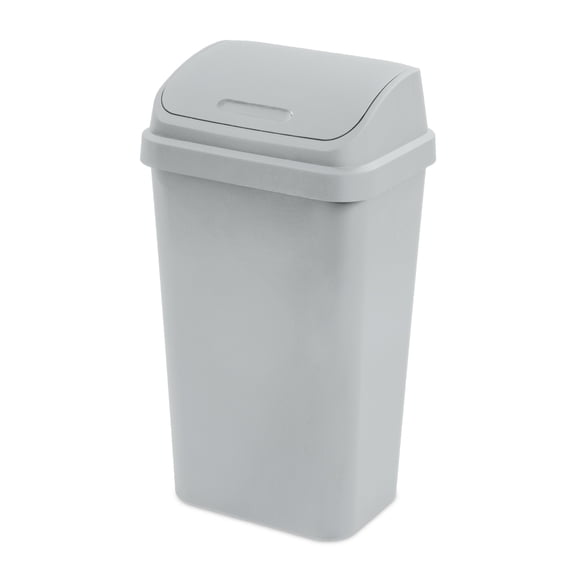
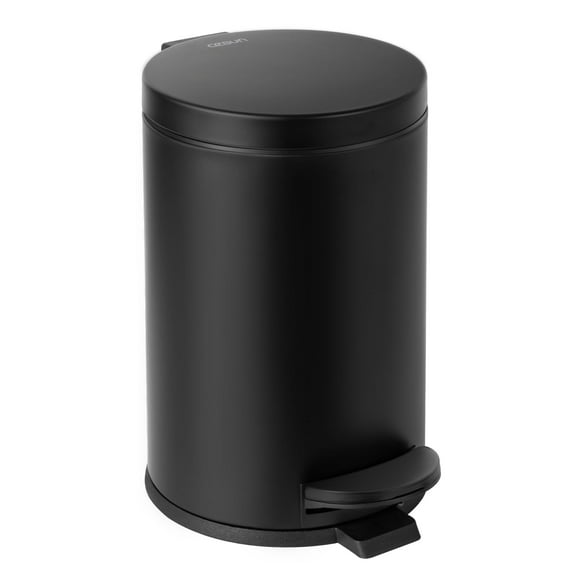
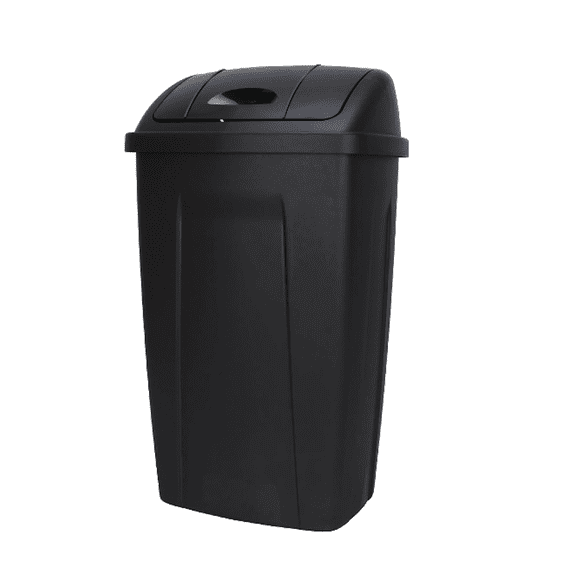
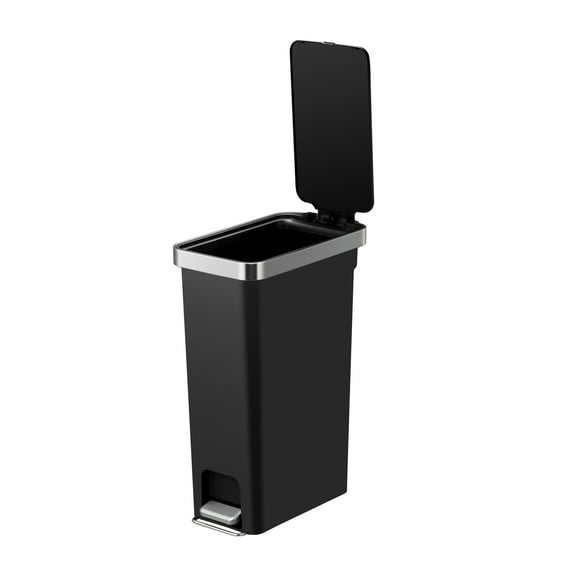
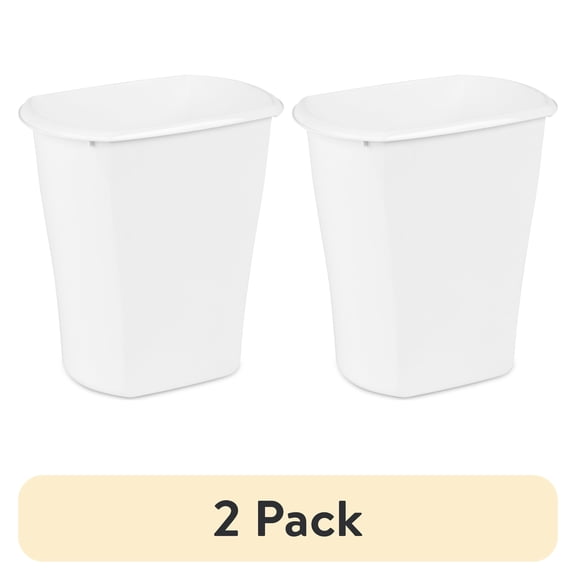
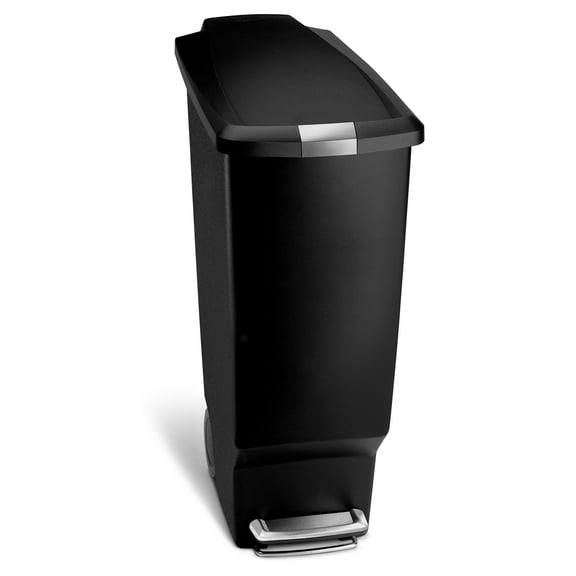
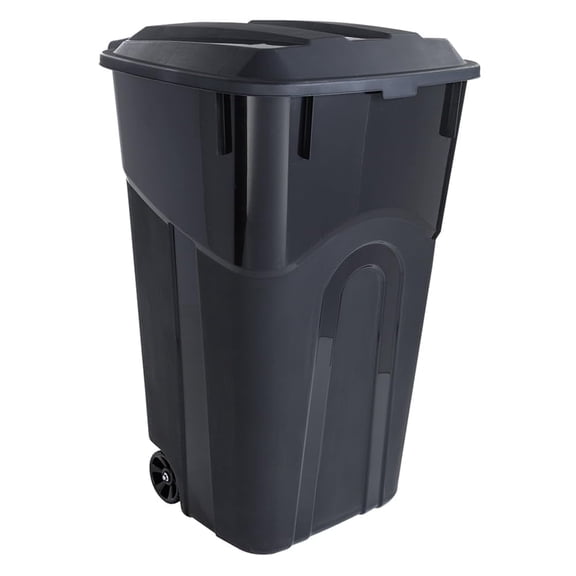
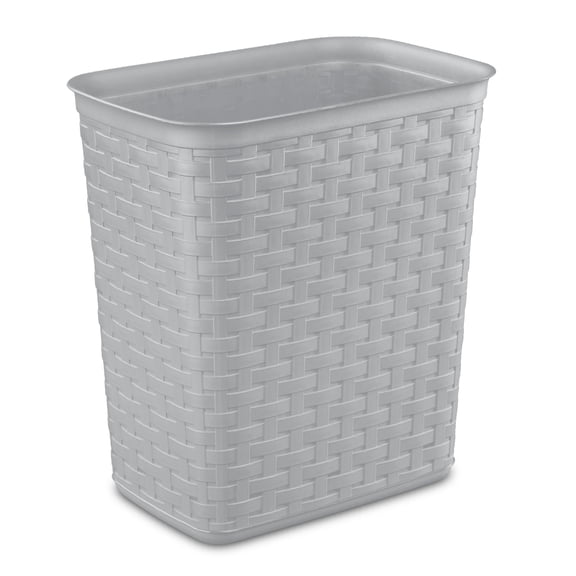
[This review was collected as part of a promotion.] From a technical standpoint, these bins are designed for light-to-medium duty residential waste management.
Material & Structural Design:
• Manufactured with injection-molded polyethylene. This material offers a good balance of tensile strength, impact resistance, and weather tolerance. It resists UV degradation better than cheaper plastics, though prolonged sun exposure will eventually cause brittleness.
• Wall thickness is moderate: optimized for keeping weight manageable (~32 gallons full is ~30–35 lbs with bagged trash), but not sufficient for heavy industrial loads.
Capacity & Ergonomics:
• 32-gallon capacity is engineered as a compromise between volume and handling. A full bin can be maneuvered by one adult without mechanical aid.
• Dual rear wheels reduce rolling friction on flat surfaces. Axle design is basic—suited for paved driveways but not for rough terrain.
Lid System:
• The lid uses a snap-fit design that applies enough compression to deter rainfall and light pest intrusion. It is not gasketed, so it won't be airtight, but it prevents most odor diffusion and contamination.
• The hinge tolerance is minimal, meaning the lid relies on flexibility of the plastic rather than mechanical fasteners. This reduces cost and points of failure but sacrifices long-term rigidity.
Environmental/Operational Factors:
• Withstands typical seasonal changes (0–100°F) without warping. At temperatures below freezing, impact resistance decreases, increasing the chance of cracking if struck or dropped.
• Empty bins are light (under 10 lbs each) and may tip in wind loads exceeding ~25 mph. Filled, they are stable.
Failure Points (Projected):
1. Repeated rough handling on the wheels → possible axle deformation.
2. UV exposure beyond 2–3 years → gradual embrittlement of lid and sidewalls.
3. Overloading with wet organic yard waste (>40 lbs) → risk of stress fractures at wheel mounts.
Engineer's Verdict:
The product is well-optimized for its design intent: routine household trash disposal. It balances material cost, weight, and functional reliability. It is not engineered for heavy-duty industrial waste or rough terrain hauling, but within normal residential use, it achieves solid performance with minimal failure risk.
👉 Bottom line: A cost-efficient, technically sound solution for suburban or residential garbage management. The engineering choices show a clear priority: durability at a consumer price point, not overbuilt but adequate for its mission.