


Find auto parts that fit
Let’s search for parts that fit your vehicle.Windshield Visors in Windshield Parts







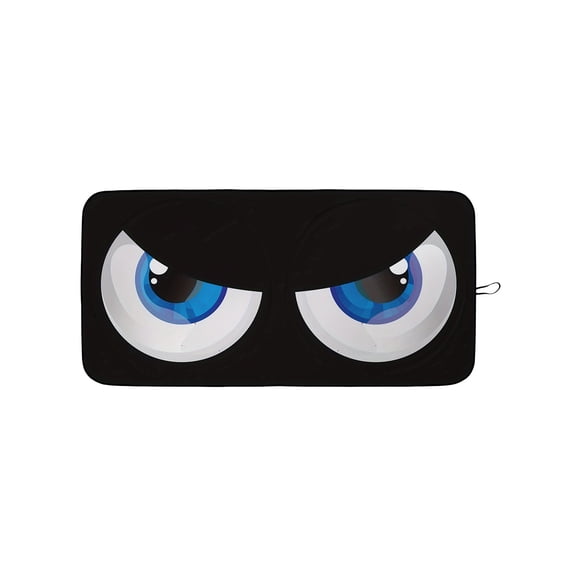


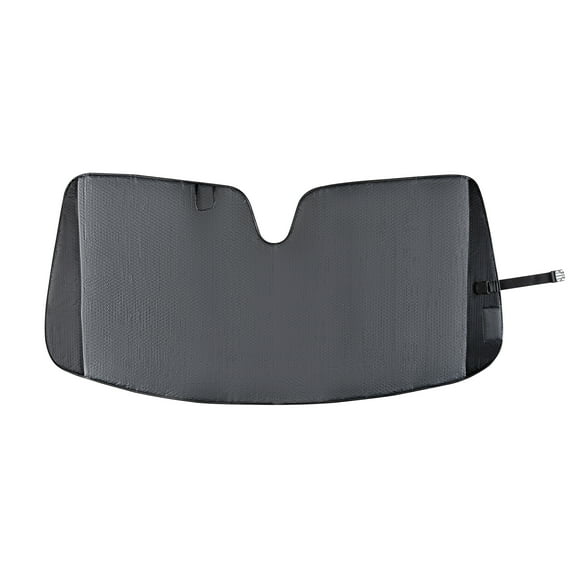

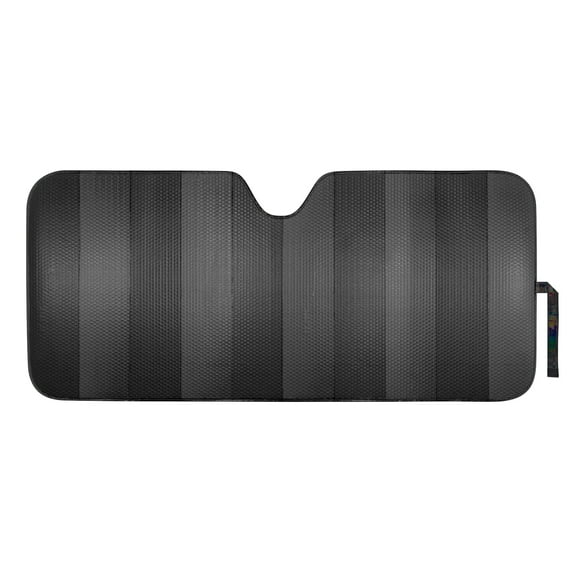


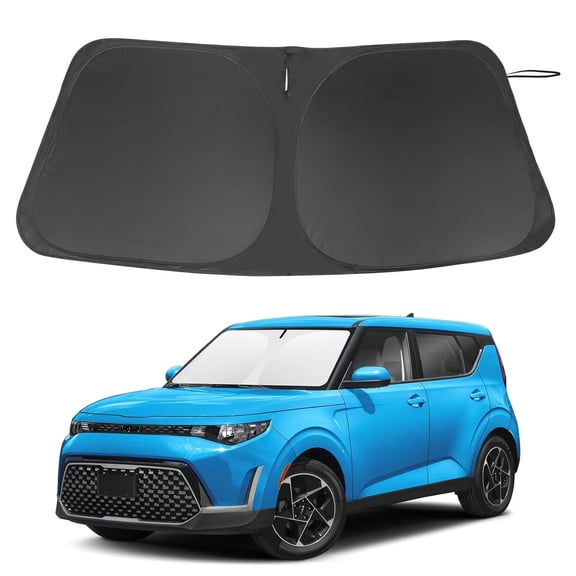


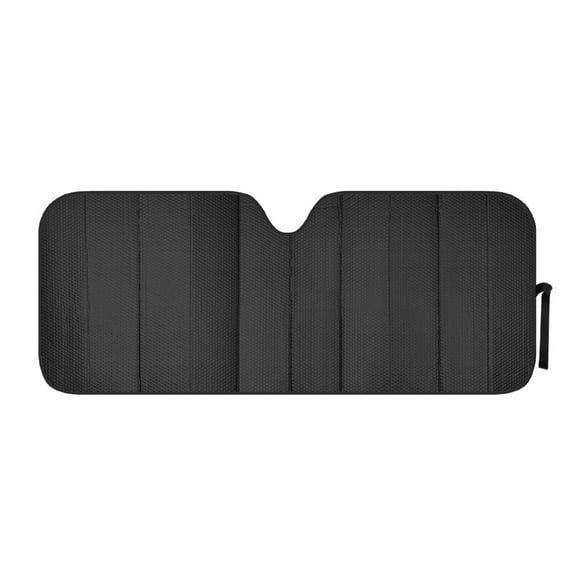


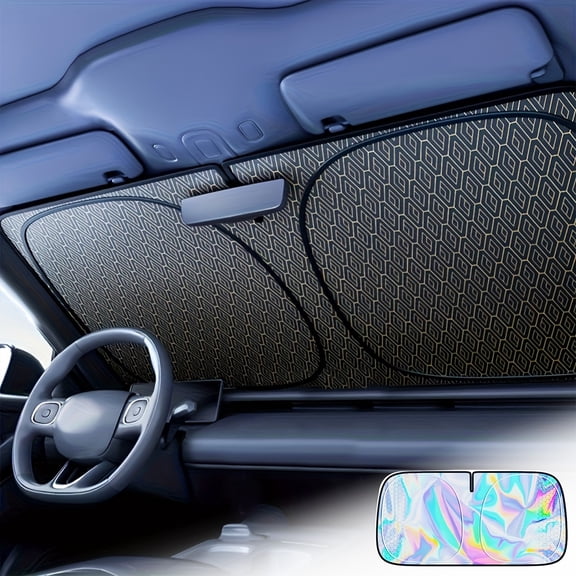


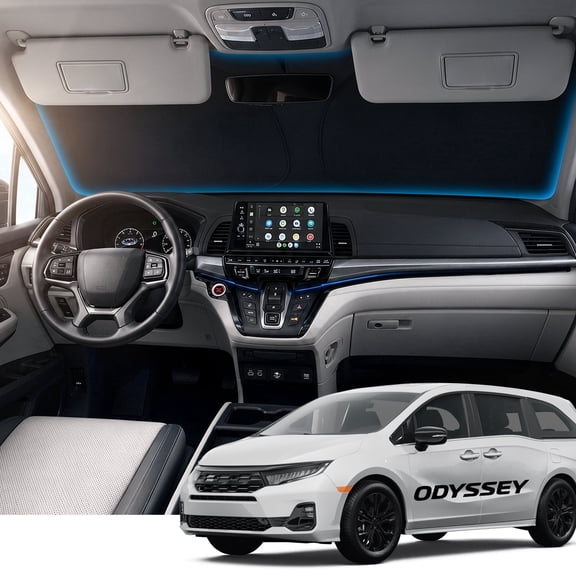
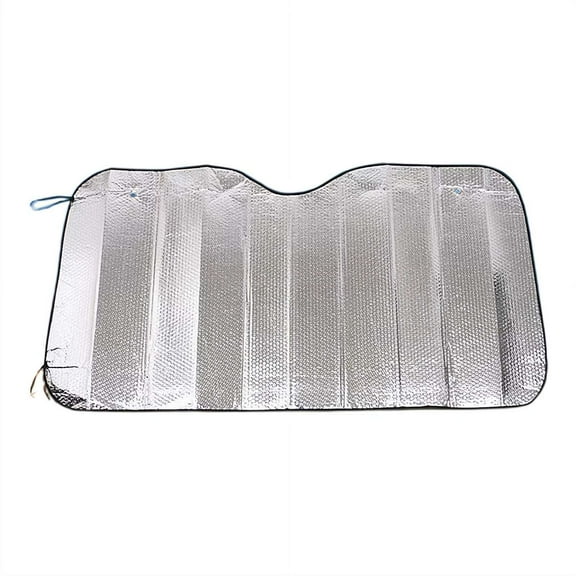


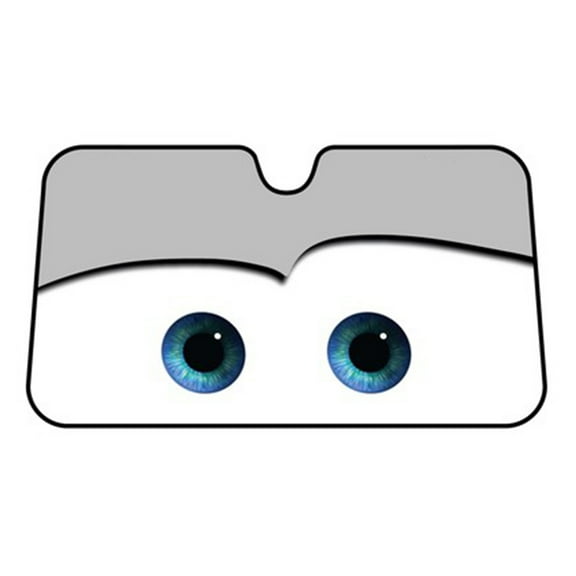


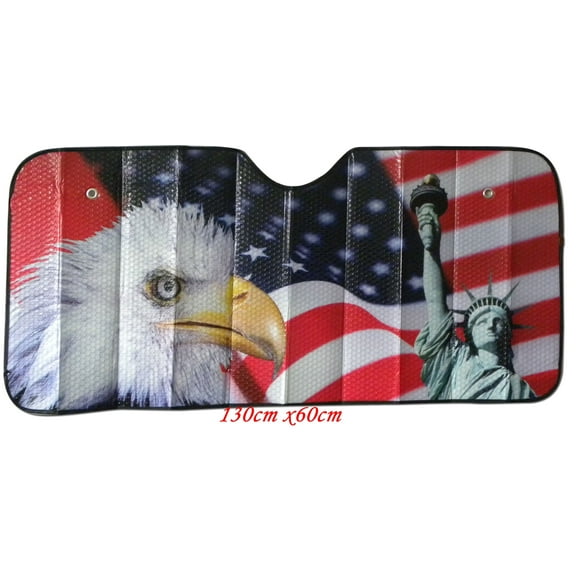
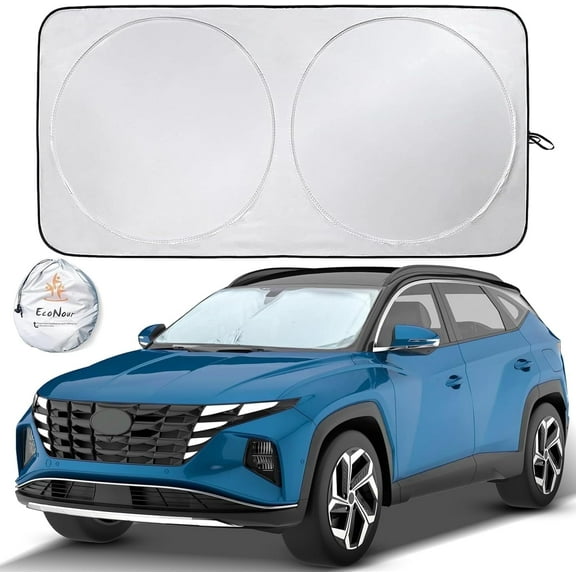

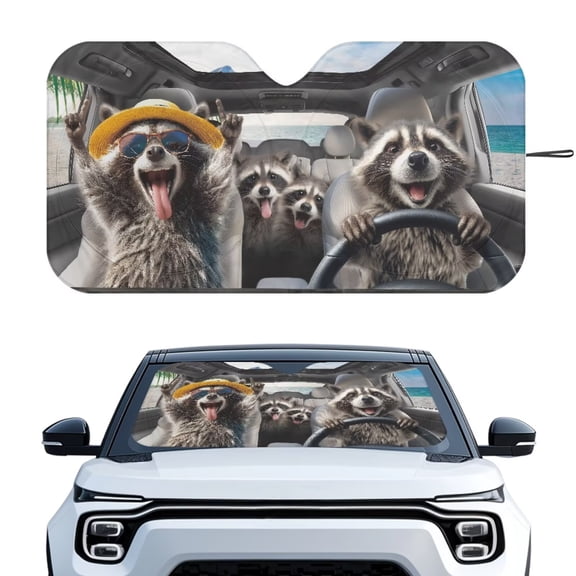












About Windshield Visors in Windshield Parts - Walmart.com
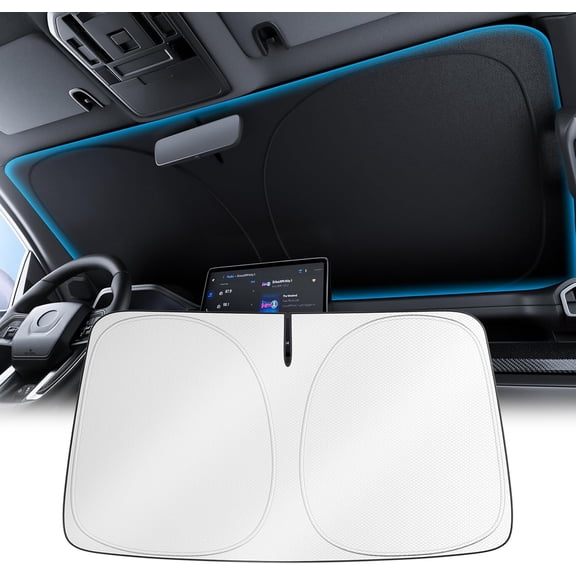
You can use a window sun visor to help keep your parked vehicle more comfortable and protect your dashboard from strong sunlight. You’ll find choices for cars, SUVs, and trucks, plus designs that fold, roll, or open like an umbrella for quick setup.
When you compare this category, you should focus on windshield coverage, storage style, and how the shade stays in place. You’ll get the clearest fit by checking exact windshield dimensions, mirror cutouts, and whether you want a universal or custom fit design.
Choosing the right window sun visor for your vehicle
You should start with fit type because coverage affects how much glass your shade can block. You’ll usually choose between universal fit options and custom fit styles made for specific windshield shapes.
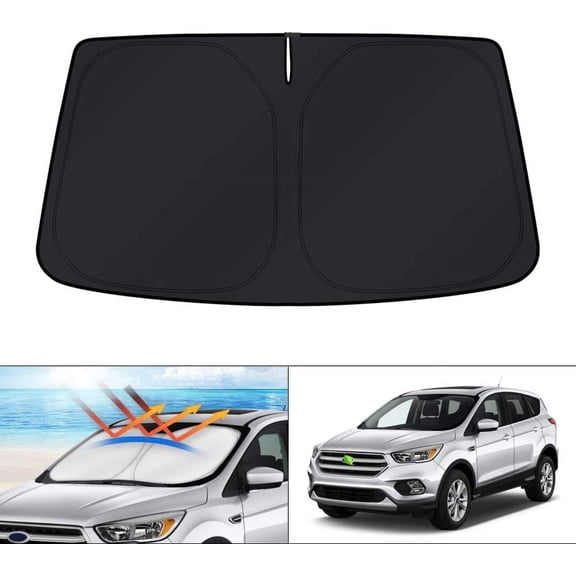
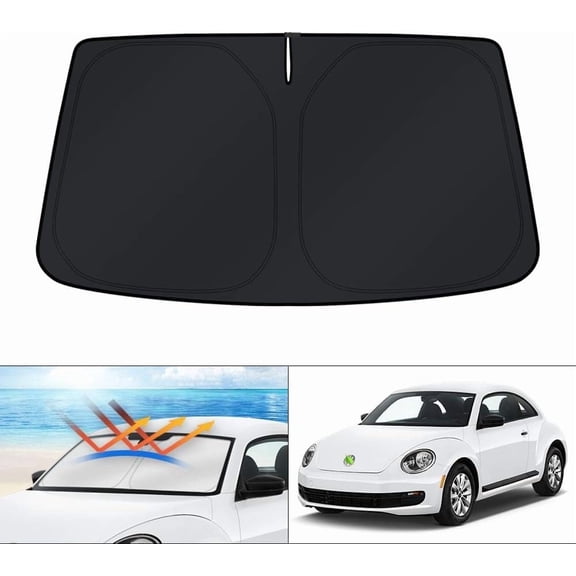
If you want flexible placement across different vehicles, you may prefer a universal windshield visor for car use. If you want edge-to-edge coverage around sensors or mirror areas, you may prefer a custom-fit front visor.
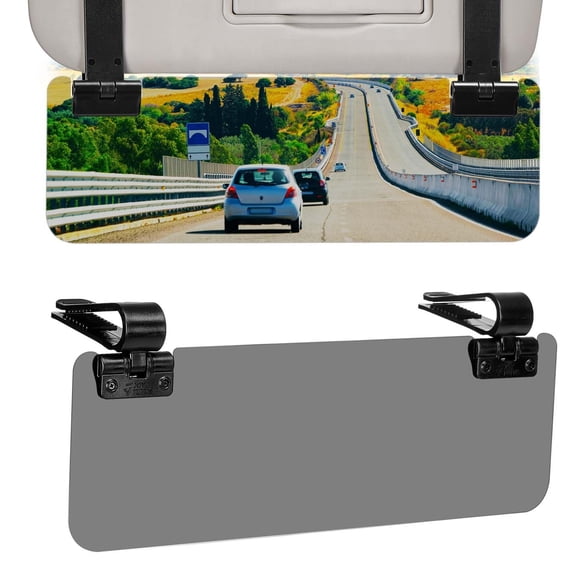
You should also match placement to your daily driving needs. You may want a car front window visor for the front windshield, or you may want a sun visor window option for side glass.
- You can reduce direct sunlight on your steering wheel, seats, and dashboard during parking.
- You can choose a fit that matches compact cars, larger SUVs, or wide truck windshields.
- You can pick a storage style that folds flat, rolls tight, or opens quickly like an umbrella.
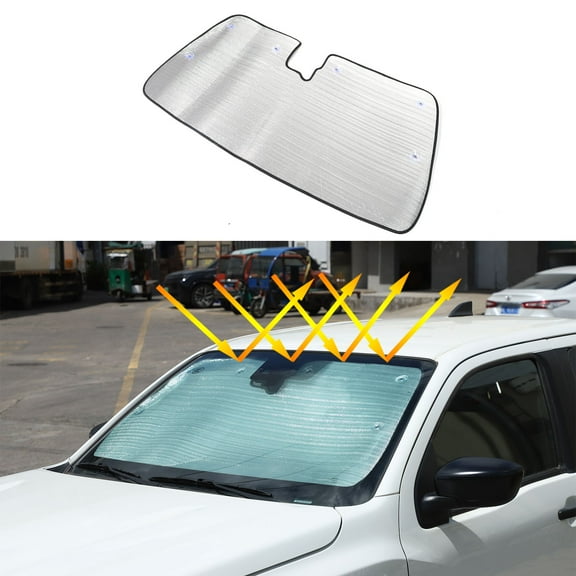
- You can look for reflective layers and UV blocking details when you compare heat-control features.
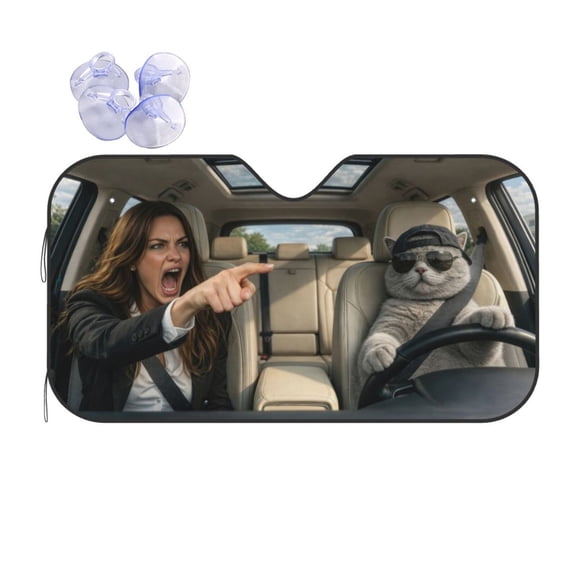
- You can check whether installation uses suction cups, visor flaps, or tension against the glass.
How to compare windshield visors by fit and materials
You should measure your windshield before you choose, especially if you want fuller corner coverage. You’ll want width, height, and mirror area clearance so your shade sits neatly against the glass.
When you compare windshield visors, you should look for reflective outer surfaces and layered construction. You’ll often notice that multiple material layers help block glare and reflect sunlight more effectively than thin single-layer shades.
You should check whether a windshield sun visor lists UV blocking details in the product specs. You’ll use those details as a practical way to compare coverage when two shades look similar in photos.
For installation, you may want a design that tucks behind your factory sun visors for extra support. You can also choose options that use suction cups or tension fit to hold the shade in place.
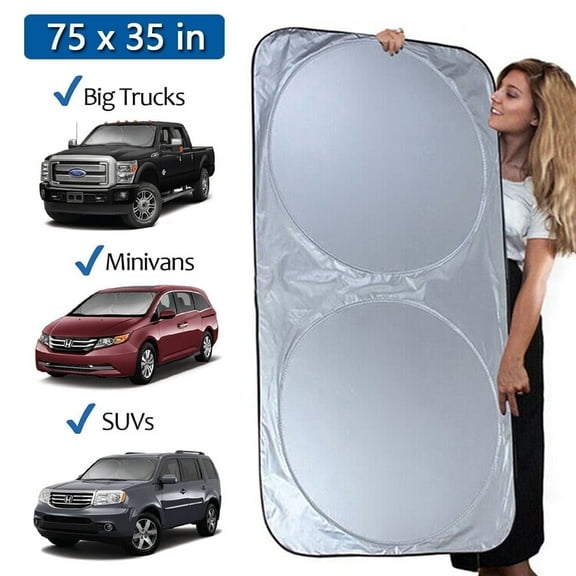
If you drive a vehicle with a wide windshield, you should review shape details carefully before buying. You’ll often need extra width or a broader center section for SUVs and trucks.
Choosing between folding, roll-up, and umbrella styles
You should choose your storage style based on how often you park outside and how much cabin space you have. You’ll usually see folding accordion, roll-up, and umbrella style designs in this category.
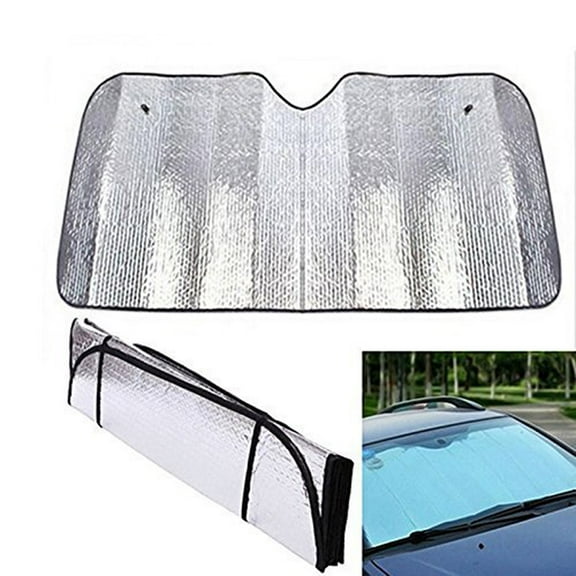
If you want a familiar setup, you may like folding accordion shades that open wide and collapse flat. You can slide them beside a seat or into a cargo pocket when you’re driving.
If you want a compact bundle, you may prefer a roll-up windshield sun visor with a strap or tie. You can store that style in a door pocket or center area more easily.
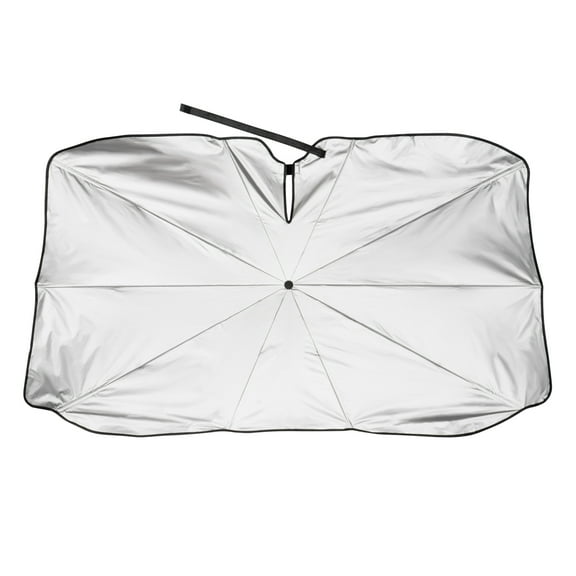
If you want quick opening, you may like an umbrella style shade, including styles shoppers search as gmc umbrella. You can open and close that design with a center shaft, much like a compact umbrella.
You should still confirm handle length and center clearance with umbrella styles. You’ll want to make sure the shaft works around your dashboard and rearview mirror position.
Matching placement and vehicle type to your routine
You should think about where sunlight hits your vehicle during workdays, errands, or weekend parking. You may need a front windshield shade for daily commuting and side window coverage for longer parked periods.
If you drive a sedan, you may want a lighter shade that stores quickly between stops. If you drive a larger vehicle, you may want a windshield visor for car or SUV use with broader dimensions.
You should compare an suv sun visor carefully because taller cabins and larger windshields need more coverage. You’ll often benefit from checking both width and height instead of relying on vehicle labels alone.
If you use a truck, you may need a shade with extra reach near the upper corners. You can also look for designs that stay steady against more upright windshield angles.
For school pickups, office parking, or road trip stops, you’ll appreciate shades that install fast and store without fuss. You can keep one in your vehicle so setup feels simple every time you park.
What to look for before you choose
You should review dimensions, fit type, placement, and closure style before making your final choice. You’ll get a more useful match when you compare those details with your windshield shape and storage space.
With the right window sun visor, you can get cleaner coverage, easier storage, and a more comfortable return to your vehicle after parking in bright sun. You’ll feel the difference when your shade fits your glass and routine correctly.