

Weight Sets in Weights











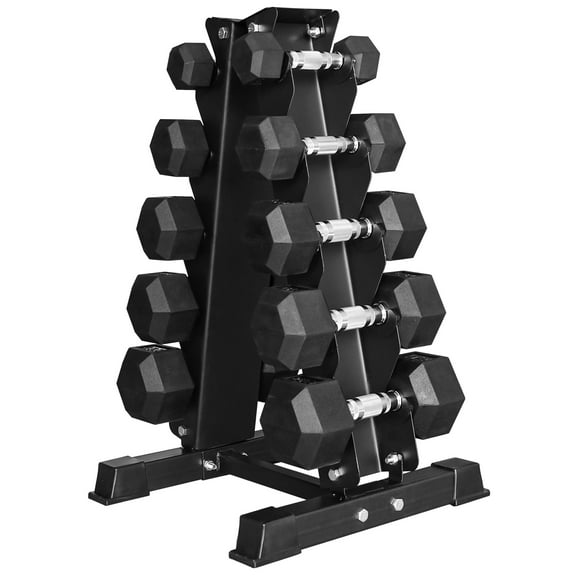
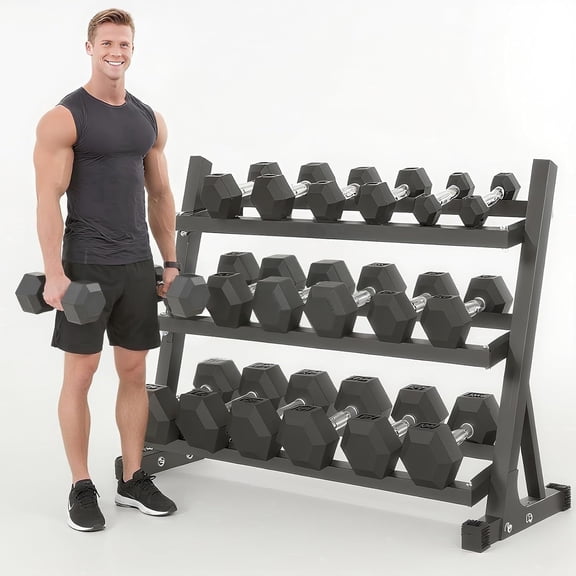


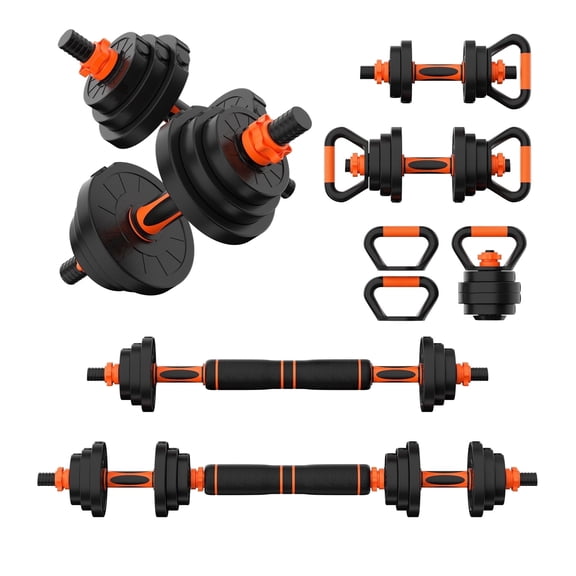

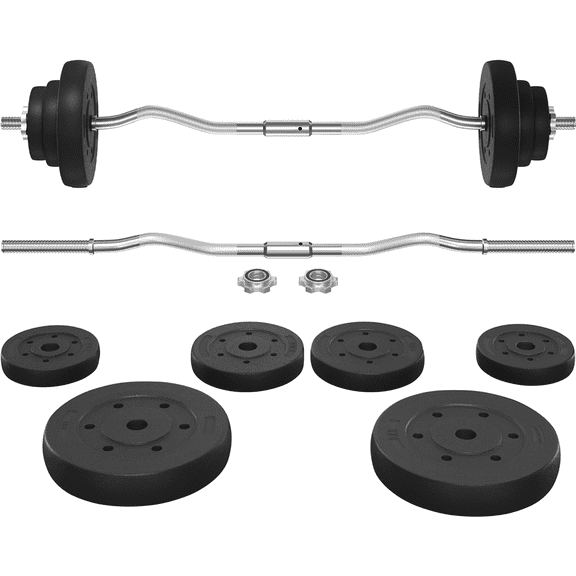






















About Weight Sets in Weights - Walmart.com
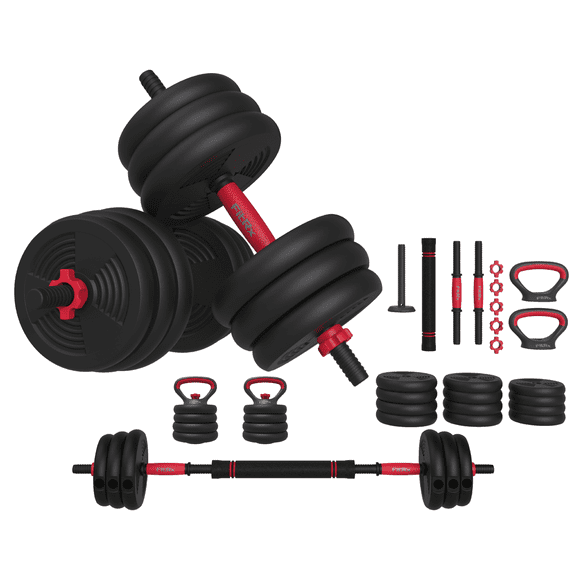
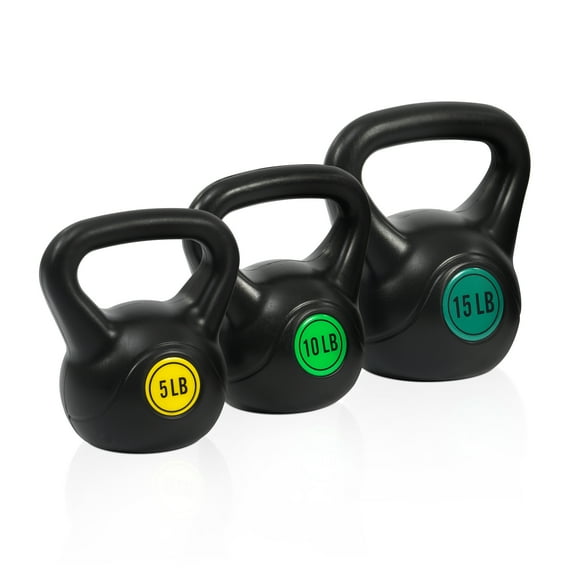
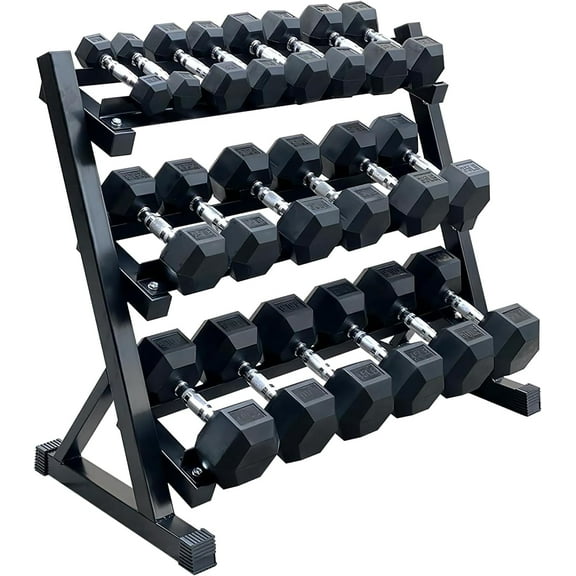
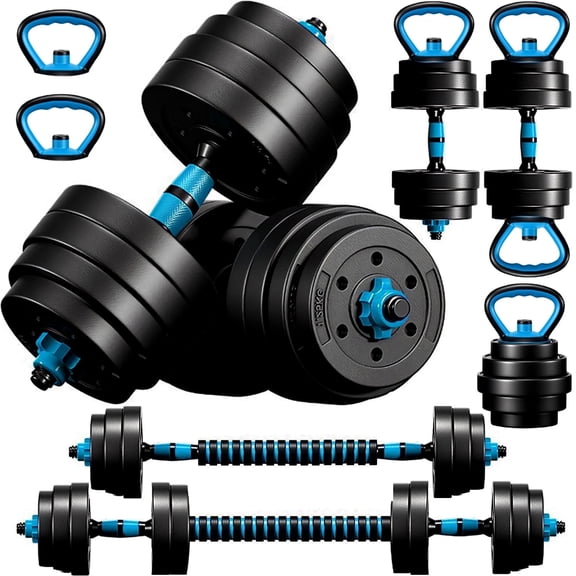
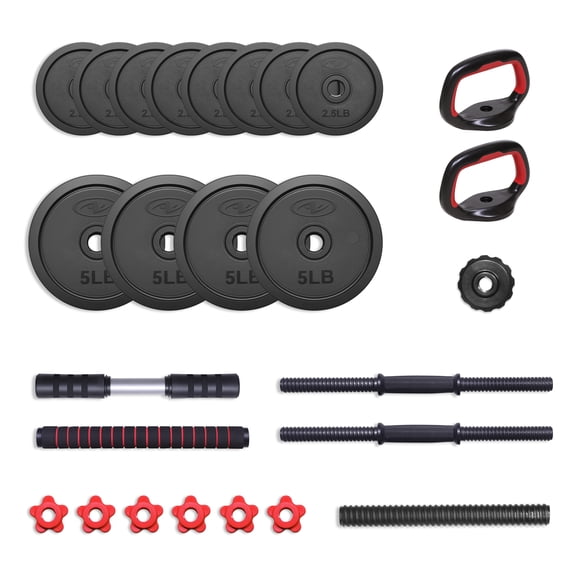
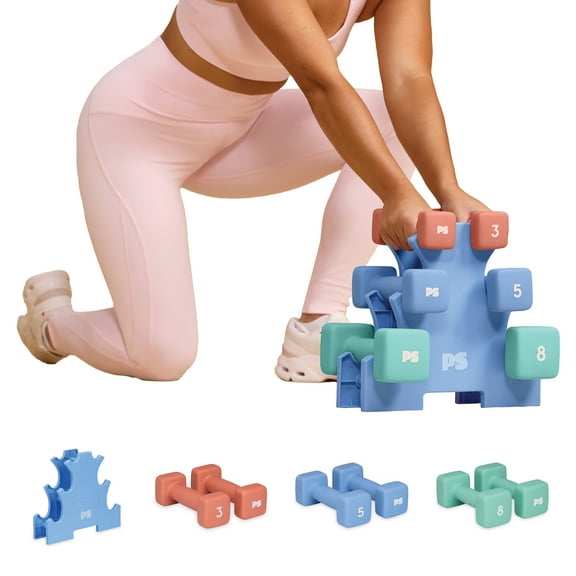
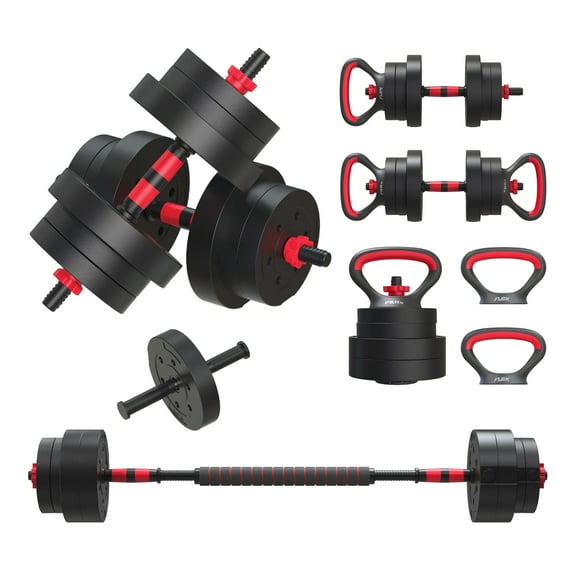
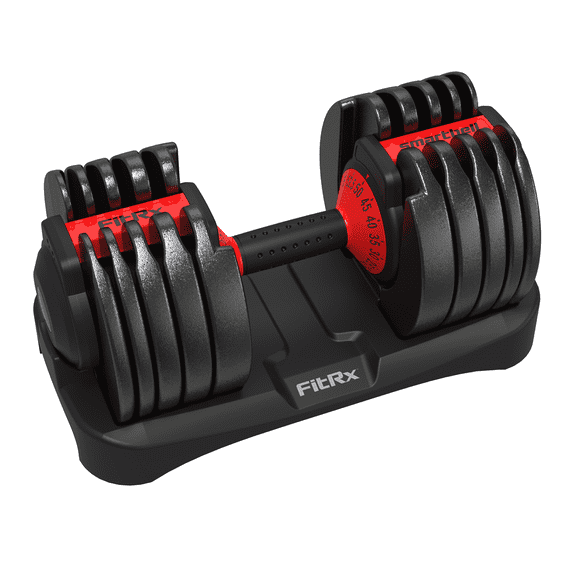
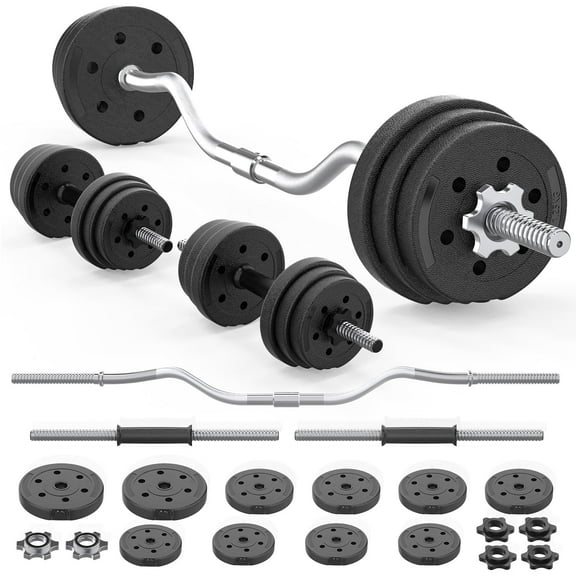
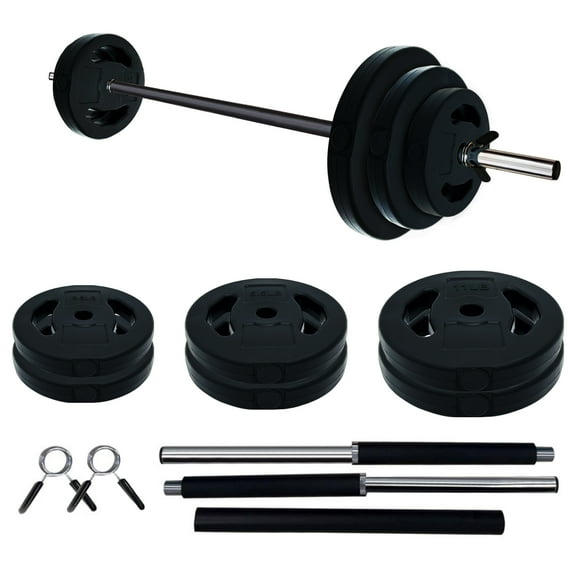
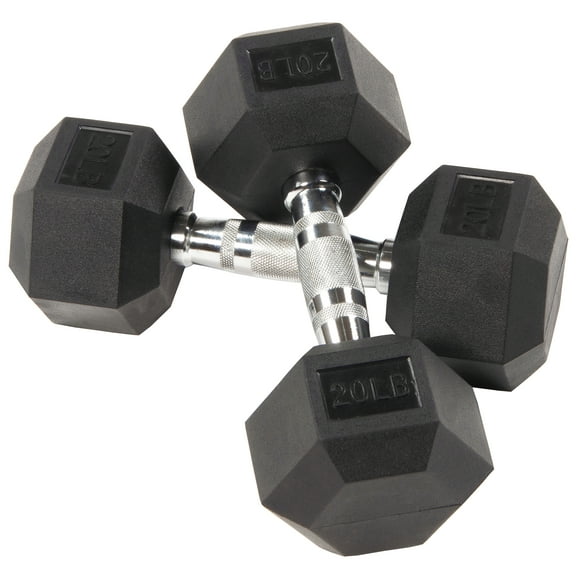
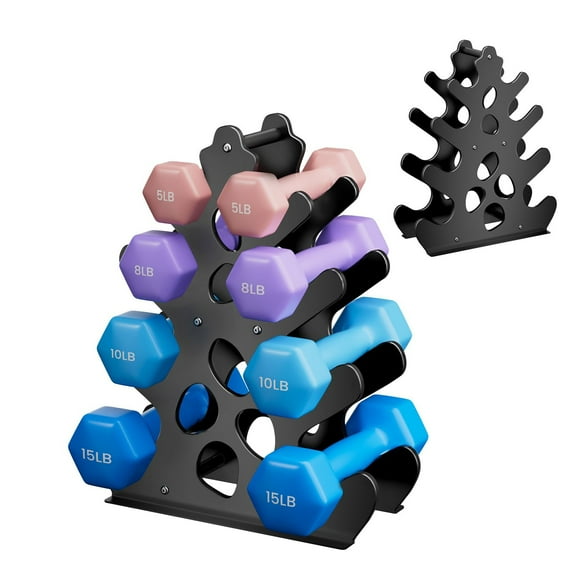
Weights help you build a practical home strength setup with flexible training options. You can compare weight sets, dumbbells, and adjustable weights by space, grip, and progression needs.
How to choose weights and weight sets
When you compare weight sets, you should start with the training style you plan to repeat each week. You may want dumbbells for presses, barbells for compound lifts, kettlebells for swings, or weight plates for rack setups.
If you want one category page to cover several routines, you should look at how each weight type changes your workout flow. You can move faster with hand weights for circuits, while barbells and plates suit structured strength sessions.
- You can target upper body, lower body, and core work with one category.
- You can choose compact options that fit apartments, spare rooms, or garage gyms.
- You can progress gradually with light, medium, and heavy ranges.
- You can match fixed or adjustable designs to your available floor space.
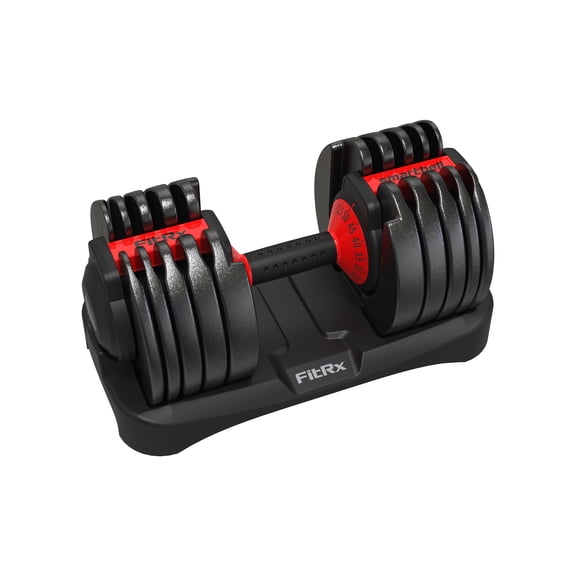
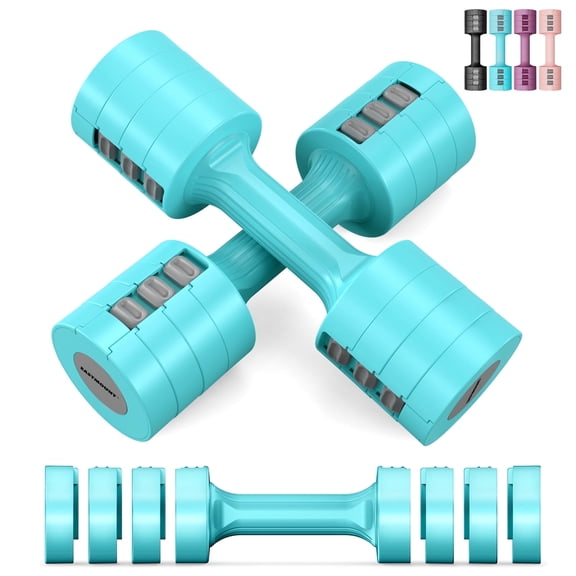
For smaller workout areas, you may prefer adjustable weights because you switch loads without storing many pairs. If you like quick transitions, you may choose fixed dumbbells that let you grab the next size fast.
Choosing adjustable weights or fixed options
As you compare adjustable weights with fixed pairs, you should think about speed, storage, and routine structure. You can keep a tighter footprint with one adjustable set, especially in shared rooms.
If you use circuits, you may prefer fixed hand weights because each pair stays ready between moves. If you train in slower sets, you may find adjustable designs easier to fit into your plan.
You should also check the dial mechanism or collar lock security before you choose adjustable styles. You want changes to feel simple, and you want the selected load to stay in place.
When you build a beginner setup, you may start with lightweight options from two to 10 pounds. As your routine expands, you can add medium ranges from 15 to 40 pounds or heavier choices above 50 pounds.
Comparing dumbbells, barbells, kettlebells, and plates
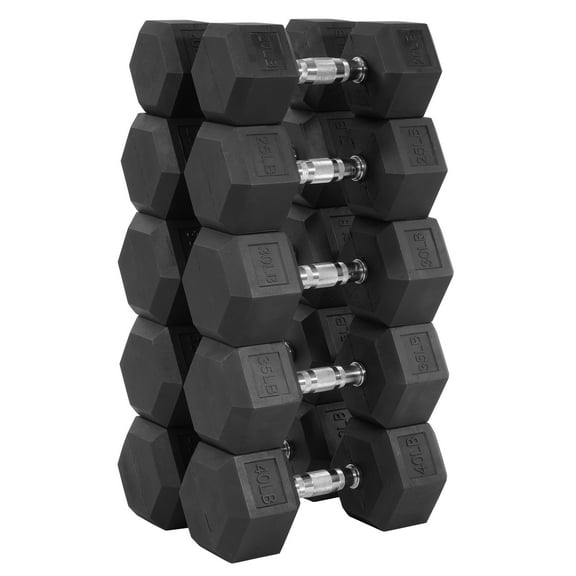
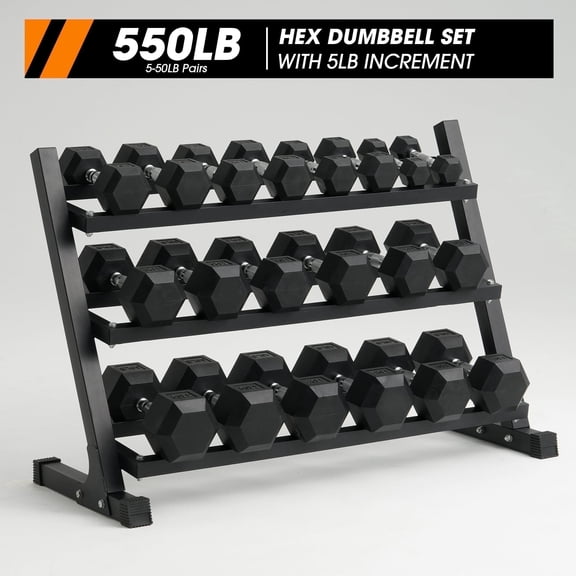
Dumbbells give you flexibility for presses, rows, lunges, and single-arm work in one session. You can use them for balanced training because each side works independently through the movement.
Barbells support heavier loading and steady progression when you track lifts across time. If you want squat, bench, or deadlift patterns, you should compare bar compatibility and plate fit.
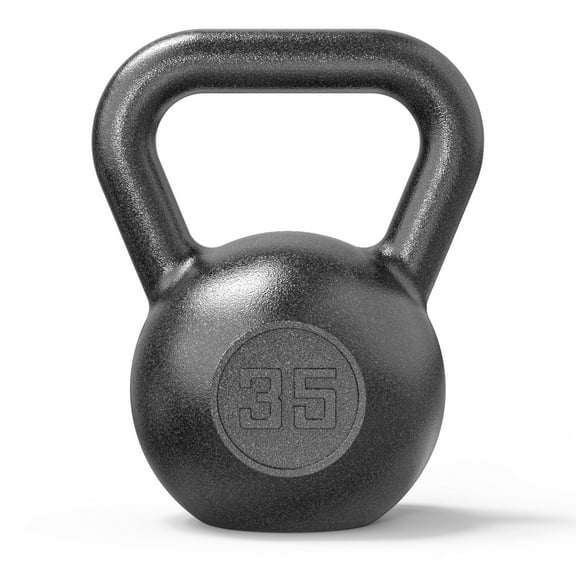
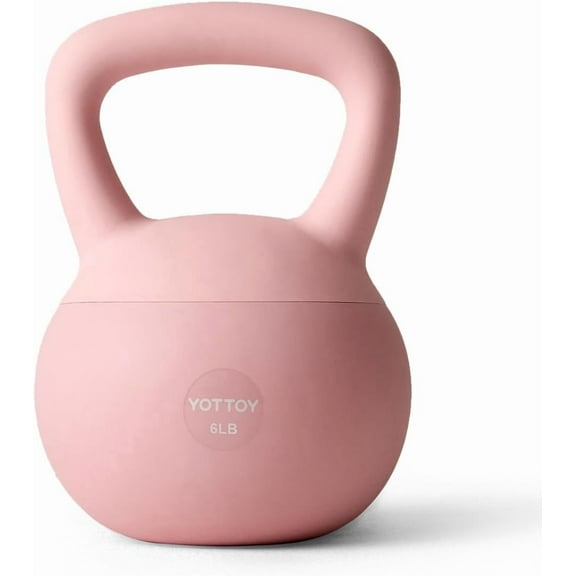
Kettlebells fit dynamic training where you hinge, carry, swing, or hold the weight in front. If you want one tool for strength and conditioning, you may consider that shape and handle clearance.
Weight plates make sense when you already use a barbell or a plate-loaded machine at home. You should measure your setup first, because plate style and hole size affect compatibility.
What to look for in material and grip
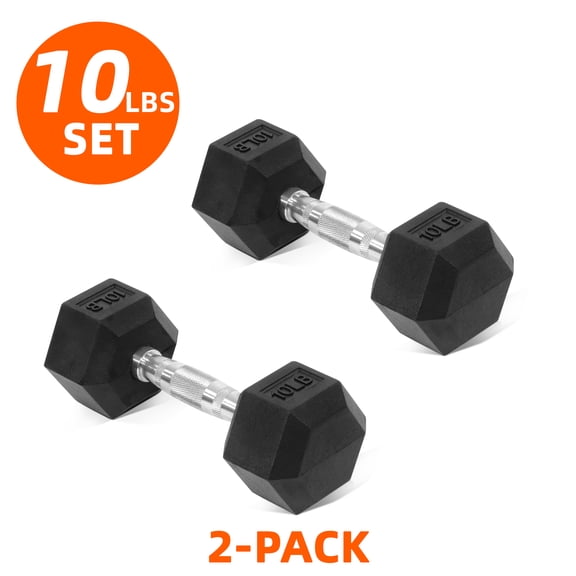
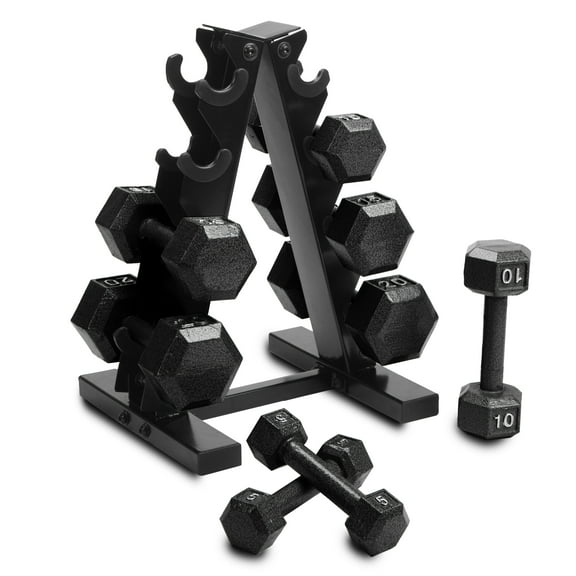
Material changes how your weights feel in your hands and on your floors during daily use. You can compare cast iron, rubber coated, neoprene, and vinyl finishes by texture, sound, and storage needs.
If you want a classic training feel, you may choose cast iron for a simple, sturdy build. If you want a quieter setup with less floor contact noise, you may consider rubber coated options.
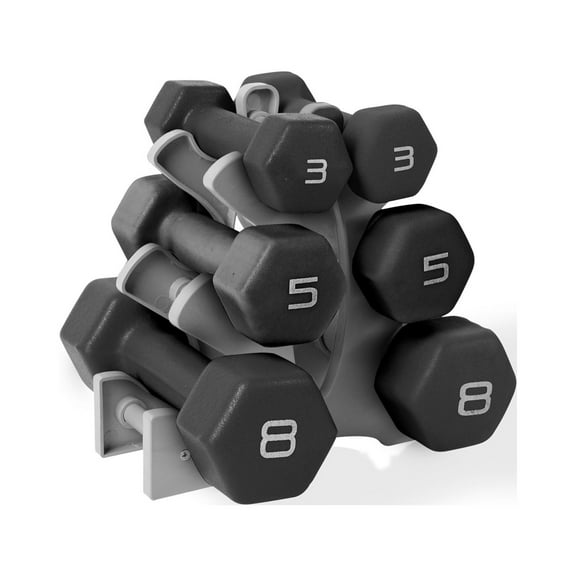
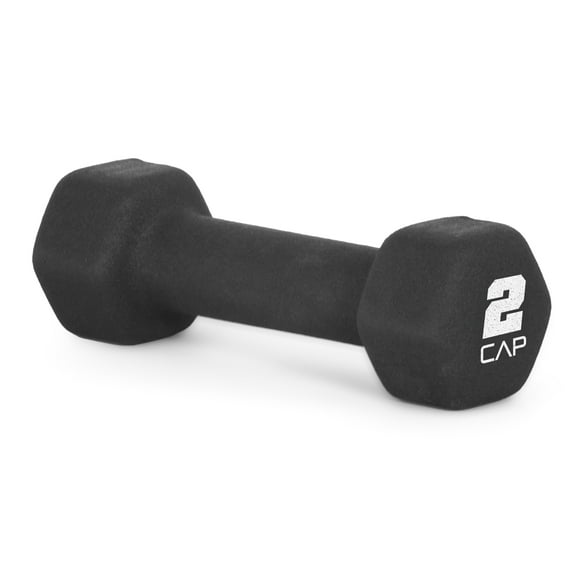
For lighter hand weights, you may like neoprene or vinyl because the surface often feels easy to hold. You can also color-code lighter pairs more easily when you organize workout corners.
Grip comfort matters just as much as material when you repeat high-rep sets across the week. You should compare knurling and smooth grips, because each option changes hand feel and control.
If you want extra texture, you may look for knurling on handles for a more secure hold. If you prefer a softer hand feel, you may choose a smoother grip for lighter sessions.
You should also check handle diameter before you decide, especially if several people share the set. A comfortable grip width helps you stay focused on form instead of constant readjusting.
Matching weight range to your progression
Total set weight can look impressive, but you should focus on the increments you’ll actually use. You need room to progress gradually, especially for presses, curls, raises, and rehab-style movement patterns.
If you’re building a starter setup, you may begin with lighter pairs for controlled reps and form work. If you train several muscle groups, you’ll usually need more than one size.
Medium ranges support many home workouts because you can use them for rows, goblet squats, and presses. Heavy options fit experienced lifters who want loaded carries, deadlift variations, or stronger lower-body sessions.
You should match the range to your routine instead of chasing one oversized set. That approach helps you create smoother progress and more useful day-to-day training choices.
How weights fit real home workout routines
If you train before work, you may want adjustable weights that reduce clutter and keep setup simple. You can change loads quickly for presses, rows, and squats without covering the floor with pairs.
When you share a home gym, fixed dumbbells can help each person pick a size and keep moving. You can organize pairs by weight so transitions stay clear during group sessions.
If your workouts mix cardio intervals with strength work, kettlebells and lighter hand weights can support faster pacing. You can move from swings to carries to overhead presses with less setup between blocks.
For rack-based training, barbells and weight plates give you a clear path for planned progression. You can add weight in steps that match your program and repeat the same lift pattern consistently.
If you want a flexible training corner, you should compare storage space, handle feel, and progression range together. That combination helps you choose weights that fit your room and your routine.