

Shop All Wall Mirrors























About Shop All Wall Mirrors - Walmart.com
Mirrors help you brighten rooms, check your look, and finish your decor with one smart update. You can compare wall mirrors, decorative mirrors, and full length mirrors by placement, shape, and frame style.
How to choose mirrors for each room
You can start with mirror type because placement changes how your space looks and works. You may want wall mirrors for open wall space or floor mirrors for flexible styling.
If you need head-to-toe viewing, you can choose full length mirrors for bedrooms, closets, or dressing areas. If you want tabletop function, you can compare vanity mirror options for counters and vanities.
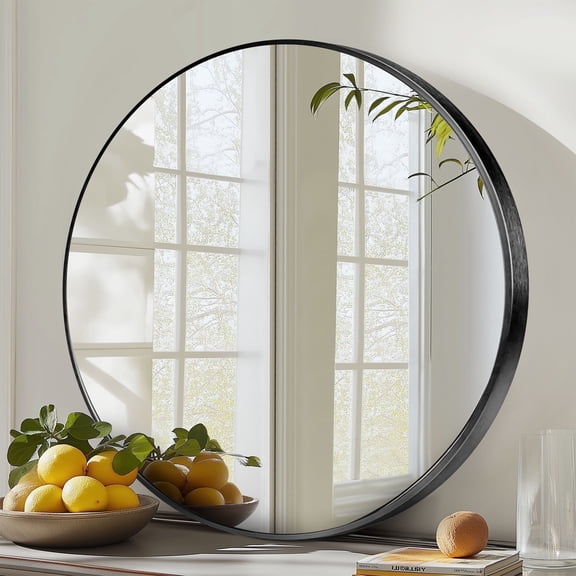
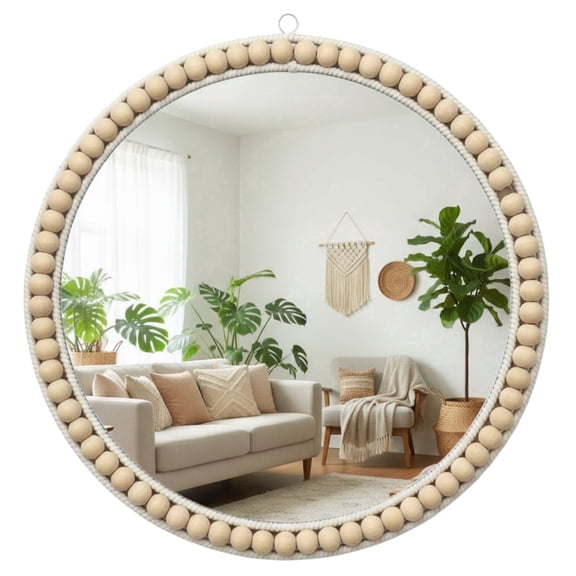
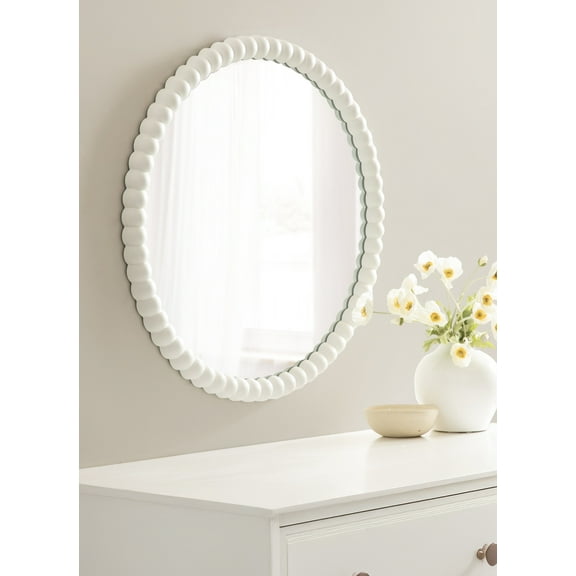
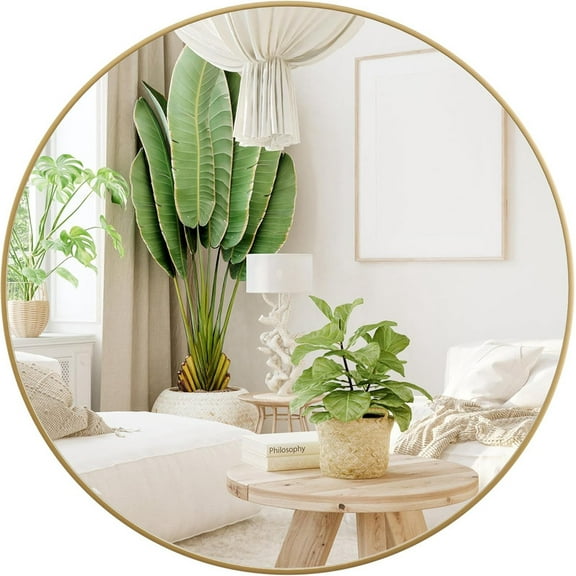
You can also match shape to the look you want. You may choose round mirrors to soften sharp lines, while rectangular designs give you a more tailored layout.
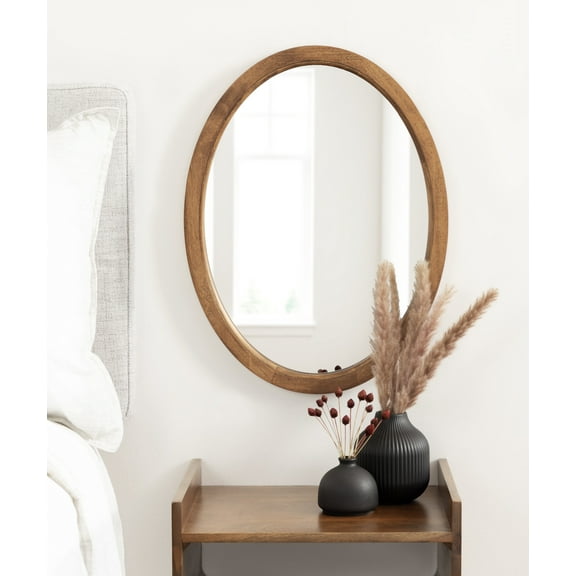
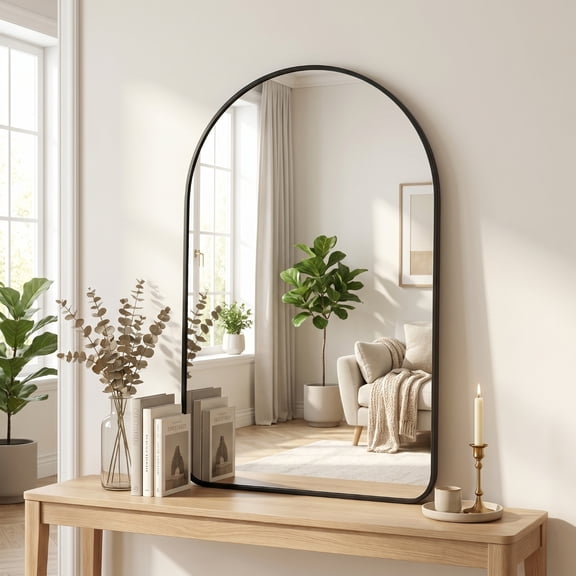
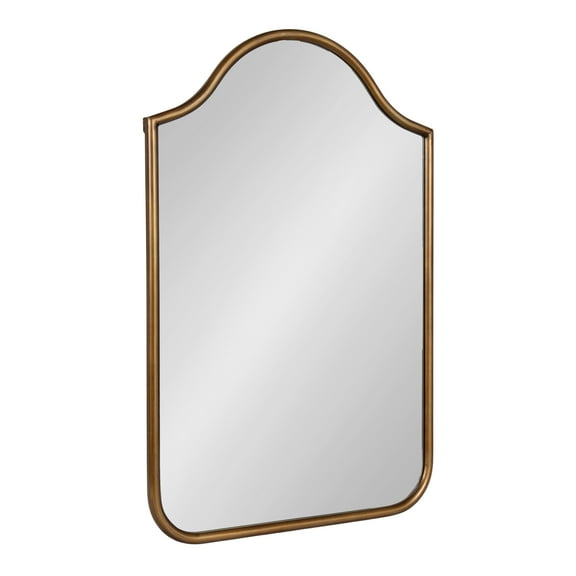
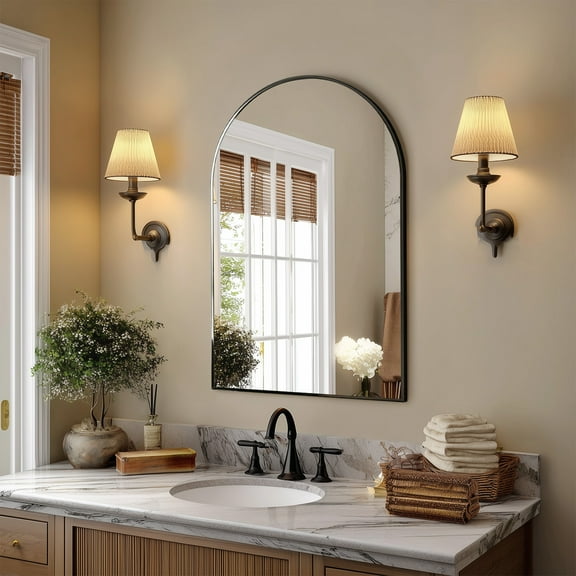
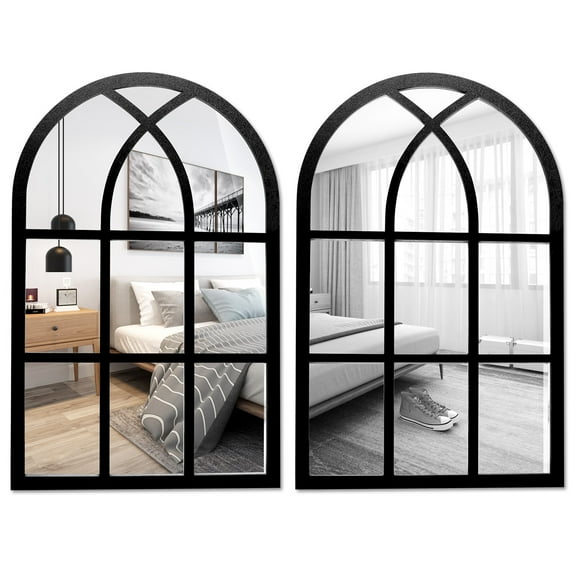
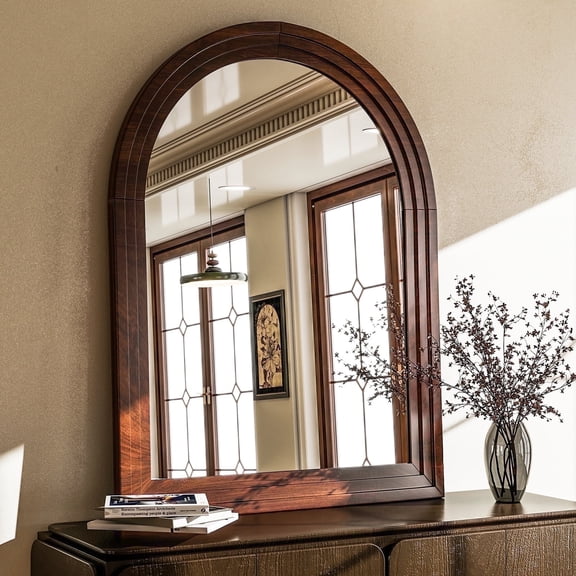
Arched styles can add height above a console or dresser. Oval shapes can help you bring a gentler outline to smaller walls.
- You can use wall mirrors to open up entryways and living rooms.
- You can place floor mirrors where you want a movable accent.
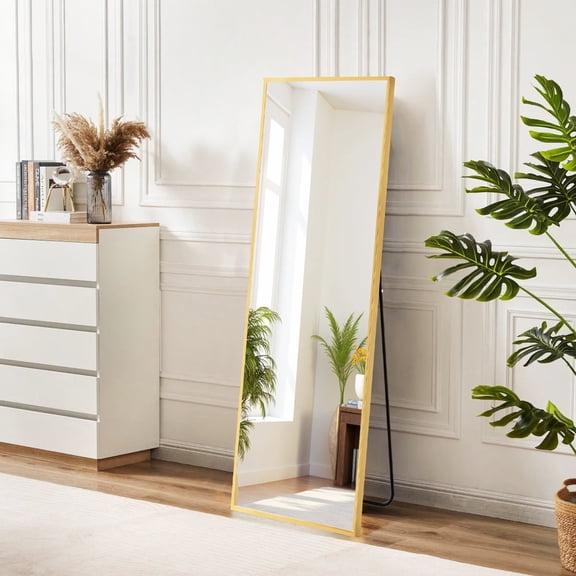
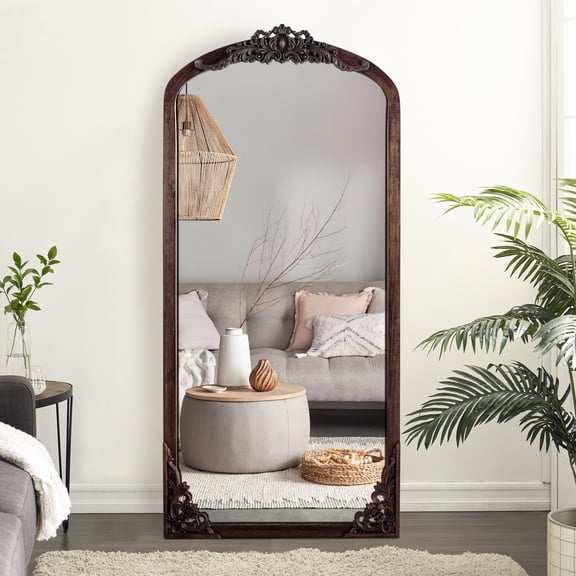
- You can choose full length mirrors when your outfit check needs a taller view.
- You can pick decorative mirrors when your wall needs shape, texture, and shine.
Choosing mirror type, frame material, and shape
You can narrow your options faster when you compare mirror type with your room layout. You should measure your wall, furniture width, and viewing distance before you choose.
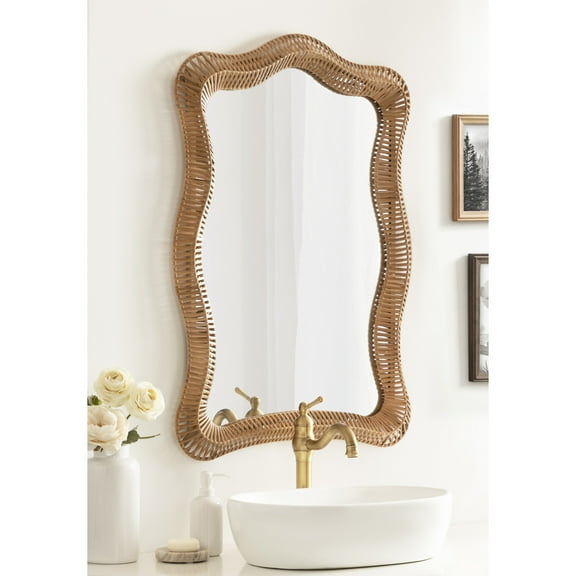
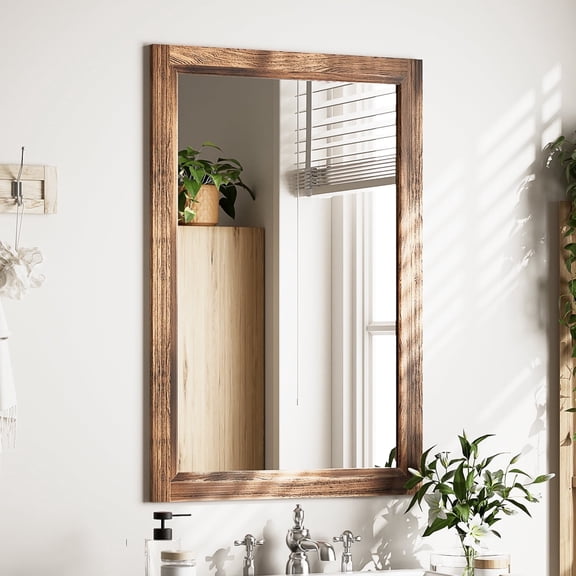
For frame material, you can look at wood, metal, plastic, or frameless styles. Wood frame mirrors can warm up rustic, traditional, or casual rooms with a more natural look.
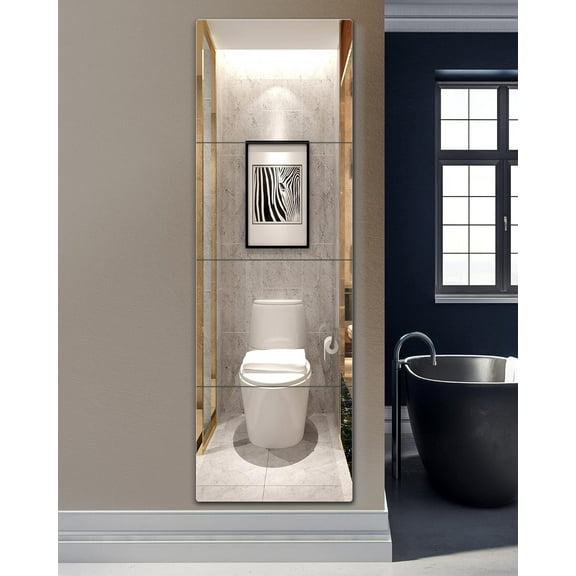
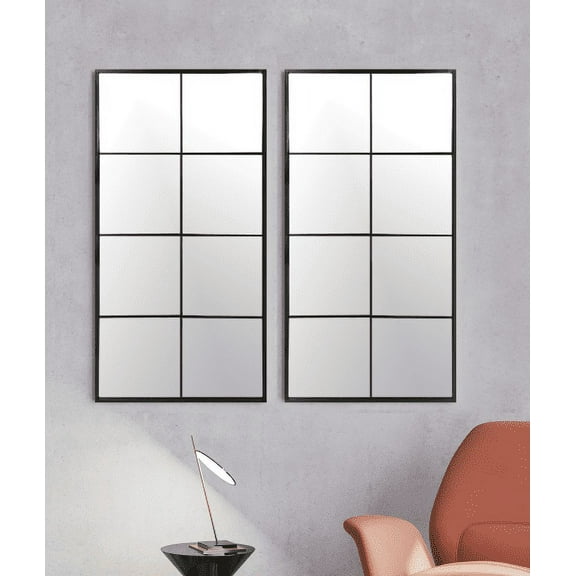
Metal frames can give your space cleaner lines and a more modern edge. Frameless designs can keep your room looking lighter, especially in bathrooms or small apartments.
You can use plastic frames when you want a simple, easy-to-coordinate finish. You should compare color and edge thickness with nearby lamps, hardware, and tables.
Shape matters when you want the mirror to echo your furniture and architecture. You can pair round mirrors with curved decor, or use arched pieces above mantels and entry tables.
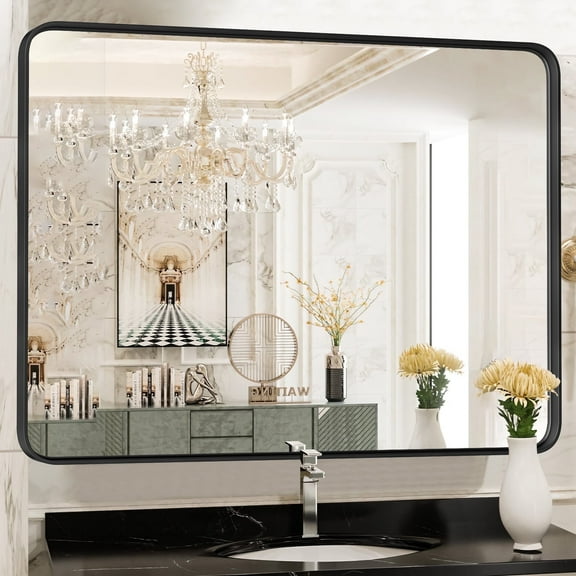
Rectangular mirrors can align well with sofas, dressers, and double vanities. Oval styles can fit narrower spots where you want softness without taking over the wall.
Choosing mirrors by mounting and dimensions
You should check mount type early because it affects installation, stability, and daily use. You can compare hanging, leaning, and over-the-door styles based on your wall and floor space.
Hanging designs work well when you want a fixed look above a vanity, console, or fireplace. You should confirm the included mounting hardware and your wall's weight capacity before installation.
Leaning styles can suit renters or anyone who likes to restyle often. You can move a floor mirror between rooms without planning around one permanent position.
Over-the-door options can help you use vertical space in bedrooms, dorms, or closets. You should measure door height, door thickness, and nearby clearance before you choose.
Mirror dimensions shape how useful the reflection feels in real life. You can make a small room look broader with a wide wall piece, or create a dressing view with taller proportions.
You should leave enough breathing room around the frame so the mirror doesn't crowd art or lighting. You can center a mirror over furniture for a balanced, finished look.
Understanding reflection clarity and frame details
You can compare mirrors by how clear and consistent the reflection looks from edge to edge. You should look for distortion-free glass when you want straighter lines and a truer everyday view.
Silver-backed construction is another detail you may notice while comparing options. You can use that spec as a clue when reflection quality matters in bedrooms, entryways, or vanities.
You should also check how frame depth and edge design affect the finished appearance. A thinner profile can feel subtle, while a deeper frame can create more visual structure.
When you place mirrors across from windows, you can pull more natural light into the room. When you place them near lamps or sconces, you can help the whole area feel brighter.
Using mirrors in bedrooms, entryways, and living spaces
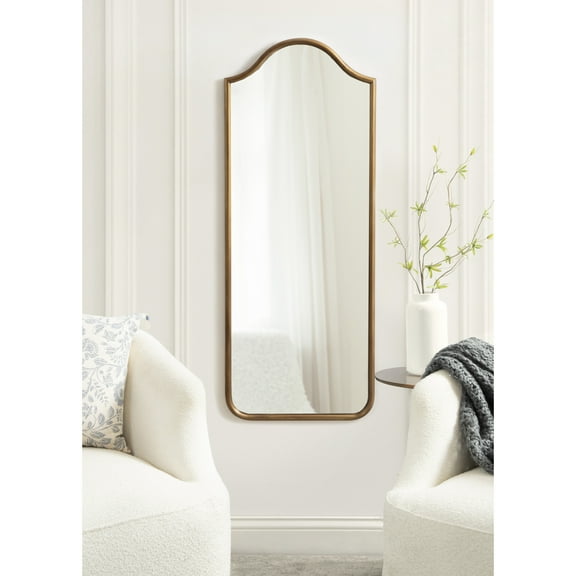
You can use decorative mirrors over a mantel, buffet, or sofa when your wall needs a focal point. You can choose gold-tone mirrors for warmer accents or wood frame mirrors for a grounded feel.
In bedrooms, you may want full length mirrors beside a dresser or near a closet. You can use a leaning design when you want flexibility and a taller reflection.
For entryways, you can choose wall mirrors that pair with a console and catch last-minute checks. You can use a round shape here when your door, rug, and table have strong straight lines.
In living rooms, you can place mirrors opposite artwork or windows to spread light across the space. You should compare frame color with curtain rods, tables, and shelves for a coordinated finish.
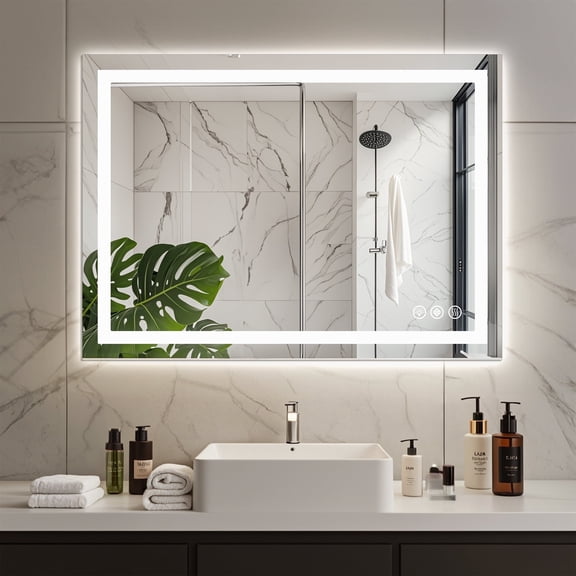
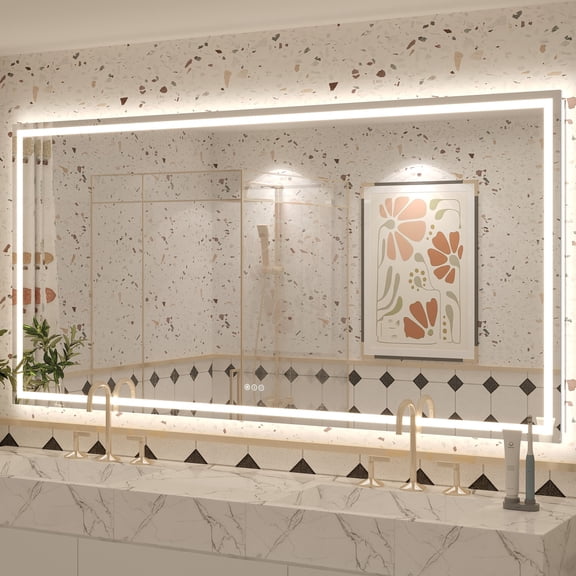
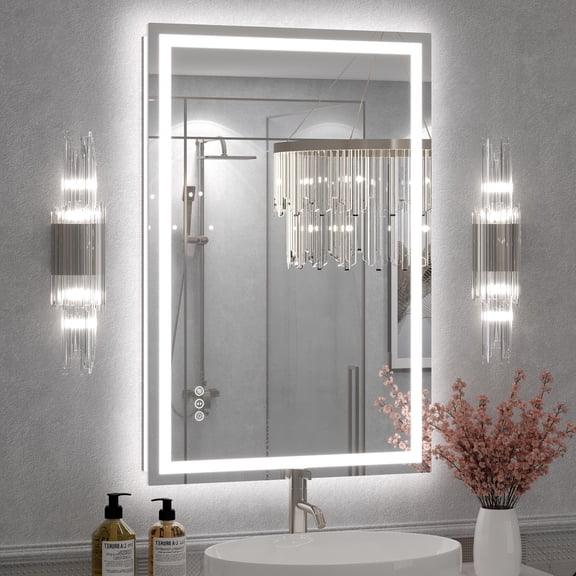
Bathroom and vanity areas call for careful measuring and secure hanging support. You can check width against your vanity and leave room for lighting on each side.
With the right mirrors, you can balance light, reflection, and style in ways that feel intentional. You can make each room feel more open and visually finished with a shape and mount that fit.