


Wakeboarding in Water Sports























![Hyperlite CG Handle w/65 Poly-E Line - Red [20700041]](https://i5.walmartimages.com/seo/Hyperlite-20700041-60-ft-Chamois-Grip-Handle-with-Poly-E-Line-44-Red_0be8e38e-6f55-41a8-b50a-55fdad25878b_1.f0cc6895bc0f28dbfb53397e7771d40e.jpeg?odnHeight=576&odnWidth=576&odnBg=FFFFFF)
![Blue, variant on Hyperlite CG Handle w/65 Poly-E Line - Red [20700041]](https://i5.walmartimages.com/asr/328e2a68-e213-4bc0-8b23-9d51813cd72b.1d8ebd6a850f978d5077953be12bc7a8.jpeg?odnBg=FFFFFF&odnHeight=30&odnWidth=30)
![Red, variant on Hyperlite CG Handle w/65 Poly-E Line - Red [20700041]](https://i5.walmartimages.com/asr/0be8e38e-6f55-41a8-b50a-55fdad25878b_1.f0cc6895bc0f28dbfb53397e7771d40e.jpeg?odnBg=FFFFFF&odnHeight=30&odnWidth=30)

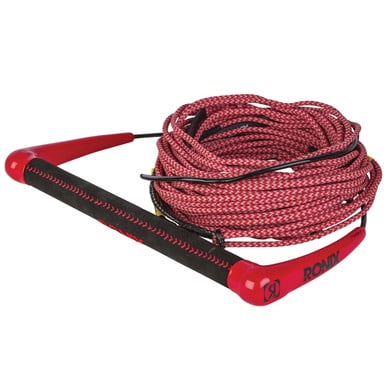


About Wakeboarding in Water Sports - Walmart.com
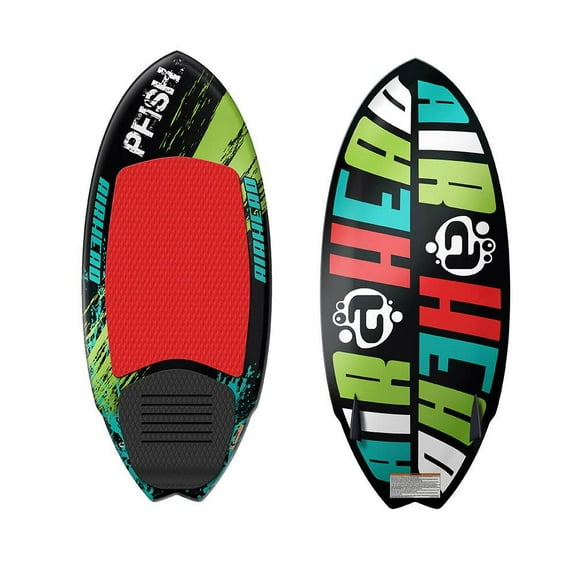
Wakeboards help you build speed, edge cleanly, and match your riding style on the water. You can compare rocker shape, board size, and binding fit here, so your setup feels more dialed from the first pull.
If you're choosing your first board or refining your current setup, you need category guidance that reflects real wake riding decisions. You can use rider weight, board length, fin feel, and wakeboard bindings compatibility to narrow the field faster.
How to choose wakeboards for your riding style
You should start with where and how you ride most often. If you ride behind a boat, you may want stronger edge hold, while cable park sessions often favor a looser, more playful feel.
You'll also want to match your board to your skill level. If you're considering beginner wakeboards, you'll usually want predictable tracking, easier starts, and forgiving landings.
- You can choose continuous rocker for smoother carving and steady speed into the wake.
- You can choose three-stage rocker if you want a more upright, punchy pop off the wake.
- You can choose hybrid shapes if you want a middle ground between smooth carry and vertical lift.
- You can look for molded-in fins if you want extra tracking and a steadier ride.
- You can try removable fins if you want to adjust how locked-in or loose your board feels.
You'll notice these choices affect how the board releases off the wake and lands back on the water. You can use that feel difference to match your board to boat runs, cable laps, or mixed sessions.
Choosing the right size and rocker
You should check rider weight before anything else, because sizing charts are decision-critical for wakeboards. When you match board length to your weight range, you get more balanced control and cleaner water starts.
If you size too short, you may feel a quicker ride with less forgiveness on landings. If you size longer, you may feel more stability, smoother tracking, and easier carry across choppy water.
You can compare rocker types by thinking about your takeoff and edge style. Continuous rocker keeps more board contact on the water, so you often get smoother speed and longer, flatter trajectory.
Three-stage rocker wakeboards use a more abrupt curve through the board. You'll often feel stronger upward lift at the wake, which can suit riders practicing wake-to-wake pop.
You can also compare hybrid rocker if you want a versatile setup. That shape can help you balance carving flow with a little extra lift when you load the line.
Wakeboard bindings and boot fit
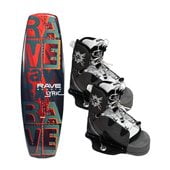
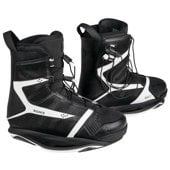
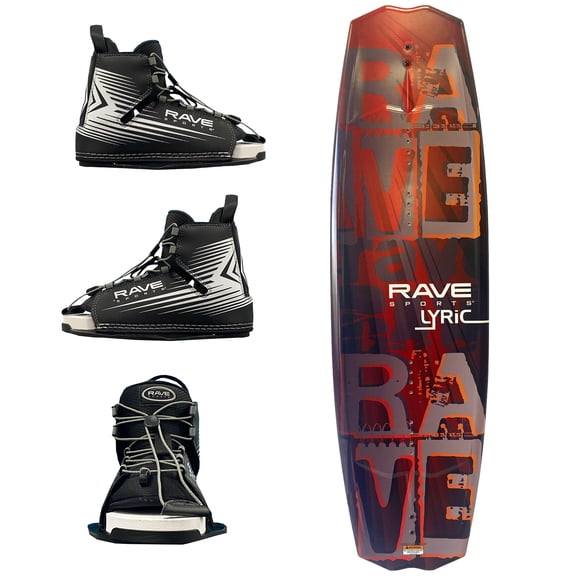
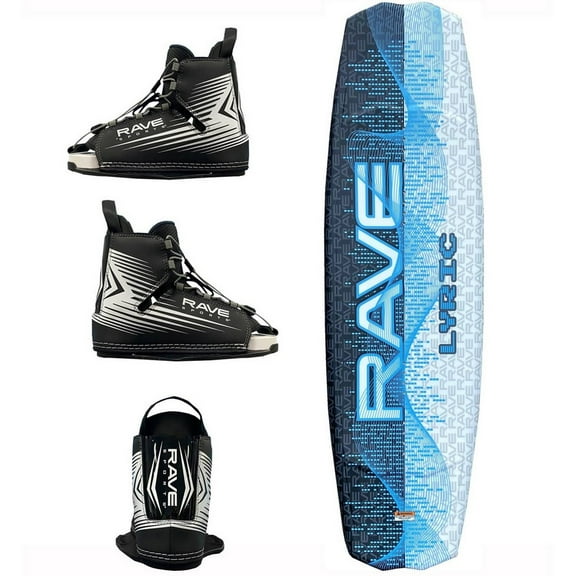
You should treat wakeboard bindings like a fit decision, not just an accessory choice. When your bindings match your boot size and mounting pattern, you get steadier support through cuts and landings.
Open toe styles can give you more size flexibility, which helps if your board setup is shared. Closed toe options can give you a more exact fit, which many riders prefer for direct board response.
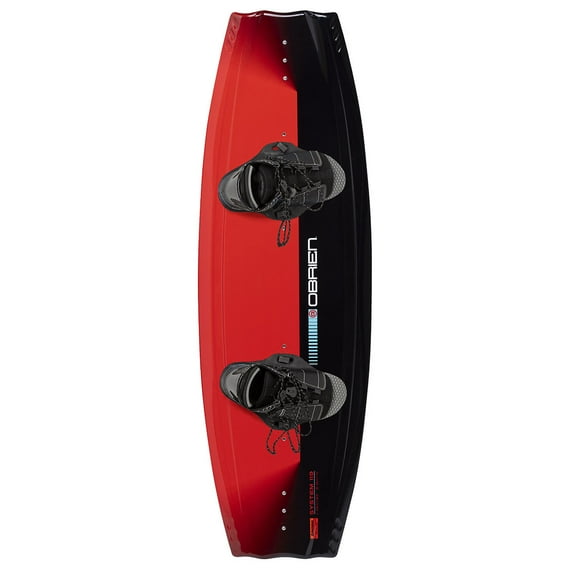
You can also compare system bindings if you want a different boot-and-chassis feel. That setup can appeal to riders who want a more skate-inspired connection during cable park sessions.
You'll want to check mounting pattern compatibility before you choose wakeboard boots or bindings. If your inserts and hardware line up correctly, you can adjust stance width and angles with less guesswork.
Your stance settings matter once the bindings are mounted. You can widen your stance for added stability, or you can narrow it for a more compact, quick-turning feel.
Wakeboarding gear for different skill levels
You can build wakeboarding gear around your current progression goals instead of chasing features you won't use yet. If you're new, you'll often benefit from stable outlines, forgiving rocker, and easy-entry bindings.
As your edging improves, you may want quicker transitions and more defined pop. Intermediate riders often compare rocker profile, fin setup, and board response more closely than simple graphics or color.
If you're riding at an advanced level, you may focus on release feel and landing control. You can use removable fins, more exact boot fit, and a tuned stance to shape a more specific ride.
You may also shop by rider category during peak season. If you're looking at mens wakeboards or womens wakeboards, you'll still want to prioritize weight-based sizing and binding fit first.
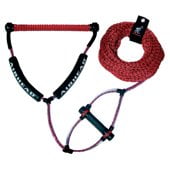
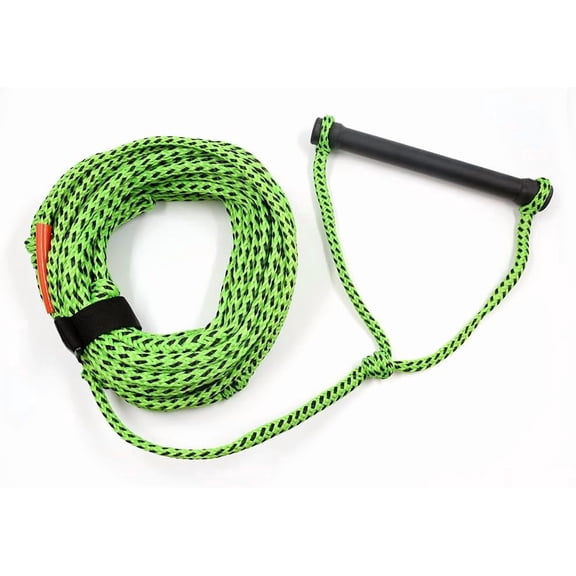
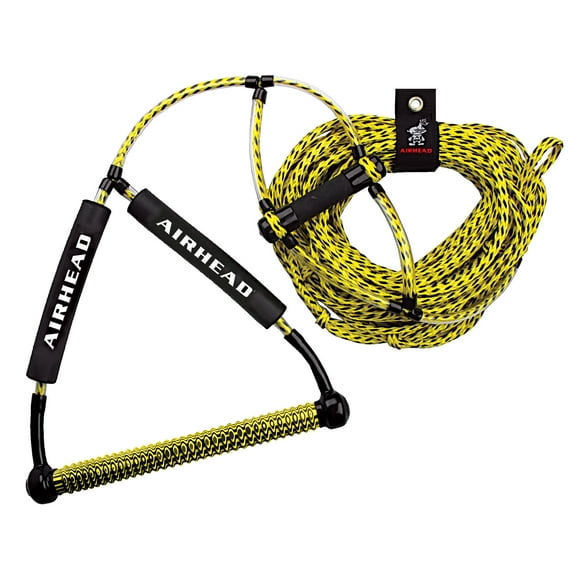
Your full setup can extend beyond the board itself. You can pair boards with tow ropes, wakeboard boots, and related water gear that supports boat days and repeat sessions.
Matching wakeboards to real riding scenarios
If you're learning deep-water starts and basic edging, beginner wakeboards with continuous rocker can feel easier to control. You may appreciate the smoother carry and more predictable path across the wake.
If you're trying to increase vertical pop behind the boat, three-stage rocker may fit your goals. You'll often notice a more abrupt lift when you time your edge and stand tall through the wake.
If you split time between boat riding and cable park laps, a hybrid board can simplify your choice. You can get a blend of tracking, release, and versatility that suits mixed conditions.
When your family shares gear, open toe wakeboard bindings can make sizing easier across multiple riders. You can adjust fit more flexibly while still maintaining enough support for casual sessions.
If you're dialing in a personal setup, closed toe boots and precise stance adjustments can feel more connected. You'll often notice cleaner energy transfer when your feet stay secure through hard cuts.
You can make a smarter choice when you compare sizing charts, rocker lines, and binding compatibility together. That approach helps your setup feel balanced, predictable, and ready for more confident rides.