

Violas in String Instruments and Accessories




























About Violas in String Instruments and Accessories - Walmart.com
You can compare musical instruments by skill level, size, and sound style, so you can choose music gear that fits your space and goals. You’ll also find category guidance that helps you narrow options for lessons, school band, home practice, or family play.
How to choose musical instruments by instrument type
Different musical instruments shape how you learn rhythm, melody, and control. You should start with the instrument type that matches the music you want to play most often.
If you’re comparing string options, you’ll notice fretted necks, hand positions, and chord shapes matter right away. You may prefer strings when you want portable practice and familiar song-based learning.
When you look at percussion, you’re choosing hands-on rhythm, timing, and steady coordination. You may like percussion if you want direct response and simple note reading at the start.
Brass and woodwind choices ask you to consider breath support, embouchure, and fingering patterns. You should compare these families when your school program calls for concert band instruments.
Keyboard options give you a clear visual layout, which can help you learn scales and chords. You may also compare key weighting, because you’ll feel a lighter or firmer touch under your fingers.
- You can pick strings for chord learning, songwriting, and compact storage.
- You can choose percussion for rhythm drills, ensemble practice, and quick setup.
- You can compare brass and woodwind models for school band and structured lessons.
- You can look at keyboards for note layout, headphone practice, and music theory basics.
Choosing beginner musical instruments by skill level
Your skill level should guide how simple the controls feel and how quickly you can start playing. You’ll want beginner musical instruments that support steady practice without extra setup steps.
If you’re new, you should look for easy tuning, clear note layout, and comfortable hand placement. You may also compare action height on string instruments, because lower action can feel easier during early practice.
For keyboards, you should check whether the keys feel light or weighted. You’ll often prefer lighter keys for first lessons, while weighted keys can feel closer to an acoustic piano.
If you’re moving into intermediate use, you may want broader tone control and stronger build details. You can compare response, tuning stability, and accessory compatibility before making your choice.
Professional-level options often support advanced technique, stage use, or frequent transport. You should focus on consistency, connection options, and the playing feel you need for longer sessions.
Comparing acoustic, electric, and hybrid music gear
Your space often decides whether acoustic, electric, or hybrid music gear makes the most sense. You should think about room size, practice hours, and whether you need volume control.
Acoustic instruments work well when you want a direct, unplugged playing experience. You’ll hear the natural sound immediately, which can help you focus on touch and tone.
Electric options can fit shared spaces because you may use headphones or lower-output amplification. You should compare cable connections, built-in controls, and whether an amp is part of your setup.
Hybrid designs can give you acoustic-style feel with added connection flexibility. You may like hybrids if you switch between quiet practice, lessons, and small group playing.
Accessories matter here too, because your setup changes with your power source choice. You’ll often need stands, tuners, cables, cases, pedals, or other musical accessories to get started smoothly.
Finding the right size for adults and kids
Your comfort depends on choosing a size that matches arm reach, hand position, and playing posture. You should compare full size, 3/4 size, and kids options before choosing musical instruments for your home.
Full-size instruments can suit teens and adults who need standard spacing and familiar classroom dimensions. You’ll usually get the expected key range, body shape, or stick reach with those models.
If you’re shopping for younger players, 3/4 size and kids versions can feel easier to hold. You should check sizing charts and lesson guidance so your child can sit, stand, and play comfortably.
Size also changes storage and transport, especially if you’re packing for school or lessons. You may want a lighter body, a smaller case, or a shorter scale length for easier carrying.
What to look for in bundles, accessories, and use cases
Your first setup may feel easier when you compare what comes in the box. You should look for starter bundles that include practical extras instead of adding each piece separately.
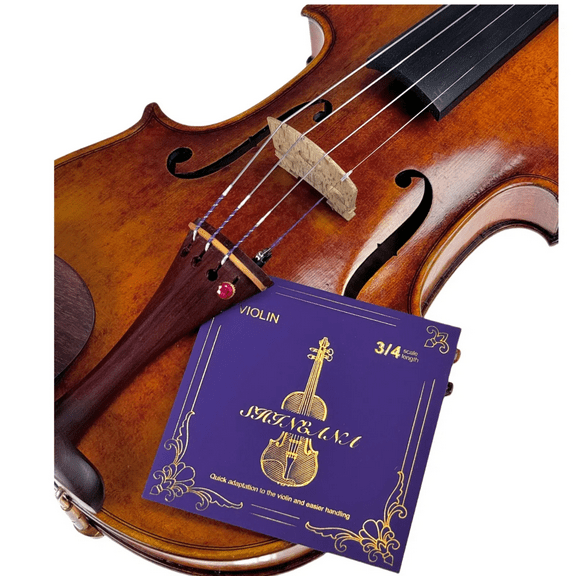
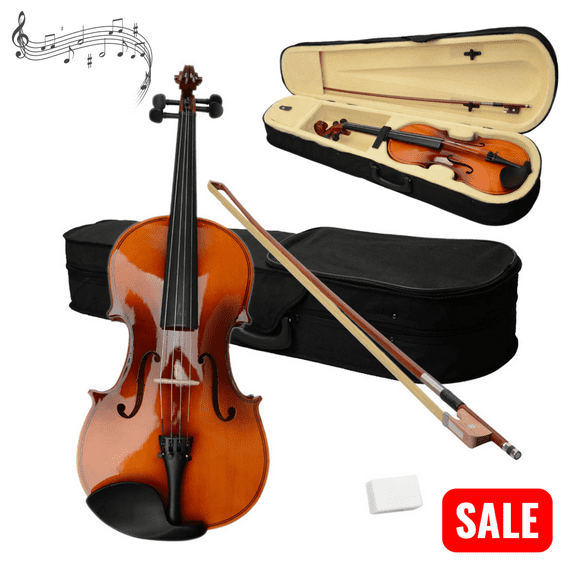
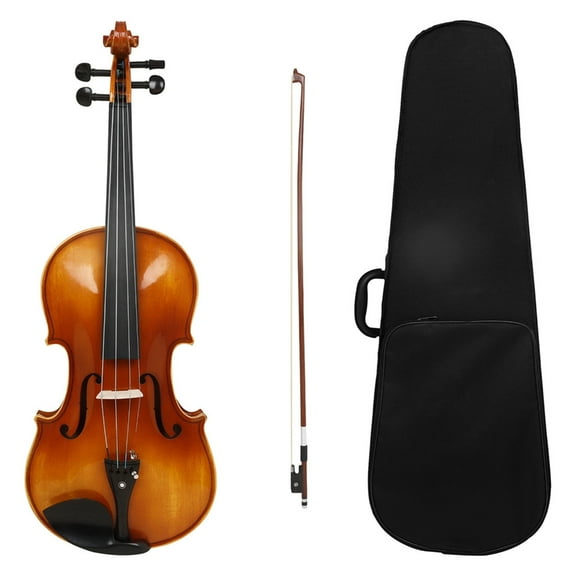
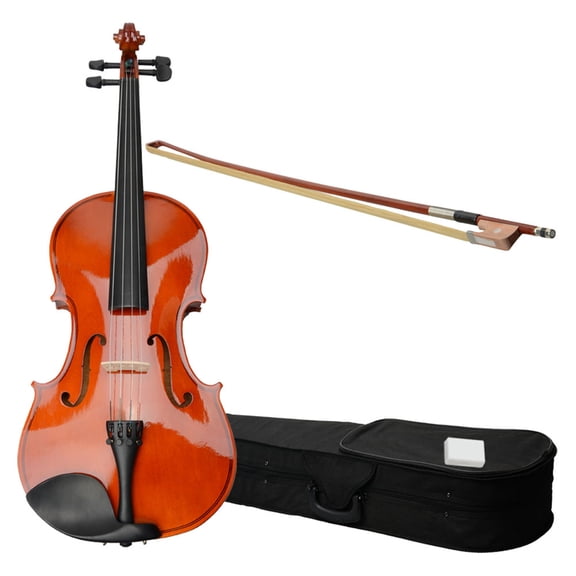
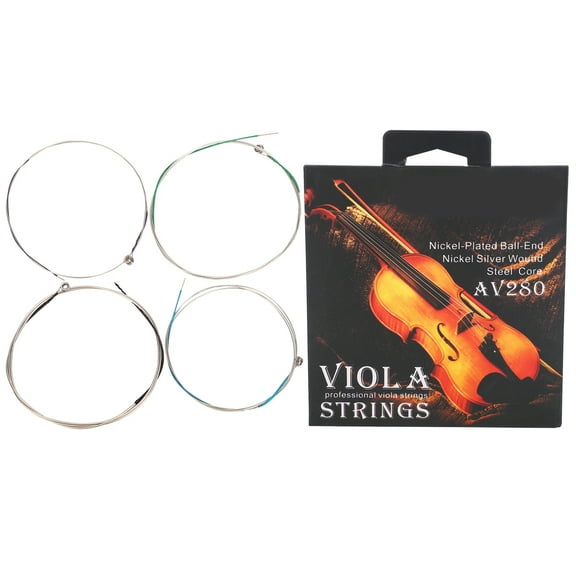
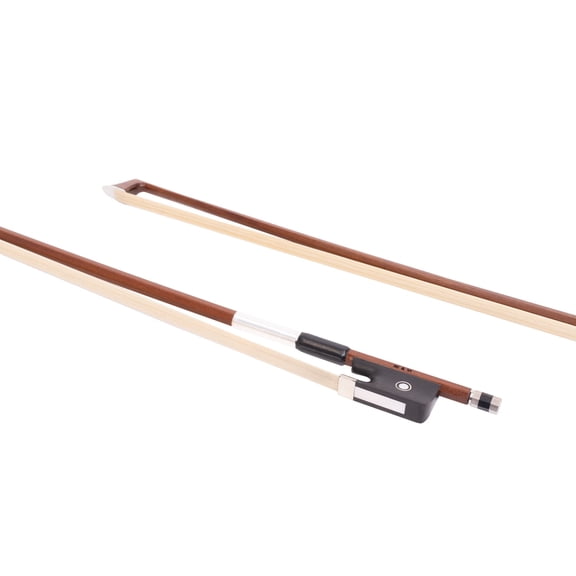
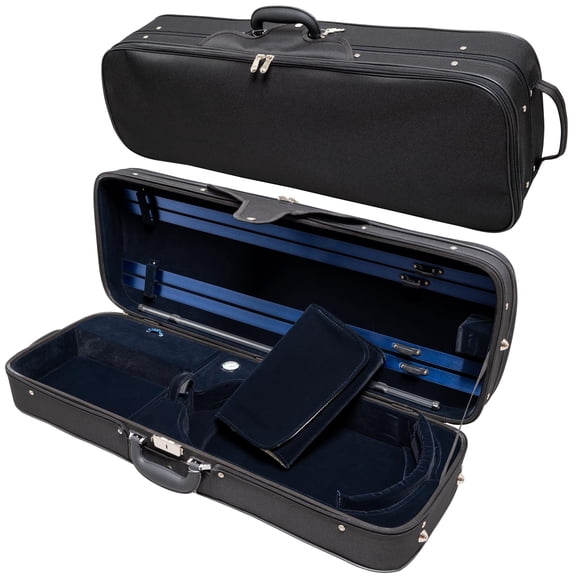
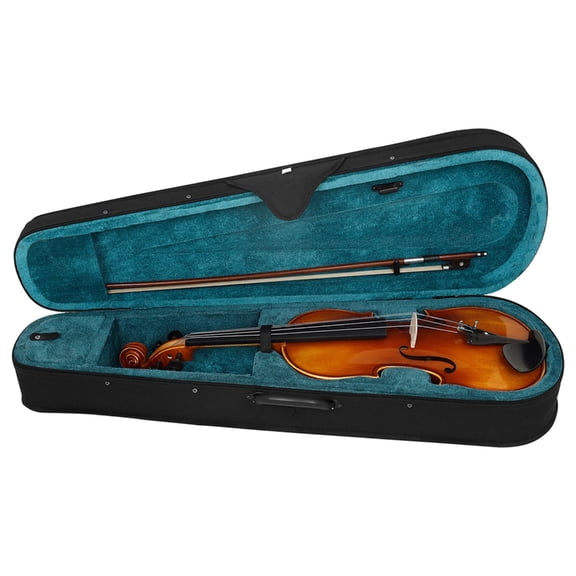
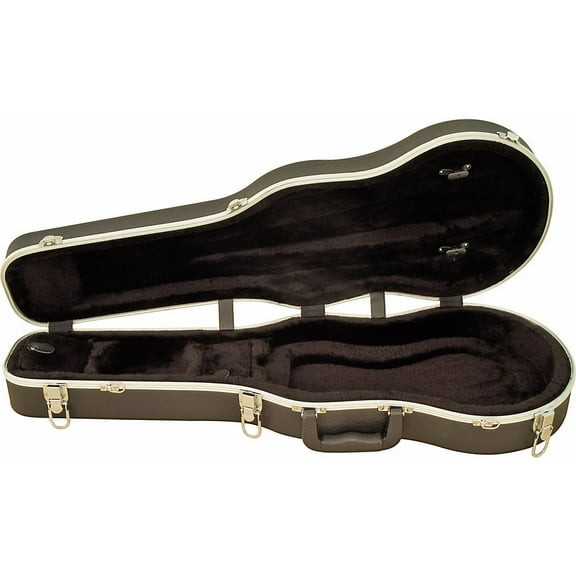
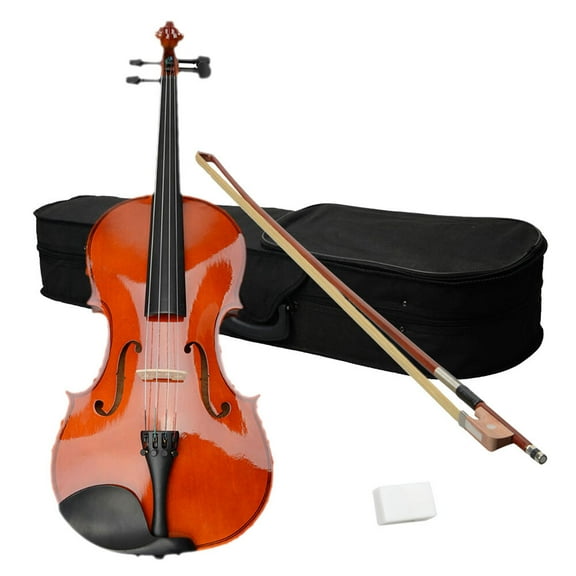
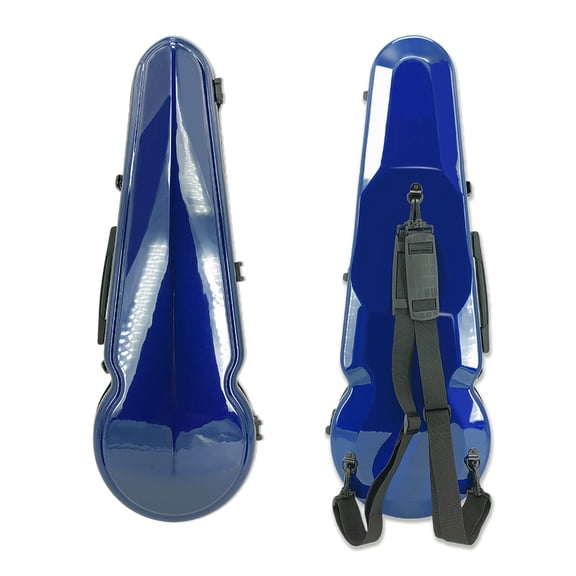
For string instruments, you may want a case, strap, picks, tuner, or extra strings. If you’re choosing bowed instruments, you should check for items like a bow, rosin, and storage case.
Keyboard shoppers often need a stand, bench, pedal, power adapter, and headphones. You’ll want to compare those extras if you’re building a home practice corner or lesson space.
Percussion setups may call for sticks, practice pads, stands, or protective bags. You should also consider how much floor space you have before choosing larger drum-based options.
If you’re buying for school band, you may prioritize portability, clear fingering systems, and easy daily setup. If you’re buying for family play, you may choose simple controls and durable music gear for repeat use.
You can feel more confident when you compare instrument type, skill level, power source, and size together. Your choice becomes easier when those details line up with how and where you’ll play.