



Vinegar in Cooking oils & vinegar


















About Vinegar in Cooking oils & vinegar - Walmart.com
Vinegar helps you stock your pantry for cooking, pickling, and household tasks with one versatile staple. You can compare bottle sizes, acidity levels, and styles that fit everything from dressings to canning prep.
How to choose vinegar by type
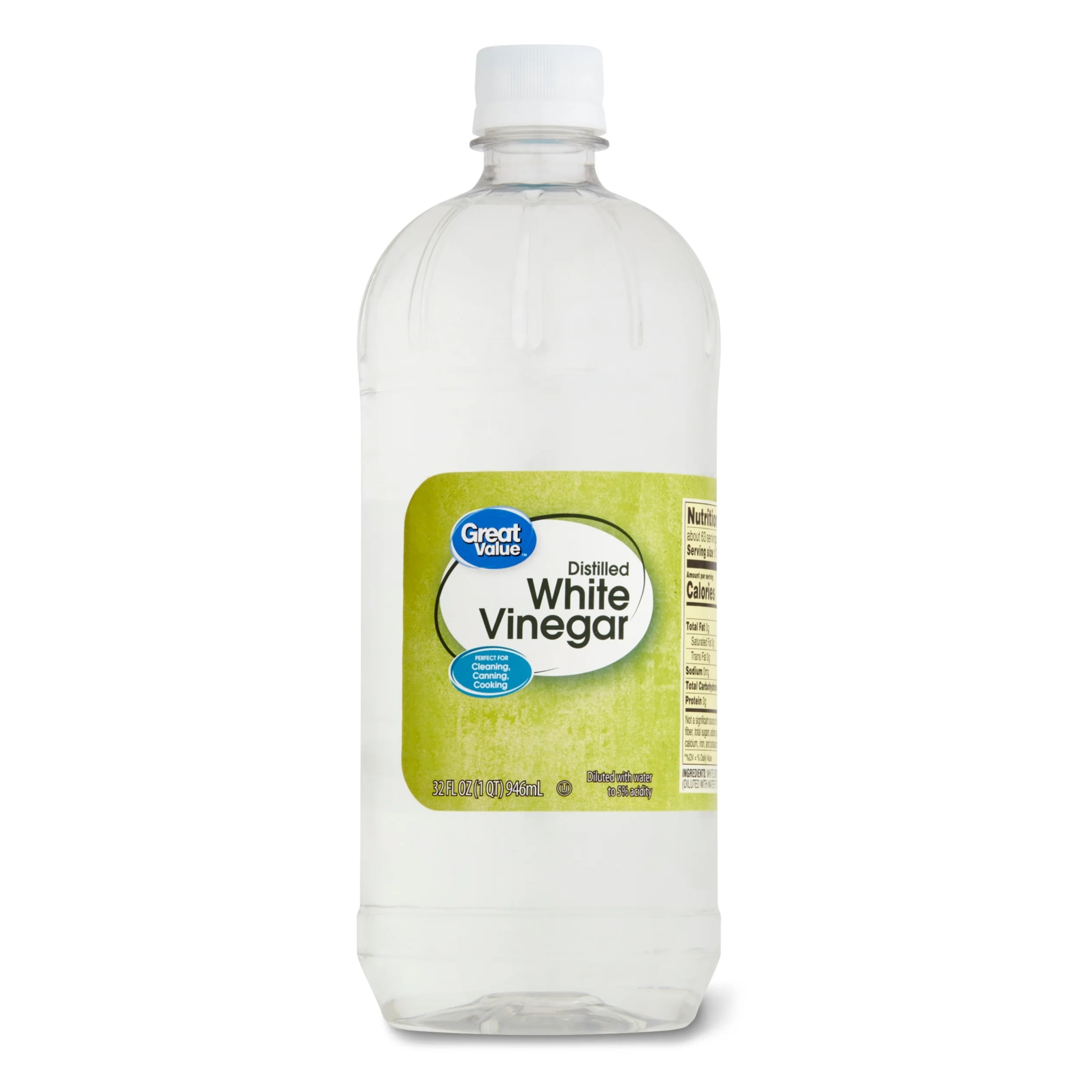
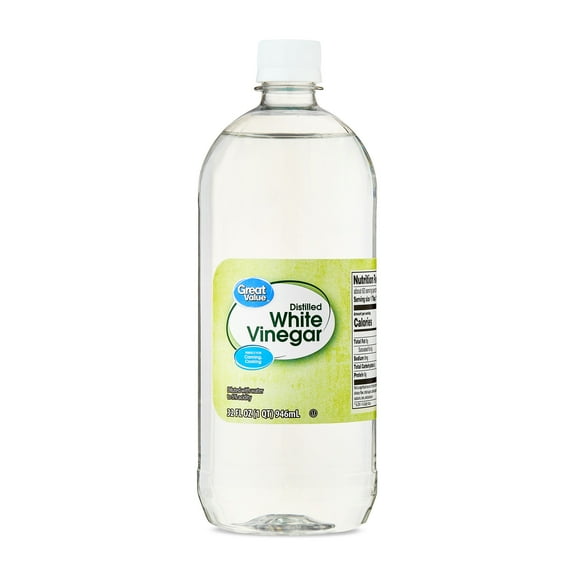
You should start with vinegar type because flavor and intended use can change a recipe fast. You can keep white vinegar on hand for all-purpose kitchen tasks and many household routines.
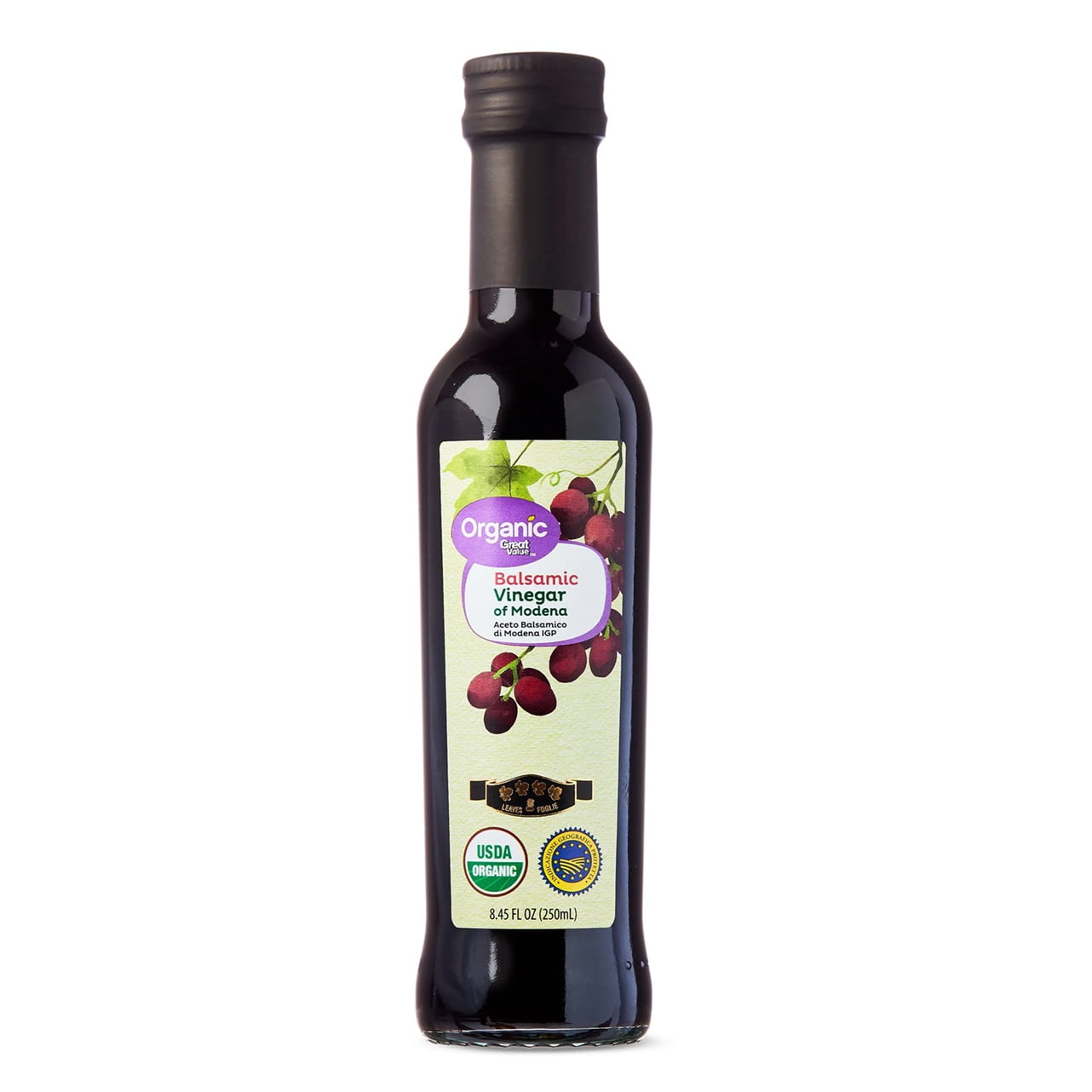
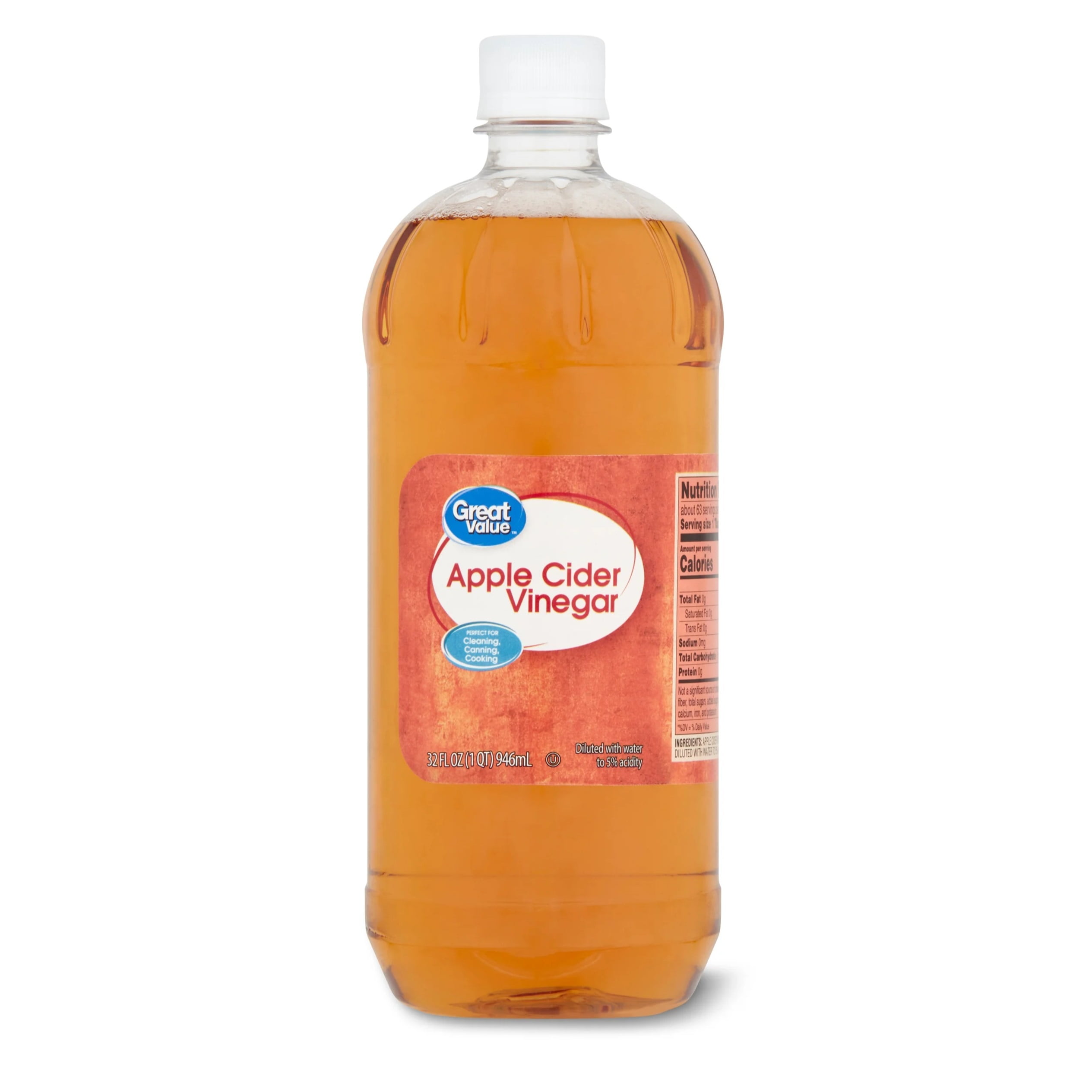
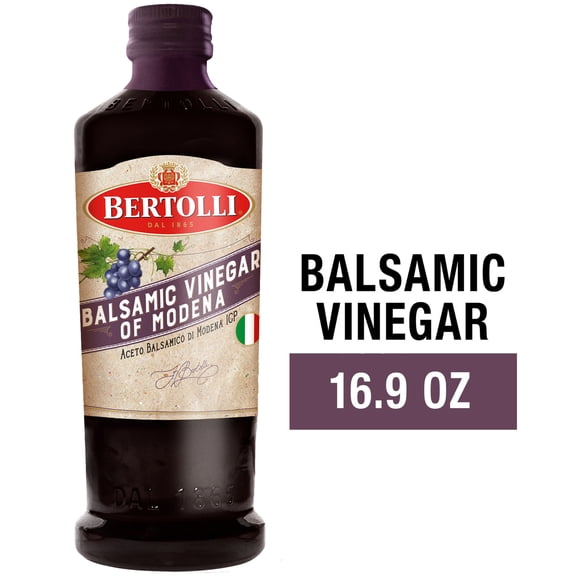
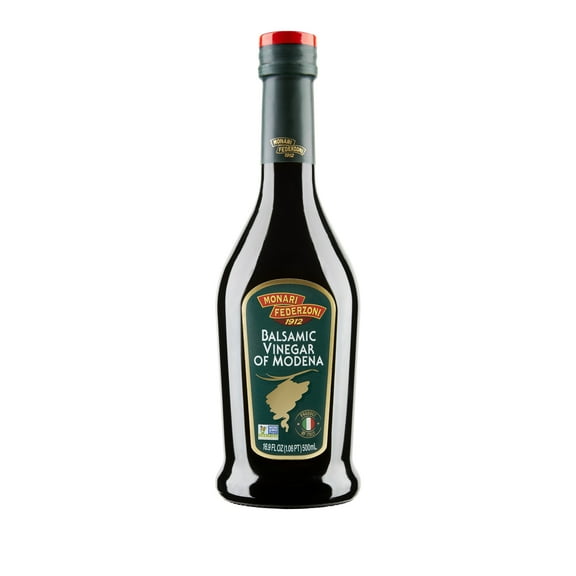
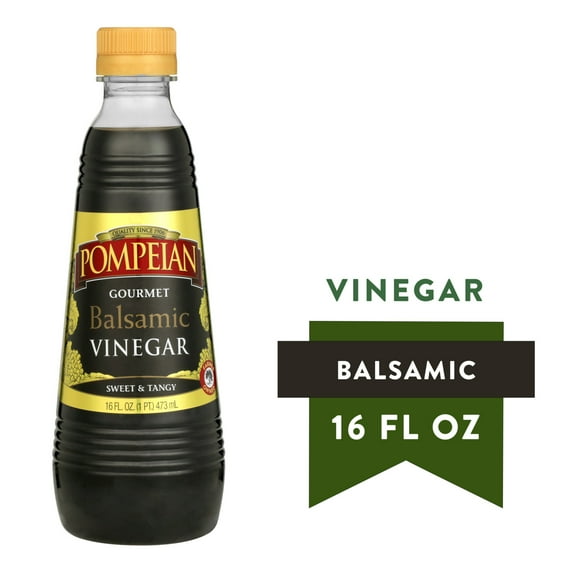
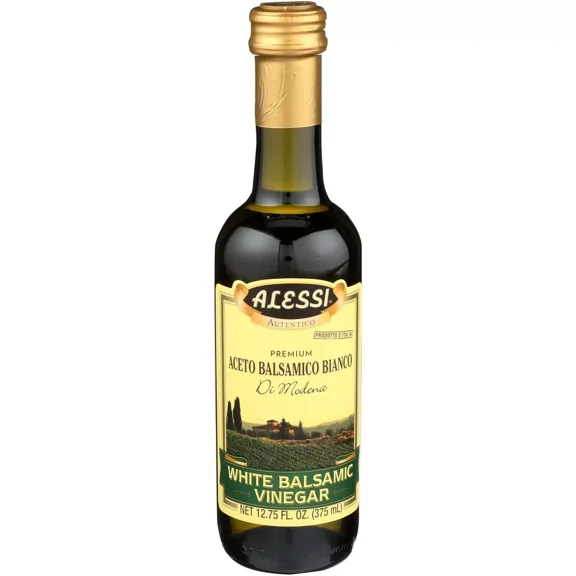
If you make marinades or sipping blends, you may prefer apple cider vinegar with filtered, raw, or unfiltered options. You can also choose balsamic vinegar when you want deeper sweetness for glazes, salads, and roasted vegetables.
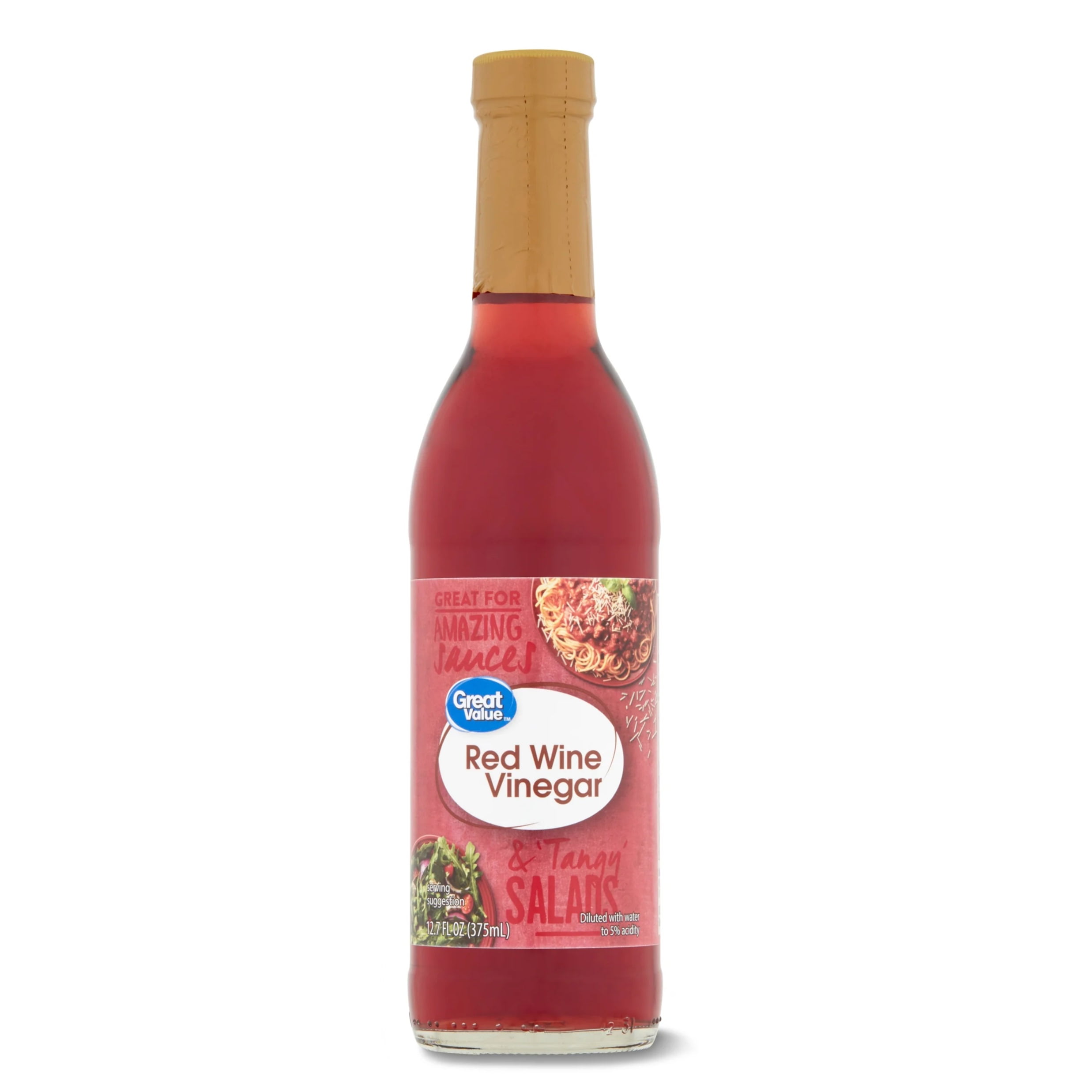
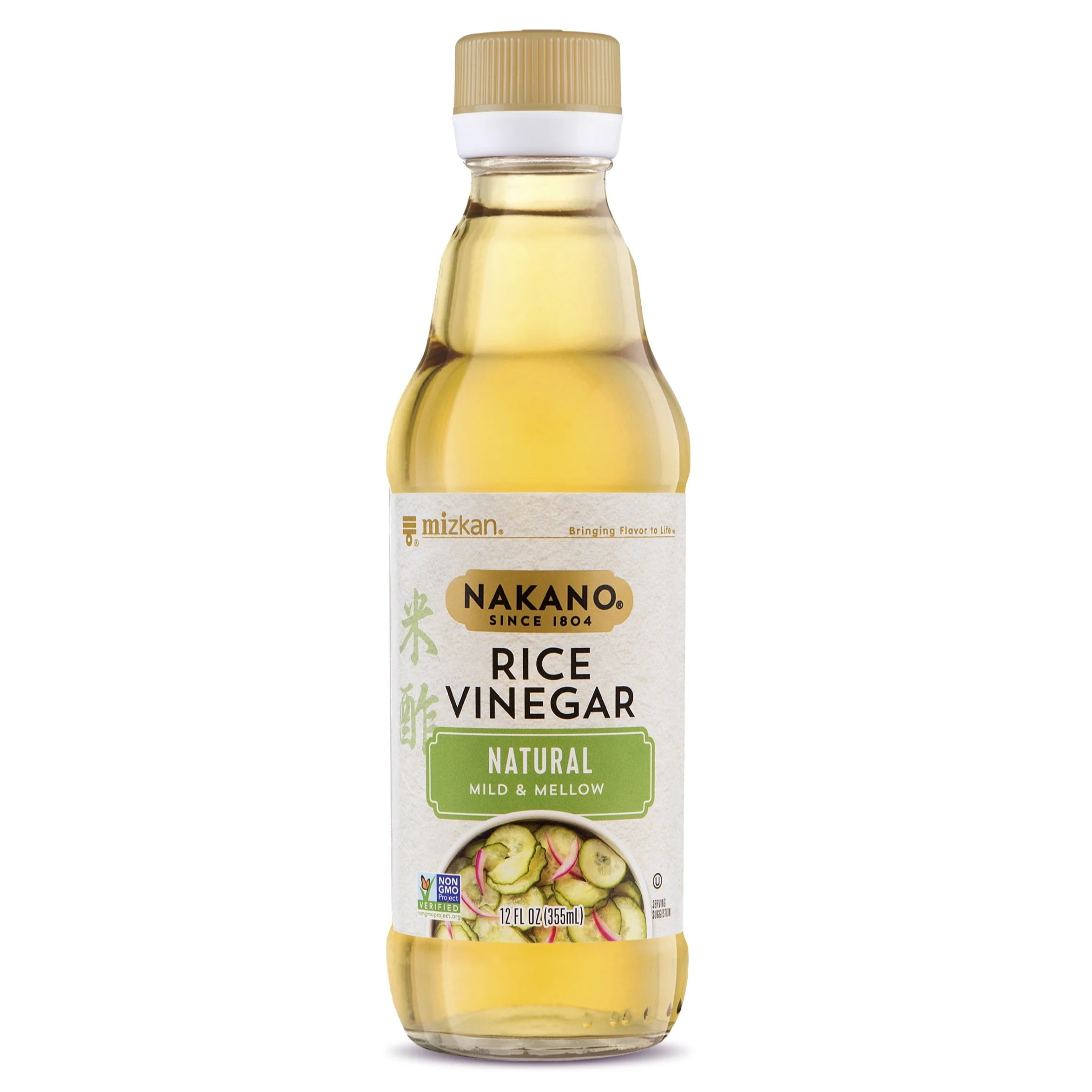
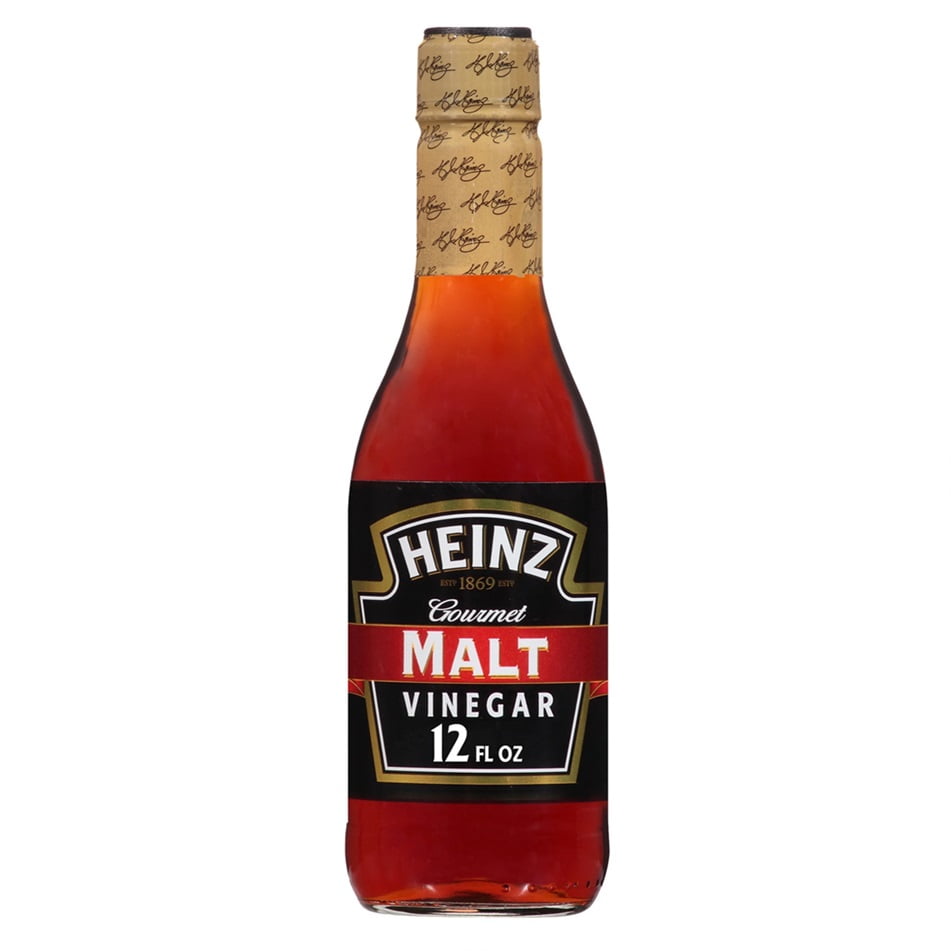
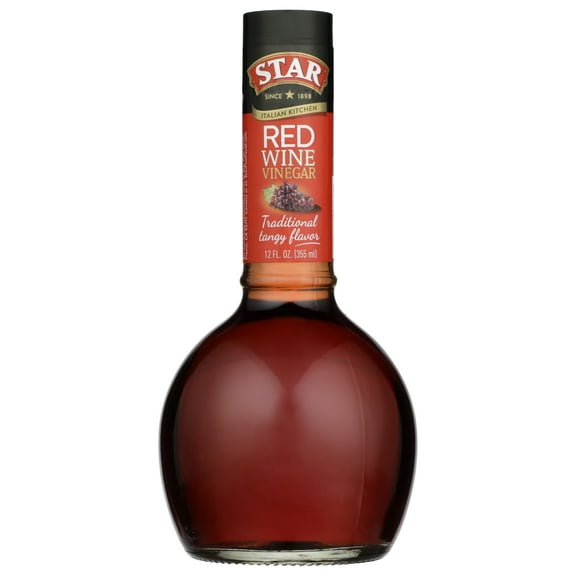
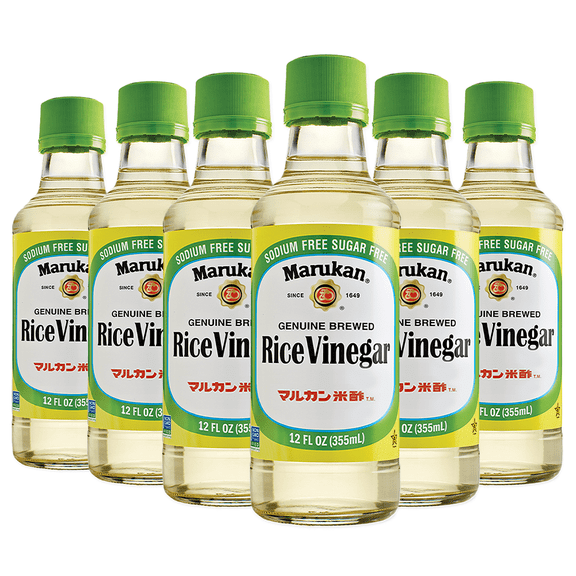
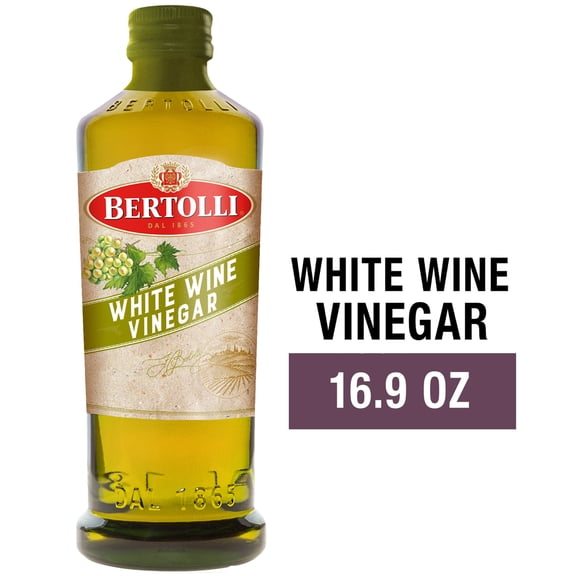
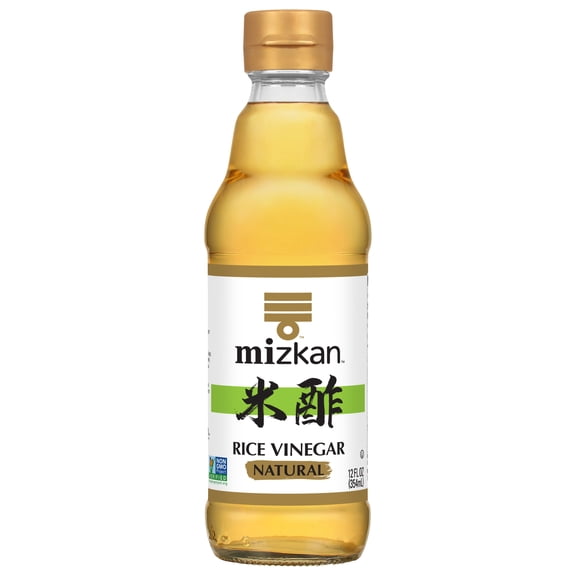
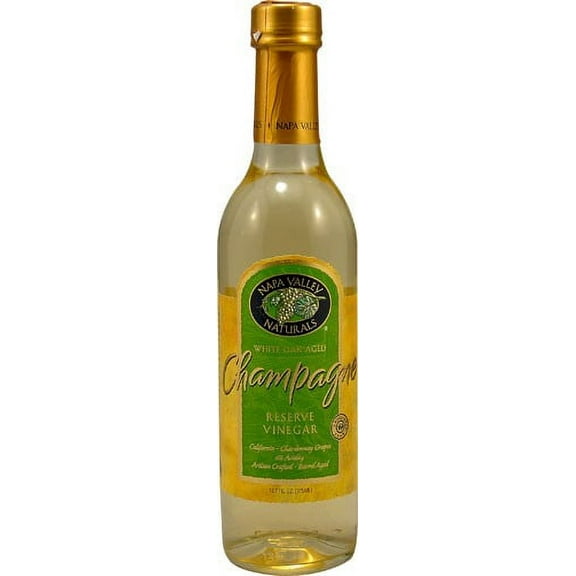
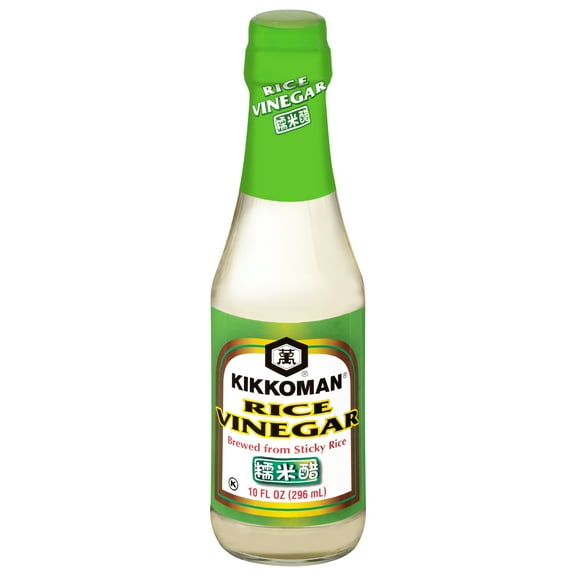
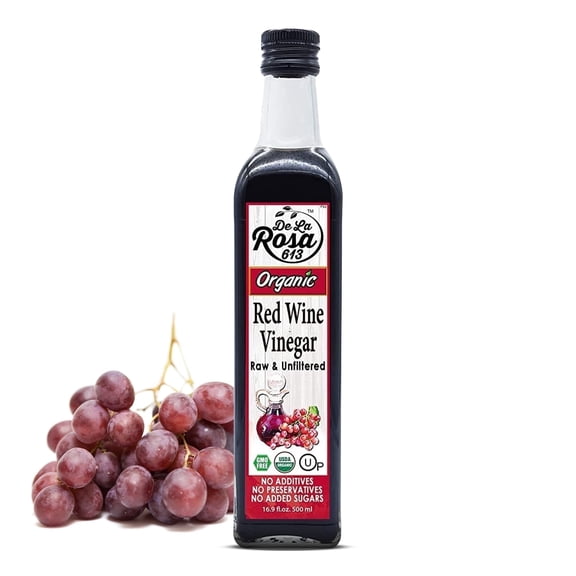
For brighter savory dishes, you may reach for red wine vinegar in vinaigrettes and quick marinades. If you cook stir-fry, sushi rice, or dipping sauces, you may prefer rice vinegar for a lighter profile.
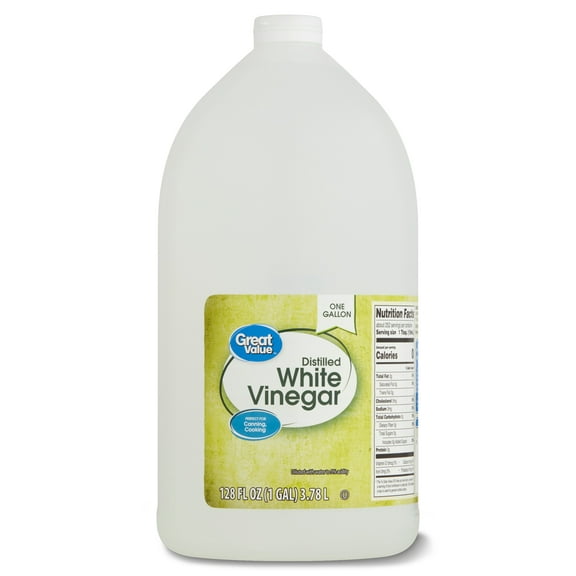
- You can use white vinegar for pickling, pantry cleaning tasks, and simple recipe prep.
- You can choose apple cider vinegar when you want filtered, raw, or with the mother options.
- You can use balsamic vinegar for dressings, reductions, and finishing touches on vegetables.
- You can pick red wine vinegar or rice vinegar for sauces, grains, and marinades.
Choosing white vinegar, apple cider vinegar, and balsamic vinegar
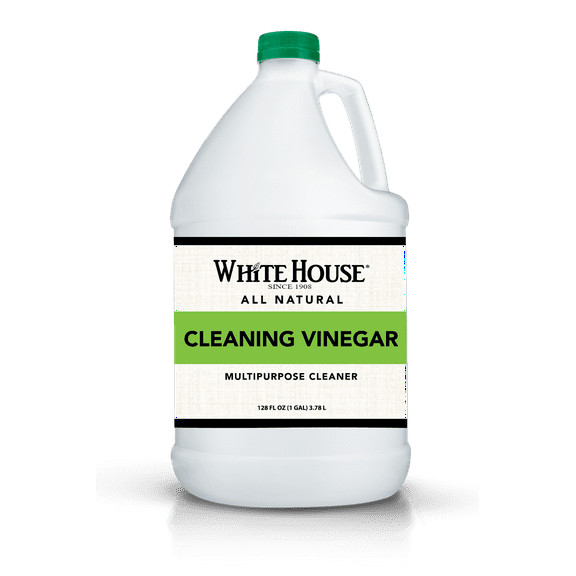
You should compare intended use first, because cooking vinegar and cleaning vinegar serve different routines. You can keep cooking styles in the pantry and separate stronger household formulas for nonfood jobs.
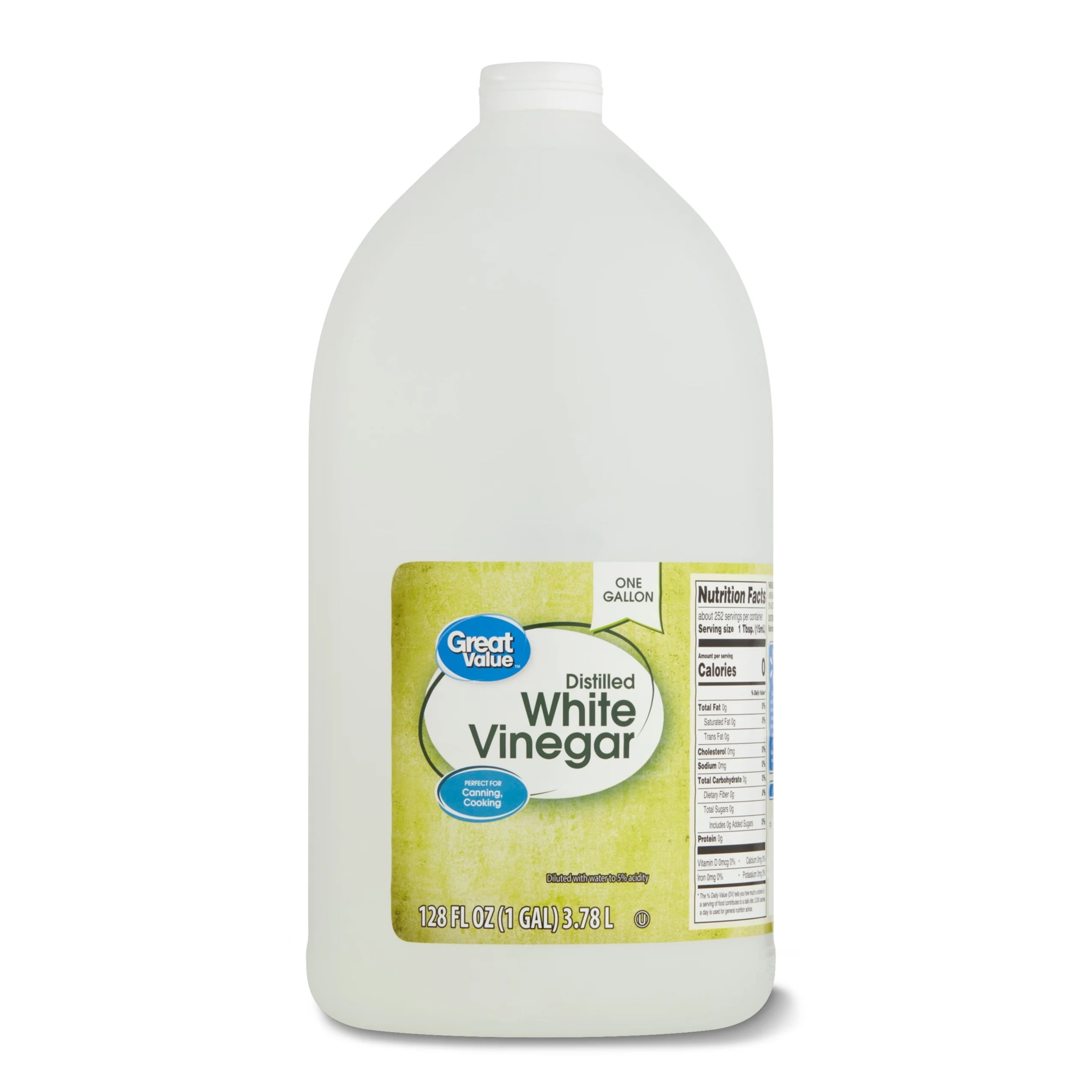
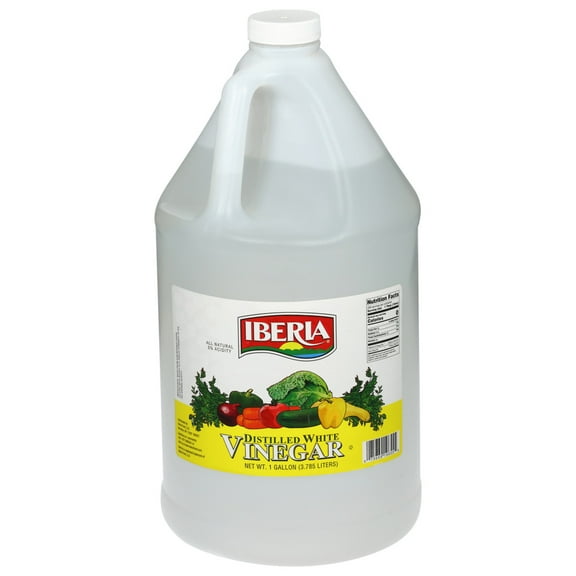
When you shop white vinegar, you may want a crisp, neutral option for pickling brine, sauces, and food prep. You can also find gallon containers when your canning season or cleaning checklist needs more volume.
If you shop apple cider vinegar, you should check whether you want organic, raw, unfiltered, or with the mother. You can choose filtered versions when you want a clearer look and a smoother pour.
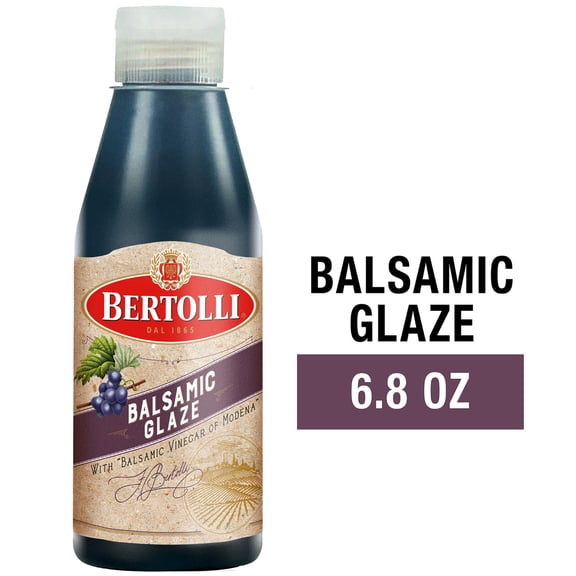
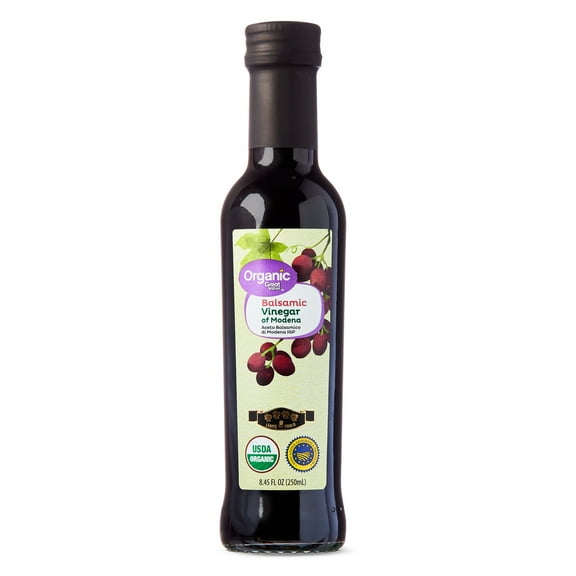
When you compare balsamic vinegar, you should look at how you plan to use it at the table. You can keep a bottle for salad dressing, bread dipping, glaze building, or drizzling over fruit.
What to look for in acidity and strength
You should check acidity before you buy, especially when you plan to pickle or preserve foods at home. You can often find labels with 5% acidity, 6% acidity, or double strength for specific tasks.
For home pickling, you should look for 5% acidity when your recipe calls for that exact grain strength. You can compare labels closely, because that detail matters when you follow canning instructions.
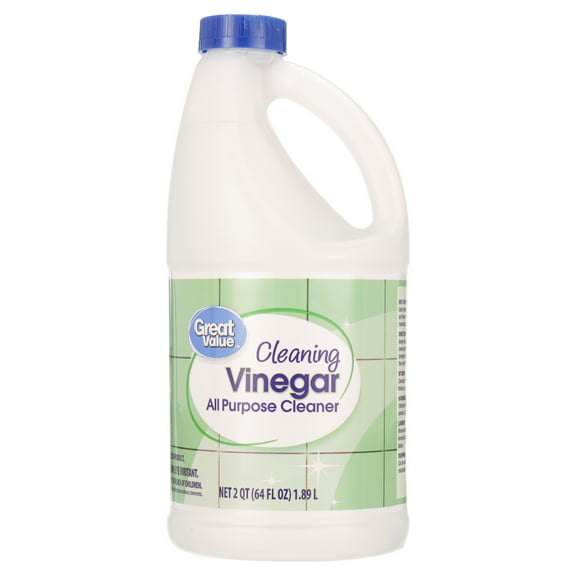
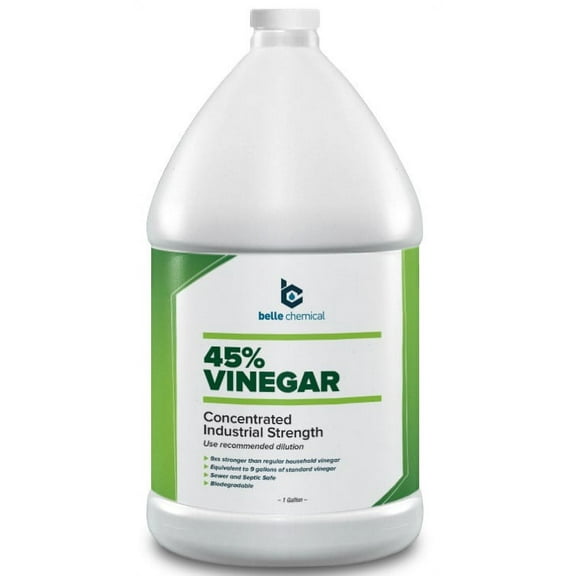
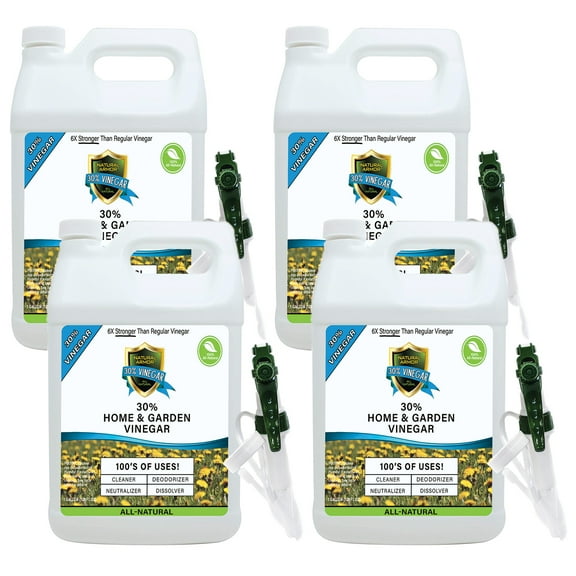
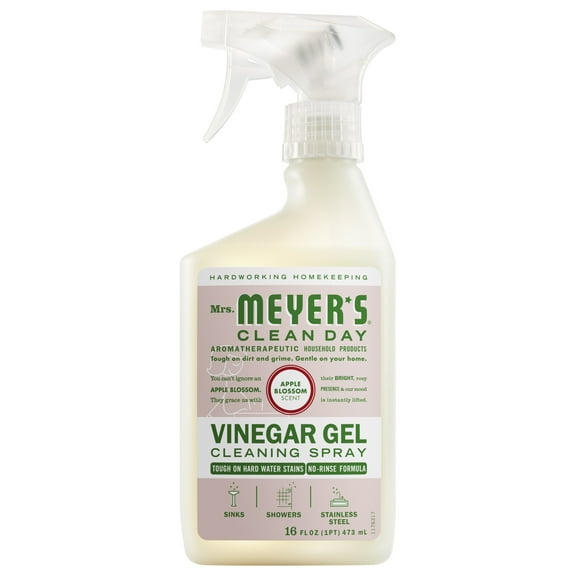
If you need a stronger option for household messes, you may choose cleaning vinegar or double strength formulas. You should keep those uses separate from pantry applications, because labeled intent helps you choose correctly.
You can also compare strength by how often you use vinegar during the week. If you refill spray bottles or make frequent brines, you may want larger sizes with the right acidity listed.
Comparing process, filtration, and packaging
You should look at process details when you want a specific texture or appearance in the bottle. You can choose raw or unfiltered apple cider vinegar when you want a cloudy look with the mother.
If you prefer a clearer appearance, you may choose filtered vinegar for smoother mixing in drinks and dressings. You can compare organic options too, when that matters in your regular pantry routine.
Size also shapes your choice, because a 16 oz bottle fits occasional recipes and a 32 oz bottle suits steady use. You can move up to a gallon or multi-pack when you pickle often or restock less frequently.
Packaging matters when you pour often, store extras, or share between kitchen and utility spaces. You should check whether a handle, cap style, or pack count matches how you use it.
How vinegar fits everyday use
You can keep white vinegar ready for coleslaw dressing, quick pickled onions, and brines for cucumbers or peppers. During late summer canning, you may also look for pickling vinegar in larger containers.
Apple cider vinegar can fit smoothies, marinades, and pantry staples where you want a fruit-based note. You may also choose organic apple cider vinegar when process details matter to your routine.
Balsamic vinegar works well when you finish roasted vegetables, build a glaze, or dress tomatoes and mozzarella. Red wine vinegar can support pasta salad, bean salad, and sharper vinaigrettes with a savory edge.
Rice vinegar suits sushi rice, noodle salads, and dipping sauces that need a lighter touch. You can cover kitchen prep and household tasks more easily when you match type, strength, and size to your plans.
Why this category makes decision-making easier
You can compare vinegar by flavor, acidity, filtration, and bottle size without guessing what each label means. You’ll feel more prepared for cooking, pickling, and household routines when the right bottle fits your exact use.