


Find auto parts that fit
Let’s search for parts that fit your vehicle.
Engine Management Valves for Auto Replacement


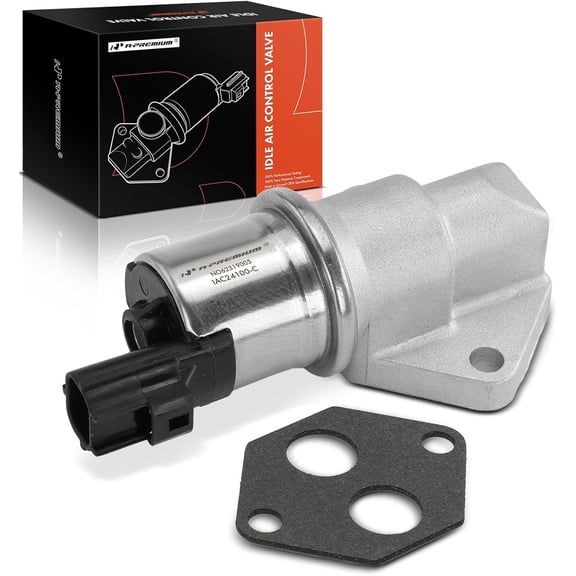


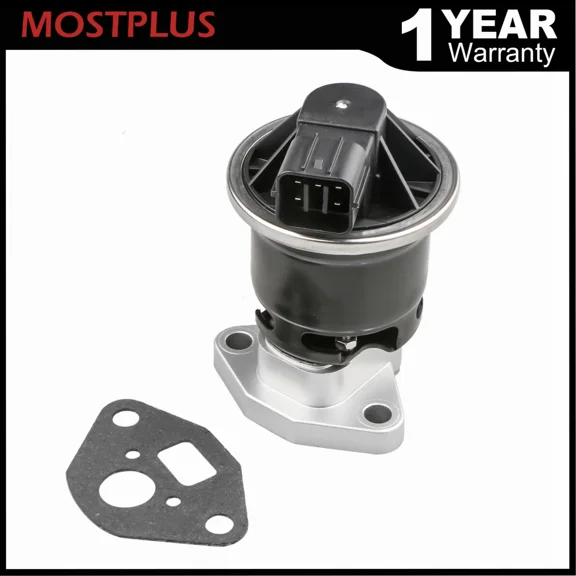
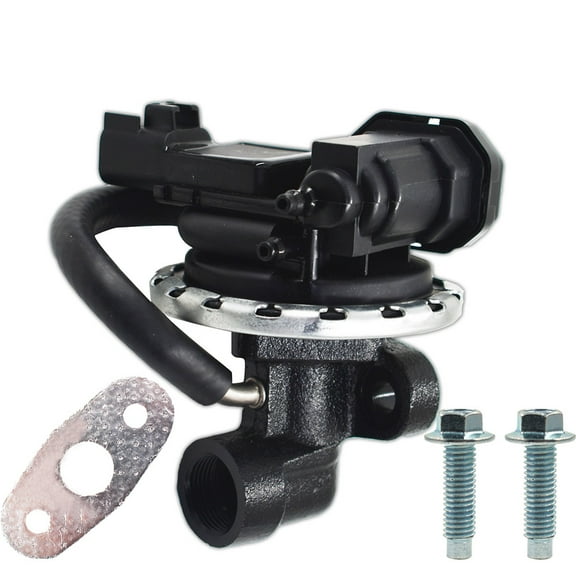


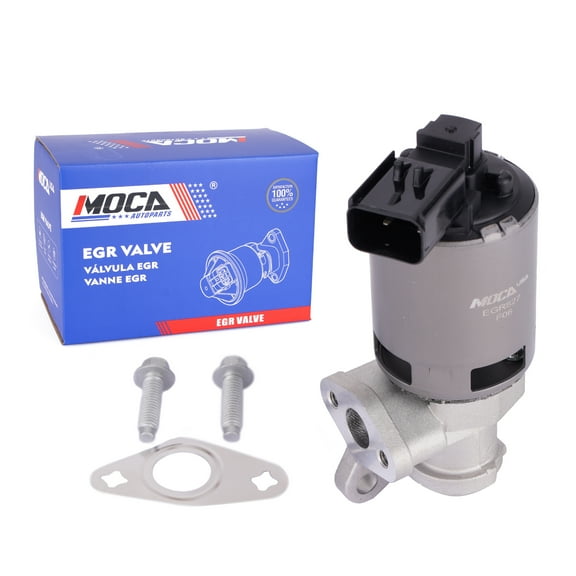


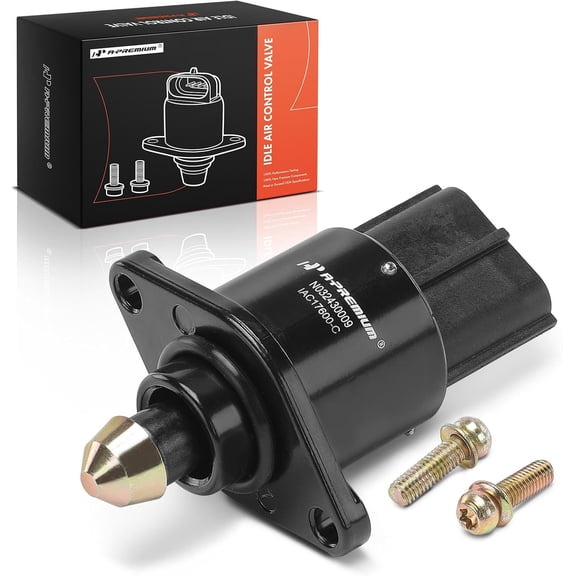

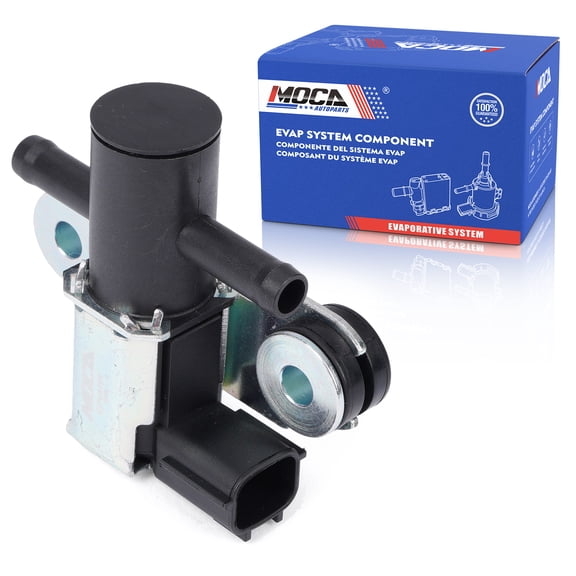
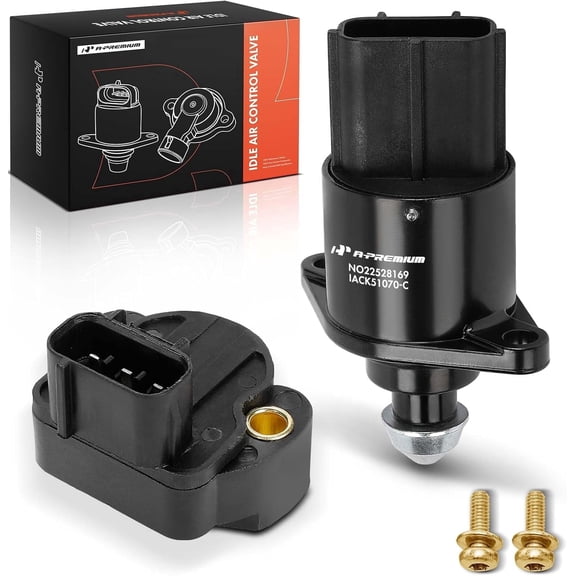
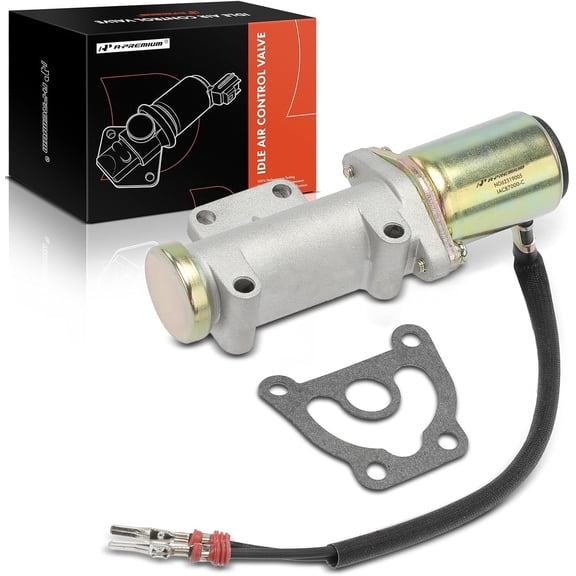


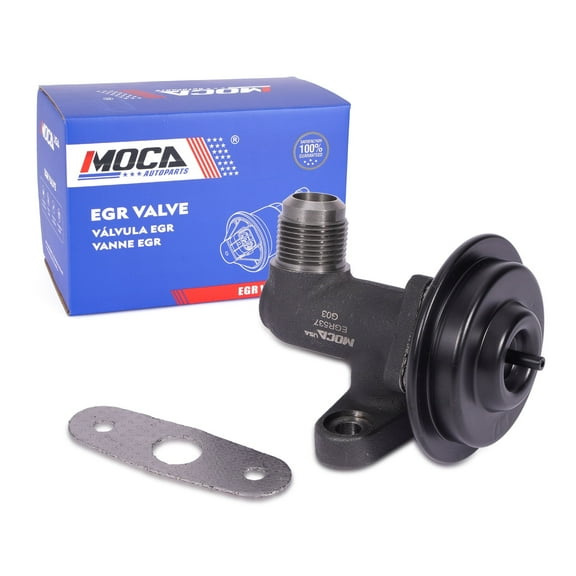

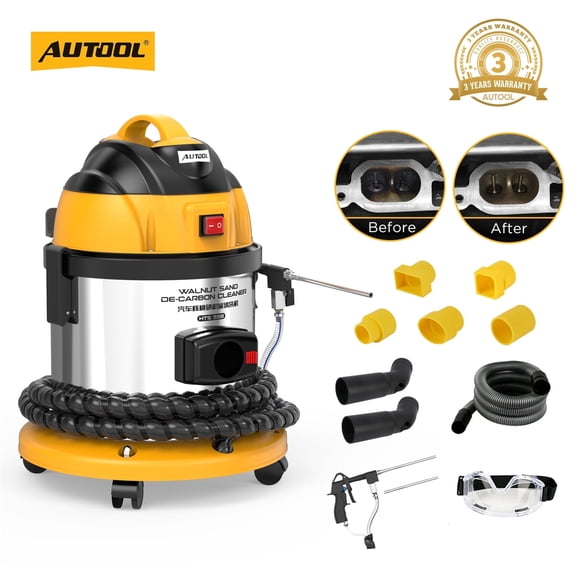

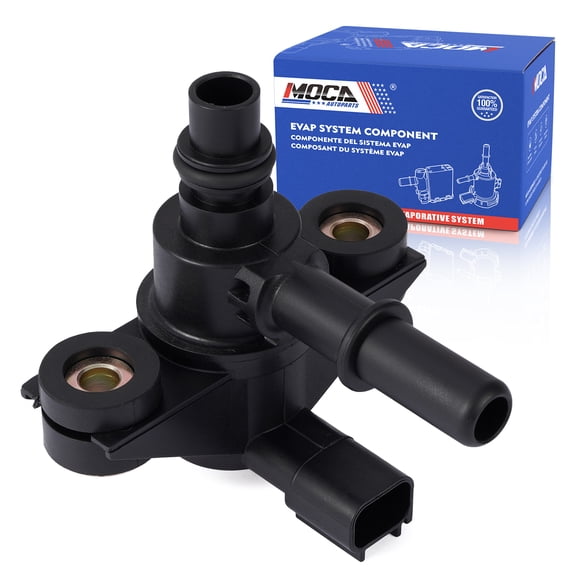

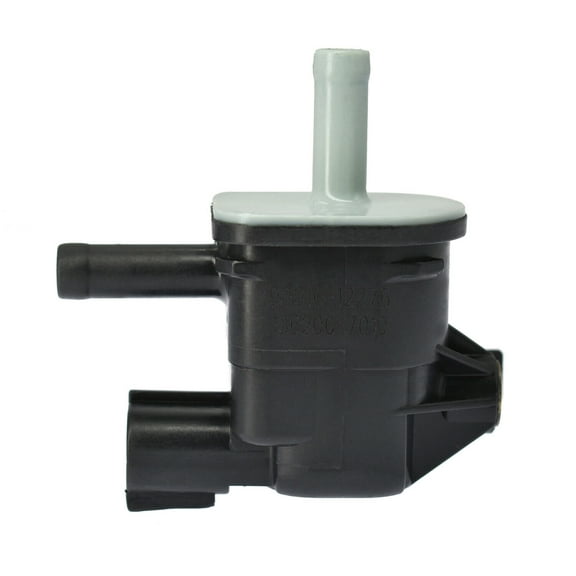

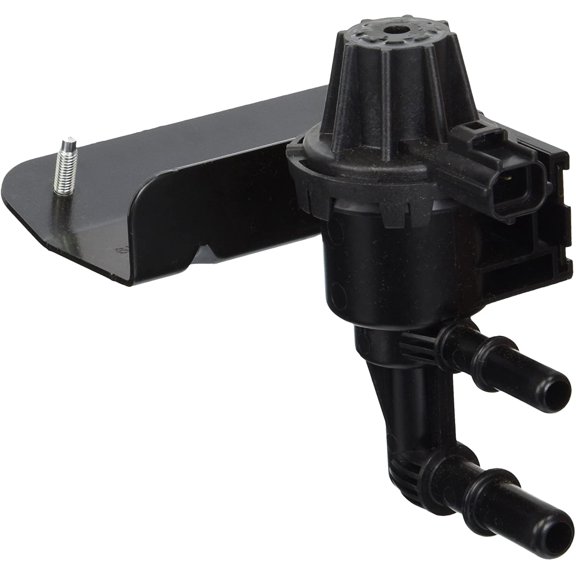
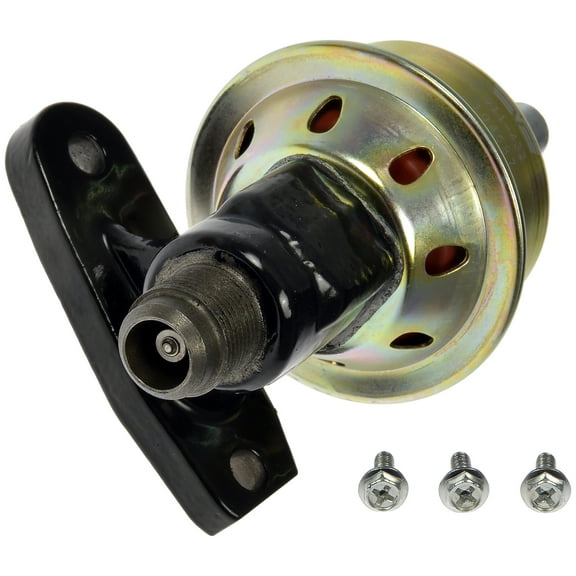
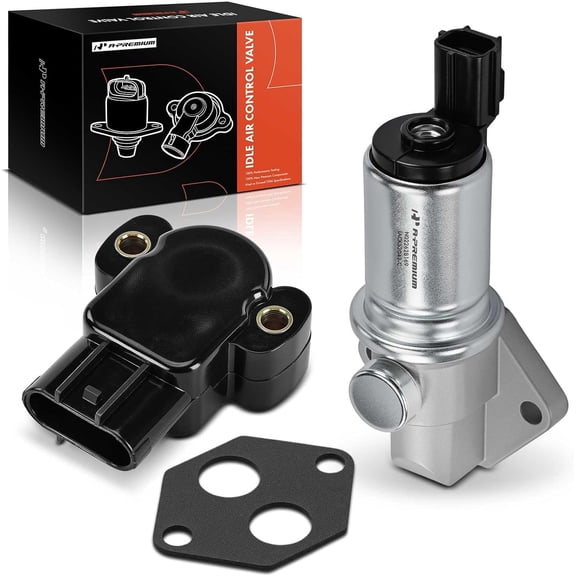

About Engine Management Valves for Auto Replacement - Walmart.com
Tire valve stems help you keep your wheels sealed and inflation checks straightforward. When you compare material, valve type, length, and fitment, your replacement choice gets much easier.
Choosing tire valve stems for your setup
Start with your wheel design and your vehicle type before you compare small details. That first check helps you narrow options for passenger cars, light trucks, motorcycles, and bicycles.
If your wheels use sensors, your first priority should be TPMS compatibility. A correct match supports sensor integration and frequency matching, so your replacement fits the hardware already on your wheel.
Your valve choice also affects inflation access, wheel clearance, and everyday durability. A careful comparison between rubber valve stems, metal tire valve stems, and tubeless tire valves keeps your setup aligned.
How material changes your decision
Rubber valve stems suit many everyday wheel setups and common replacement needs. Their flexible construction can make installation simpler when your wheels use standard valve holes.
Metal tire valve stems use a more rigid body that many drivers consider for custom wheels. Brass, chrome, and aluminum options also help you match exposed wheel hardware and mounting parts.
- Your rubber option can make sense for standard passenger car wheels and familiar replacement jobs.
- Your brass or aluminum option can make sense when your wheel setup needs a firmer stem body.
- Your chrome finish can coordinate with visible lug hardware and polished wheel styles.
- Your material choice should also account for climate, wheel style, and how often you check pressure.
Material also affects how your stem sits in the valve hole over time. A close look at grommets, washers, and mounting style helps your replacement fit more cleanly.
Comparing valve type and TPMS compatibility
Tubeless tire valves appear on many modern cars, trucks, and motorcycles. Your replacement needs to match your wheel setup, because tubeless and inner tube systems use different valve designs.
TPMS valve stems deserve extra attention when your vehicle uses tire pressure monitoring sensors. Sensor integration details and frequency matching notes help you confirm that your stem works with your existing electronics.
A standard stem may suit your wheel when no sensor is present. Your TPMS setup usually needs the right stem style, sensor mount, and service kit hardware for a proper match.
Related accessories can make your maintenance routine more complete. Your tire valve caps protect the opening, and your valve stem core tool helps with core service and replacement.
Choosing the right length and clearance
Length changes how easily your air chuck reaches the valve during pressure checks. Short, standard, and long valve stems each affect access differently around spokes, trim, and wheel openings.
Short stems around 1.25 inches can suit tighter wheel designs with limited space. A careful measurement helps your stem clear nearby spokes and stay easy to reach.
Standard stems around 1.5 inches fit many everyday applications and common wheel layouts. That middle length often gives your setup balanced access without adding extra extension.
Long stems around 2 inches can help when your valve sits deep inside the wheel opening. Your clearance check should confirm the stem won't contact brake calipers, wheel covers, or nearby components.
Matching tire valve stems to how you drive
For your passenger car, a straightforward replacement often starts with factory-style fitment and standard length. Your comparison should focus on material, tubeless compatibility, and easy access for routine inflation.
For your light truck, a firmer stem body and clear access point can matter more. Larger wheels may leave your valve harder to reach, so length and metal construction deserve a closer look.
For your motorcycle, compact space around the wheel makes measurement especially important. Your choice should account for angle, stem length, and tubeless compatibility before installation.
For your bicycle, the first step is confirming whether your setup uses an inner tube or tubeless system. Rim depth and pump access then help you decide which stem length fits your routine.
If you handle seasonal tire swaps, a few related parts can keep your setup organized. Extra caps, cores, and service tools support smoother wheel maintenance when your tires change with the season.
With the right tire valve stems, your wheels can keep the fit, clearance, and compatibility your setup needs. A careful match across material, valve type, length, and fitment gives you easier upkeep.