


Find auto parts that fit
Let’s search for parts that fit your vehicle.UTV Suspension Parts for Powersport Vehicles























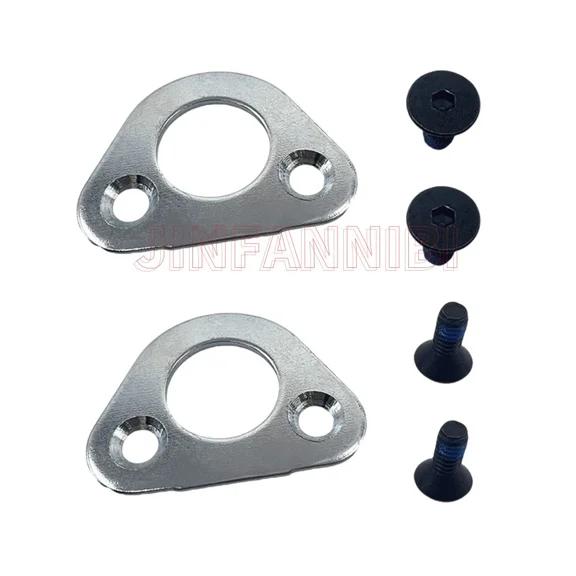
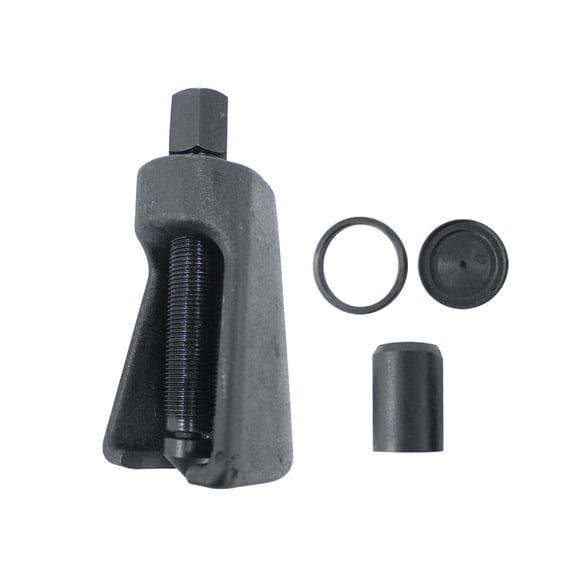
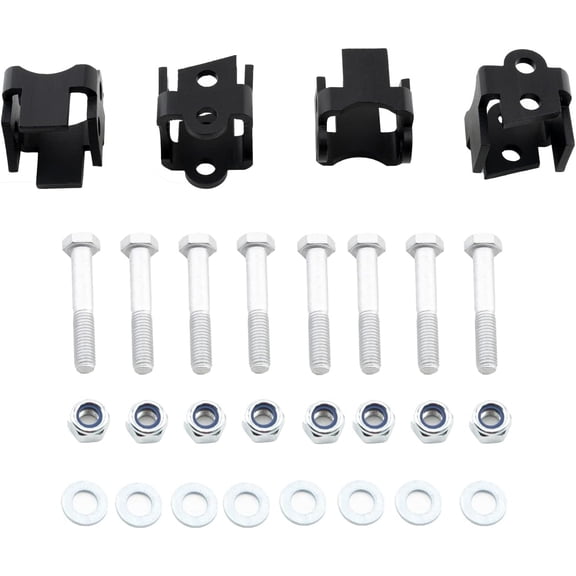

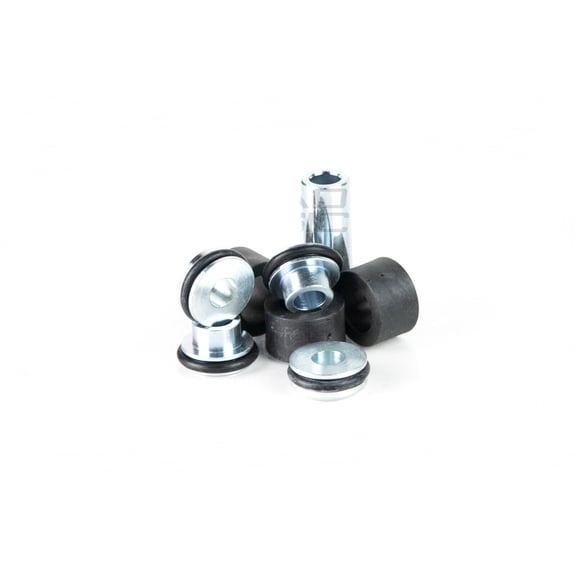

About UTV Suspension Parts for Powersport Vehicles - Walmart.com
UTV suspension helps you tune ride height, control, and comfort for rough trails, rocky climbs, and fast desert sections. You can compare fitment, component types, adjustability, and lift height before choosing parts for your machine.
How to choose UTV suspension for your vehicle
Your first decision is vehicle compatibility, because correct fitment affects how your parts mount and perform. You should check year, make, model, and sub-model before you compare any upgrade.
You may shop for Polaris RZR, Can-Am Maverick, Yamaha YXZ, or Honda Talon setups. You can narrow choices faster when your side by side suspension parts match your platform.
Your riding style also shapes what you should choose. You may want more comfort and flex for trail riding, or steadier damping for faster, open terrain.
Choosing the right UTV suspension parts
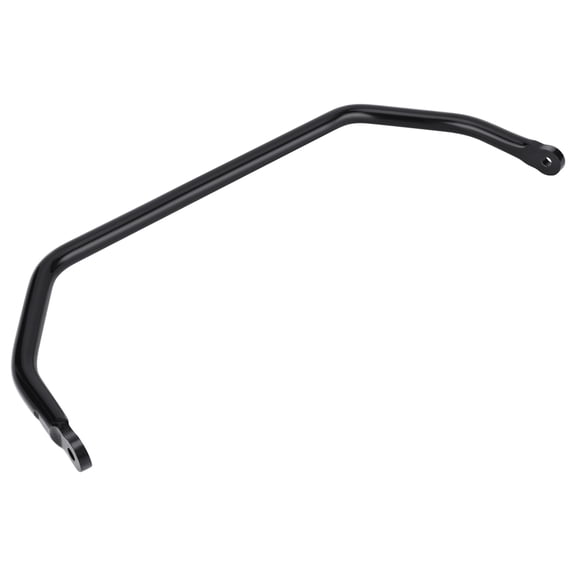
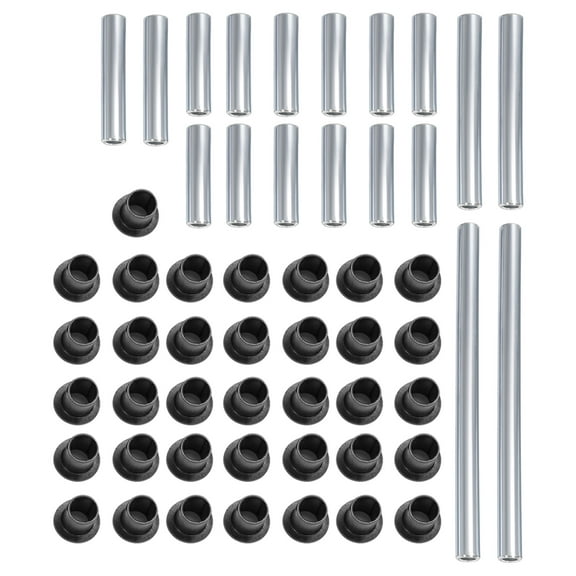
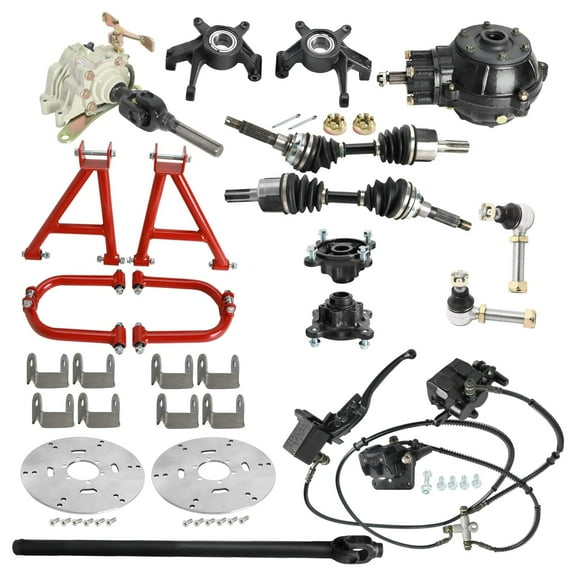
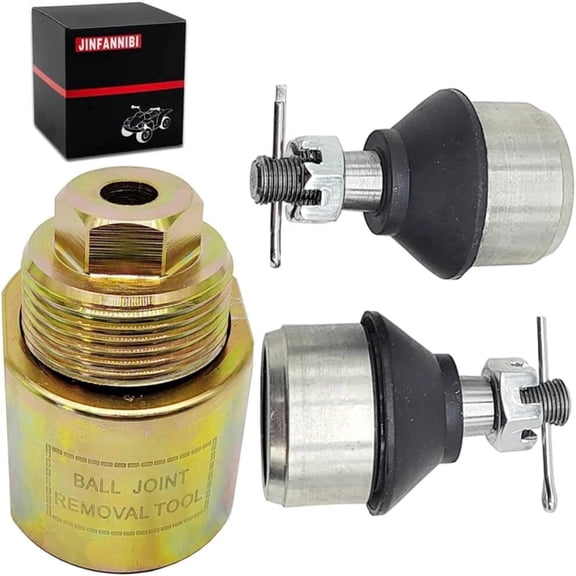
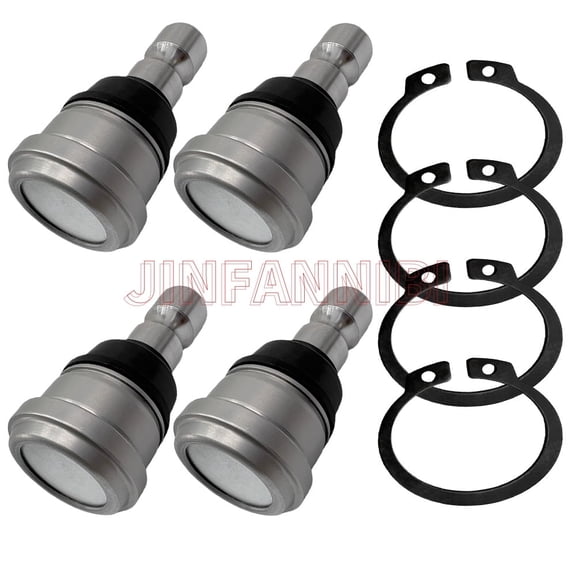
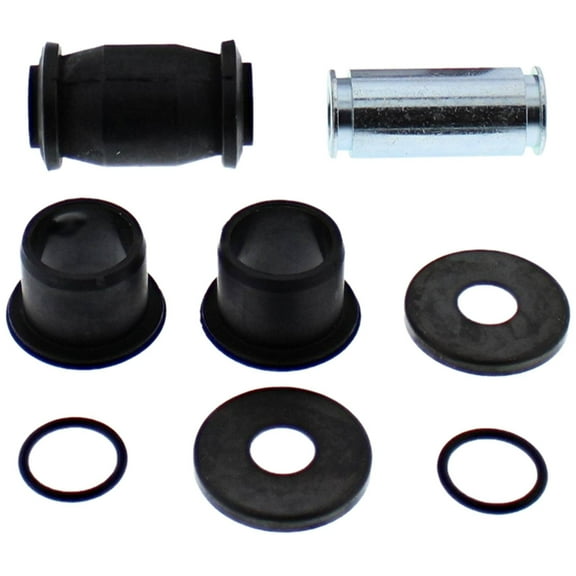
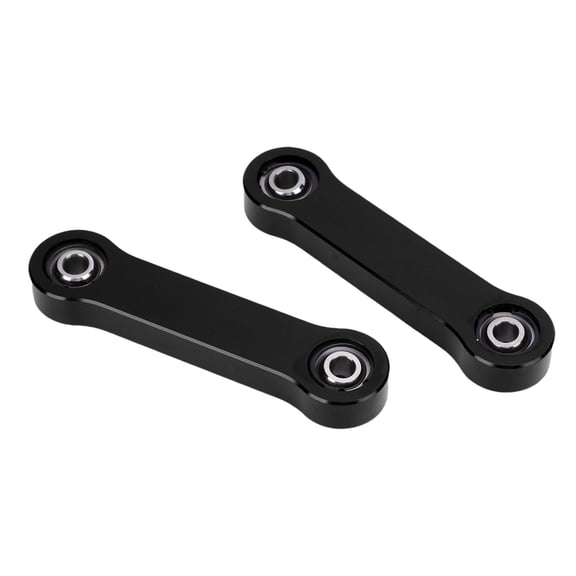
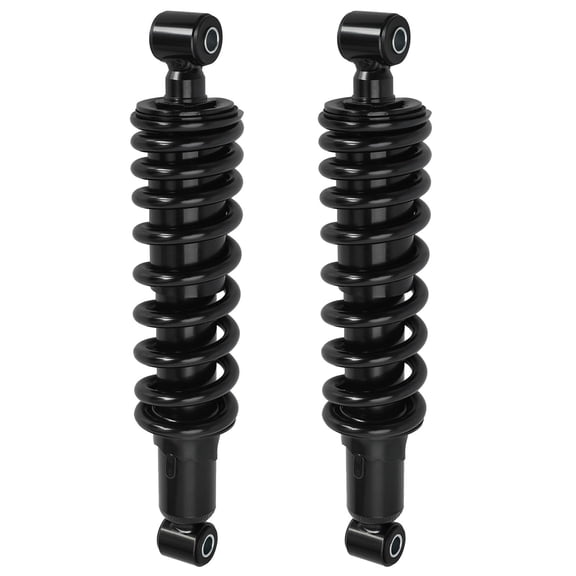
You can build around shocks, A-arms, lift kits, sway bars, and bushings, depending on what you want to change. You should compare each part by the handling result it gives your machine.
- You can use UTV shocks when you want more control over bumps, ruts, and repeated impacts.
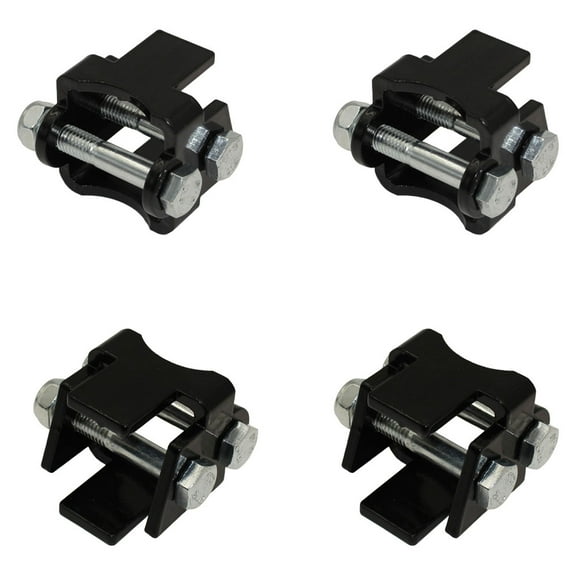
- You may choose A-arms when you want geometry changes, wheel travel support, or added strength.
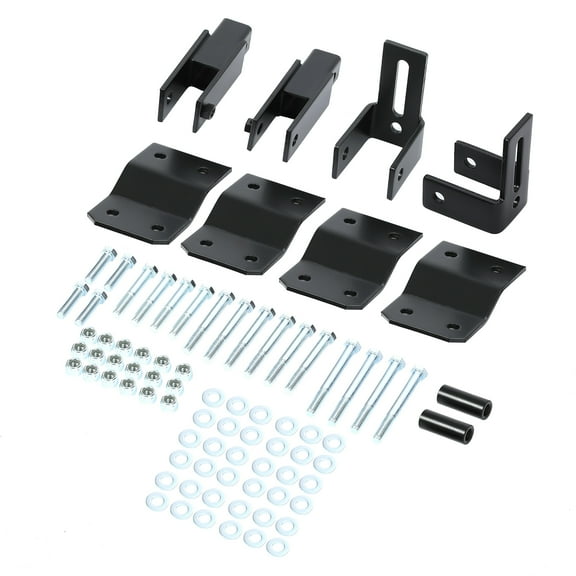
- You can add UTV lift kits when you want more ground clearance for rocks, roots, and trail obstacles.
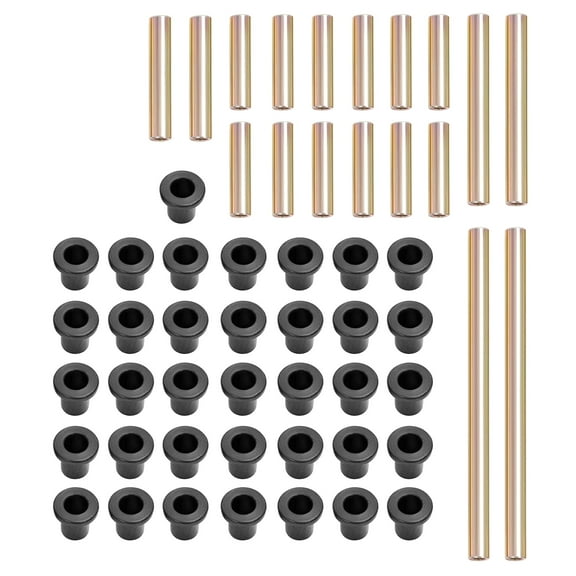
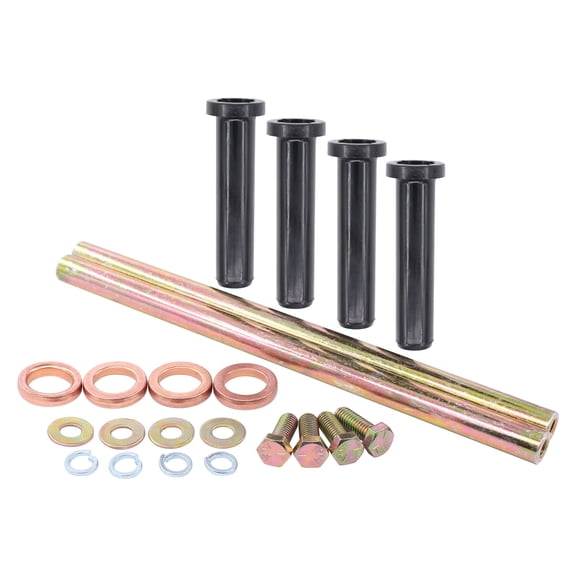
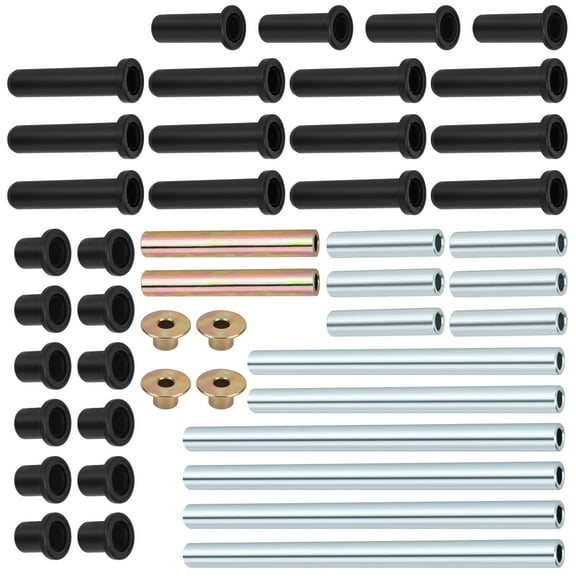
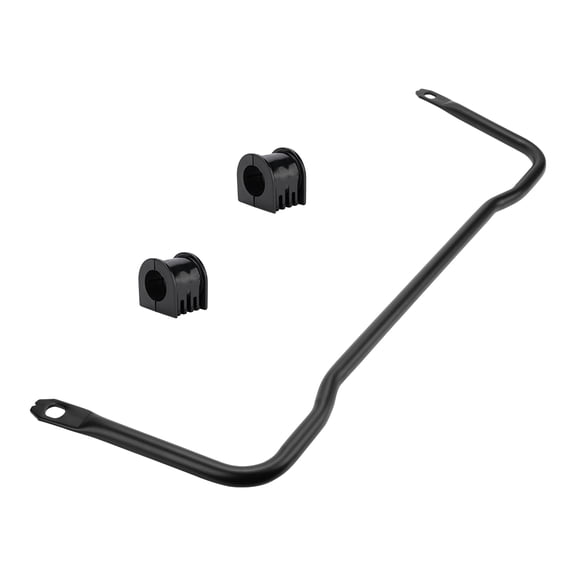
- You may replace sway bars and bushings when you want tighter cornering feel and more consistent response.
Your suspension upgrades can also support tire clearance and stance changes. You should match those changes to your usual terrain, rather than choosing parts by appearance alone.
You may notice that a full setup feels different from a single-part replacement. You can often create a more balanced ride when your components work together.
What to look for in UTV shocks and adjustability
You should compare preload, compression, and rebound adjustment before you decide on adjustable UTV shocks. You can use each setting to fine-tune how your machine reacts on uneven ground.
Your preload setting affects ride height and initial firmness under load. You can use compression adjustment to manage how firmly the suspension moves when you hit bumps.
Your rebound setting controls how quickly the suspension returns after compression. You should look for this feature if you want steadier handling through repeated whoops or washboard sections.
You may want simpler shock options if you prefer straightforward setup. You can choose more adjustable designs when you like testing settings for cargo, passengers, or changing trail conditions.
Comparing materials, construction, and strength
You should review billet aluminum and chromoly steel when you compare heavy duty UTV suspension parts. You can use material differences to judge weight, rigidity, and long-term durability.
Your billet aluminum components may appeal when you want precise machining and a lighter feel. You may prefer chromoly steel when you want strong support for demanding off-road use.
You should also check construction details across control arms, mounts, and hardware. You can compare reinforced designs when your routes include deep ruts, rocky ledges, or repeated hard hits.
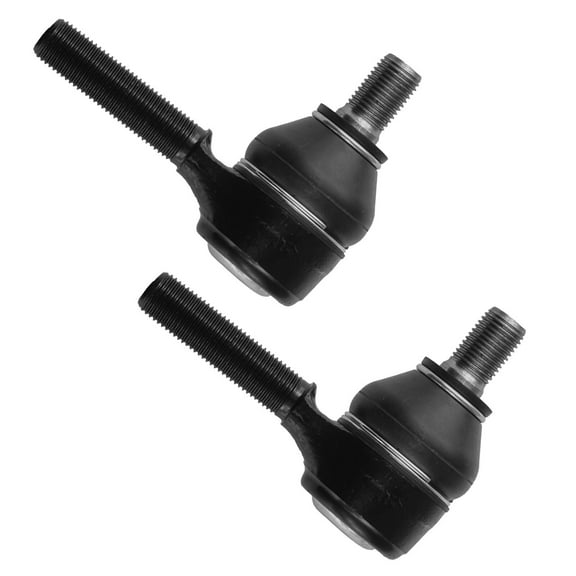
Your bushing and joint design matters during daily riding. You may notice more consistent steering feel when those wear points fit properly and move smoothly.
Choosing lift height and ride goals
You should compare standard height, 2-inch lift, 3-inch lift, and 5-inch lift options before choosing a UTV suspension lift kit. You can balance extra clearance with the handling feel you want.
Your smaller lift may work well when you want obstacle clearance without a major change in center of gravity. You may choose a taller setup when your terrain demands more clearance and larger tires.
You should think about how you actually ride before adding height. You can gain trail capability, but you should also consider steering feel, stance, and installation needs.
Your side by side suspension setup should match your terrain, not just your wheel size. You may prefer a moderate lift for mixed trails and a taller lift for dedicated mud or rock routes.
Matching use cases to fitment and installation
You can choose bolt-on parts when you want a simpler garage install with common tools. You should expect some setups to require more time, alignment checks, or professional help.
Your weekend trail machine may need comfort-focused shocks and bushings for long rides over uneven ground. You can focus on controlled damping and usable clearance for all-day trail conditions.
You may build a sport-focused setup with adjustable shocks and sway bar upgrades for faster terrain. You can use those parts when you want steadier cornering and more confidence at speed.
Your rock or mud setup may call for stronger arms and a lift kit matched to tire size. You should confirm fitment details carefully when you combine height changes with model-specific hardware.
You can also shop by machine family when you want a faster path to compatible parts. Your search may start with Polaris RZR parts, Can-Am Maverick parts, Yamaha YXZ setups, or Honda Talon components.
Your final choice should support your machine, your terrain, and your install plan. You can narrow UTV suspension options faster when you compare fitment, adjustment, lift height, and component type together.