


Find auto parts that fit
Let’s search for parts that fit your vehicle.
UTV Steering Parts and Suspension Accessories
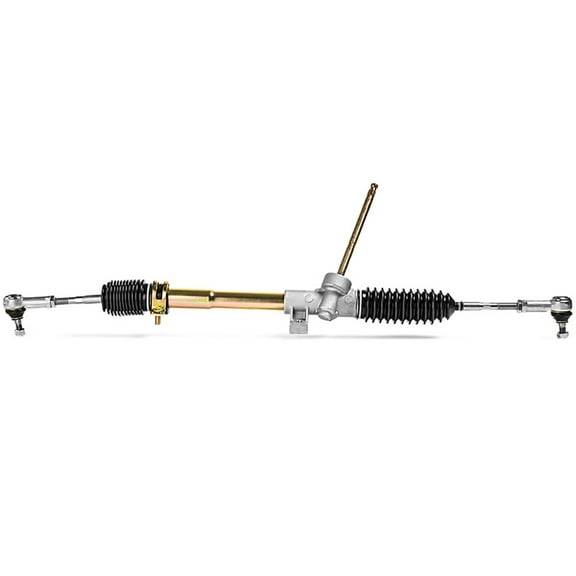

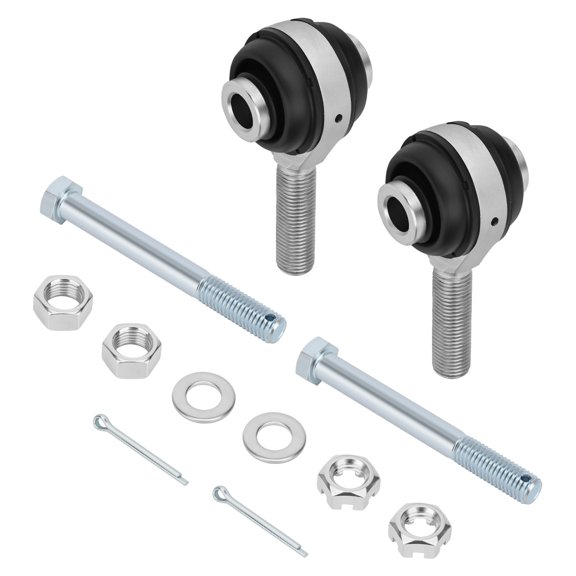

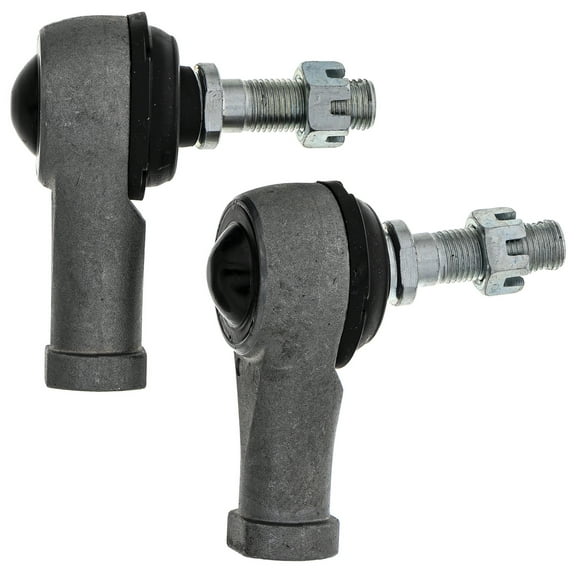
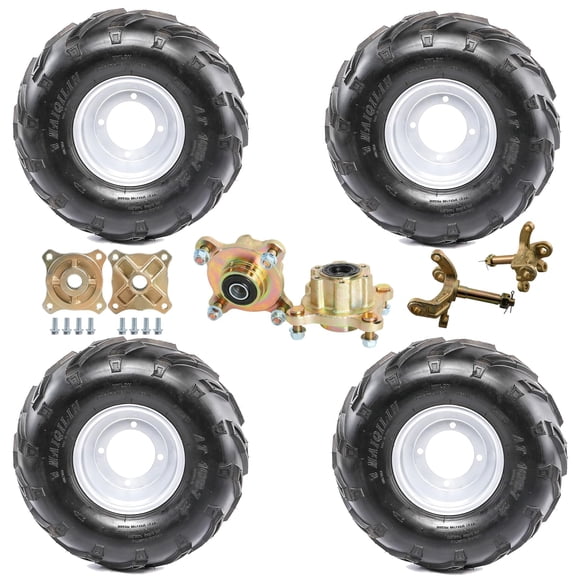
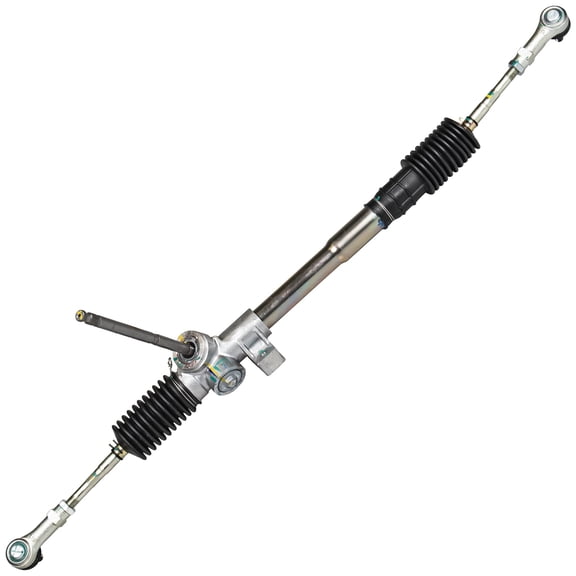






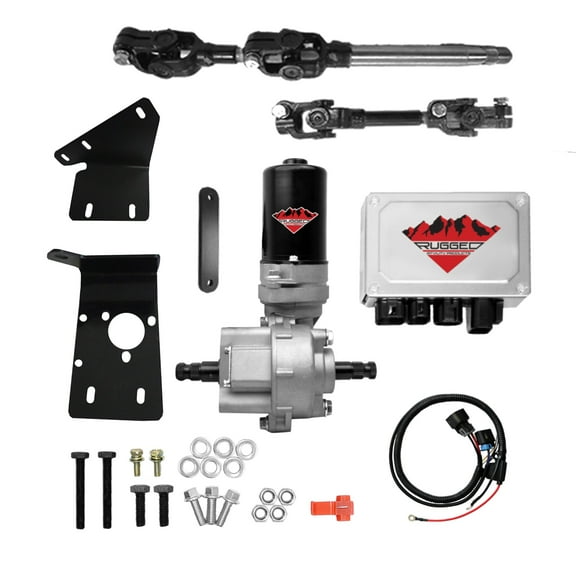
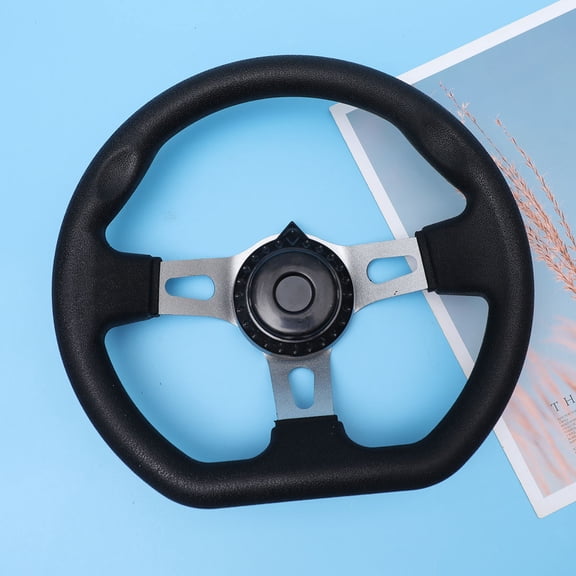
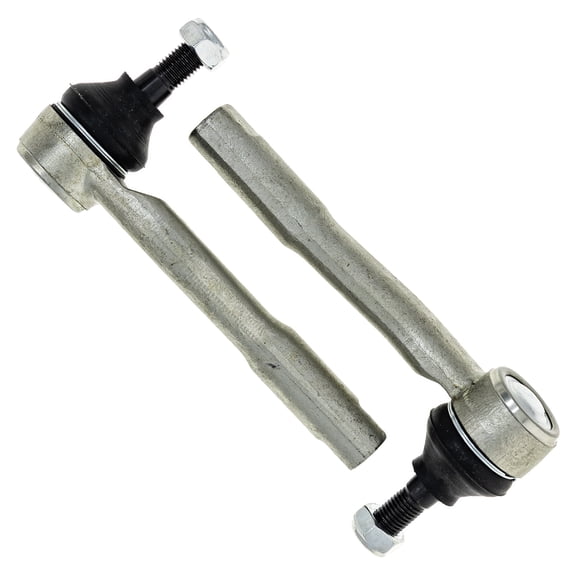
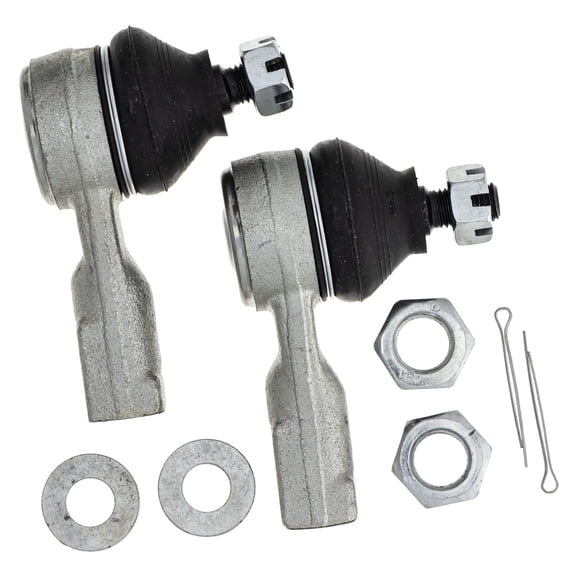

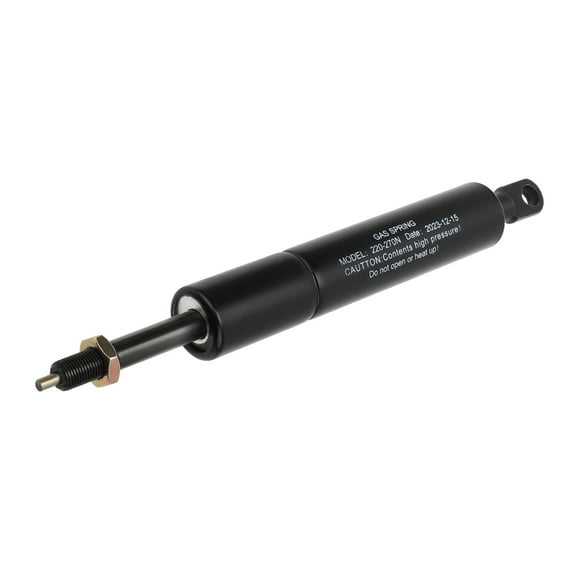

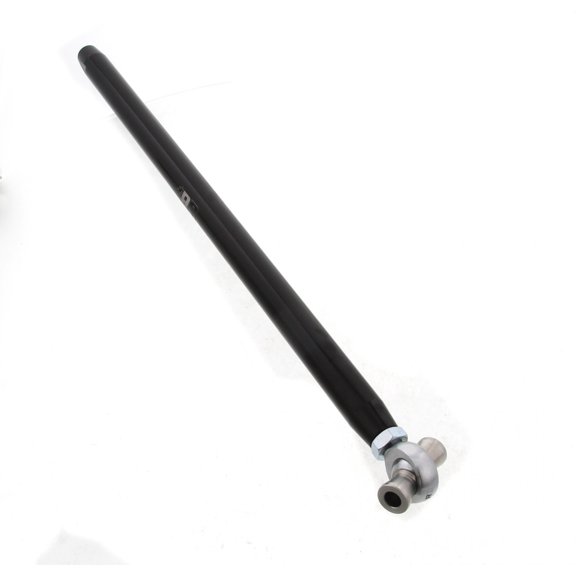


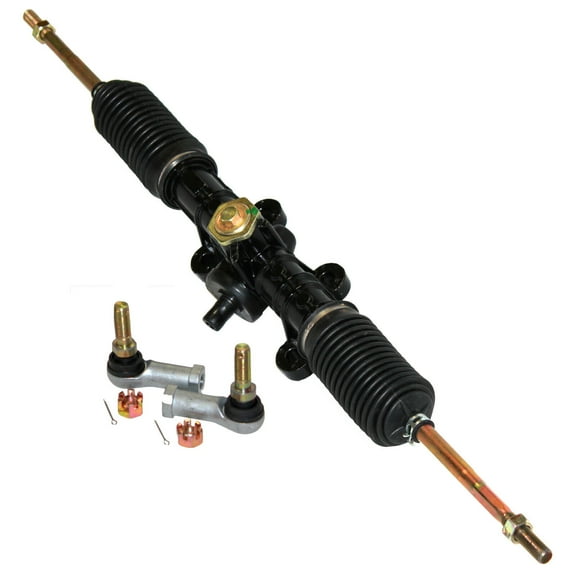

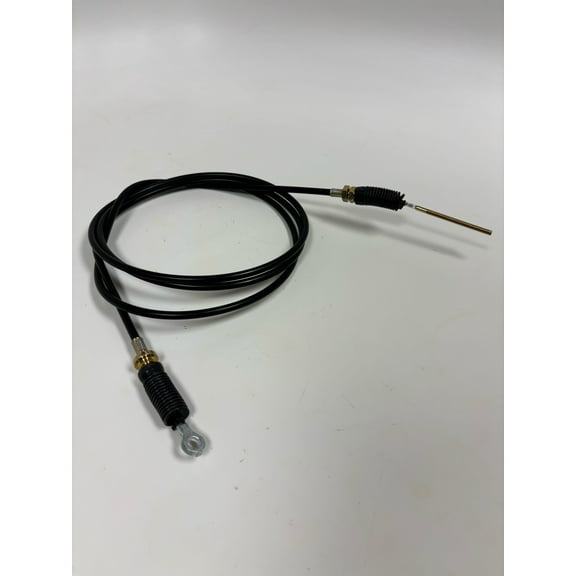
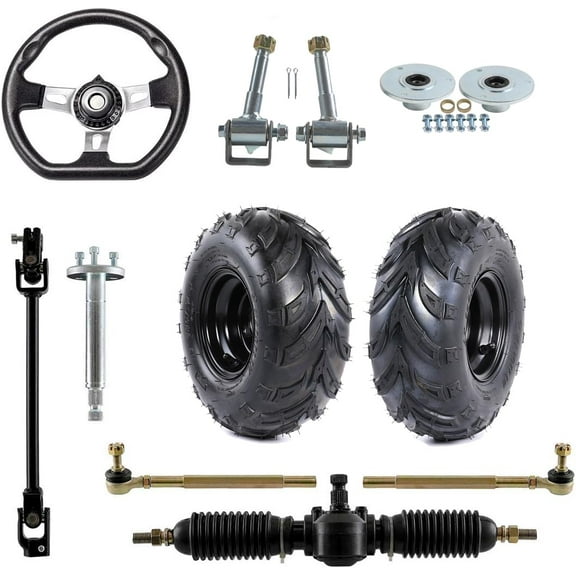
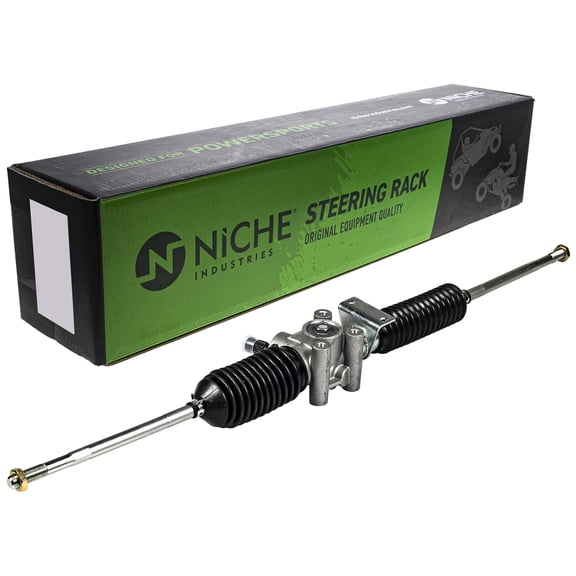
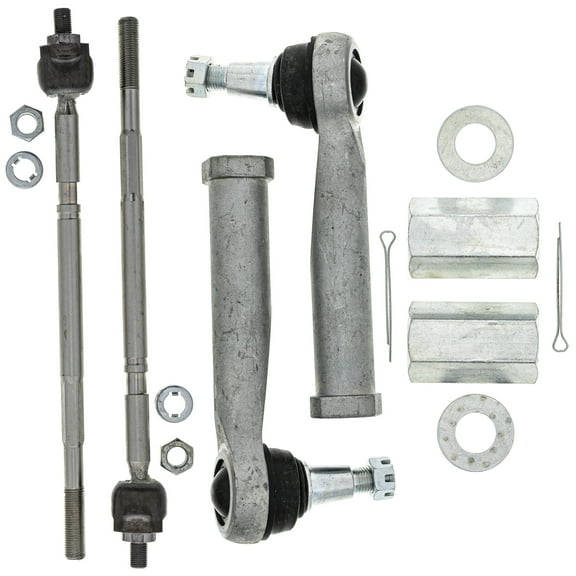


About UTV Steering Parts and Suspension Accessories - Walmart.com
UTV suspension and steering parts help you restore control, tracking, and ride feel on rough terrain. You can compare fitment, component type, material, and position before you choose replacement parts for your machine.
If you ride through ruts, rocks, and washboard trails, you need parts built for off-road punishment. You can use this guide to narrow options for your make, model, year, and riding style.
How to choose utv suspension and steering parts
You should start with vehicle compatibility, because precise fitment matters on every trail ride. You need to match your UTV make, model, and year before you compare any other detail.
When you check fitment, you should also review OEM part cross-reference details, thread pitch, and taper size. You’ll avoid guesswork when your replacement part matches the mounting points and connection style.
You may shop for Polaris RZR, Can-Am Maverick, Yamaha YXZ, or Honda Talon applications. You can narrow choices faster when you know your platform and the exact trim you ride.
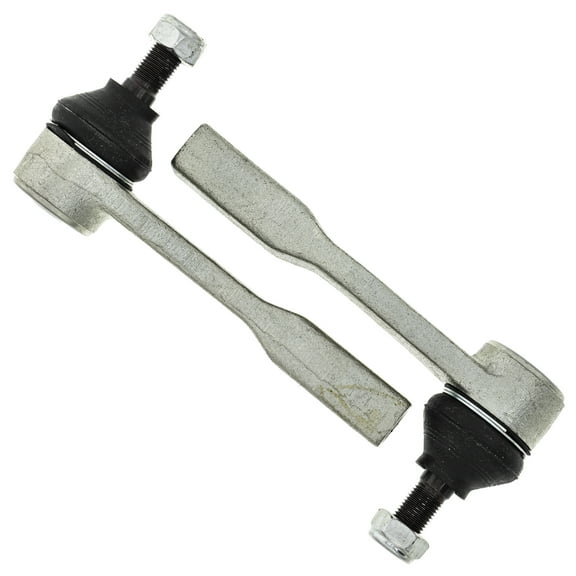
- You can choose tie rods when you need steering linkage that keeps your wheels pointed accurately.
- You can choose ball joints when you need smooth pivot points at key suspension connections.
- You can choose control arms when you want to refresh wheel travel and mounting geometry.
- You can choose shock absorbers when you want steadier response across bumps and uneven ground.
Choosing the right component type and position
You should compare the component type first, because each part affects handling in a different way. You’ll notice that tie rods, ball joints, control arms, and shock absorbers solve different ride issues.
If your front end feels loose in turns, you may look at front steering and suspension components first. If your rear setup feels unsettled, you can compare rear parts designed for that position.
You should also check whether you need an upper or lower component before you order. You’ll get a cleaner fit when the position matches the original mounting location exactly.
When you compare left and right side replacements, you should think about balance across the axle. You may replace both sides together when you want more even steering geometry and ride response.
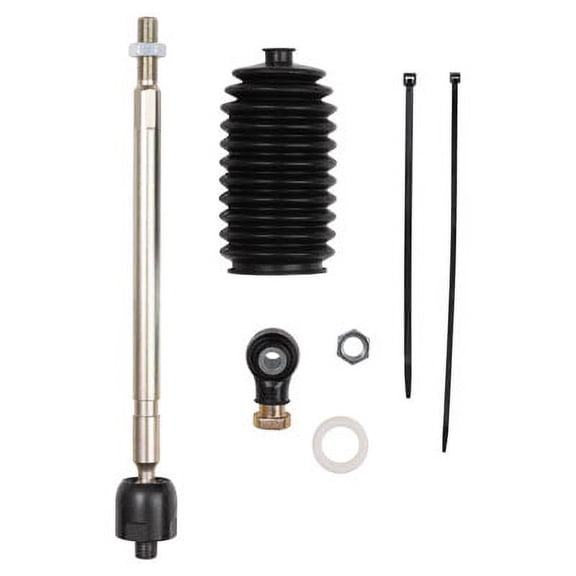
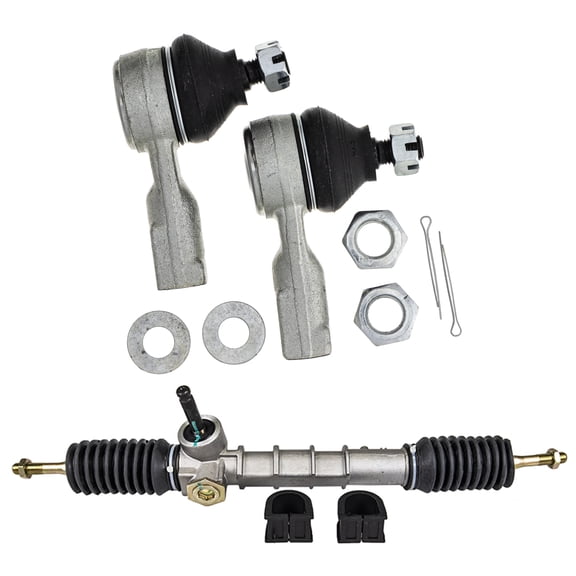
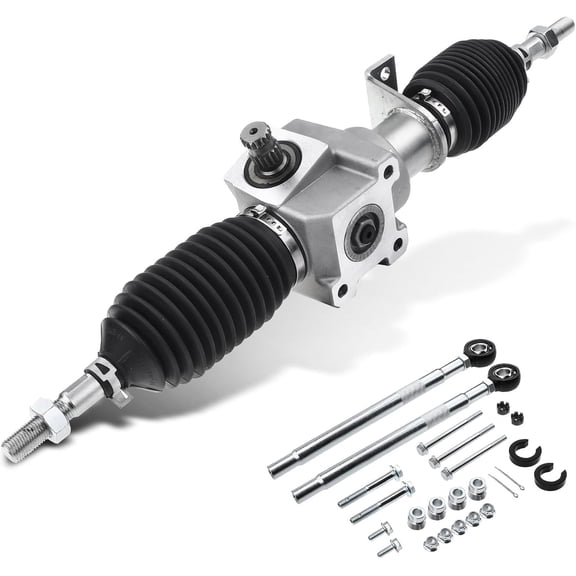
You can also check whether a kit includes boots, cotter pins, spacers, or other installation hardware. You’ll spend less time sourcing extras when your package includes the small parts you need.
Comparing materials for off-road durability
You should compare material choices based on how and where you ride most often. You’ll usually see heavy-duty steel, billet aluminum, and chromoly across this category.
Heavy-duty steel can suit riders who want a sturdy feel for repeated trail use. You may prefer it when you expect frequent impacts from rocks, ruts, and uneven terrain.
Billet aluminum can appeal to you when you want a precise machined part with a clean finish. You should check the intended use, because material choice works best when it matches your riding conditions.
Chromoly can interest you when you need a strong material for aggressive off-road riding. You’ll want to compare wall thickness, joint design, and hardware details for a complete durability picture.
You should also look at boots, protective finishes, and sealed connection points when you compare construction. You can often spot a trail-ready part by the details around exposed joints and mounting areas.
Using fitment details for real riding scenarios
If you ride a Polaris RZR on rocky trails, you may prioritize tie rods or ball joints with exact fitment details. You’ll want thread pitch and taper size to match so installation feels straightforward.
If you drive a Can-Am Maverick in deep ruts and whoops, you may compare control arms and shock absorbers. You can focus on heavy-duty construction when your terrain puts repeated stress on suspension travel.
When you run a Yamaha YXZ for spirited rides, you may look for front upper or lower components first. You’ll keep your search focused when you match the position before reviewing materials and hardware.
If you use a Honda Talon for mixed trail days, you may need a single damaged part or a matched pair. You can decide based on wear patterns, alignment needs, and how balanced you want the handling to feel.
You should also measure carefully when your UTV has lifts, wheel changes, or other modifications. You’ll make a smarter choice when your replacement part works with your current setup.
Before you choose, you should confirm whether the listing covers stock dimensions or modified applications. You can avoid returns when you compare fitment notes, included hardware, and installation points closely.
What to look for before you install
You should review included hardware, because missing small parts can slow your project. You’ll appreciate kits that clearly list boots, cotter pins, washers, or mounting pieces.
You should also compare installation needs with your garage setup and experience level. You can plan your repair more confidently when you know the position, fitment details, and parts included.
UTV suspension and steering choices make more sense when you compare compatibility, component type, material, and position together. You’ll end up with parts that fit your machine and support steadier off-road handling.