


Find auto parts that fit
Let’s search for parts that fit your vehicle.UTV Sprockets in UTV Drivetrain





















About UTV Sprockets in UTV Drivetrain - Walmart.com
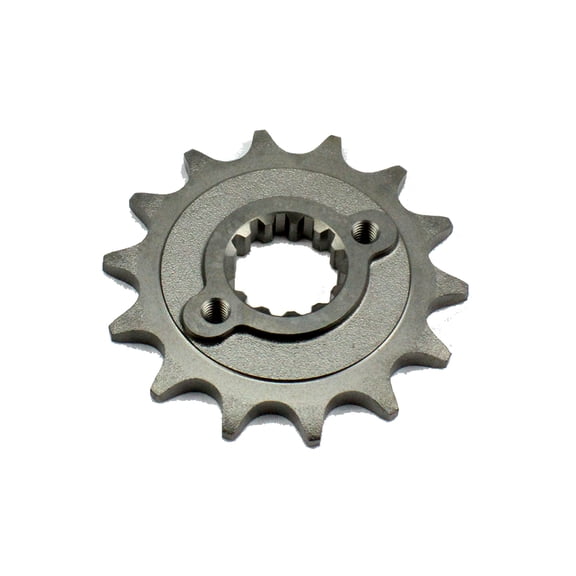
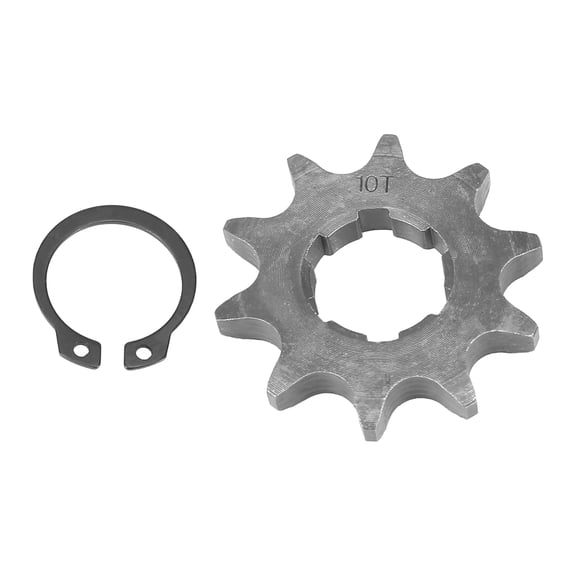
UTV sprockets help you tune your side-by-side drivetrain for fit, gearing, and trail use. You can compare tooth count, pitch, and material to match your machine and riding style.
How to choose utv sprockets
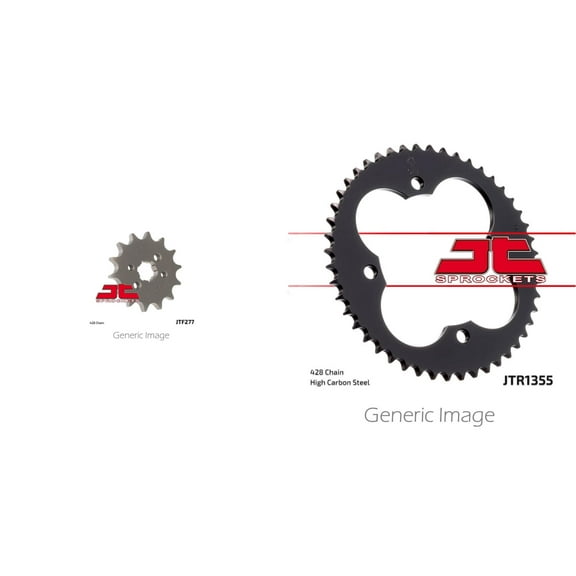
Your first decision is fitment, because your sprocket must match your make, model, year, and spline count. You should also check whether you need a front sprocket or a rear sprocket.
When you compare fitment, you may look for options built for Polaris RZR, Can-Am Maverick, Yamaha YXZ, or Honda Talon models. You can avoid guesswork when you confirm the exact vehicle application before installation.
Your chain pitch matters just as much as fitment. You need a sprocket that matches your chain size, such as 520 pitch or 530 pitch.
Key differences in tooth count and gearing
Your tooth count changes how your UTV responds on starts, climbs, and open stretches. You can use this choice to balance low-end pull with higher cruising speed.
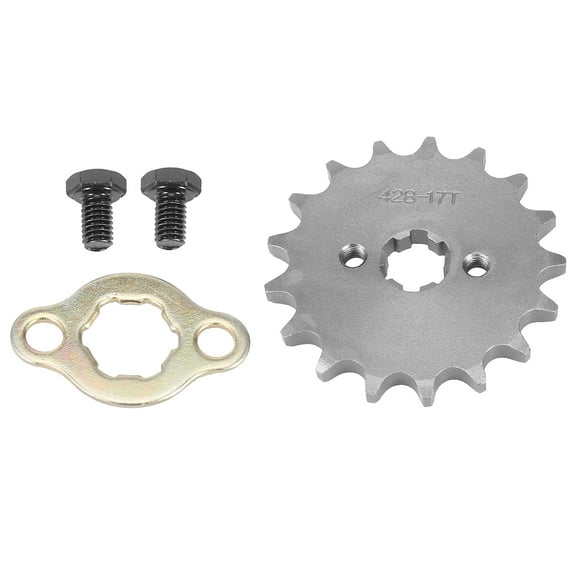
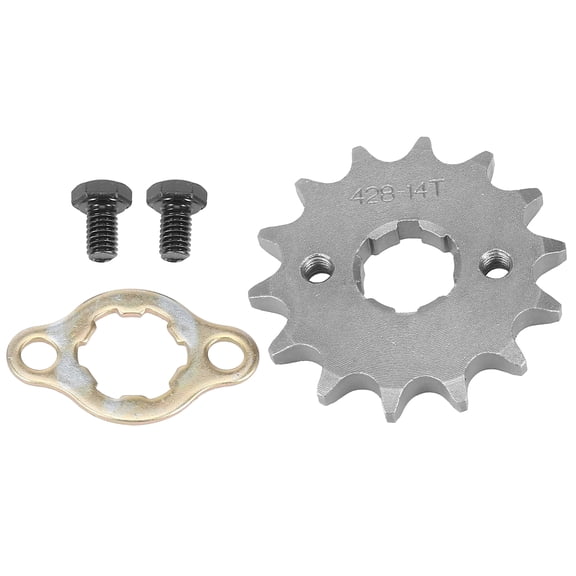
If you choose fewer front teeth, such as 12T or 13T, you’ll usually get stronger low-speed response. If you choose more front teeth, such as 14T, you may prefer the gearing for faster runs.
When you choose a larger rear sprocket, such as 45T or 48T, you’ll typically shift power toward low-end torque. When you choose a smaller rear count, you may notice longer gearing for open terrain.
- You can use lower gearing for trail riding, hauling, and technical sections.
- You can use taller gearing for wider paths and longer straightaways.
- You should compare front and rear changes together for a balanced setup.
- You can keep performance predictable when your chain pitch and tooth count work together.
What to look for in materials and construction
Your material choice affects weight, wear, and how your drivetrain feels over time. You can compare steel, hardened steel, and aluminum based on how you ride.
If you want long-lasting trail utility, you may look for steel or hardened steel construction. If you want a lighter setup, you may consider aluminum for racing-focused use.
Your riding conditions should guide this decision. You may prefer hardened steel when you expect repeated mud, dust, and heavy throttle use.
You should also check the tooth profile and machining details. You’ll want smooth chain engagement and a shape that matches your chain size correctly.
Choosing chain pitch and fitment details
Your sprocket pitch must match your chain pitch exactly. You can’t mix 520 pitch parts with 530 pitch parts and expect proper drivetrain alignment.
When you review specs, you should compare pitch, bolt pattern, center bore, and spline count. You’ll make a cleaner choice when those details match your current setup.
Your vehicle fitment can vary across trims and years, even within the same model line. You should measure carefully and verify the listing details before you choose replacement parts.
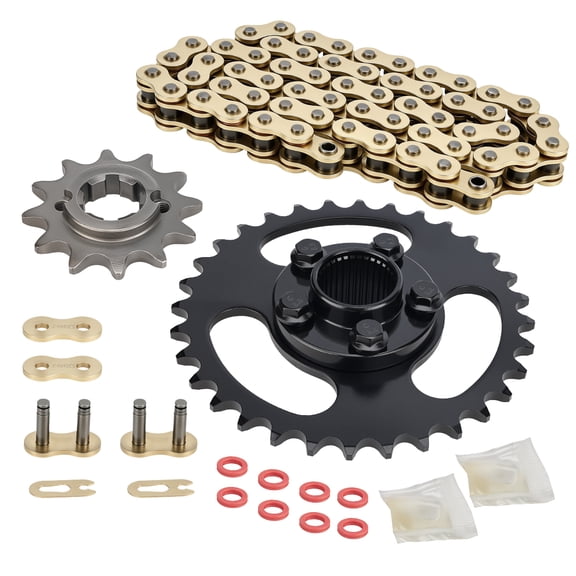
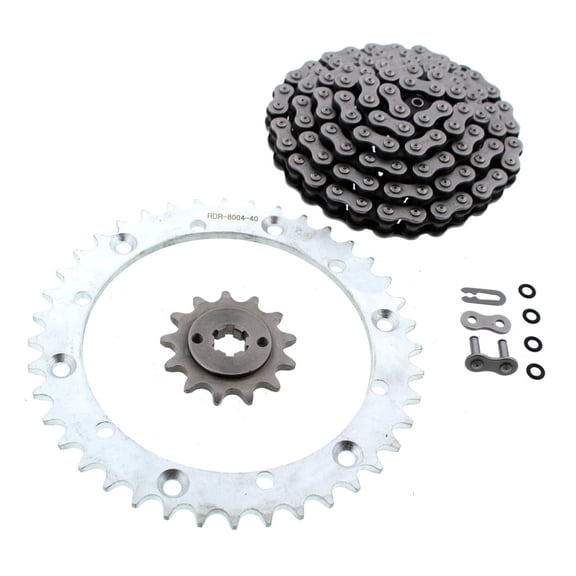
If you’re replacing worn drivetrain parts, you may want matching front and rear components for a consistent setup. You can also compare sprocket kits when you want a coordinated gearing update.
Matching utv sprockets to real riding use
Your riding style often points you toward the right sprocket combination. You can use front, rear, and material choices to match utility work, trail riding, or racing use.
If you ride tight trails or climb often, you may prefer a smaller front sprocket or larger rear sprocket. You’ll usually notice easier low-speed control in technical terrain.
If you ride open desert or wider routes, you may consider a 14T front setup. You may prefer that gearing when your routes include longer straight sections.
When you use your side-by-side for utility tasks, you may lean toward steel or hardened steel options. You’ll often want that durability for repeated starts, loads, and rough surfaces.
If you focus on a lighter racing setup, you may compare aluminum choices carefully. You should balance reduced weight with the riding conditions you expect most often.
Your replacement process gets easier when you start with fitment, then compare pitch, then choose tooth count. You’ll end up with utv sprockets that suit your machine and the way you ride.
Your final choice should support clean chain engagement, correct gearing, and verified vehicle compatibility. You can ride with more confidence when your utv sprockets match your setup from the start.