


Find auto parts that fit
Let’s search for parts that fit your vehicle.UTV Oil in UTV Fluids
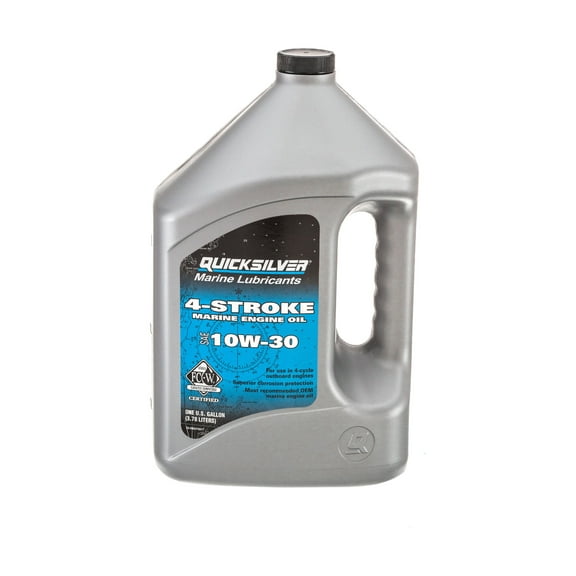
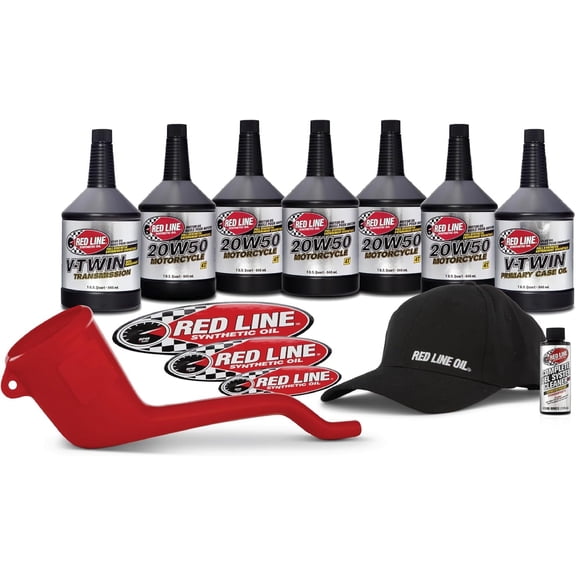


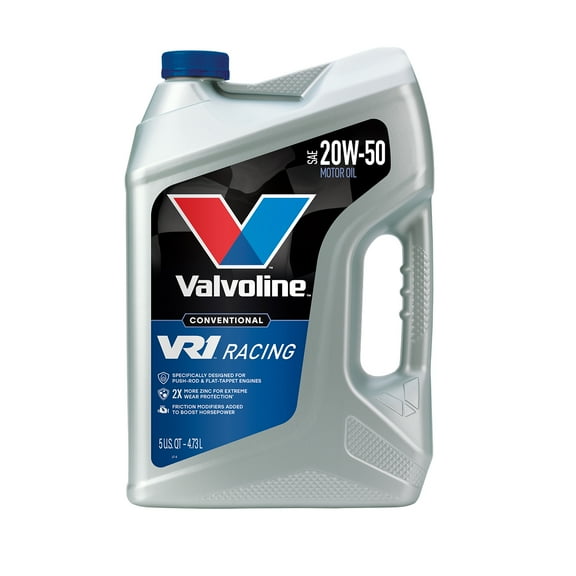
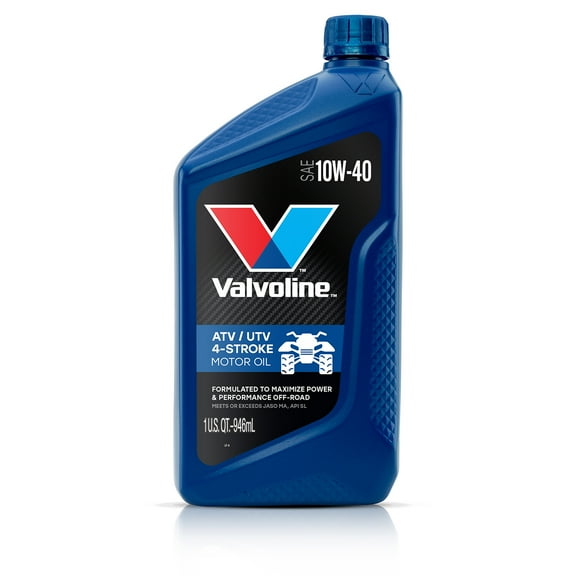
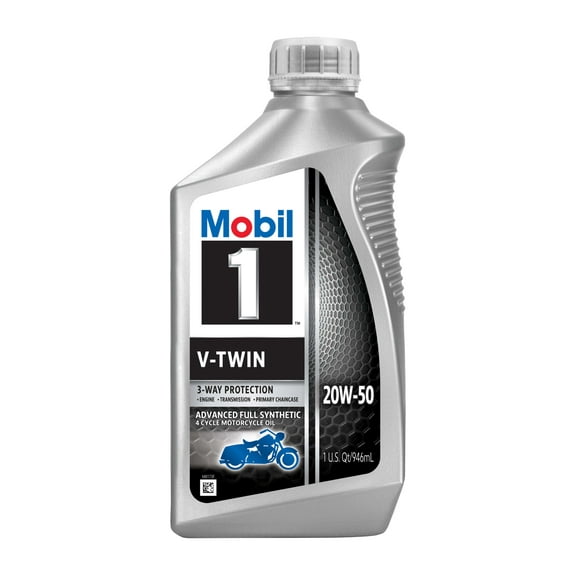
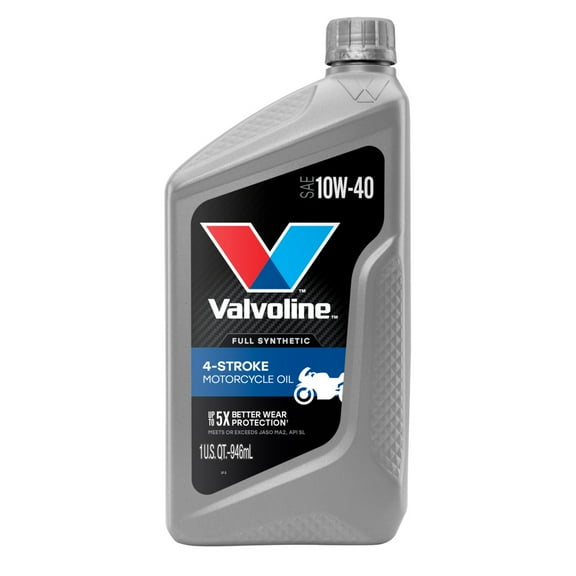
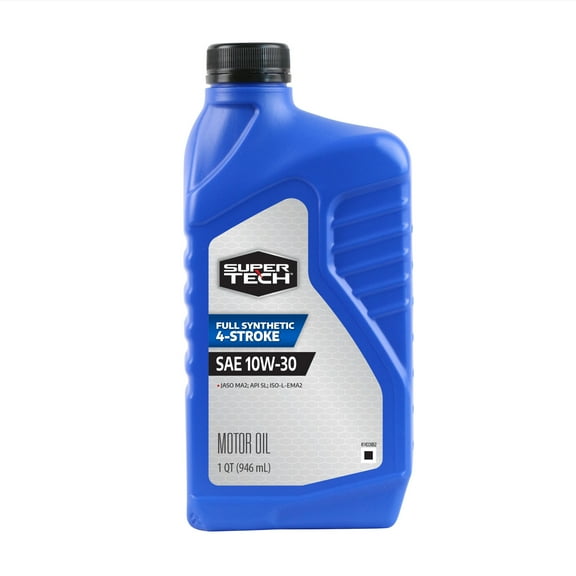




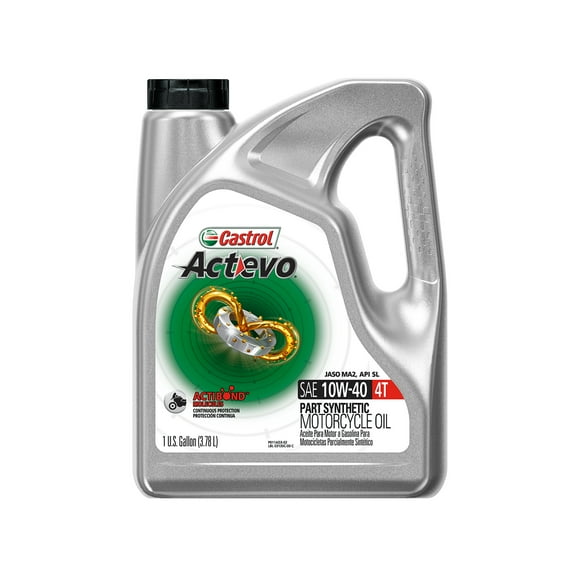

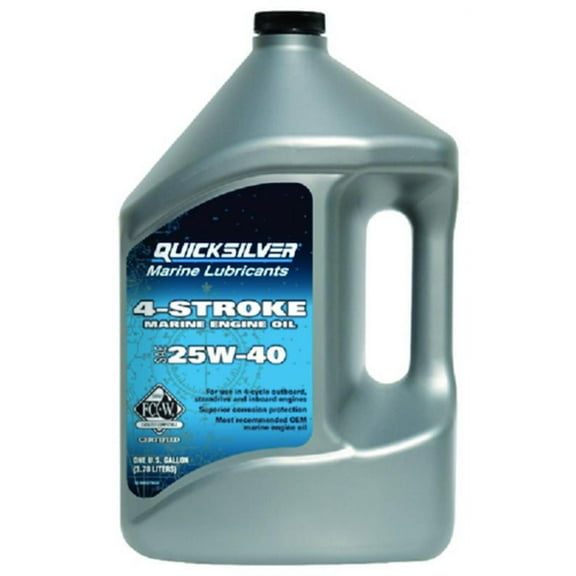
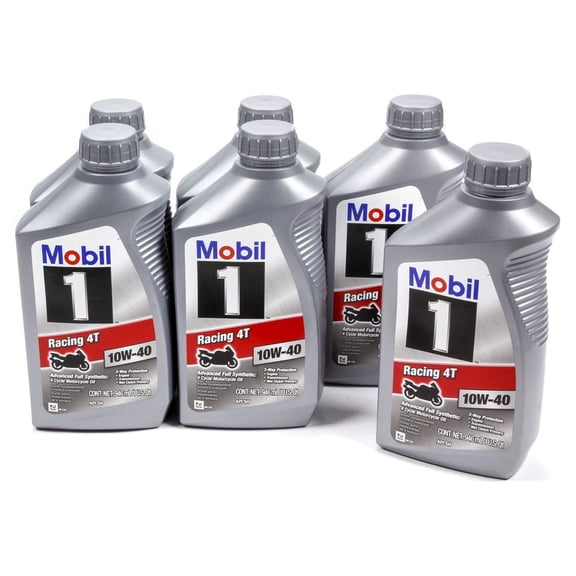







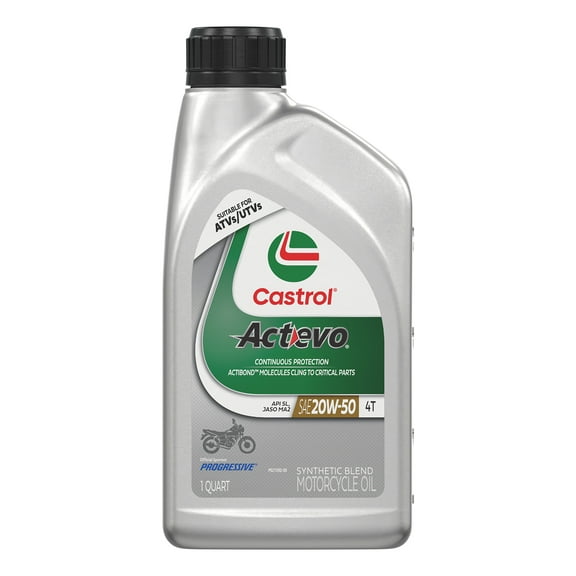
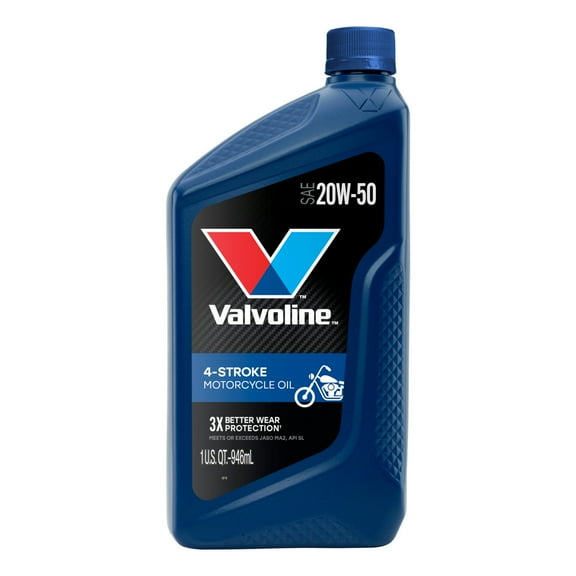


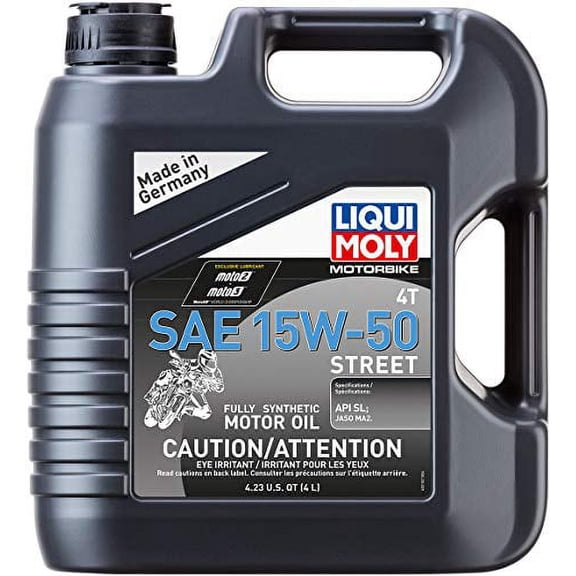

About UTV Oil in UTV Fluids - Walmart.com
UTV oil helps you protect your side-by-side engine during hard rides, muddy trails, and long workdays. You can compare viscosity, engine type, and kit formats here, so your maintenance plan stays on track.
How to choose utv oil for your machine
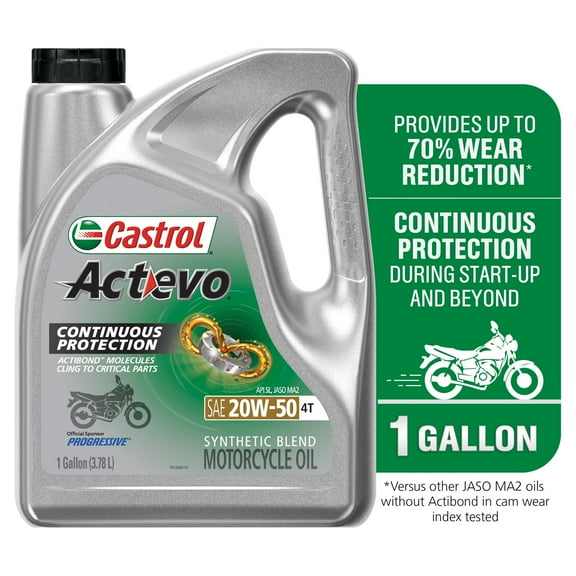
When you compare utv oil, you should start with your owner's manual and the required viscosity grade. You should also check whether your machine calls for wet clutch compatibility, such as JASO MA or MA2.
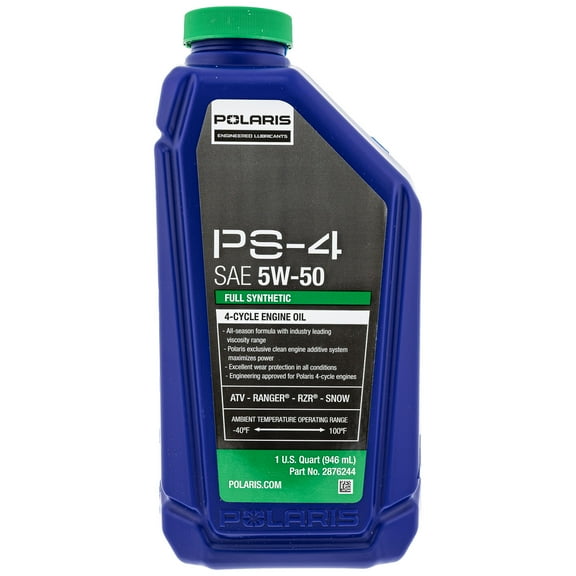
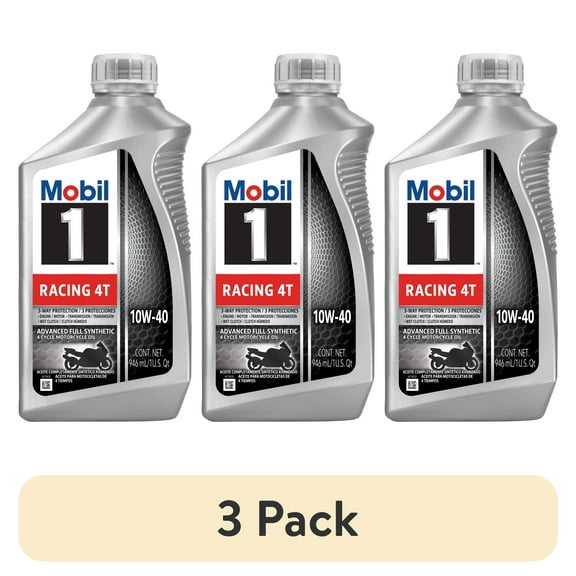
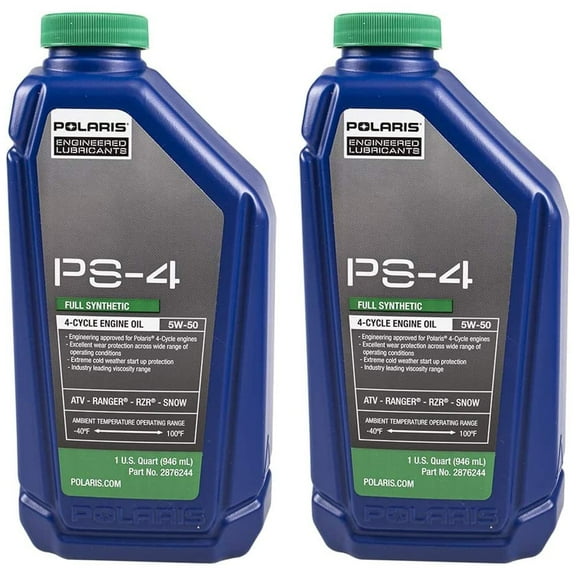
If you ride in wide temperature swings, you should match the oil grade to your climate and riding season. You may prefer 0W-40 for colder starts, while 10W-40, 10W-50, or 5W-50 can fit hotter conditions.
Your oil choice also depends on whether you want full synthetic, semi-synthetic, or mineral formulas. You may choose synthetic utv oil when you want strong film strength and steady performance during heavy use.
- You can match viscosity grades like 10W-40 or 5W-50 to your manual.
- You can check JASO MA or MA2 ratings for wet clutch compatibility.
- You can choose full synthetic, semi-synthetic, or mineral oil by ride conditions.
- You can pick individual quarts or a utv oil change kit for maintenance convenience.
Choosing the right utv engine oil viscosity
Your engine depends on the right thickness at startup and at operating temperature. You should compare 10W-40, 5W-50, 10W-50, and 0W-40 based on weather, load, and ride style.
If you tow, crawl, or ride in intense heat, you may look for grades that hold their viscosity under stress. You should confirm the exact spec in your manual before you choose any formula.
For many side-by-sides, 4 stroke utv oil is the relevant format because those engines use separate lubrication requirements. You should avoid guessing, because the correct grade supports smooth shifting and consistent engine response.
Your machine may also call for a specific OEM requirement from brands used in side-by-side platforms. You should compare label details carefully, especially when your manual lists exact viscosity and clutch standards.
Comparing oil type and engine type
When you review oil type, you should think about how and where you ride. You may choose full synthetic for repeated high heat, semi-synthetic for mixed use, or mineral for straightforward maintenance needs.
Your engine type matters just as much as the base oil. You should check whether your machine uses a 4-stroke or 2-stroke setup, because each engine uses a different lubrication approach.
Many shoppers looking for sxs oil need formulas built for hard acceleration, dusty routes, and stop-and-go trail conditions. You can narrow your options faster when you match the oil to the engine design first.
If you maintain several machines, you should compare package labels for compatibility notes and intended use. You can simplify repeat maintenance when you keep the same approved oil type across similar vehicles.
Deciding between quarts, jugs, and a utv oil change kit
Your package format affects how quickly you can finish routine maintenance. You may choose individual quarts for measured fill needs, 1 gallon jugs for frequent service, or a complete kit for convenience.
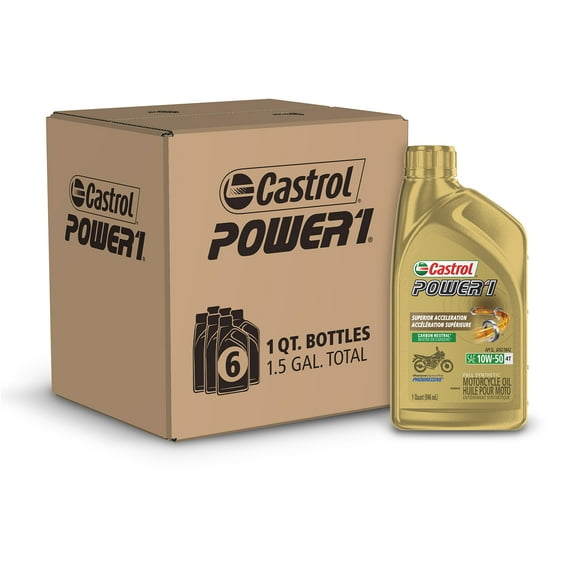
A utv oil change kit can help you gather the core items for one service interval in one purchase. You may find kits that include oil, a filter, O-rings, crush washers, or a funnel.
If you already keep filters and seals on hand, you might prefer buying oil alone. You can make fewer last-minute substitutions when you check the included parts against your machine first.
For seasonal service, you may like kits because they simplify planning before a ride weekend or work cycle. You can move from prep to refill faster when the key maintenance pieces arrive together.
Matching utv oil to real riding conditions
If you ride rocky trails at slow speeds, you should consider how heat builds during long, technical sessions. You may want a viscosity grade that matches hot conditions and repeated low-speed loads.
When you ride in cold mornings and variable weather, you should compare lower winter ratings for easier starts. You can keep your service routine more consistent when your oil matches your climate.
If your side-by-side handles chores, towing, or property work, you should look for oil that aligns with your manual's service demands. You can also choose a larger package when your maintenance schedule is frequent.
For riders planning a full service, you may prefer a complete kit over separate parts. You can cover oil, filter, and sealing components in one step, which makes the job more organized.
When you compare these options carefully, you can choose with more confidence and less guesswork. Your right match supports smooth operation, cleaner maintenance planning, and a service setup that fits your machine.