


Find bulbs that fit
Let’s search for bulbs that fit your vehicle.
UTV Mirrors in UTV Accessories





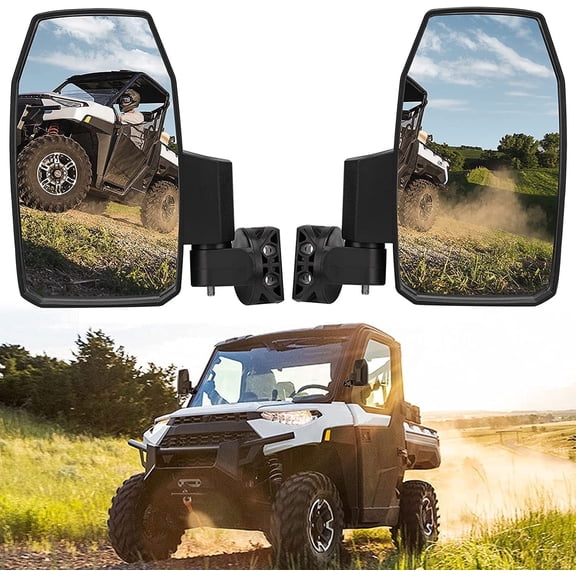
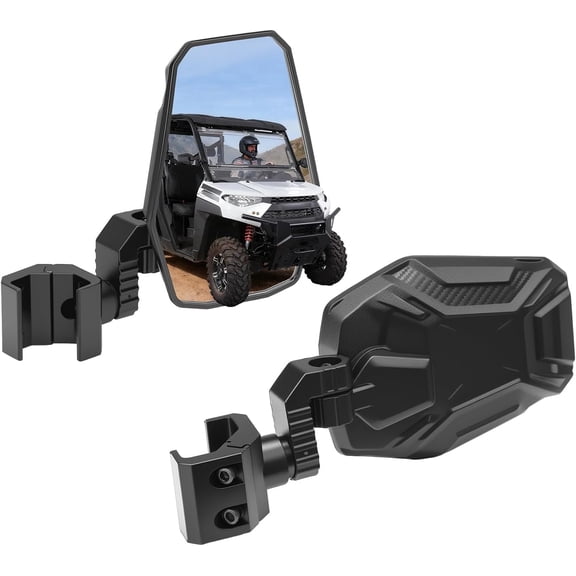
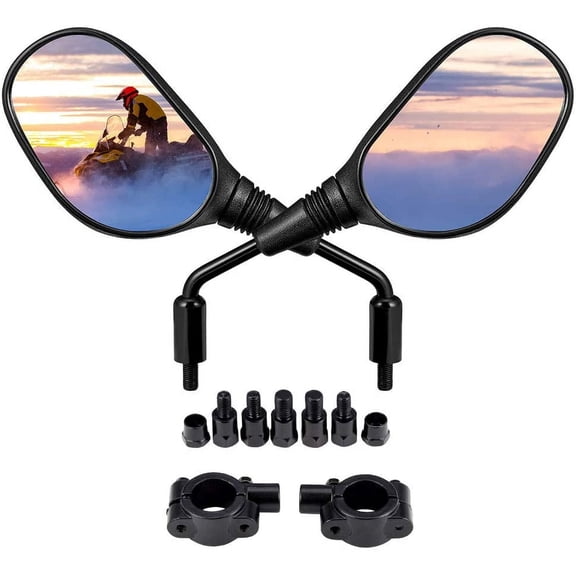
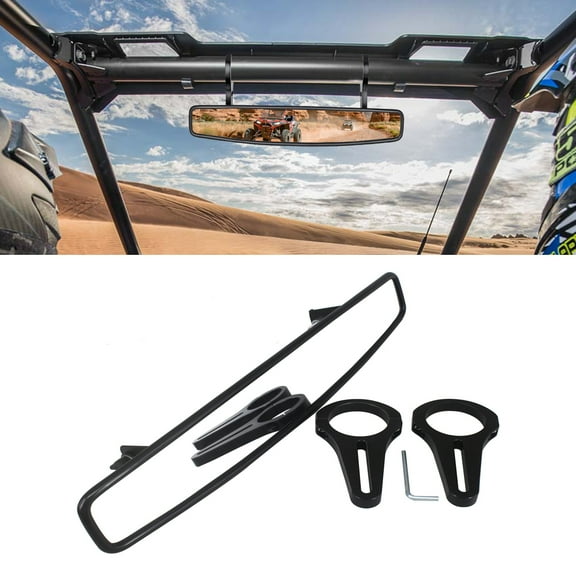





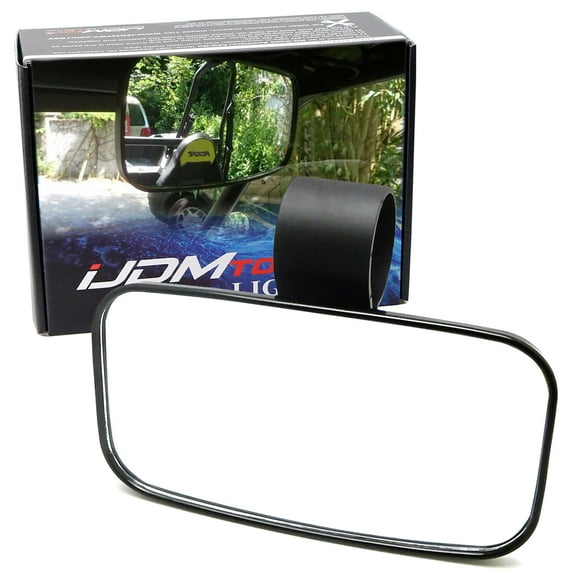
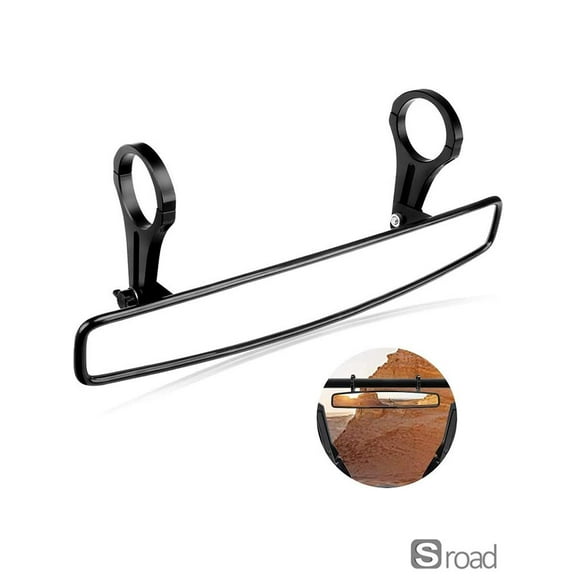



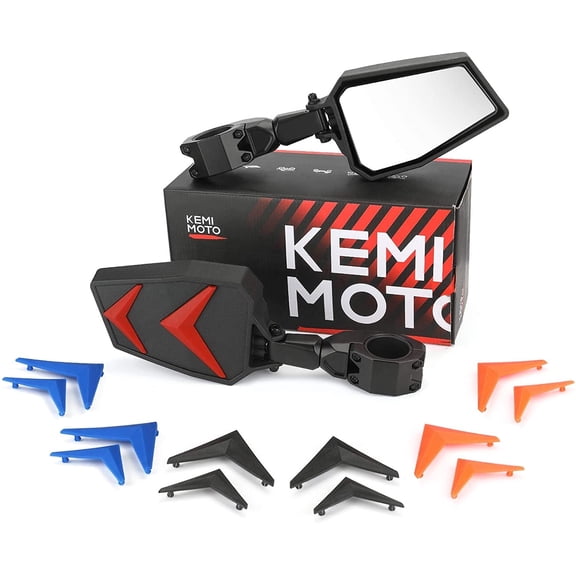
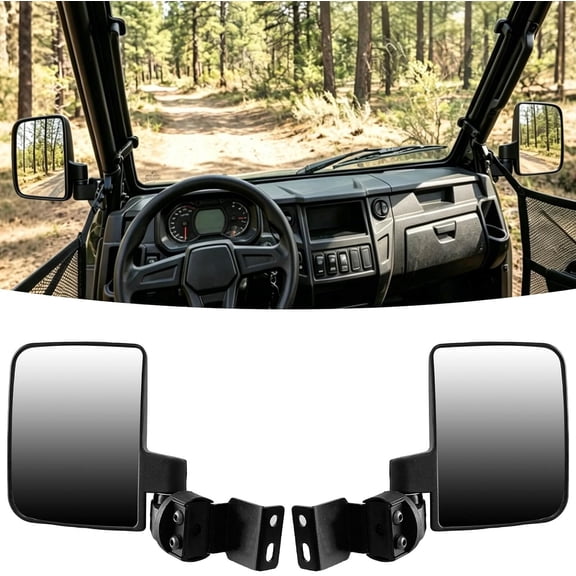



About UTV Mirrors in UTV Accessories - Walmart.com
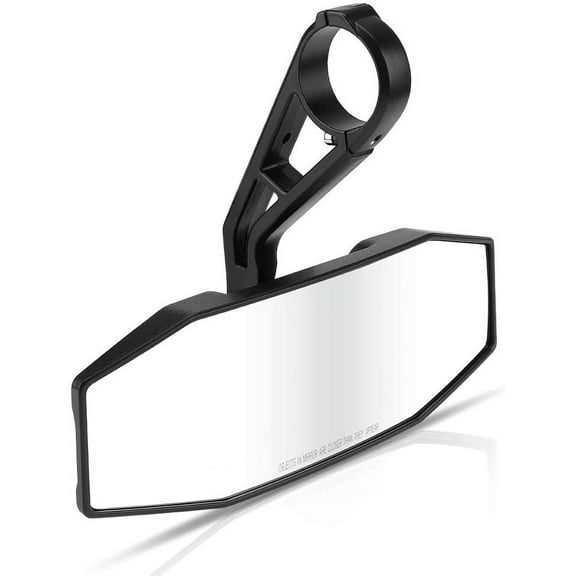
Your sxs rear view mirror setup can make trail riding easier to scan, especially when you compare clamp fit, glass shape, and adjustability first. You’ll want guidance that matches real side-by-side needs, including roll cage sizes, vibration control, and breakaway designs.
How to choose an sxs rear view mirror
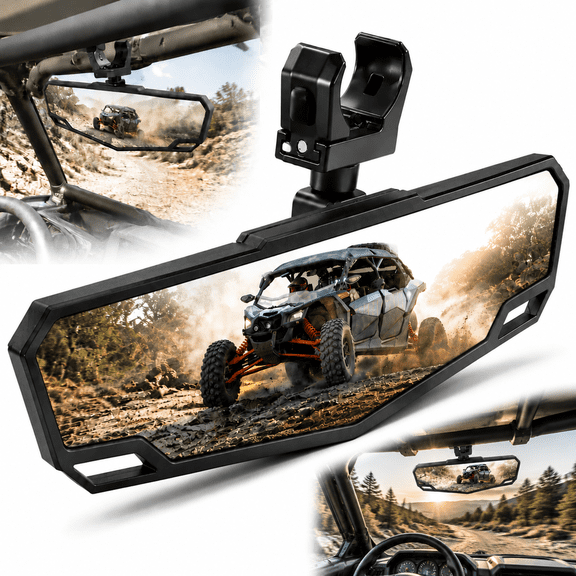
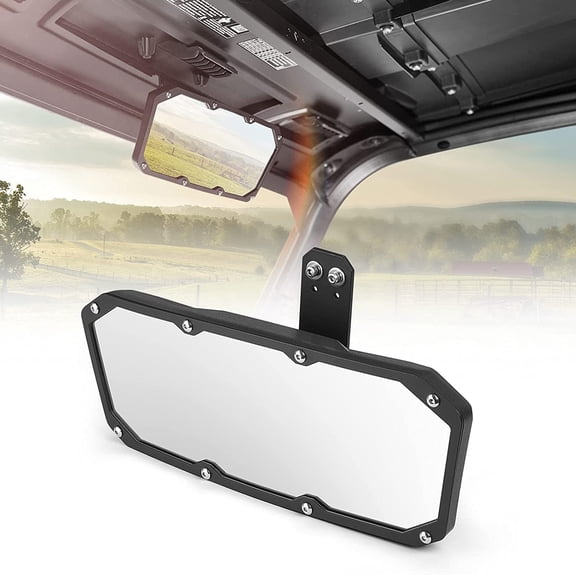
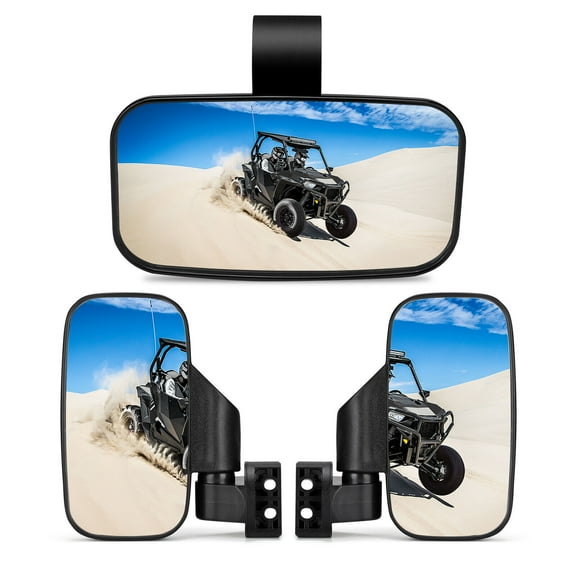
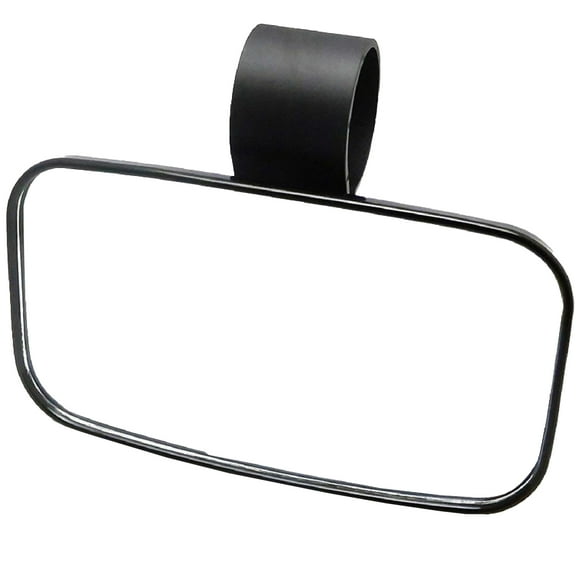
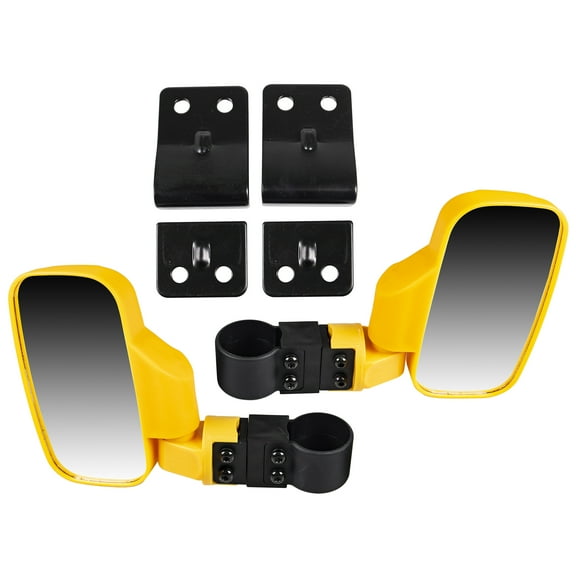
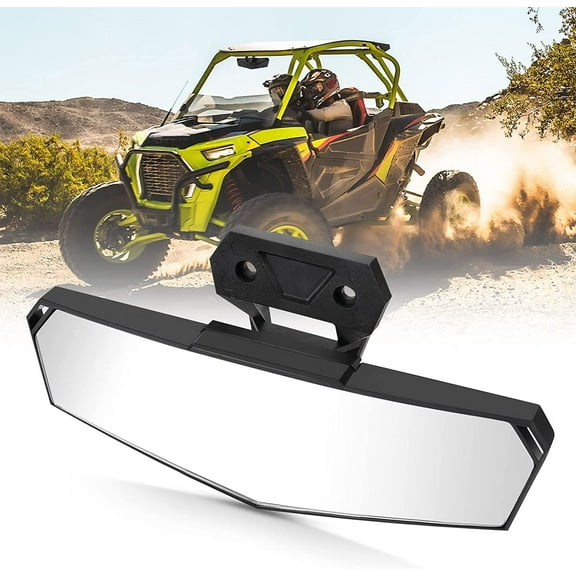
When you compare mirror type first, you’ll narrow your options faster and match your ride style more closely. You may prefer a center rear view mirror, side mirrors for side by side use, or a combined setup.
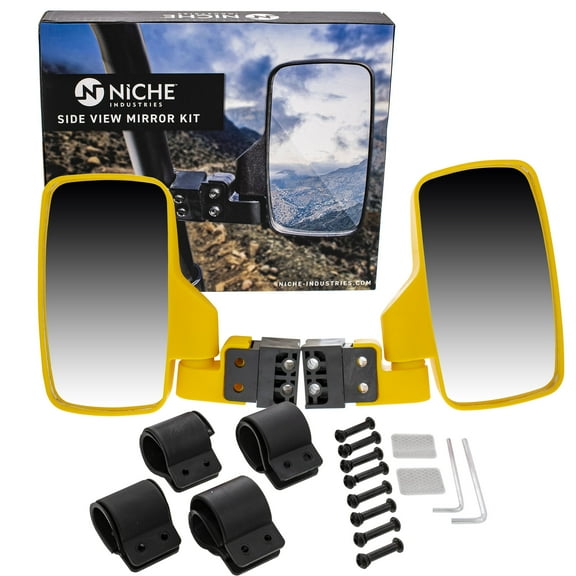
A rear view style helps you check what’s behind your cab with one quick glance on open trails. Side mirrors help you watch lane edges, trailer position, and nearby riders when your route gets tighter.
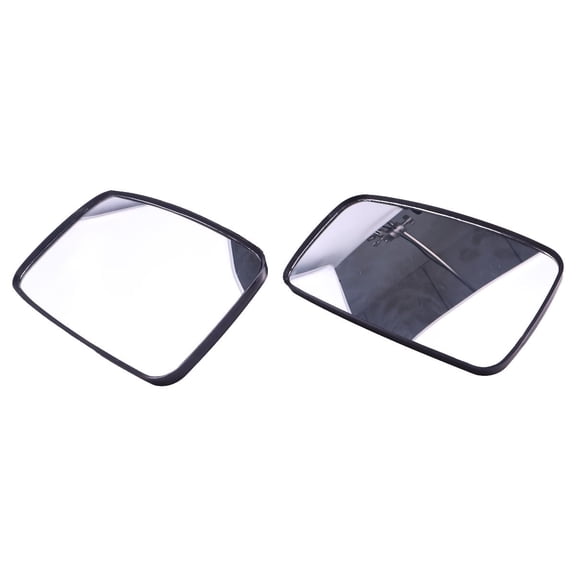
If you’re choosing between convex and flat glass, you should think about how much area you want to see. Convex glass gives you a wider view, while flat glass helps you judge distance more naturally.
- You can use convex glass when you want a broader field of view on winding trails.
- You can choose flat glass when your priority is a familiar, straightforward rear image.
- You can combine rear and side mirrors when you want fuller coverage around your side-by-side.
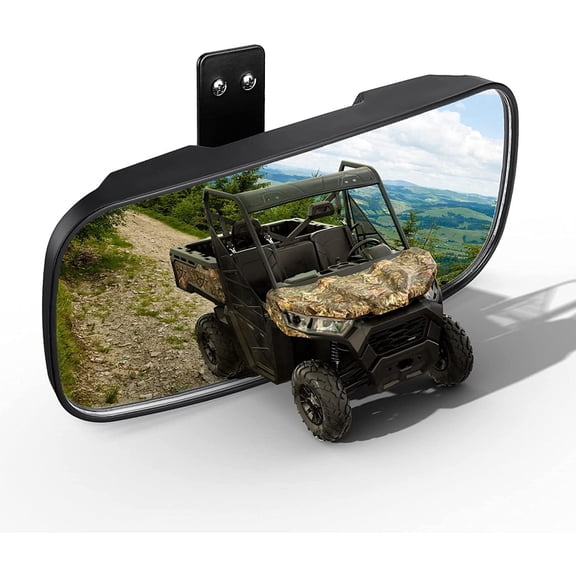
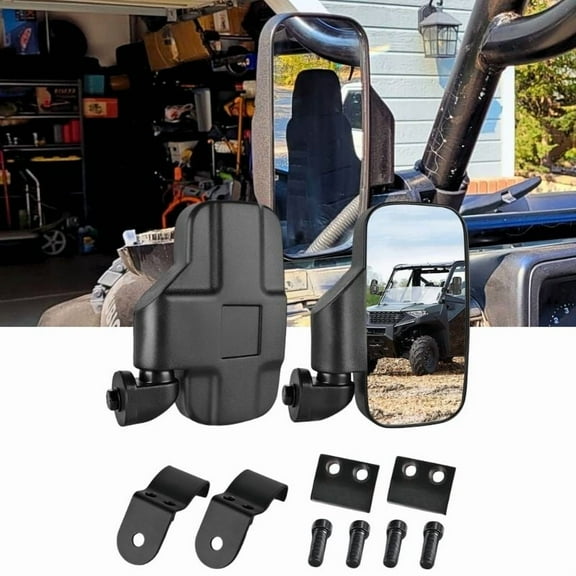
- You can look for breakaway designs when you ride through brush, gates, or narrow wooded paths.
Choosing fitment and mounting for utv mirrors
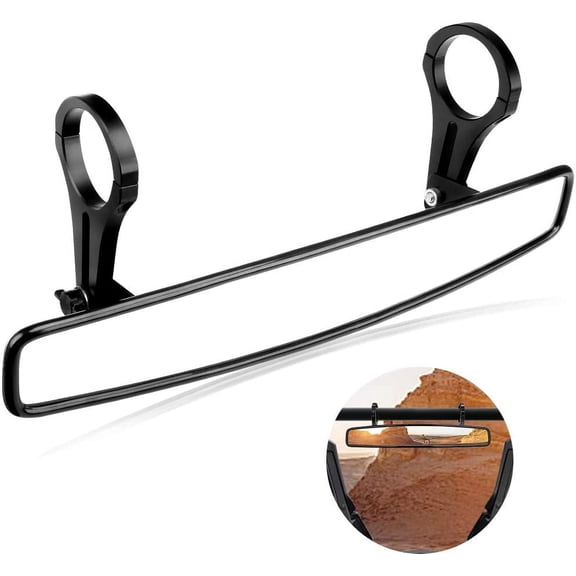
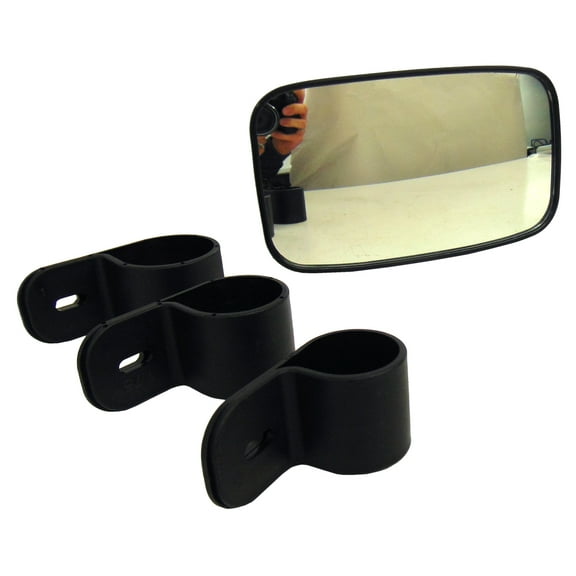
Fitment matters because you need a mirror that matches your roll cage or mounting point without guesswork. You should check whether your machine uses common clamp sizes like 1.75 inches or 2 inches.
Roll cage clamp mounting works well when you want a secure hold on many SxS and UTV frames. Bolt-on styles suit fixed attachment points, while strap-on options help when you want simpler placement.
If you’re shopping for a rear view mirror side by side riders can install quickly, you should measure before you choose. You’ll avoid loose clamps, awkward angles, and mirrors that sit too high or too low.
Vehicle compatibility also shapes your decision, especially when you’re matching parts to SxS, UTV, RZR, or side-by-side layouts. You should compare the mirror arm length and clamp position with your roof, windshield, and cab accessories.
Comparing adjustability and trail stability
Adjustability changes how easily you can fine-tune your view from the driver seat before a ride. You may want adjustable utv mirrors with multi-angle joints when several riders share one machine.
Fixed designs can work when your seating position stays consistent and you want a simpler setup. Breakaway styles help you keep moving through tight spaces because the mirror can fold away from branches.
Vibration resistance is another key decision because rough terrain can blur your view and slow your reaction time. You should look for mirrors with firm clamps, steady housings, and arms that hold position over washboards and ruts.
When your mirror stays stable, you can read the trail behind you without constant readjustment. That matters when you’re towing gear, riding in a group, or backing into a trailer spot.
Picking the right utv rear view mirror for your driving conditions
Your driving environment should guide whether you choose a center mirror, side mirrors, or both. You may want a utv rear view mirror with wide coverage for open desert routes and long sight lines.
On wooded trails, you may prefer compact side mirrors with breakaway movement and a tighter profile. That setup helps you move past brush and still keep a useful rearward view.
If you ride dunes or uneven terrain, you’ll likely notice how important stable mounting becomes over repeated bumps. A rearview mirror for utv use should stay aligned so you can keep your focus ahead.
For farm property, hunting land, or utility routes, you may want a rear view mirror for side-by-side tasks that supports frequent stops. You’ll appreciate easy angle changes when you switch between hauling, reversing, and checking attachments.
When you drive with a windshield, roof, or enclosed cab, you should compare clearance around the top frame carefully. You can prevent blocked movement by checking where the mirror arm sits once installed.
If your machine carries passengers often, you may want utv rear view mirrors that let each rider adjust quickly. You’ll get a more usable view when the mirror can shift with different seat positions and driver heights.
What to look for before you choose
You should focus on mirror type, vehicle compatibility, adjustability, and mounting style before anything else. Those four choices shape how your side by side rear view mirror fits, stays steady, and performs on real terrain.
Once you’ve measured your clamp size and chosen your preferred field of view, you can select with more confidence. You’ll end up with a clearer rearward view that suits your trails, cab layout, and riding routine.