


Find auto parts that fit
Let’s search for parts that fit your vehicle.
UTV Drivetrain Parts and Accessories








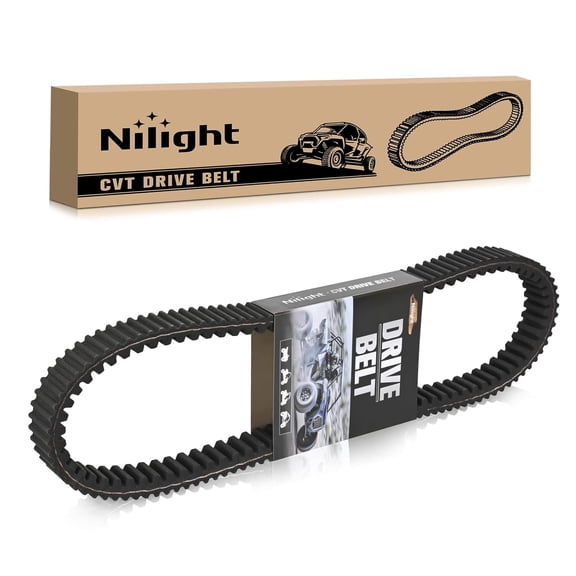
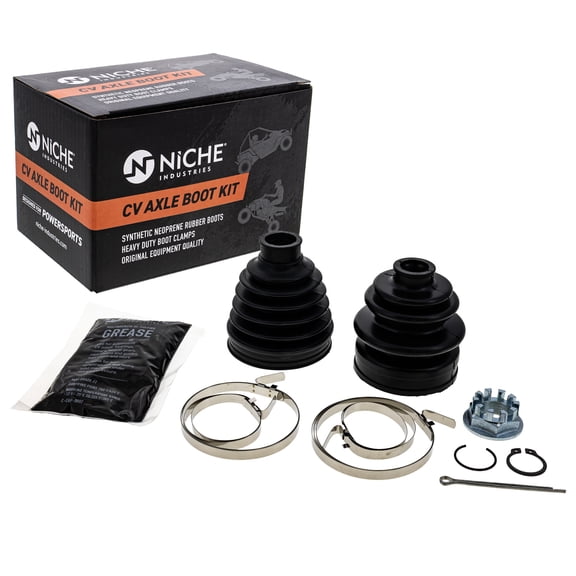


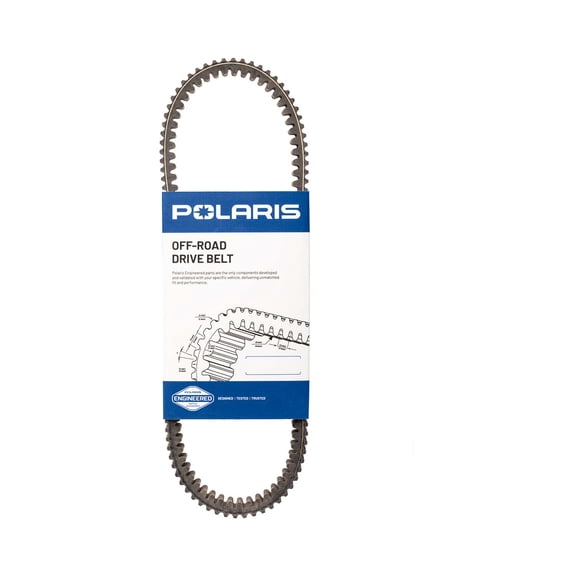

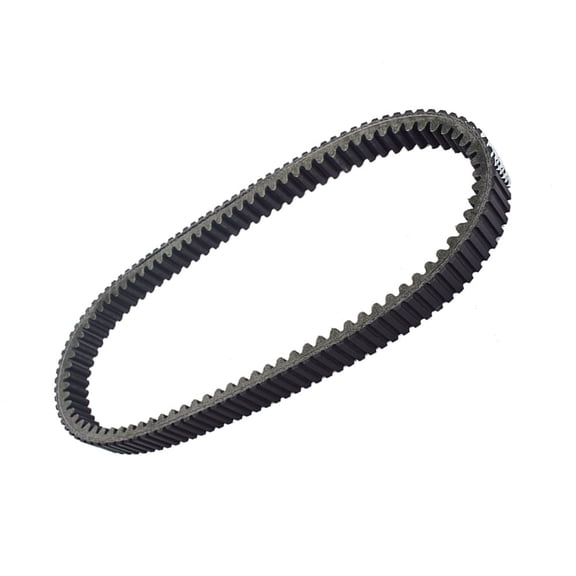











About UTV Drivetrain Parts and Accessories - Walmart.com
When you need utv drivetrain parts, you’re usually solving fitment, wear, or performance demands for rough riding conditions. You can compare axles, belts, clutches, and differentials by compatibility, construction, and riding style, so your machine stays ready for trails, mud, and work use.
How to choose utv drivetrain parts
You should start with part type, because each component affects power transfer in a different way. You’ll usually compare CV axles, drive belts, clutch kits, differentials, and U-joints based on the symptom or upgrade goal.
For fitment, you need to check your year, make, and model before anything else. You should also compare spline count and model-specific notes, because those details determine whether your part matches correctly.
If you ride a Polaris Ranger, Can-Am Defender, Yamaha Rhino, or Kawasaki Teryx, you’ll want category options built around those common platforms. You can narrow choices faster when you confirm vehicle compatibility first, then compare material and performance level.
Choosing between utv axles, belts, and clutch parts
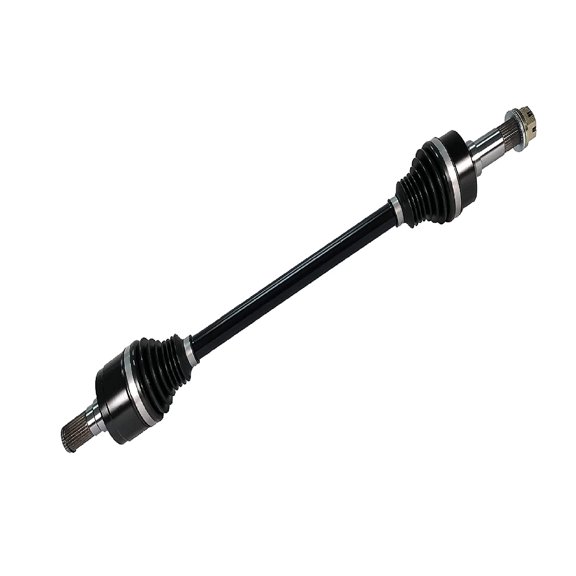
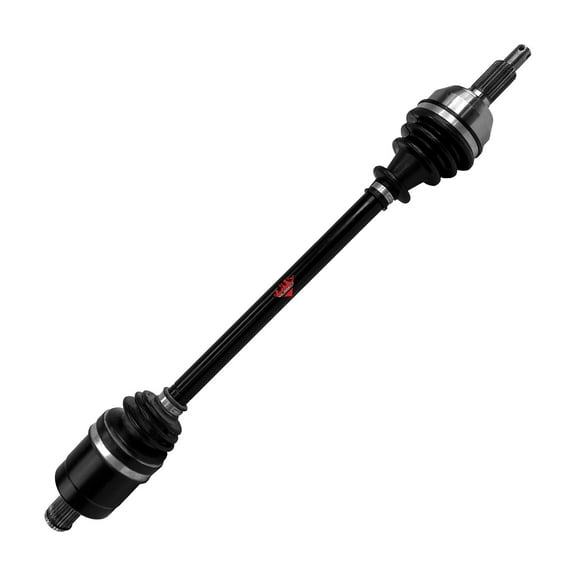
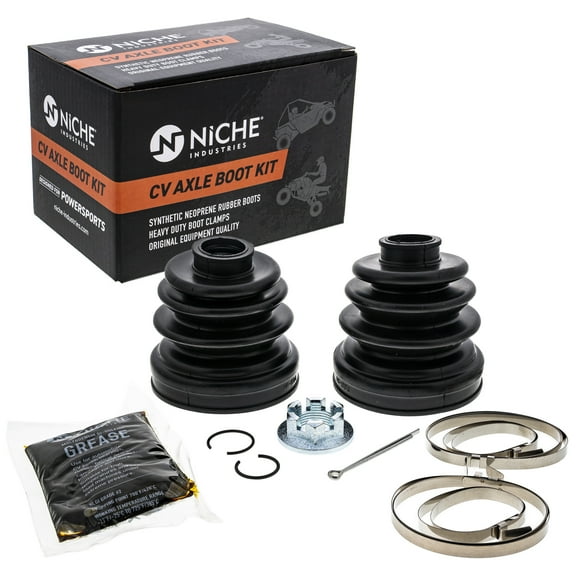
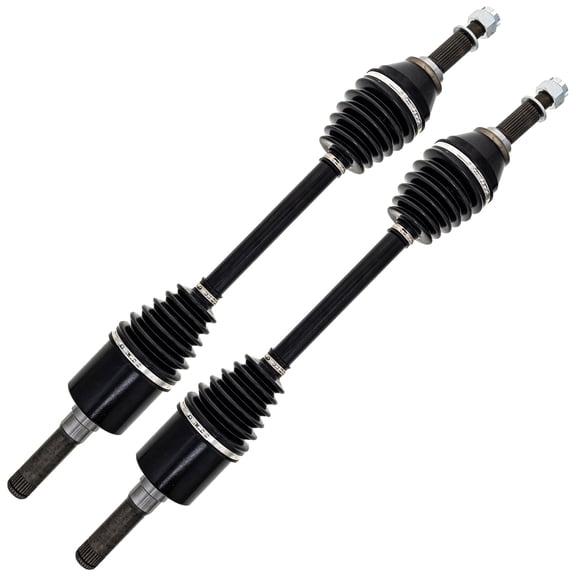
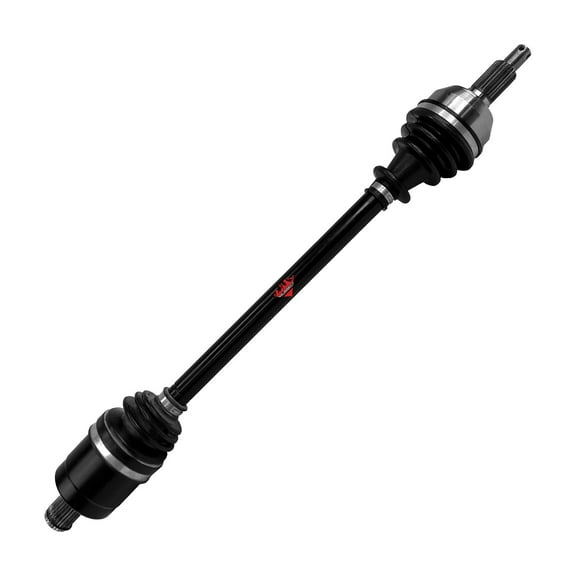
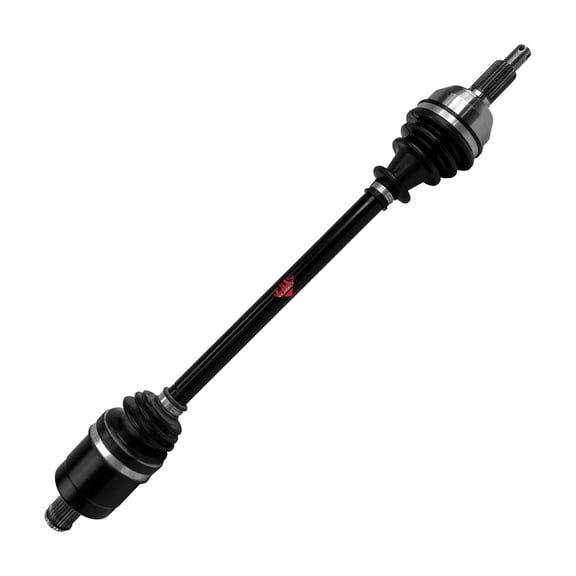
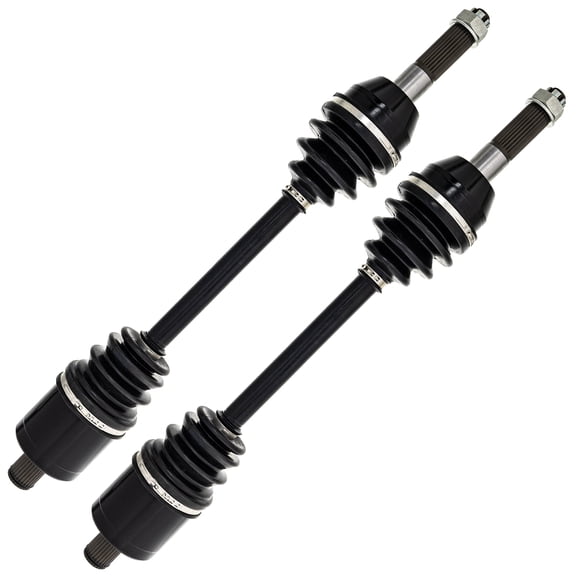
You’ll usually replace utv axles when you want steady power delivery through turns, ruts, and uneven terrain. You may also look for a utv cv joint when you need articulation that keeps up with suspension travel.
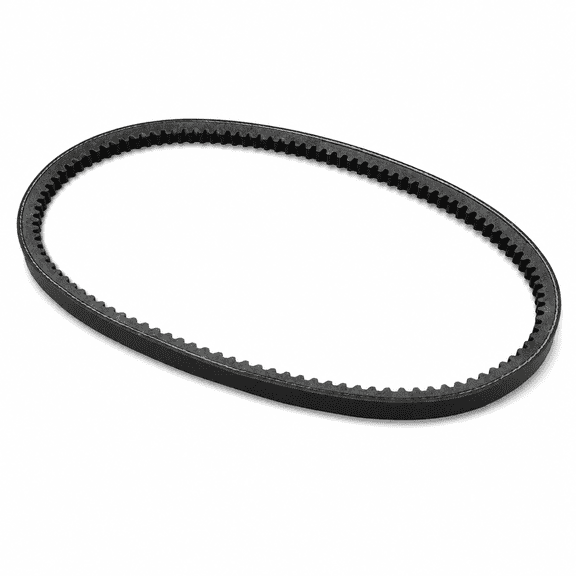
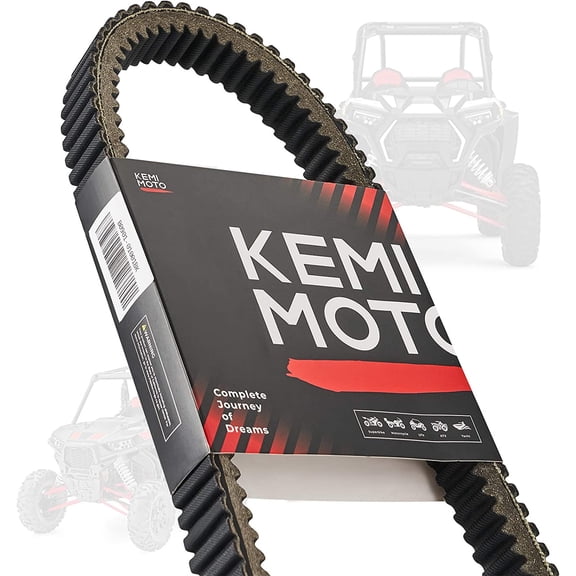
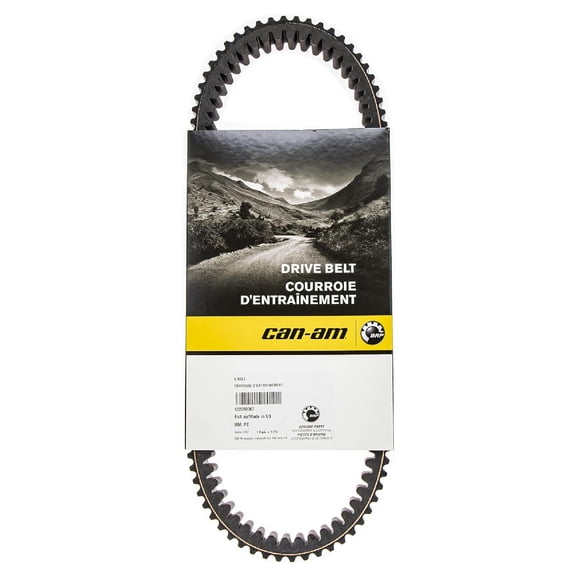
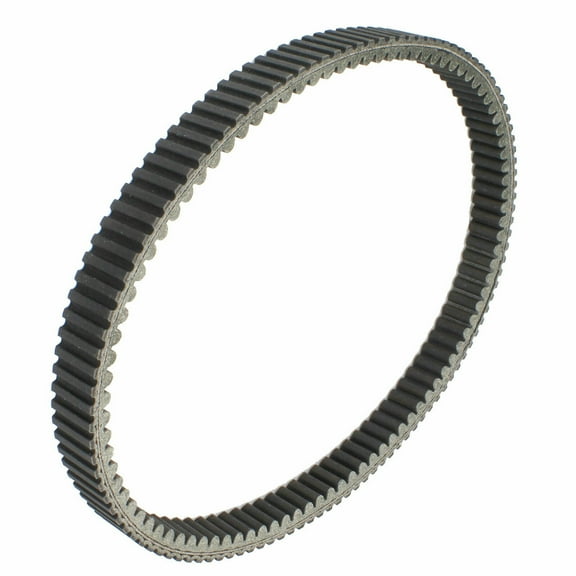
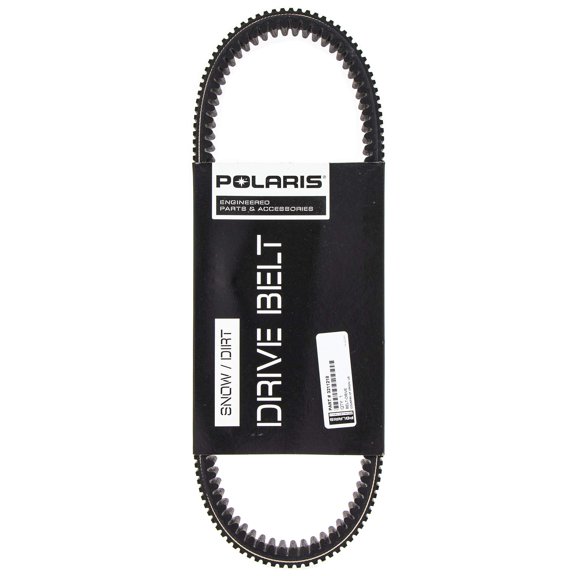
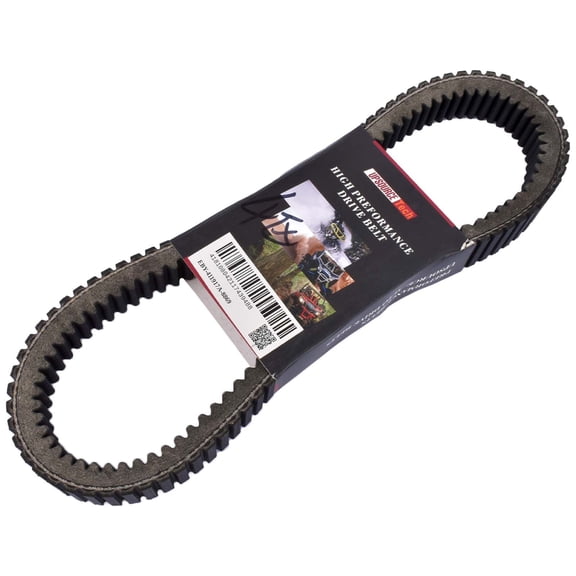
With utv drive belts, you’re focusing on smooth engagement and dependable transfer from the engine to the transmission. You’ll want to compare reinforced rubber and carbon tensile cord designs, because those materials affect heat handling and long-run consistency.
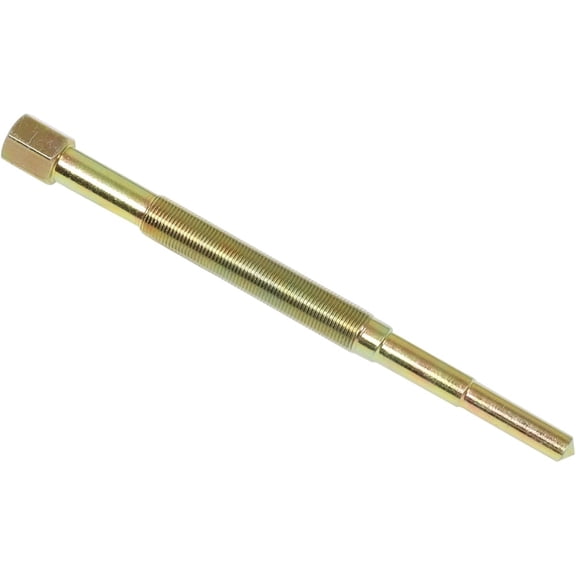
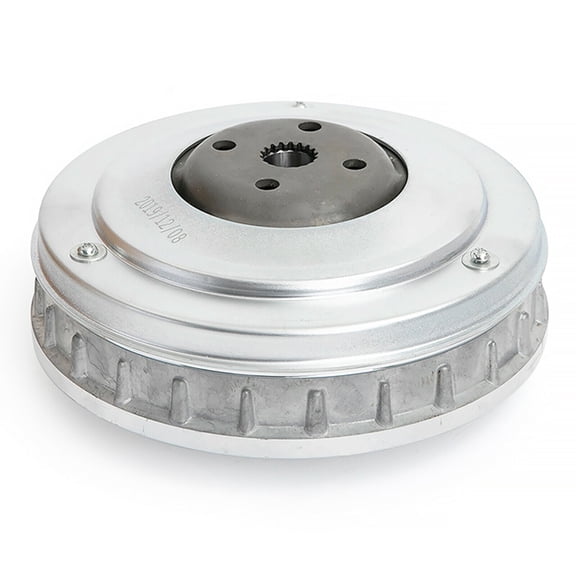
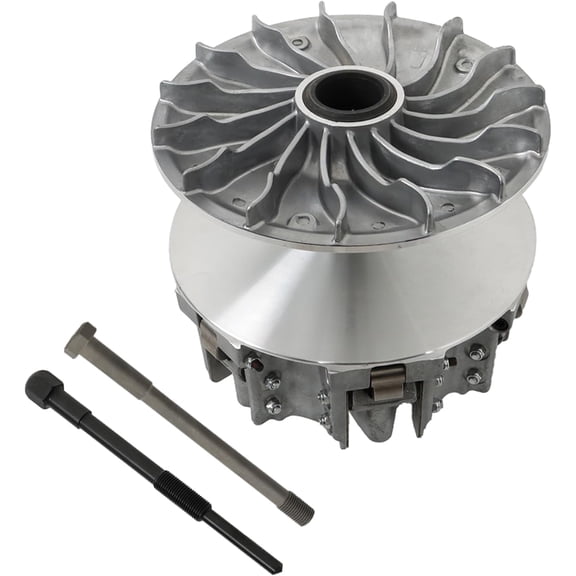
If you’re considering a utv clutch kit, you’re often tuning engagement for towing, larger tires, or mud riding. You can use clutch changes to match how your machine launches, shifts, and holds power under load.
- You can choose CV axles when you need strength for rough terrain and suspension movement.
- You can choose drive belts when you need consistent engagement for work riding or trail use.
- You can choose clutch kits when you need tuning for tire size, terrain, or throttle response.
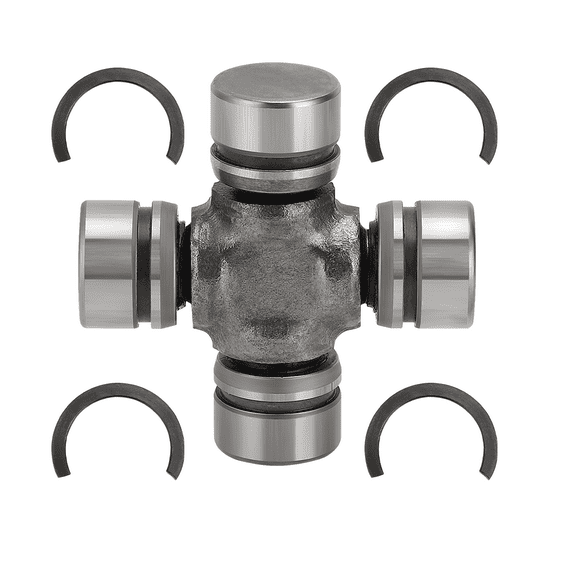
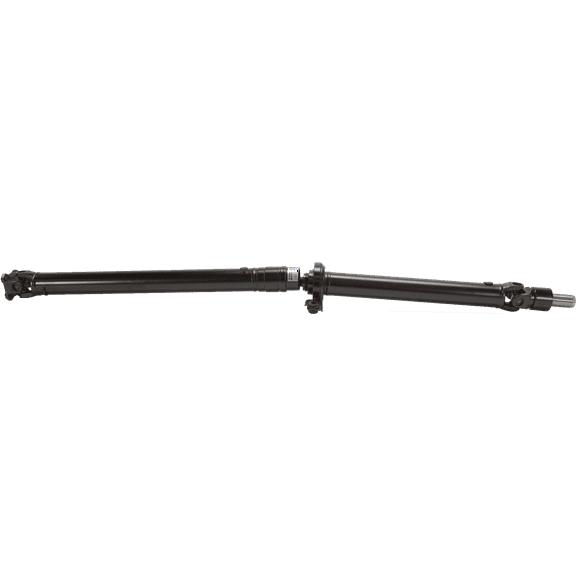
- You can compare differentials and U-joints when you’re restoring complete side by side drivetrain parts.
What to look for in vehicle compatibility and construction
You should treat fitment as the first technical checkpoint, not the last one. You’ll avoid ordering mistakes when you verify year, make, model, and spline count before comparing materials.
For construction, you can compare heavy-duty steel and chromoly when you expect repeated impacts and twisting loads. You’ll usually choose reinforced rubber or carbon tensile cord when belt performance matters during long rides.
You should also consider OEM replacement versus heavy-duty or high-performance options. You can use OEM-style parts for familiar operation, while upgraded builds may suit larger tires, deeper mud, or more aggressive riding.
When you compare differentials, you’re looking at how power reaches each wheel in changing terrain. You’ll want to confirm housing style, gear compatibility, and model notes, because those details aren’t interchangeable across many machines.
Matching performance level to your riding style
You should match your utv drivetrain setup to where and how you ride most often. You’ll likely need different strength and tuning for casual trail riding than for mud pits or sand runs.
For casual trail riding, you can focus on OEM replacement parts that restore factory-style performance. You’ll often want predictable engagement, straightforward installation, and dependable compatibility with stock tire sizes.
If you ride in thick mud or pull heavy loads, you may need heavier axle construction and a clutch setup tuned for harder launches. You’ll benefit from parts designed for added strain from weight, resistance, and larger tires.
For mud and sand racing, you can prioritize faster engagement response and components built for repeated heat cycles. You should compare material strength closely, because hard acceleration can expose weak links quickly.
Understanding installation and maintenance choices
You should think about installation before you choose a part, especially for complex drivetrain work. You may handle some replacements yourself, but you’ll want to consider whether tools and mechanical experience match the job.
Axle and U-joint work may involve disassembly around hubs, suspension points, or driveline connections. You’ll want to confirm the service steps for your machine, because access and hardware layout vary by model.
Drive belt service is often more routine, but you still need the correct size and fitment details. You should inspect belt width, length, and application notes, because small differences can affect engagement feel.
Clutch and differential work can be more involved, especially when tuning or internal components are part of the job. You may prefer professional installation when you’re changing calibration or opening major drivetrain assemblies.
How side by side drivetrain parts fit real-world use
You can use side by side drivetrain parts to restore a farm or hunting vehicle that sees repeated starts, stops, and cargo weight. You’ll often need durable replacement parts that support steady use on uneven ground.
On rocky trails, you may focus on stronger axle materials and verified spline fitment. You’ll want parts that match suspension travel and wheel-end connections without forcing guesswork during installation.
For utility riding in mixed weather, you can prioritize dependable belt operation and OEM-style compatibility. You’ll appreciate parts that keep engagement consistent when your route changes from hardpack to loose surfaces.
If you’re upgrading for larger tires, you should consider how tire size changes drivetrain load across belts, clutches, and axles. You can build a more balanced setup when you compare strength, fitment, and riding demands together.
You’ll make a smarter choice when your utv drivetrain parts match your vehicle, terrain, and installation plan. You can narrow the right combination faster by checking fitment details, material strength, and performance level before you buy.