


Find auto parts that fit
Let’s search for parts that fit your vehicle.UTV Bumpers in UTV Parts

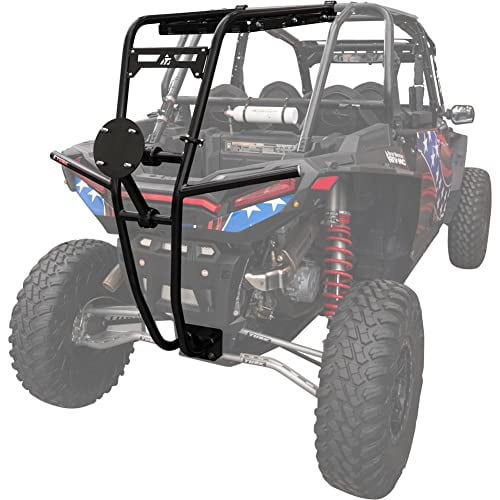
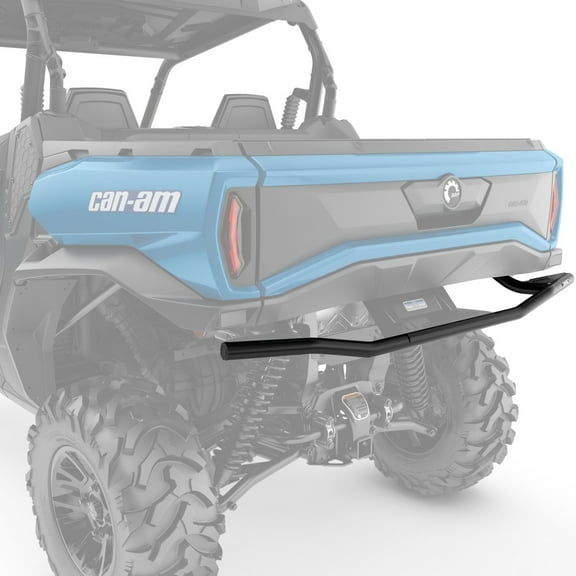
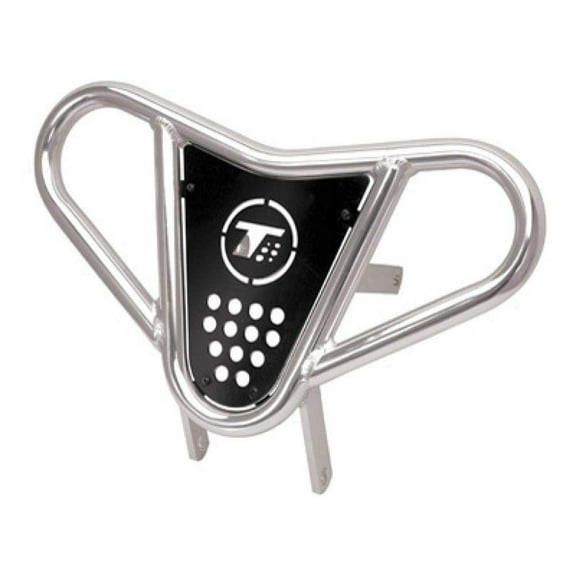


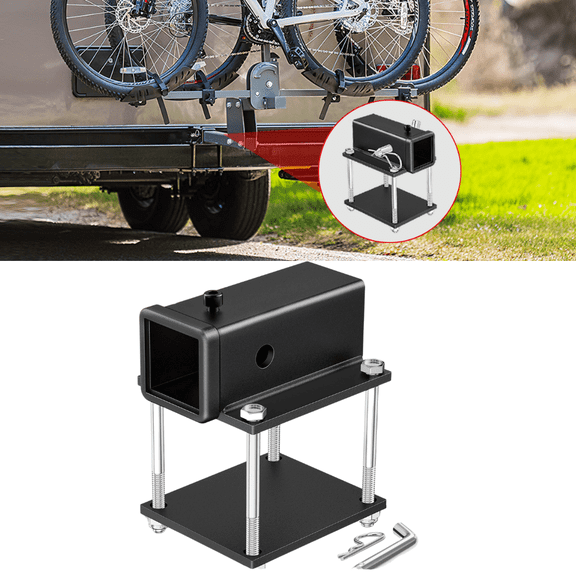














About UTV Bumpers in UTV Parts - Walmart.com
UTV bumpers help you protect exposed bodywork while adding trail-ready utility to your side-by-side. You can compare placement, fitment, materials, and accessory support before you choose a setup that matches your riding style.
How to choose UTV bumpers
You should start with exact vehicle fitment, because side-by-side bumpers aren't universal across every make, model, and year. You can check whether the listing matches your machine, including Polaris RZR, Can-Am Maverick, Honda Pioneer, or Yamaha YXZ applications.
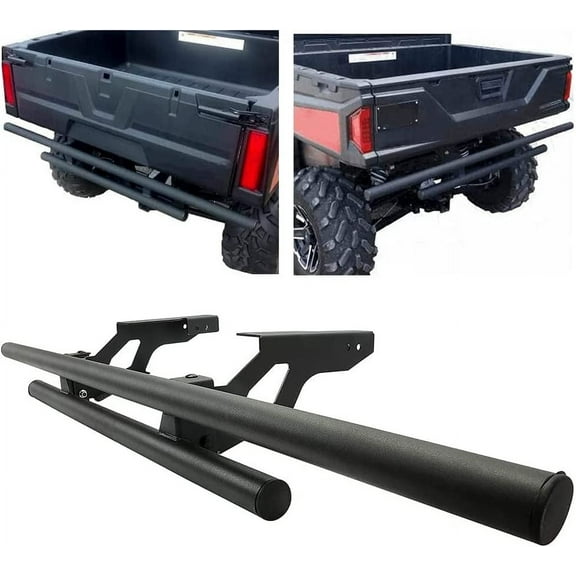
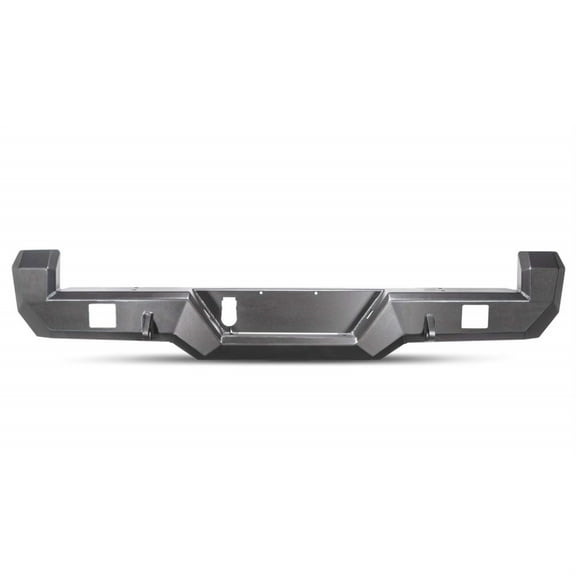
Your next decision is bumper placement, since front and rear designs support different needs on the trail. You may prefer front coverage for brush contact, while your rear setup can help protect cargo-area ends and back-end body panels.
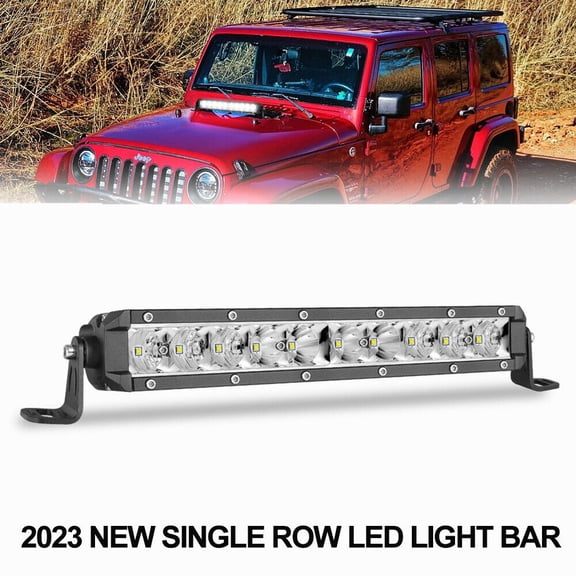
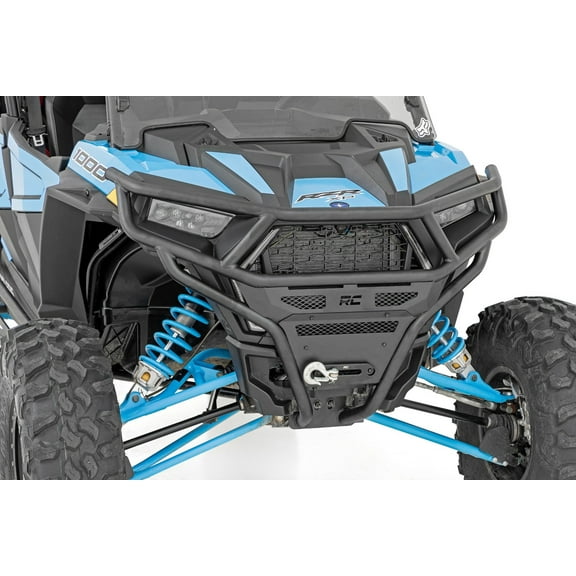
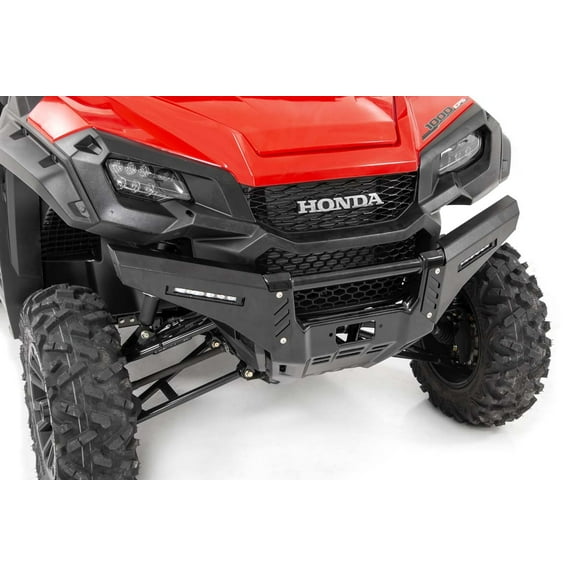
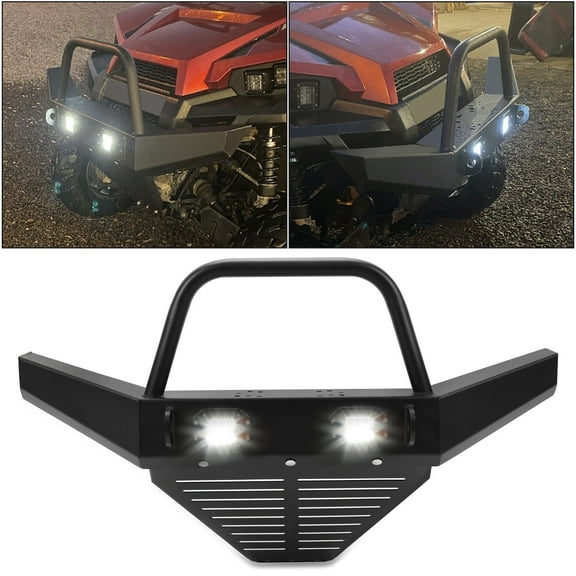
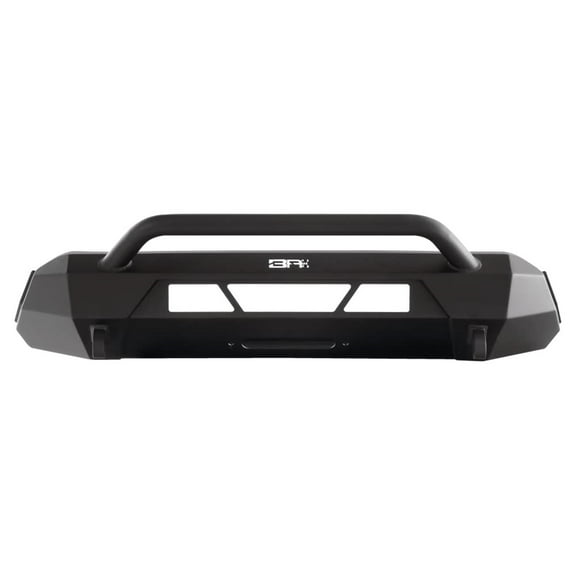
You should also compare integrated features before you commit to a specific design. You'll notice some UTV bumpers include winch mounts, LED light bar tabs, or D-ring receiver mounts for added utility.
Choosing between front UTV bumpers and rear coverage
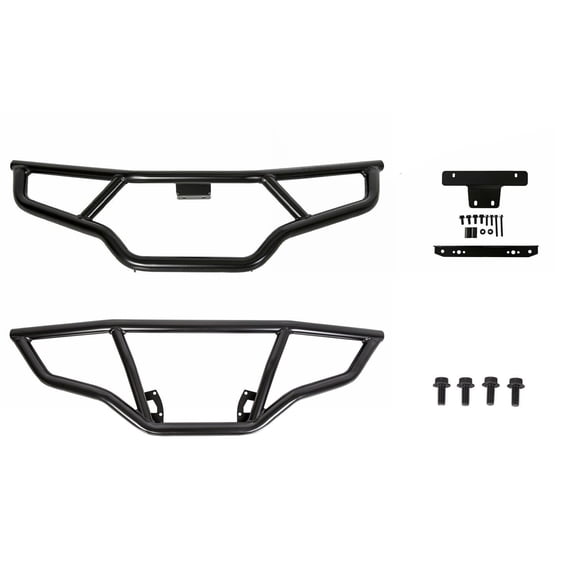
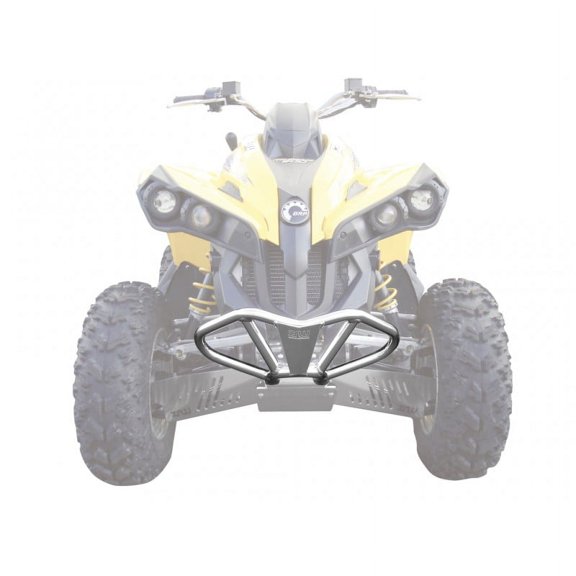
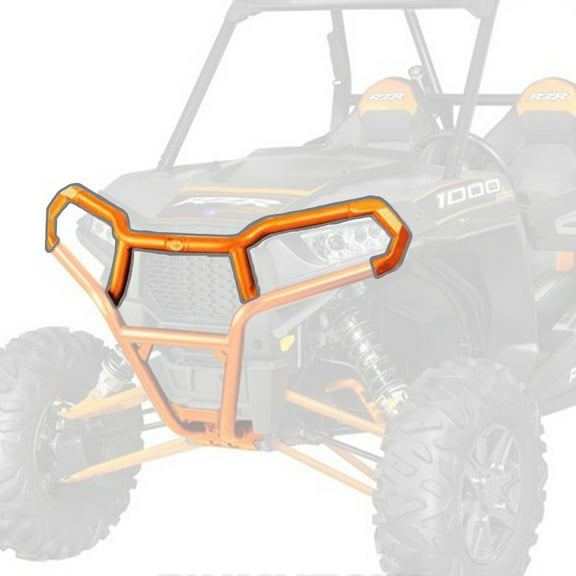
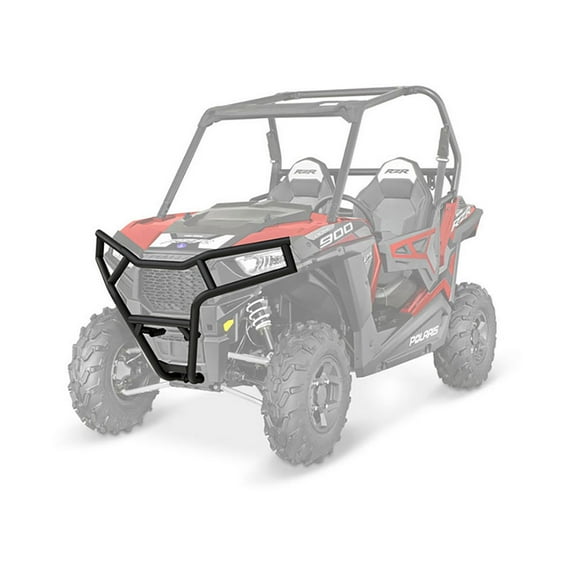
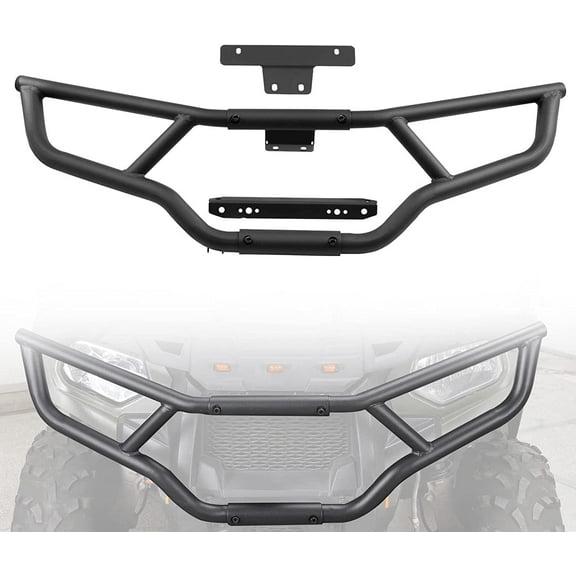
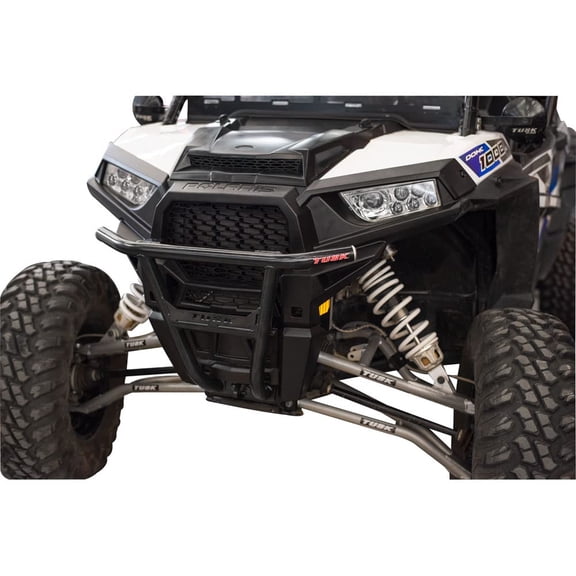
Front UTV bumpers can help you prepare for trail brush, ruts, and uneven terrain where your nose takes the first contact. You may also prefer a front design when your machine carries a winch or extra lighting.
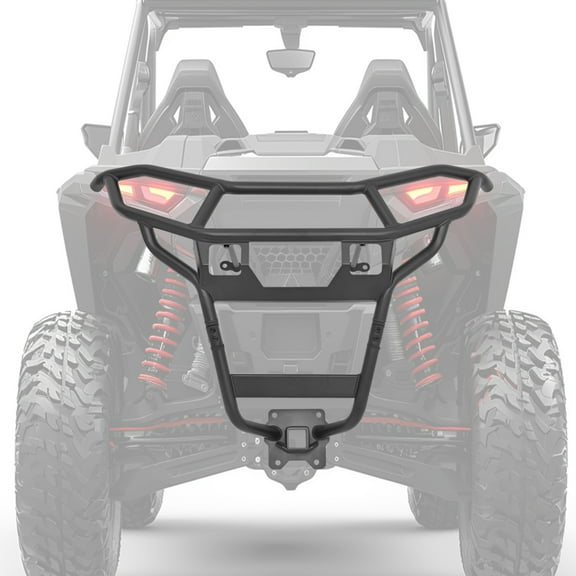
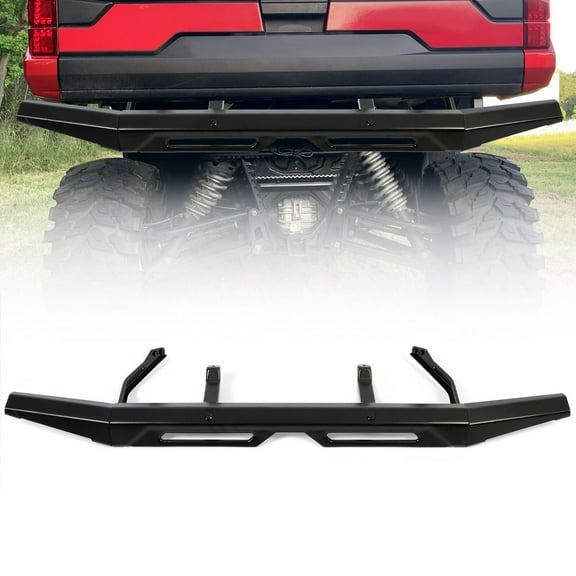
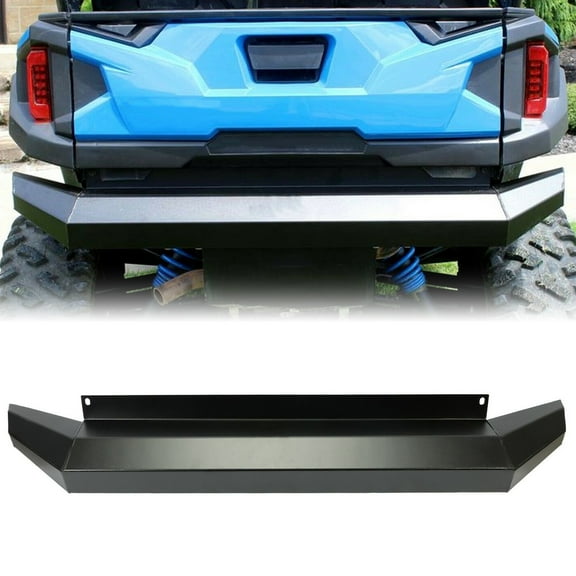
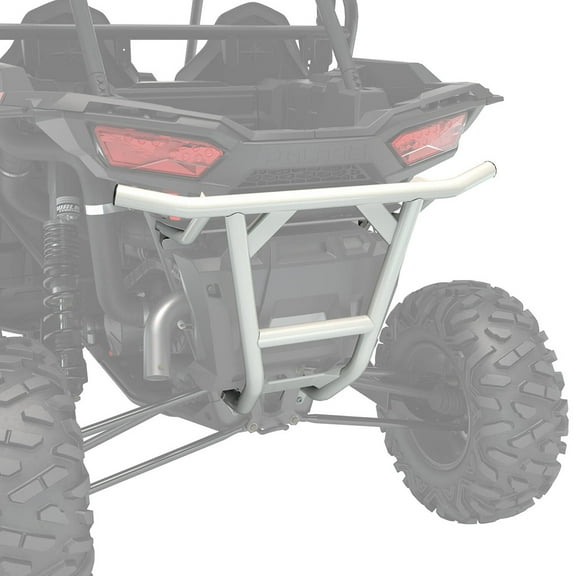
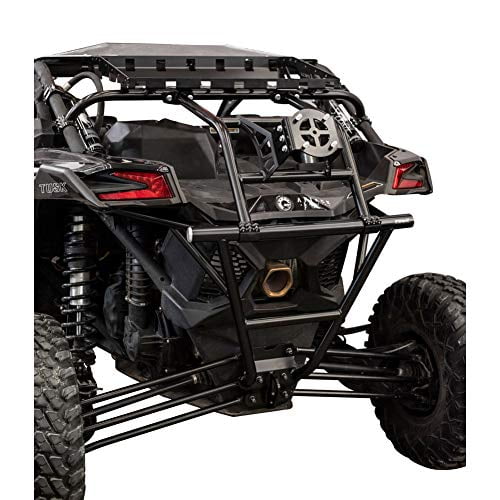
Rear UTV bumpers make sense when you use your vehicle around loading areas, wooded paths, or rocky turnarounds. You can add protection where your bed corners, rear fascia, or back frame points need extra coverage.
When you compare front and rear options, you should think about how and where you ride most often. You may even choose matching ends when your routes include tight trees, mud, and repeated gear hauling.
- You can protect exposed front body panels and grille areas.
- You can add rear coverage for cargo-zone corners and tail sections.
- You can support accessories like winches, shackles, and lights.
- You can match your bumper choice to trail riding, ranch work, or utility use.
What to look for in heavy duty UTV bumpers
Heavy duty UTV bumpers usually center on material choice, tubing design, and finish durability. You should compare heavy-duty steel, aluminum, and powder-coated steel based on how you balance strength, weight, and long-term appearance.
If you want a rugged feel, you may look for steel construction with reinforced mounting points. If you want less added weight, you may consider aluminum for a lighter setup on your machine.
Powder-coated steel matters when you want a finish that handles mud, water, and repeated trail exposure. You should also check weld areas, mounting brackets, and plate thickness for a clearer picture of overall construction.
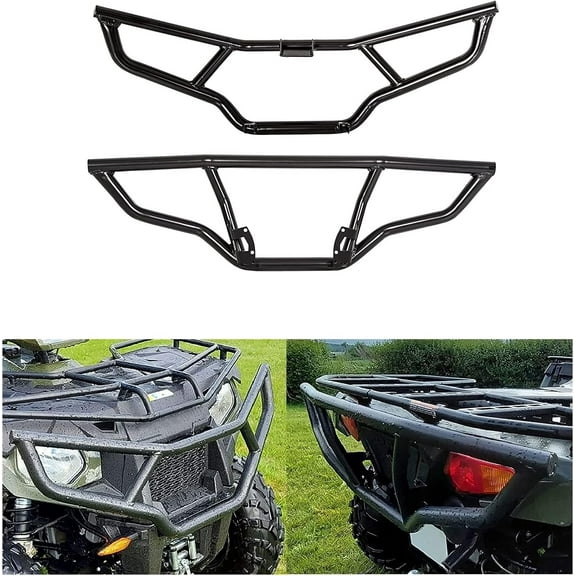
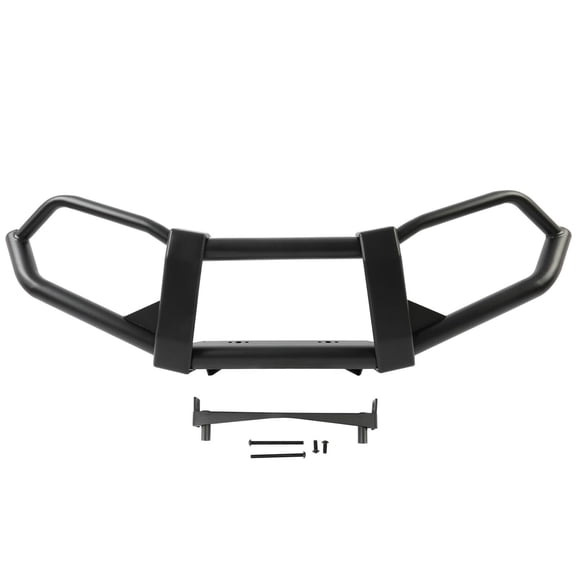
Some riders compare UTV brush guards with full bumper designs before they decide. You may prefer brush guards when you want front-end coverage with a profile that still leaves room for airflow and accessories.
Checking vehicle compatibility and mounting details
Exact fitment is a decision you shouldn't skip, because mounting points vary by platform and year. You should confirm your make, model, and year before you compare shape, finish, or accessory options.
If you're shopping Polaris RZR bumpers, you should verify the listing against your specific RZR generation. You should take the same approach with Can-Am Maverick, Honda Pioneer, and Yamaha YXZ fitments.
You may also want to measure clearance around tires, fenders, and suspension travel before installation. You'll get a more confident fit when you compare mounting location details with your vehicle's front or rear frame layout.
Bolt-on designs can simplify your setup, but you should still review hardware notes and bracket style. You should check whether you need to drill, and you should compare any included mounting components before installation day.
Understanding UTV winch bumpers and accessory support
UTV winch bumpers can help you combine front-end coverage with space for recovery gear. You should check bolt patterns, winch plate compatibility, and stated capacity details before pairing a bumper with your setup.
If you use a winch often, you may want easier cable access and fairlead placement. You should also compare how the bumper works with your machine's grille shape and front body contours.
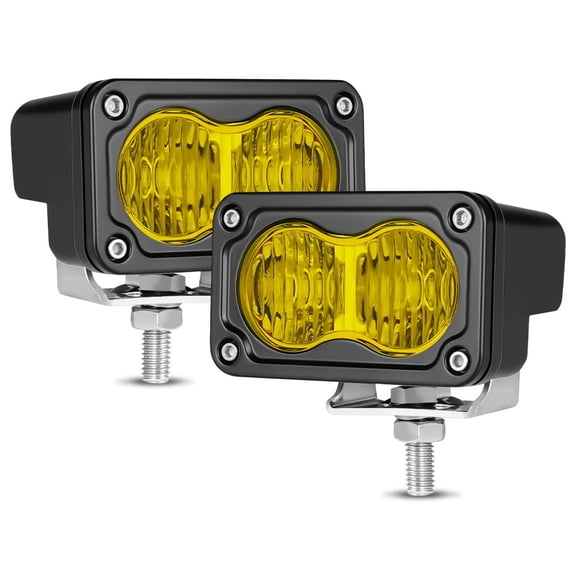
Accessory support can matter just as much as bumper strength when you build a functional machine. You may look for LED light bar tabs if you ride at dawn, dusk, or on dim wooded routes.
D-ring receiver mounts can appeal to riders who want added recovery connection points. You should confirm mounting style and placement so your accessories fit cleanly without crowding your front or rear space.
Matching bumper features to how you ride
If you ride narrow wooded trails, you may prioritize compact front coverage and a strong brush-guard profile. You can keep your machine ready for limbs and tight turns without choosing a bulky setup.
If you use your side-by-side for property work, you may want rear protection and practical mounting points. You can support hauling, backing, and gear movement with coverage where utility tasks happen most.
When your routes include mud, rocks, and recovery situations, you may lean toward reinforced steel and winch support. You can focus on a bumper layout that matches your terrain and accessory plans.
If appearance matters with function, you may compare finish color, tubing shape, and integrated tabs. You can choose a setup that fits your machine's lines while still giving your ride useful protection.
With the right UTV bumpers, you can narrow your choice by placement, fitment, material, and accessory support. You'll end up with coverage that suits your machine and your riding routine.