


Turtles in Reptiles












About Turtles in Reptiles - Walmart.com
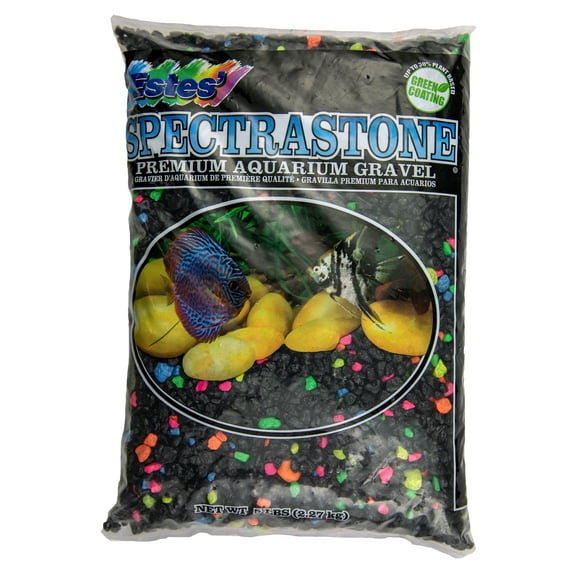
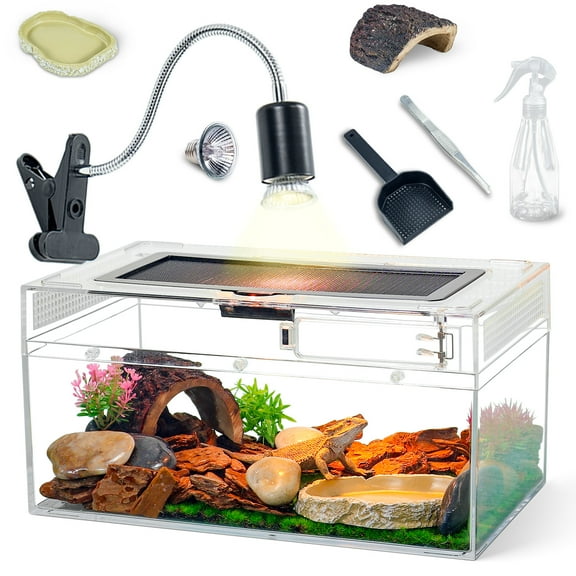
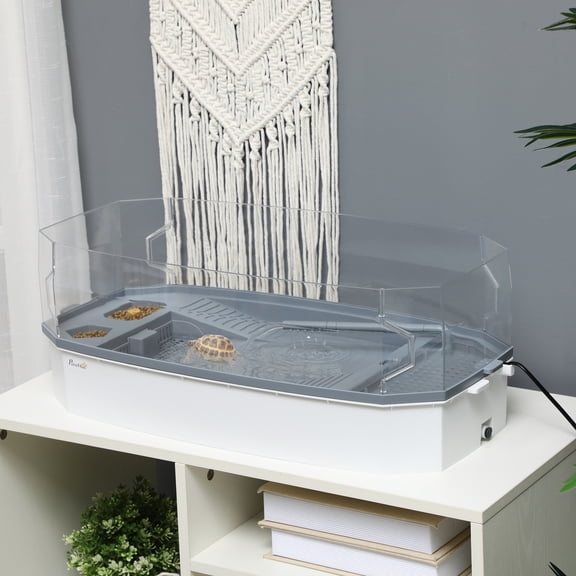
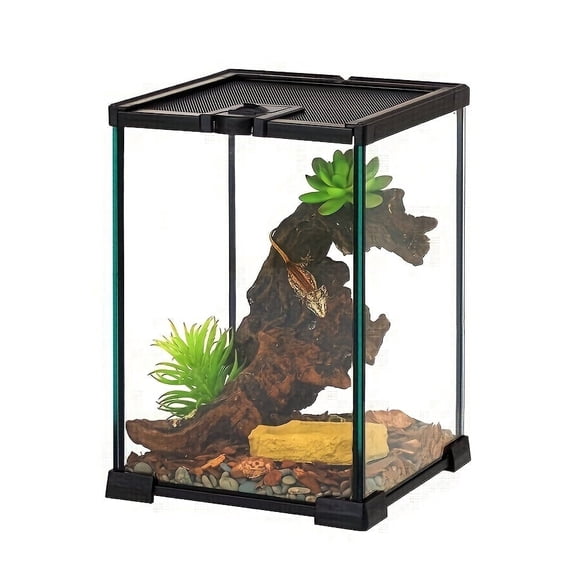
Turtle supplies help you build a cleaner, more organized habitat for aquatic turtles, box turtles, and tortoises. You can compare food, filters, basking platforms, heating lamps, and tanks in one place.
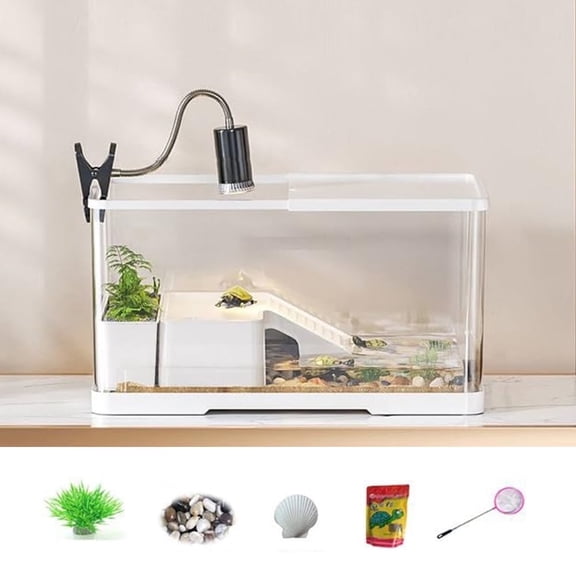
When you set up a turtle habitat, you need dry basking space and roomy swimming space. You also need dependable filtration, steady lighting, and food that matches your turtle’s routine.
How to choose turtle supplies for your setup
You should start with product type, turtle type, and tank capacity before you compare smaller details. Those choices shape how much water you manage, how much land space you need, and how often you clean.
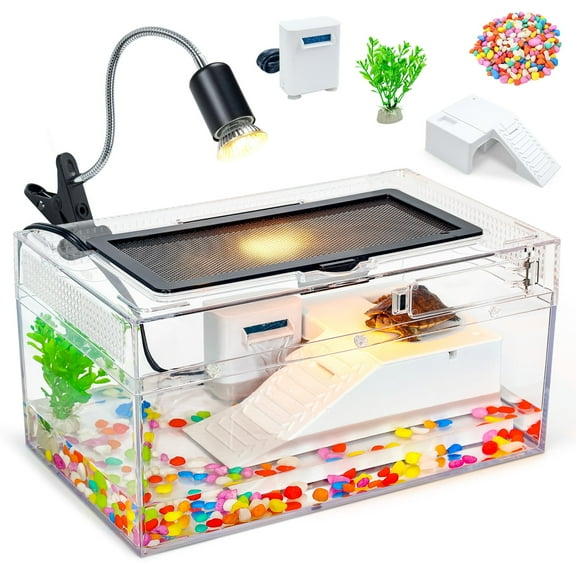
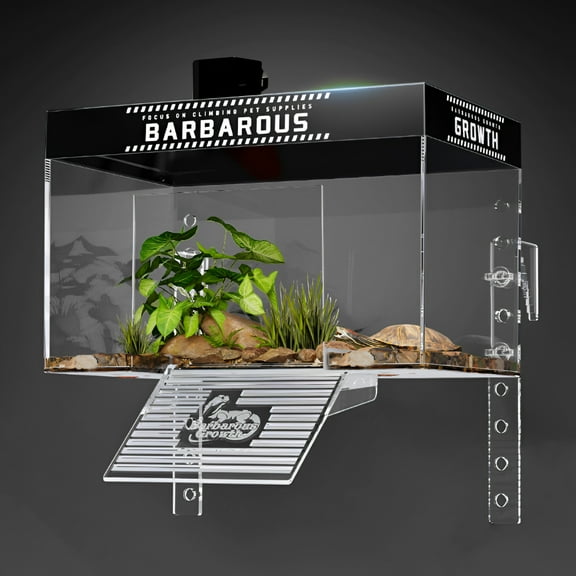
If you keep aquatic turtles, you’ll usually need tanks, turtle filters, a turtle basking platform, and a turtle heat lamp. If you keep box turtles or tortoises, you’ll focus more on land space, heating, and feeding tools.
You can use this quick checklist to compare your core habitat needs. You’ll make faster choices when you match each item to your enclosure size and species.
- You should check gallon rating before you choose tanks and filters.
- You should compare basking space size with your turtle’s shell length.
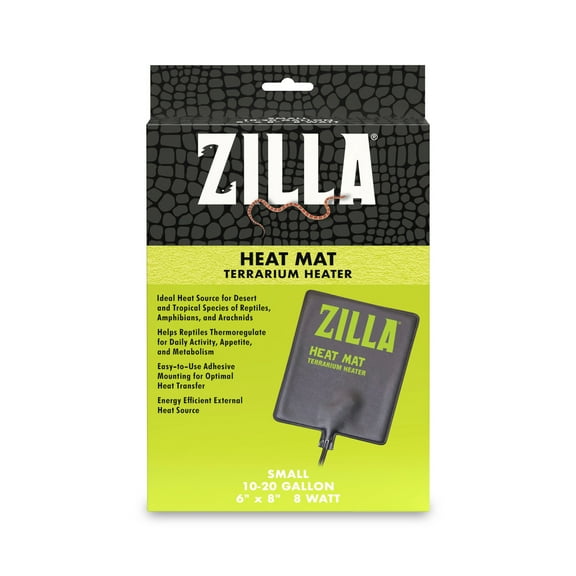
- You should match heating and UV output to your enclosure layout.
- You should choose turtle food by life stage and feeding routine.
- You should add turtle water conditioner when your setup includes tap water.
Choosing turtle tank accessories by tank capacity
You should measure your enclosure first because tank capacity changes every other decision. A 20 gallon setup needs different flow, dock size, and lamp reach than a 75 gallon habitat.
When you compare turtle tank accessories, look for gallon ratings and check whether they match your water volume. You’ll usually want turtle filters with enough GPH flow rate to move water efficiently.
If you use a larger 100+ gallon enclosure, you should compare equipment built for higher output. You’ll notice stronger filtration matters when turtles create more waste than many fish setups.
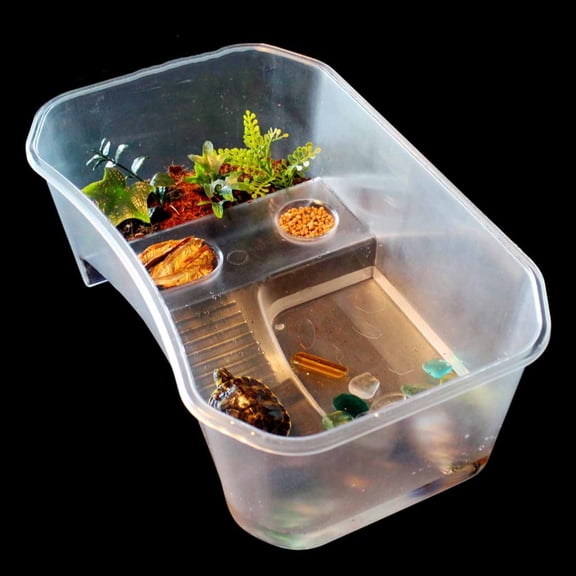
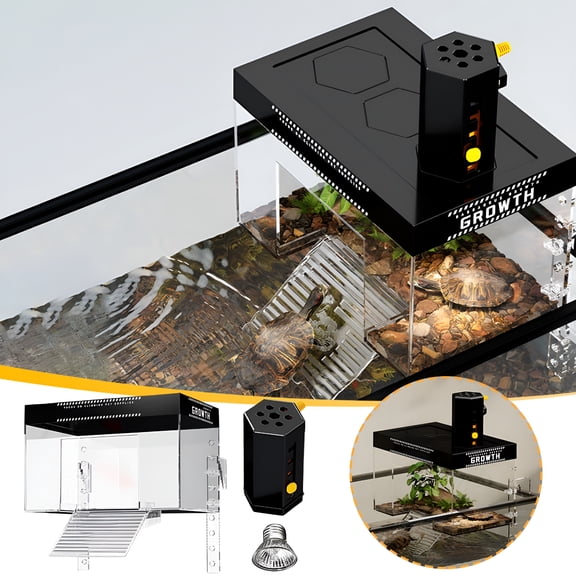
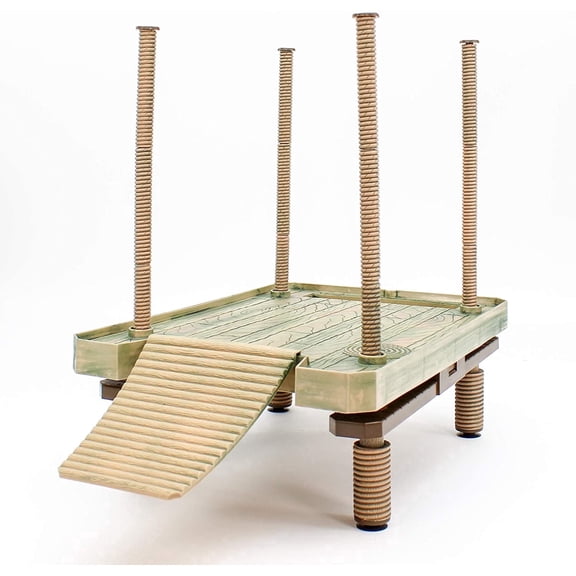
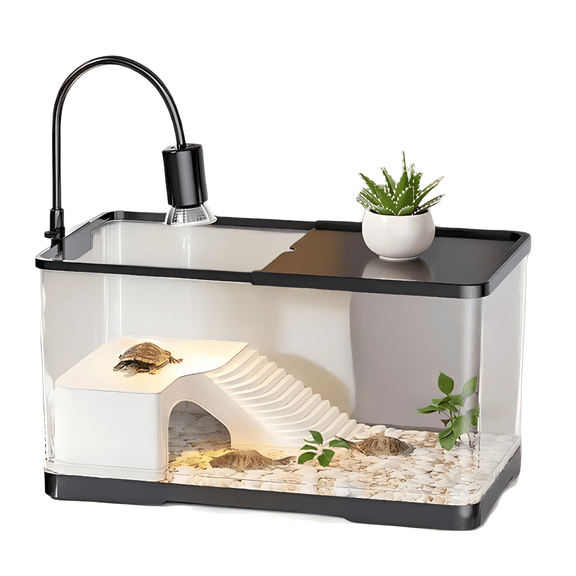
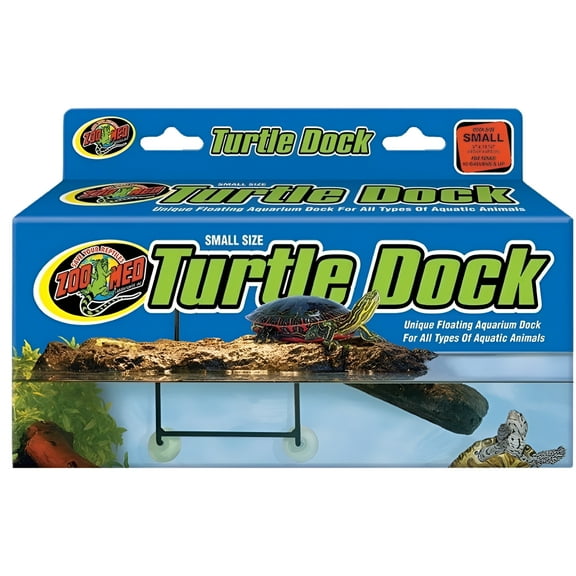
You should also compare docks, ramps, and platforms by footprint and stability. A turtle dock that sits securely above the water helps you create a clear resting and basking zone.
Choosing filters, heating, and a turtle basking platform
You should think about filtration and basking as a connected system, not separate purchases. Clear water and a dry platform help you maintain a habitat with distinct swimming and resting areas.
When you compare turtle filters, check gallon rating and GPH flow rate together. Higher flow can support larger tanks, while the right rating helps you avoid undersized equipment.
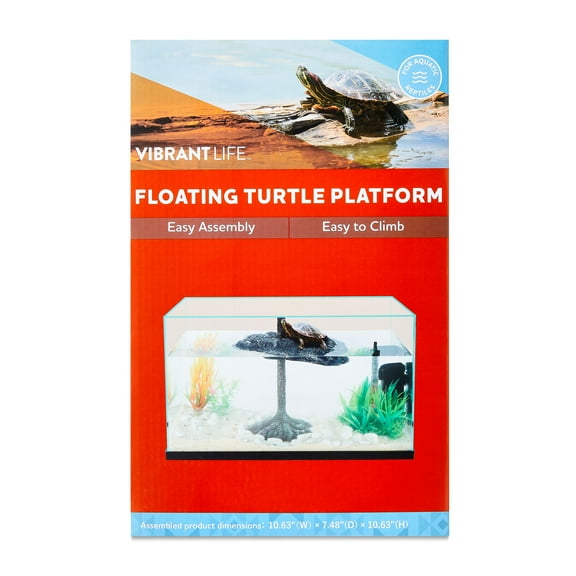
You should look for a turtle basking platform that gives your pet enough dry surface to climb and rest. The right platform helps you keep the shell fully out of the water.
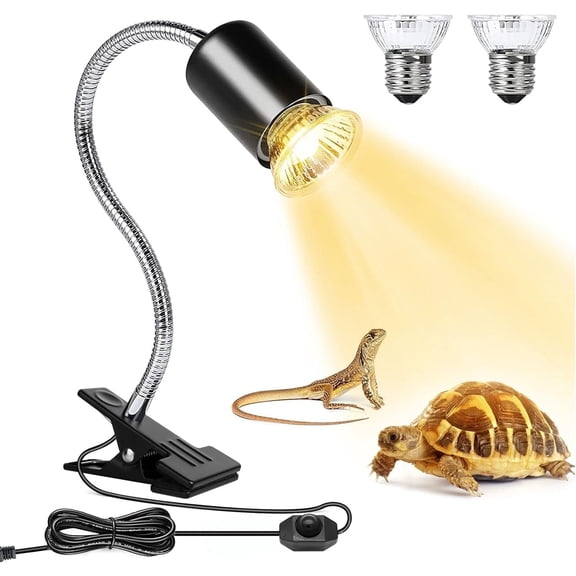
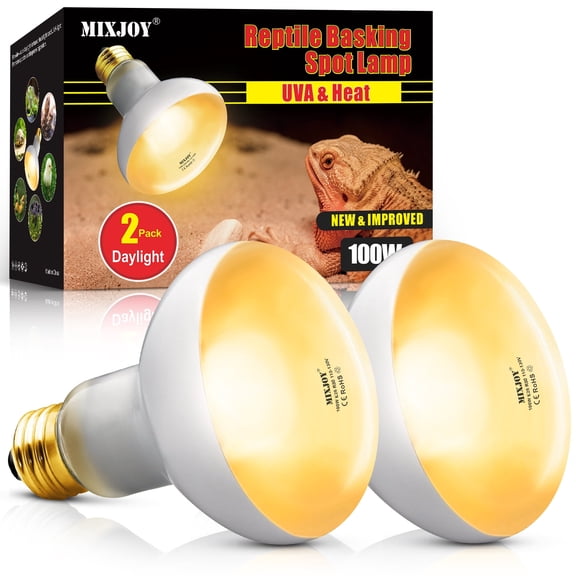
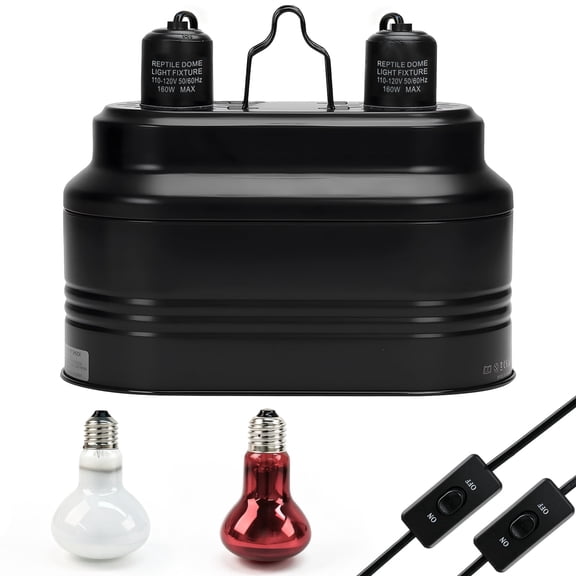
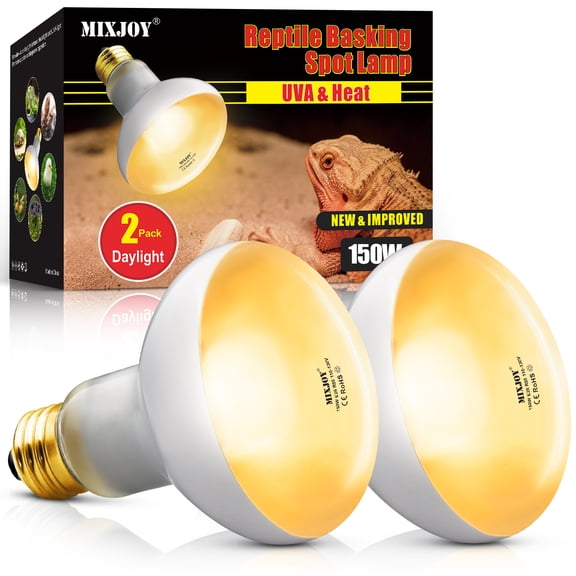
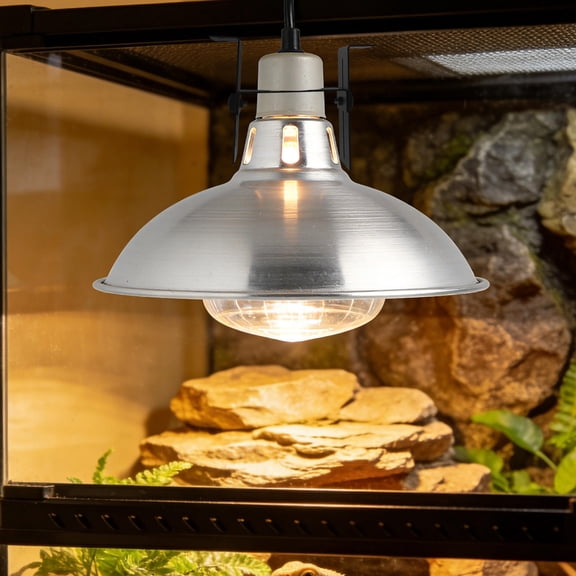
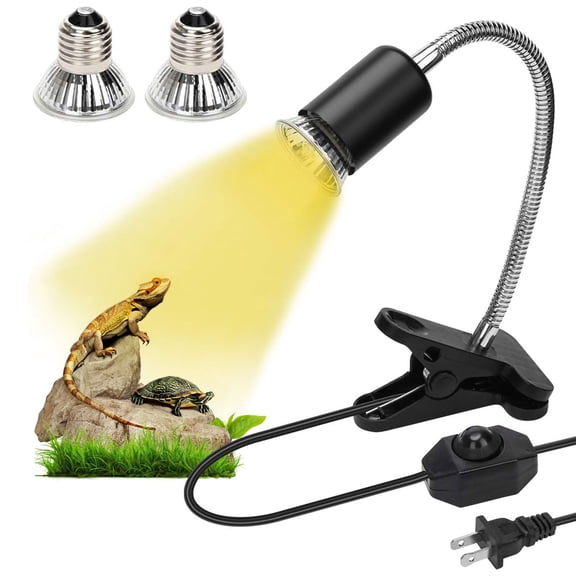
For heating, you should compare bulb wattage and fixture fit with your enclosure height. You’ll want a turtle heat lamp setup that reaches the basking area without crowding your tank lid.
You should also review UVA and UVB guidance when you compare lamps for daily habitat use. Those specs help you understand coverage, bulb type, and placement for your enclosure layout.
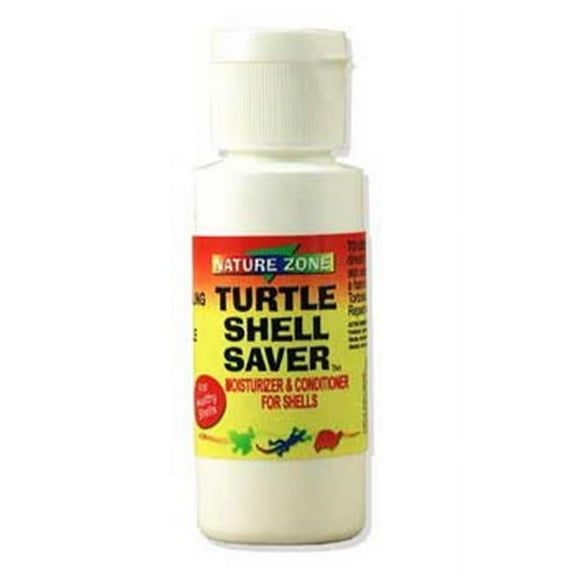
If your setup uses tap water, you should add turtle water conditioner to your routine. You’ll make water changes easier when you prepare water before it enters the tank.
Choosing turtle food by diet and feeding routine
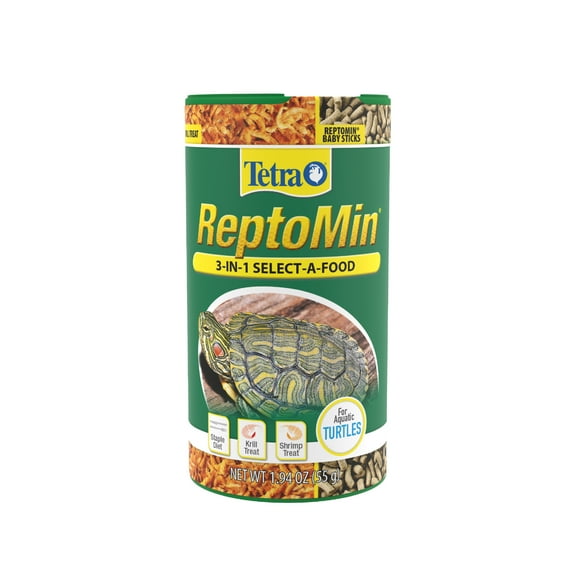
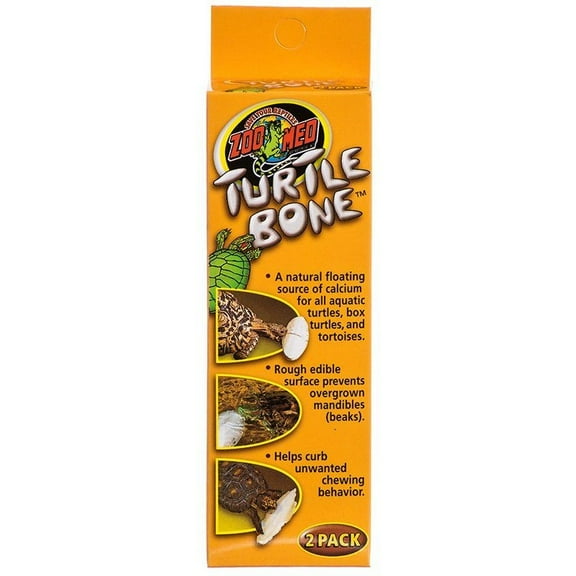
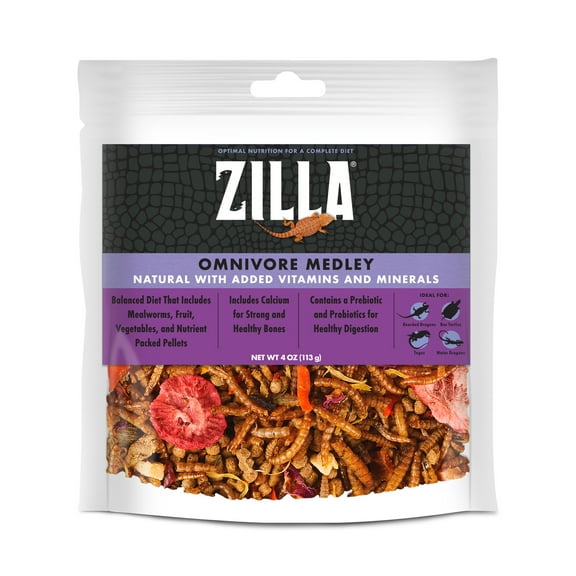
You should choose turtle food by species, age, and nutrition form instead of picking one formula for every reptile. Pellets, sticks, freeze-dried shrimp, and gel food each fit different feeding habits.
For everyday feeding, you may prefer pellets or sticks because you can portion them consistently. You’ll often use freeze-dried shrimp as an occasional addition rather than a daily base.
Gel food can work well when you want a softer format with easy portion control. You should compare texture and feeding instructions to keep your routine simple.
If you care for aquatic turtles, you may need food that works cleanly in and around water. You’ll also want feeding tools and storage that help you keep the habitat tidier between cleanings.
Matching turtle supplies to common habitat setups
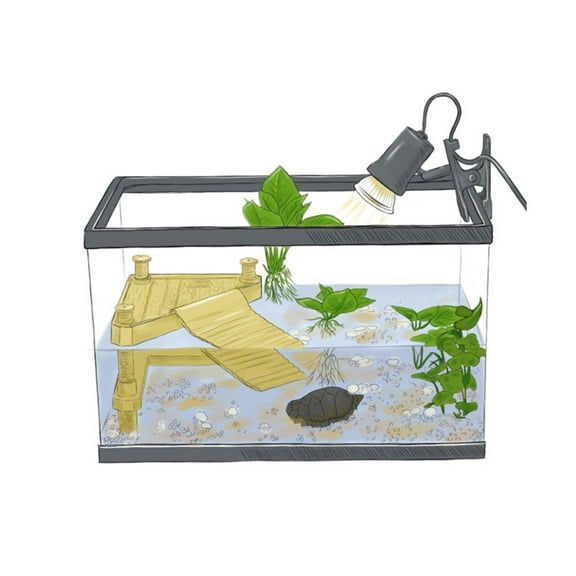
You should match your equipment to the type of turtle you keep and the space you maintain. An aquatic turtle setup usually needs a tank, a dock, stronger filtration, conditioned water, and overhead heating.
For a 40 gallon aquatic habitat, you might pair a mid-size dock with a filter rated for that volume. You can then add a heat lamp and food format that fits your daily schedule.
For a 75 gallon or larger enclosure, you should compare higher-capacity turtle filters and larger basking areas. You’ll usually need wider coverage from lighting when the enclosure footprint grows.
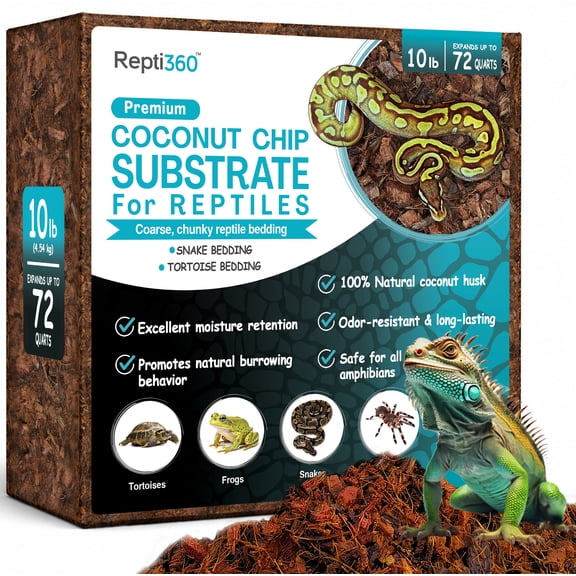
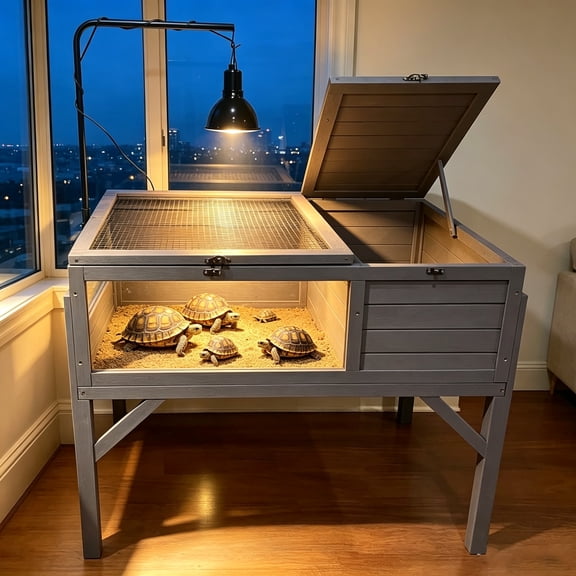
If you keep a box turtle or tortoise, you should focus on land-based layout and feeding access. You can compare heating lamps, food dishes, and habitat tools that support a drier environment.
You should also think about maintenance when you build your list of turtle supplies. The right mix of conditioner, filtration, feeding formats, and habitat accessories helps you keep care tasks more manageable.
With the right turtle supplies, you can create a habitat that supports clean water, dependable basking space, and simple feeding routines. You’ll feel more confident when each part of your setup matches your turtle and tank size.