

Trees in Live Plants


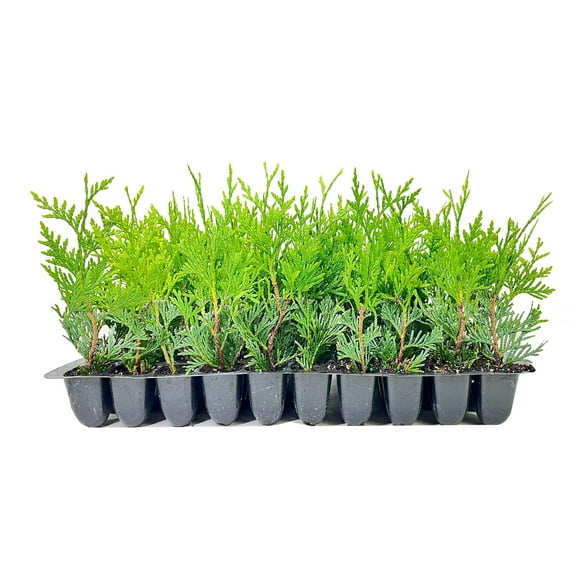

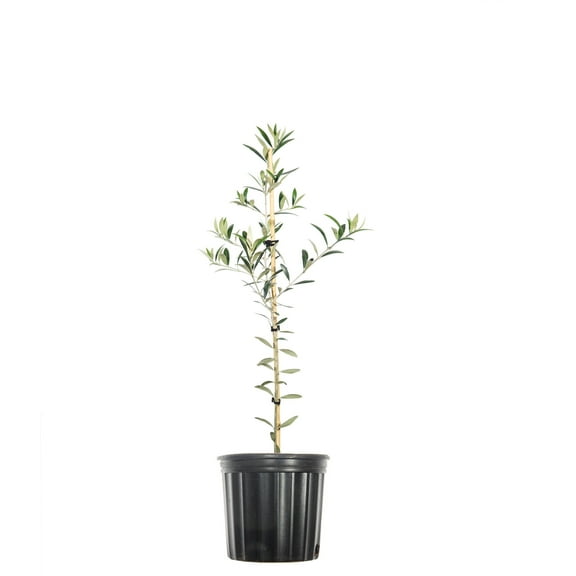

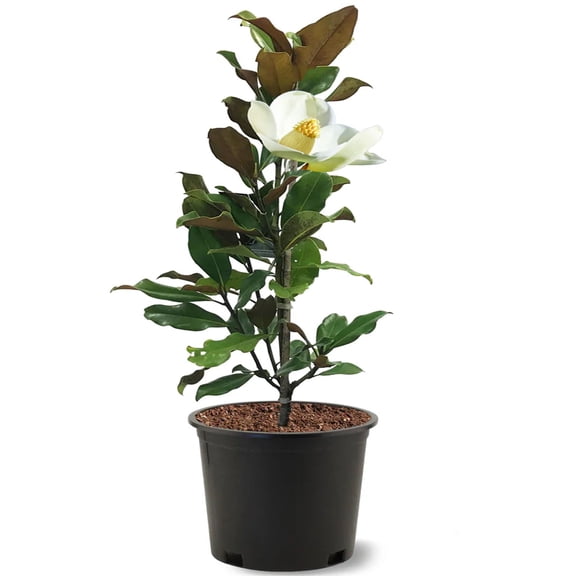
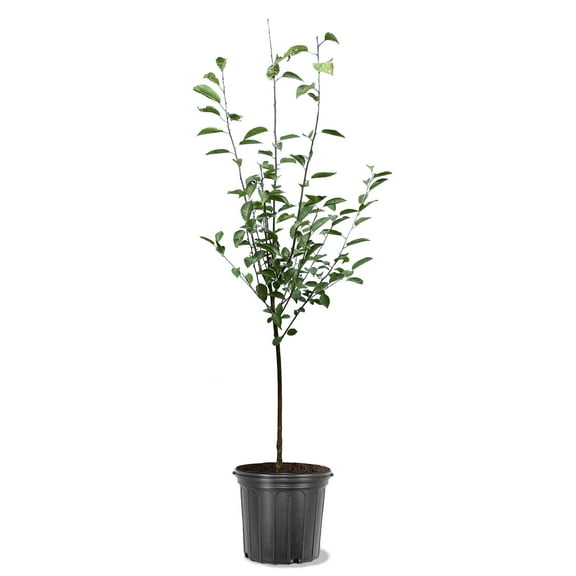


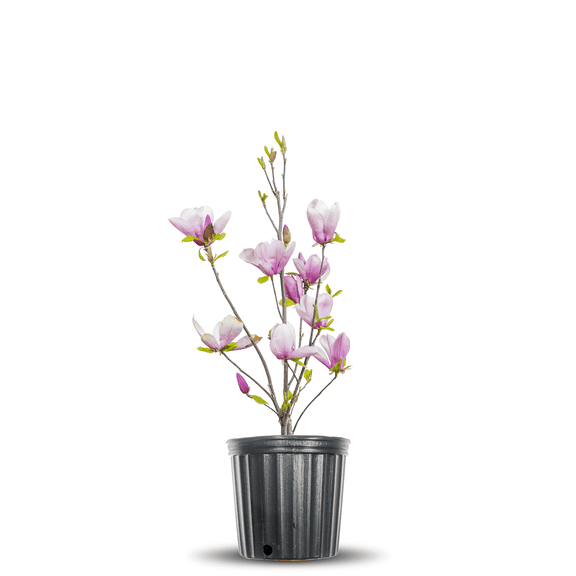


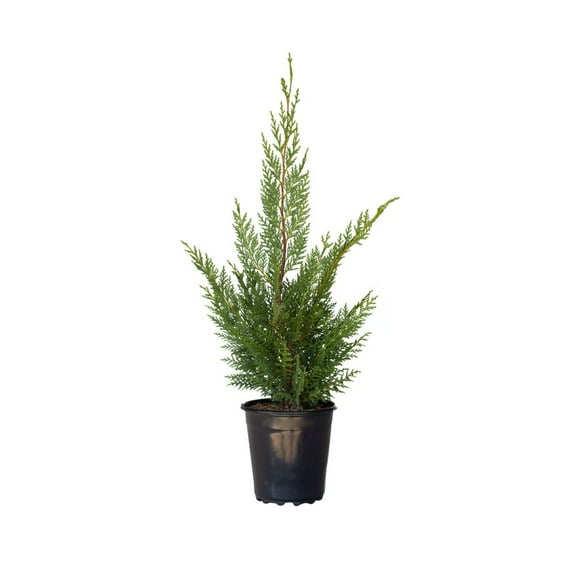








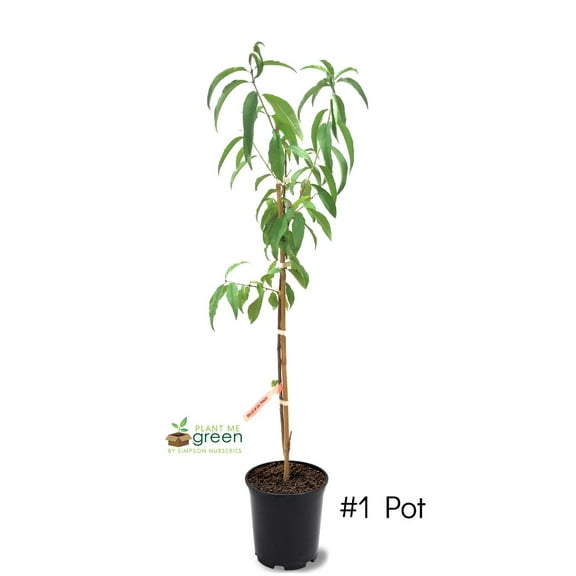
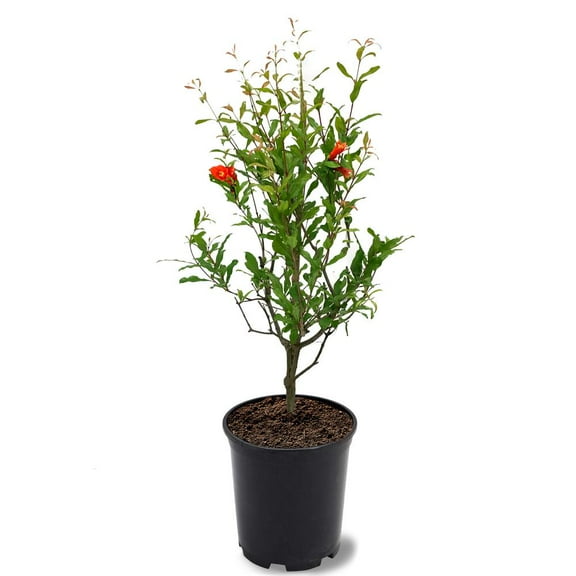


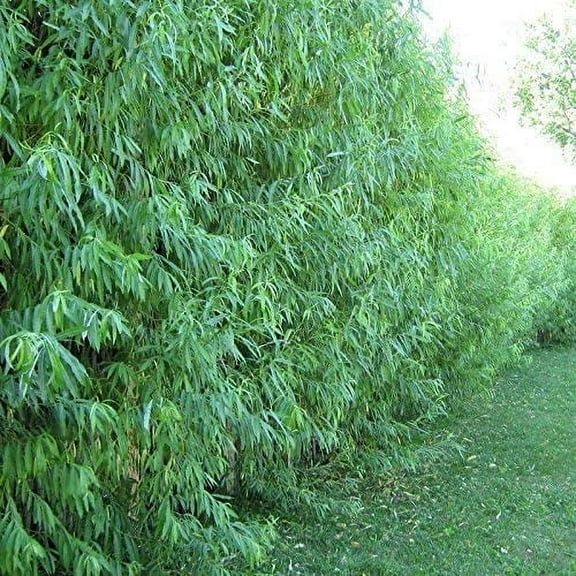
About Trees in Live Plants - Walmart.com
Live trees help you shape your yard with lasting structure, seasonal color, and useful shade. You can compare tree type, USDA zone rating, growth rate, sunlight needs, and root format before planting.
If you're planning backyard trees, you'll want guidance that matches your space and climate. You can use these decision points to narrow choices that fit your landscape and planting season.
How to choose live trees by tree type
You should start with the job you want your tree to do. You may want shade trees for cooling cover, evergreen trees for year-round screening, or flowering trees for spring color.
If you're planting for harvest, you can compare fruit trees by your growing season and available sun. You should also check mature width so your branches have room later.
- You can use shade trees to add canopy over patios, lawns, and open yards.
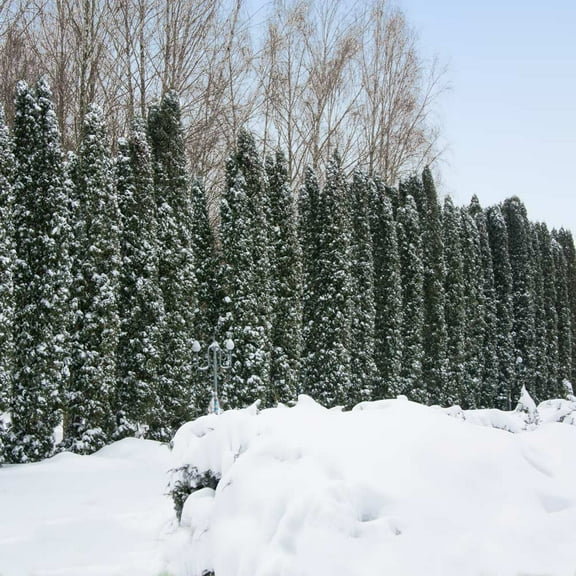
- You can use evergreen trees when your property needs year-round texture and privacy trees.
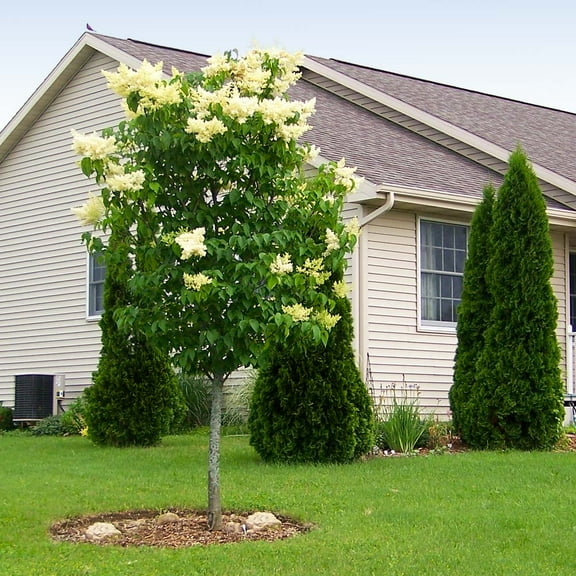
- You can choose flowering trees when your landscape needs seasonal blooms and smaller-scale impact.
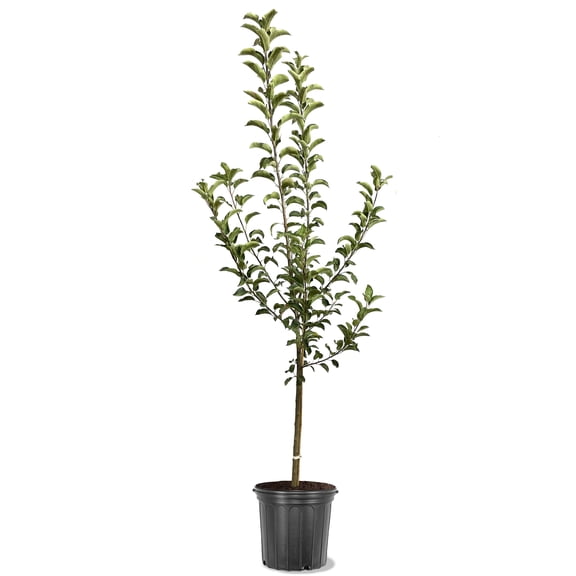
- You can plant fruit trees when your yard gets enough sun and space for harvest access.
You may also compare tree shapes before you plant along fences or driveways. You can often fit upright forms where spreading canopies would crowd walkways.
Choosing live trees by USDA zone and sunlight
You should check the USDA zone rating before you choose a tree. You can match that rating to your winter temperatures for a more reliable planting plan.
If your yard gets full sun, you can consider many flowering trees, fruit trees, and fast growing trees. If your space gets partial shade, you should compare varieties that handle gentler afternoon light.
You also need to measure how shade moves across your yard during the day. You can avoid placement issues when your tree's light needs match your actual planting spot.
For spring planting trees, you can use warming soil and longer days to help roots settle in. For fall planting trees, you can take advantage of cooler air and steady moisture.
Comparing growth rate and mature size
You should compare fast growing, moderate, and slow growing options with your timeline. If you want screening sooner, you may lean toward fast growing trees for quicker coverage.
You also need realistic height expectations before planting near roofs, fences, or power lines. You can prevent crowding by checking mature height and canopy spread, not just starter size.
If you're choosing backyard trees for a small lot, you should look at width as carefully as height. You can keep paths, patios, and garden beds more open with better spacing.
When you want privacy trees, you should compare yearly growth with your long-term maintenance plans. You can balance faster fill-in with the pruning and space those trees may need later.
Understanding root format for planting
You can compare bare root, potted trees, and balled and burlapped options before you plant. Each format affects handling, planting timing, and the size you may expect at arrival.
If you choose bare root trees, you should plan for dormant-season planting and careful watering after planting. You may like this format when you want lighter handling and simpler root inspection.
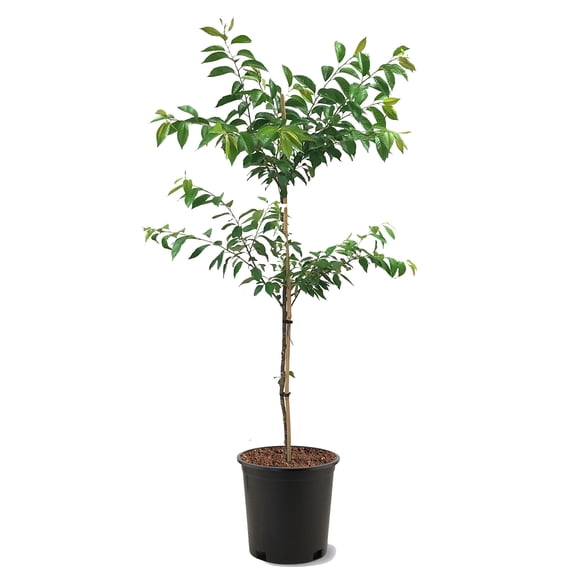
If you prefer potted trees, you can plant during more of the growing season in many regions. You should check container size because it often signals root development and starter height.
If you select balled and burlapped trees, you can often move larger specimens for an established landscape look. You should measure your planting area carefully because these trees need more room during installation.
What to look for in soil, watering, and placement
You should match your tree to your soil before planting. If your yard has clay soil, you may need better drainage awareness, while sandy soil may dry faster.
You can also check how water moves after rain in your planting area. You should avoid low spots when your chosen tree prefers more evenly drained ground.
Your spacing plan matters just as much as your tree choice. You can protect future branches by leaving clearance from homes, sidewalks, driveways, and overhead lines.
If you're planting several live trees together, you should account for mature spread across the whole row. You can create cleaner screening and stronger visual balance with planned spacing.
Matching live trees to real yard goals
You can pair shade trees with open lawns where you want a larger canopy over time. You may use evergreen trees along property edges when you want year-round structure.
If your front yard needs seasonal interest, you can compare flowering trees that fit smaller spaces. If your garden gets strong sun, you can also consider fruit trees for edible planting.
You may want potted trees when your schedule calls for flexible planting timing. You can choose bare root options when you're planting during dormancy and want straightforward root placement.
For narrow side yards, you should compare mature width before choosing fast growing trees. You can get useful screening without crowding fences, gates, or air-conditioning units.
If you're planning a new landscape, you should compare sunlight, zone rating, and final size together. You can make a clearer choice when those three factors align with your yard.
With the right live trees, you can plant for shade, privacy, color, or harvest with fewer surprises later. You can move forward knowing your tree choice fits your climate, space, and planting goals.