

Tree Stand Blinds in Hunting Blinds
















About Tree Stand Blinds in Hunting Blinds - Walmart.com
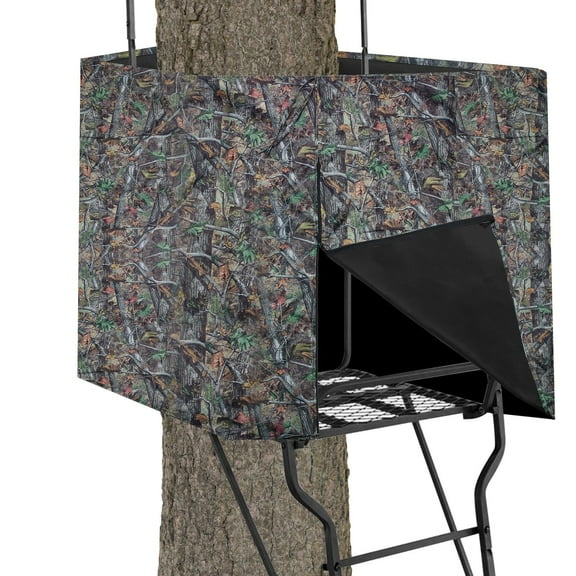
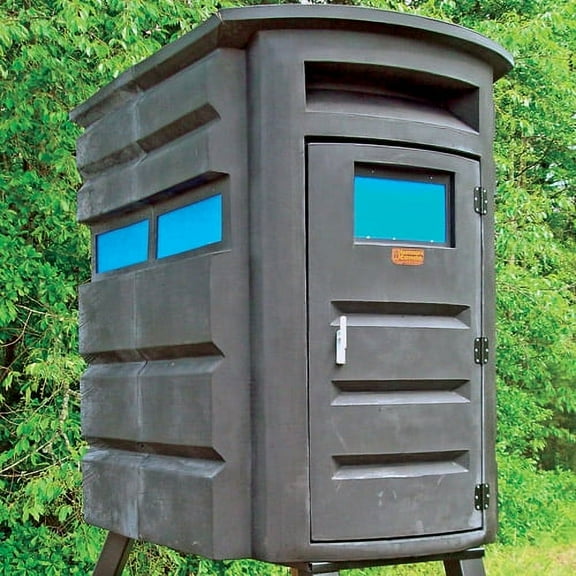
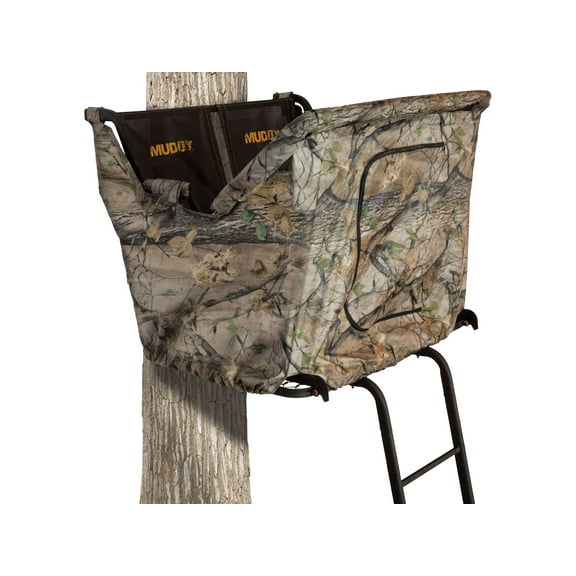
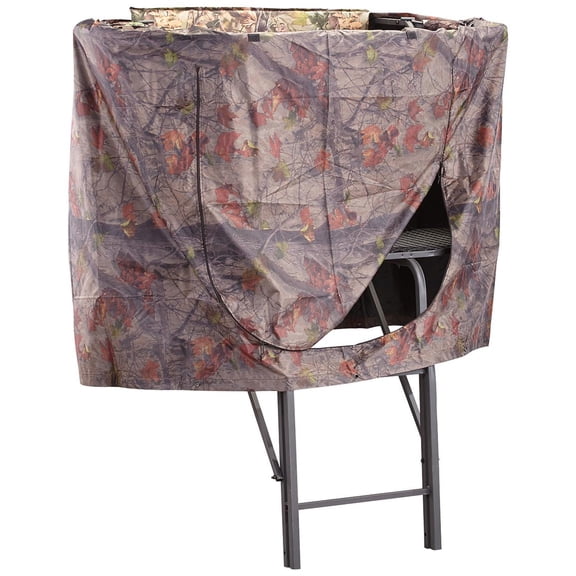
You can improve concealment and comfort with a treestand cover that fits your setup, your season, and your hunting style. You'll also find options built for ladder stands, hang-on stands, and climbing stands, which makes your choice more precise.
How to choose a treestand cover
You should start with stand type compatibility because frame shape affects how a cover attaches and how much space you keep inside. You'll want a cover for tree stand use that matches your platform, rail height, and shooting window needs.
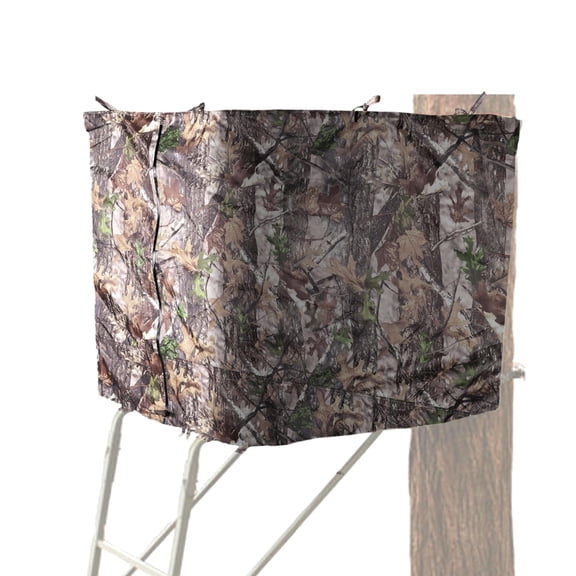
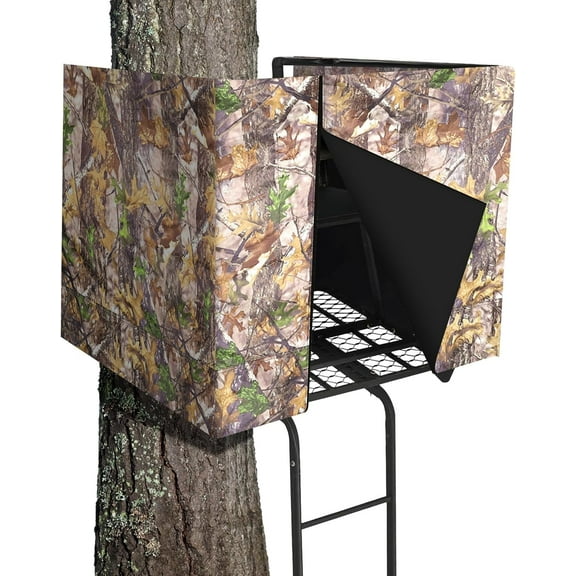
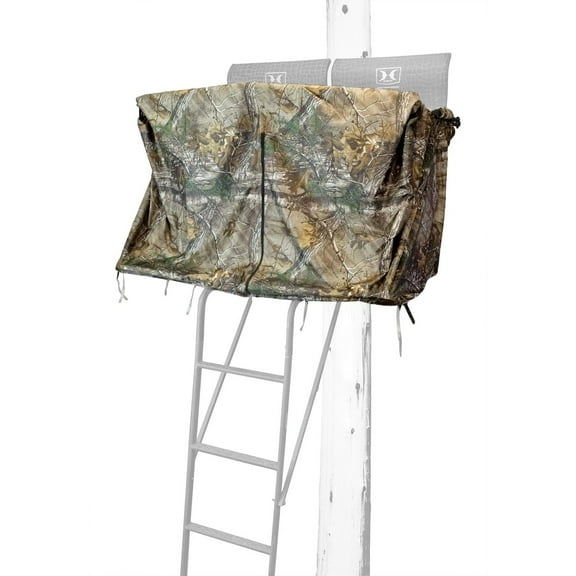
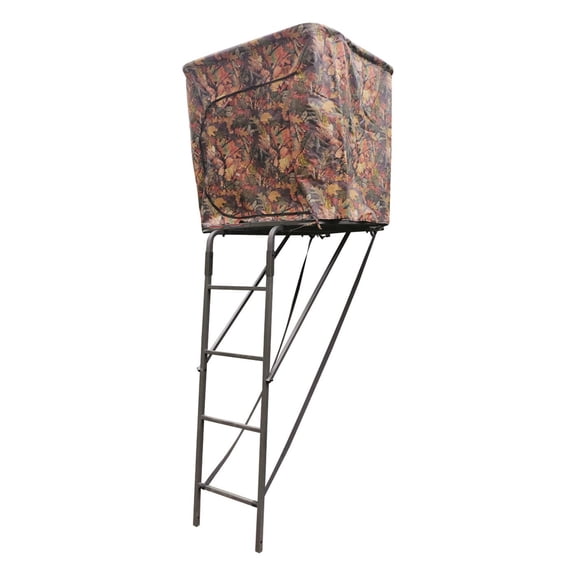
If you use a ladder stand, you may prefer a ladder stand cover with a wider wrap and clear access around the seat rail. If you use a hang-on or climbing stand, you'll often need a more compact fit that won't bunch around the platform.
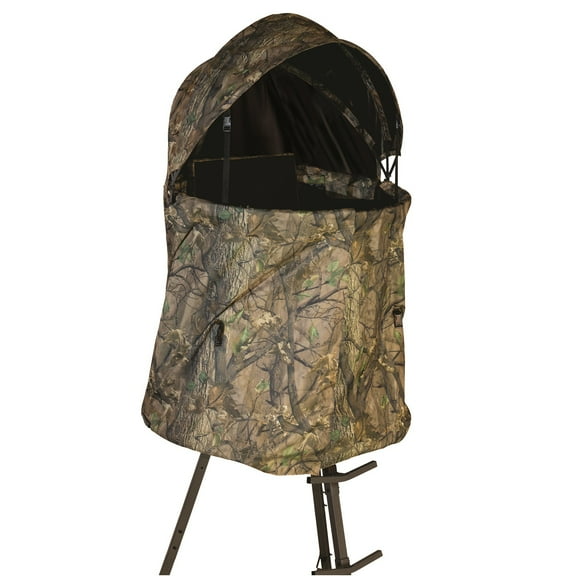
You should also compare coverage style before you choose. You'll see full enclosure styles, partial wraps, and blanket-style panels that block wind while keeping your front opening more flexible.
Choosing capacity for one-man and 2-man tree stand blind setups
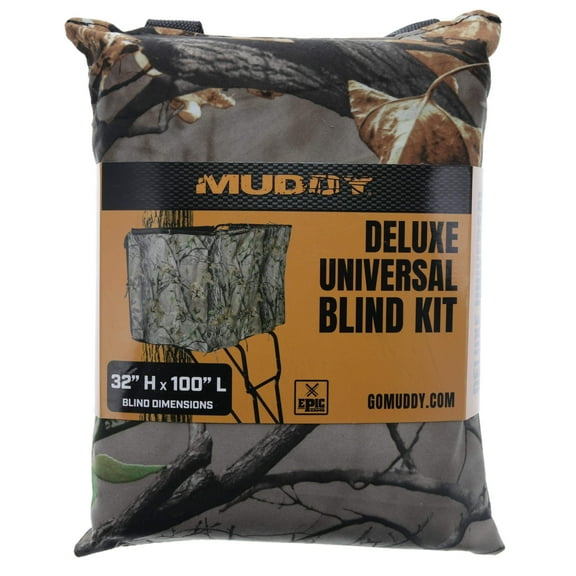
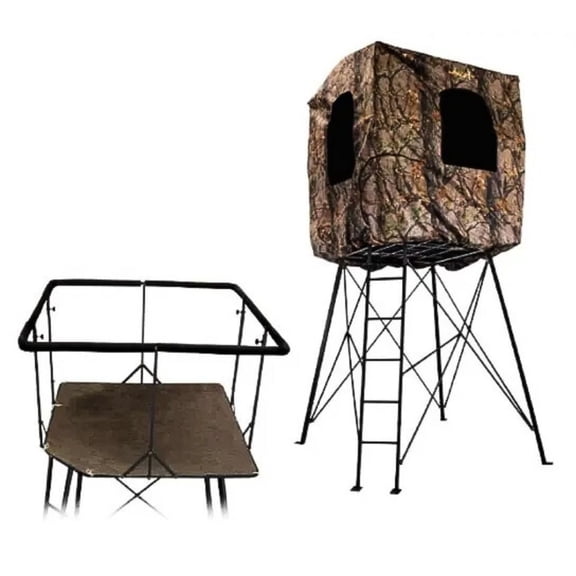
You need the right capacity because a tight fit can limit movement and gear placement. You'll usually want a one-man option for solo hunts and a 2-man tree stand blind size for shared seating.
When you compare dimensions, you should check width across the shooting rail and depth from the seat to the platform edge. You'll get a cleaner fit when your cover matches both seated space and standing room.
You may also want extra room for bows, packs, or cold-weather layers. You'll notice that a larger blind cover can help you move quietly when your setup includes bulkier outerwear.
Comparing deer stand cover patterns and colors
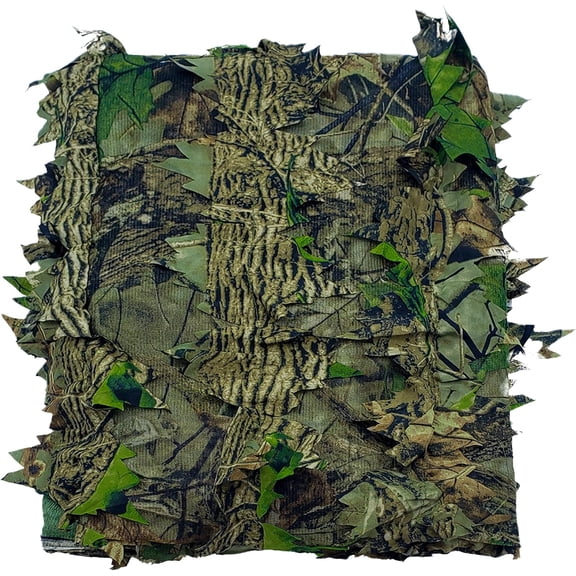
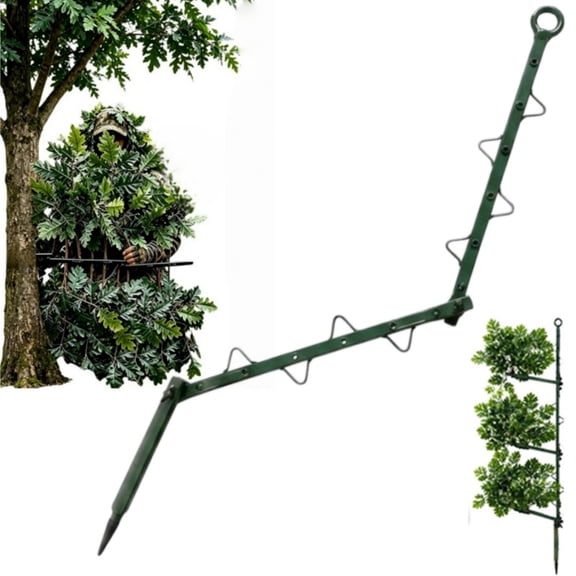
You should choose pattern and color based on your surroundings and the time of year. You'll often see tree stand camo cover options in camo, solid green, and brown for different woods conditions.
If you hunt early season foliage, you may lean toward greener patterns that blend with leaves and brush. If you hunt late season timber, you might prefer brown tones that match bark, bare limbs, and ground cover.
You should also think about how much visual breakup you want around your rail and seat. You'll find that camo prints can soften hard edges, while solid colors can suit simpler setups.
What to look for in weather resistance and materials
You should compare material weight and weather coverage before you decide. You'll commonly see waterproof canvas, windproof blanket styles, and heavy-duty polyester in this category.
If you want stronger weather blocking, you may look for a tree stand blind cover with coated fabric and reinforced tie points. You'll appreciate steadier coverage when wind picks up around open platforms.
You may prefer waterproof canvas when you want a structured feel and dependable outdoor use. You'll often choose heavy-duty polyester when you want lighter handling and easier packing between trips.
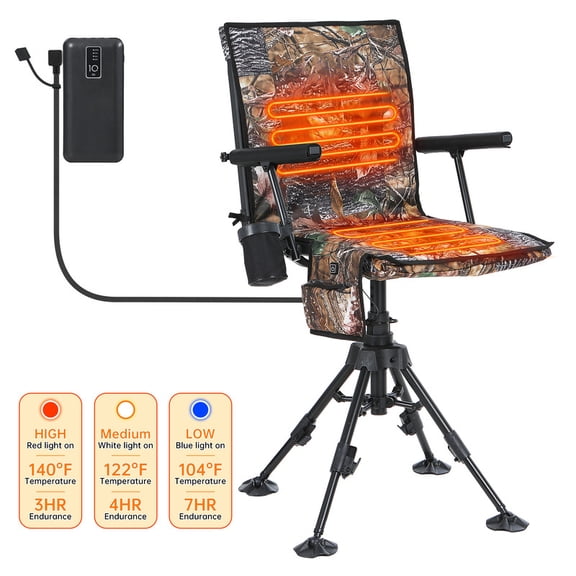
If you want added warmth around your legs and seat area, you can compare blanket-style panels. You'll find this style useful when you want coverage without a full wraparound enclosure.
Benefits you can expect from tree stand covers
You gain concealment that helps your stand blend into brush, trunks, and seasonal cover. You also get a cleaner visual barrier that can reduce the look of straight rails and open platforms.
- You can create a more concealed hunting position with camo or earth-tone panels.
- You can block wind across your legs and seat area for longer sits.
- You can keep light rain and debris off parts of your setup.
- You can choose a fit that matches ladder, hang-on, or climbing stand frames.
- You can pick one-man or two-man sizing for your hunting plan.
You also benefit from easier setup planning because category options break down by fit, coverage, and material. You'll spend less time guessing when you compare these decision points first.
Using a treestand cover in real hunting scenarios
You might set up a deer stand cover on a ladder stand for firearm season when you want broad side coverage. You'll likely want wider panels if your seat frame and rail create a larger front opening.
If you bow hunt from a hang-on stand, you may prefer a narrower cover that leaves cleaner clearance for drawing. You'll usually want less bulk near the platform edge and more control over opening placement.
You can also use a tree stand blind cover for colder mornings when wind crosses a field edge or hardwood ridge. You'll notice that material choice matters when you want more shielding without extra weight.
If you hunt with a partner, you should compare 2-man dimensions carefully before you commit. You'll need enough shoulder room, gear space, and rail coverage for a shared setup to feel usable.
You may switch patterns through the season as leaves change and visibility opens in the woods. You'll often keep camo for fuller cover and move toward brown or muted tones later in the year.
Why the right fit matters
You'll get a more usable setup when your treestand cover matches your stand type, your capacity, and your expected weather. You'll make a clearer choice when you compare frame fit, camo pattern, and material before heading out.