

Train More Safely in Prevent Injury
































About Train More Safely in Prevent Injury - Walmart.com
Safe training gear helps you train with more confidence and clearer support choices. You can compare braces, wraps, belts, and pads by fit, activity, and body area.
If you lift, run, or cross-train, you may want gear that stays in place during repeated movement. You can also look for materials and support levels that match your routine.
How to choose safe training gear
You should start with the body area you want to support during training. Your knee, ankle, wrist, elbow, or back each needs a different shape and fit.
When you compare sports safety equipment, you should also check how much motion you want to keep. Your routine may call for light flexibility or a more structured feel.
You can narrow your options faster by focusing on these decision points first. Your training style, workout surface, and movement pattern all affect the right choice.
- You can choose mild support for light activity and everyday movement.
- You can choose moderate support when your workouts include repeated impact or longer sessions.
- You can choose rigid styles when you want a firmer hold and less side-to-side movement.
- You should measure the body area carefully so your gear fits securely.
- You can compare neoprene, breathable knit, elastic, and latex-free materials by feel and wear time.
Choosing support levels in athletic supports and braces
You should think about support level as a balance between stability and range of motion. Your workouts may feel smoother when the support matches the movement.
Mild support usually works when you want a light, flexible feel. Your motion stays more natural for warmups, walking, or lower-impact training.
Moderate support can make sense when you repeat the same movement many times. Your knees, ankles, or wrists may need a steadier feel during circuits.
Rigid designs and flexible stays create a very different experience during movement. You should compare whether your training needs a firmer hold or easier bending.
If you use a back support for weightlifting, you may want a closer fit around your midsection. Your form checks often feel easier when the support stays centered.
When you shop safe training gear for high-impact sports, you should look for secure closures and stable edges. Your gear should stay aligned during cuts, jumps, and landings.
What to look for in fit, sizing, and materials
You should measure before you choose athletic supports and braces. Your gear can slip, bunch, or feel distracting when the size doesn't match your measurements.
Some styles use sleeve sizing, while others use straps for a more adjustable fit. You should check size charts and circumference guidance before you decide.
Breathable knit can feel lighter when your training sessions run long. Your airflow may feel more comfortable during running, cross-training, or indoor cardio.
Neoprene often gives you a close, cushioned feel around joints. Your workouts may feel more supported when you want compression and a secure wrap.
Elastic materials can stretch easily for fast on and off. You may prefer them when your routine includes quick changes between exercises.
If your skin is sensitive to certain materials, you should check whether latex-free options are available. Your daily wear routine may feel easier with that filter.
Matching workout safety accessories to your activity
You should match workout safety accessories to the movement pattern in your sport. Your gear needs for running differ from your needs for weightlifting or court drills.
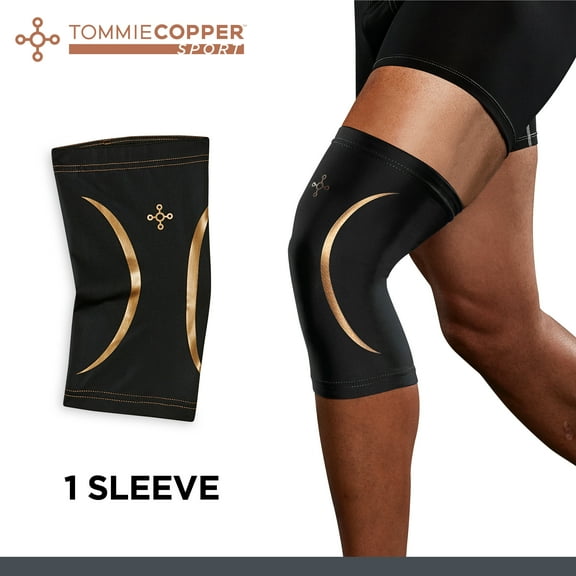
For running, you may focus on ankle or knee support with breathable materials. Your stride usually benefits from gear that feels secure without bulky layers.
For weightlifting, you may compare wrist wraps, back supports, and protective sports gear for repeated loading. Your setup should feel stable through presses, pulls, and squats.
Cross-training often mixes jumping, lateral steps, and floor work in one session. You should look for low-profile designs that stay in place across fast transitions.
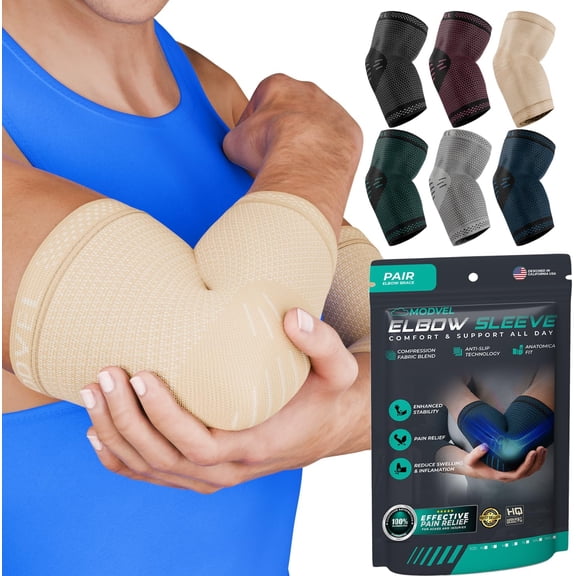
High-impact sports can call for joint supports for working out that hold steady during pivots. Your elbows, ankles, or knees may need a closer fit with reinforced zones.
If you train several days each week, you should also think about wear time and cleanup. Your routine may call for washable materials and simple closures.
Why category details matter in sports safety equipment
You can make smarter choices when you compare support level, body area, material, and activity type together. Your gear works harder when those details match the way you train.
At Walmart, you can find safe training gear that fits your routine with clearer decision points. Your workouts can feel more supported from warmup to cooldown.