


Find auto parts that fit
Let’s search for parts that fit your vehicle.Tractor Fluids in Tractor Parts & Accessories


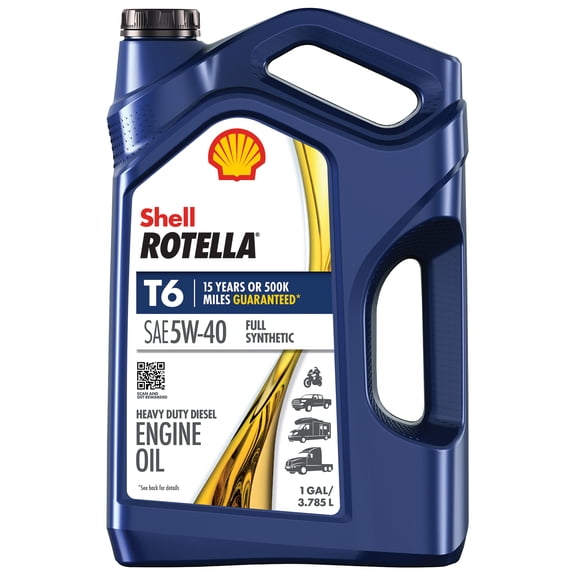
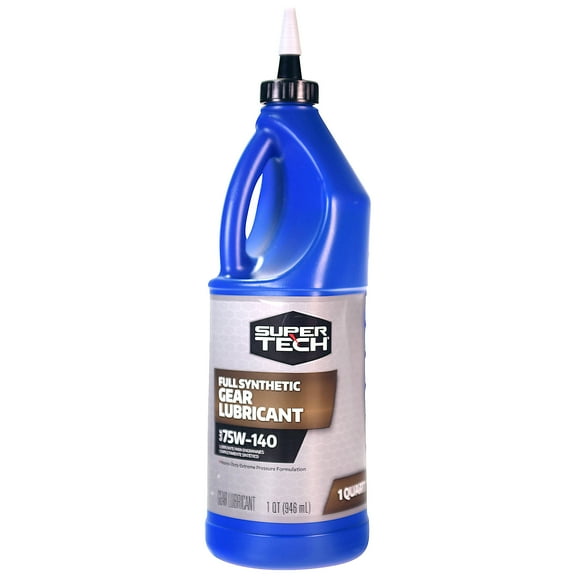

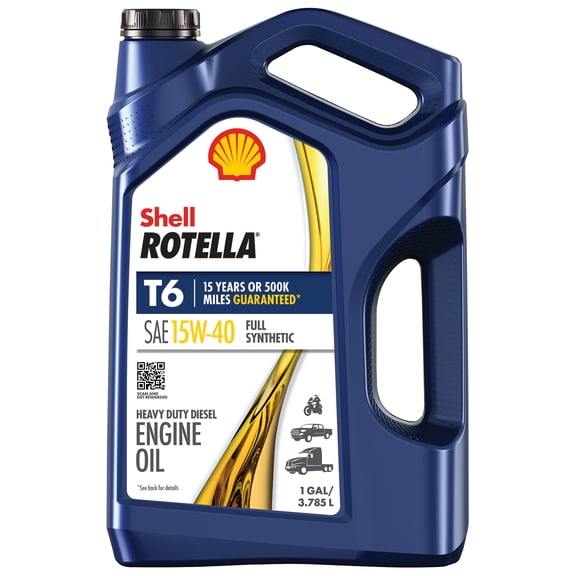

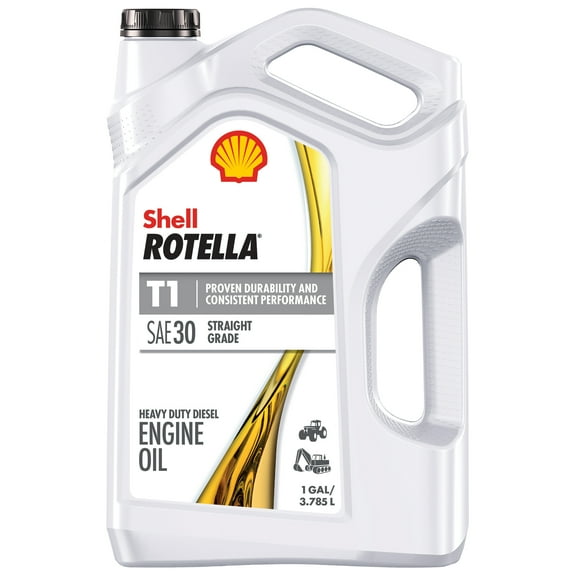
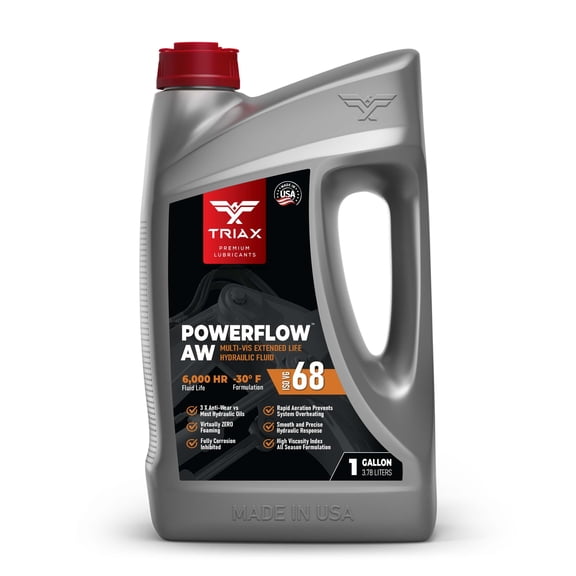

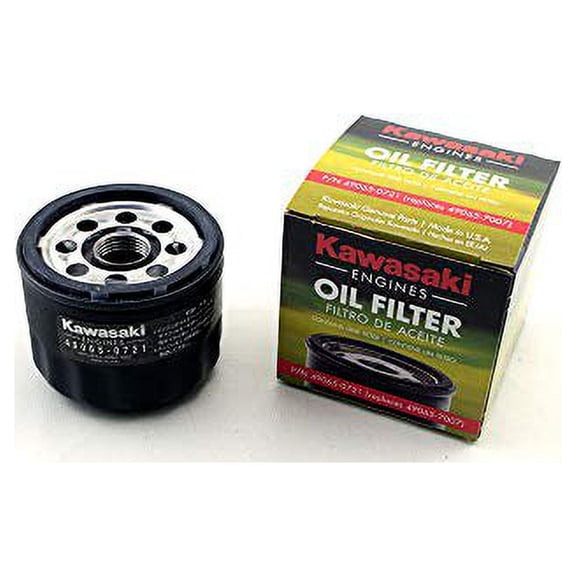


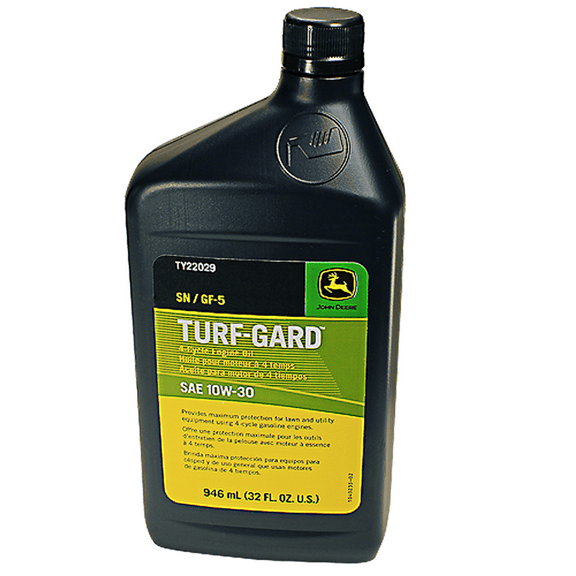



About Tractor Fluids in Tractor Parts & Accessories - Walmart.com
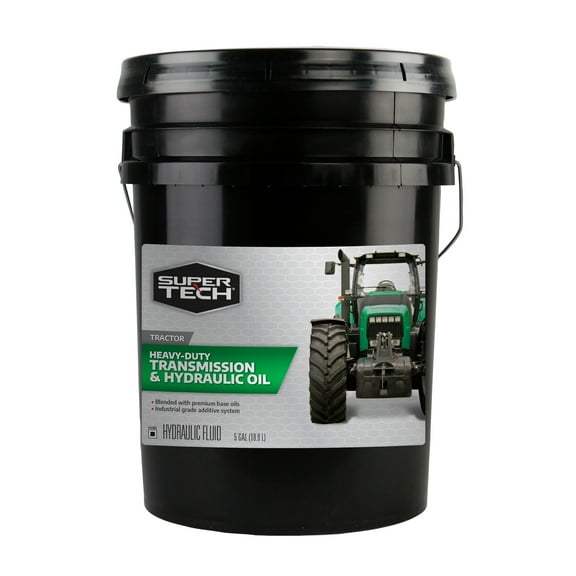
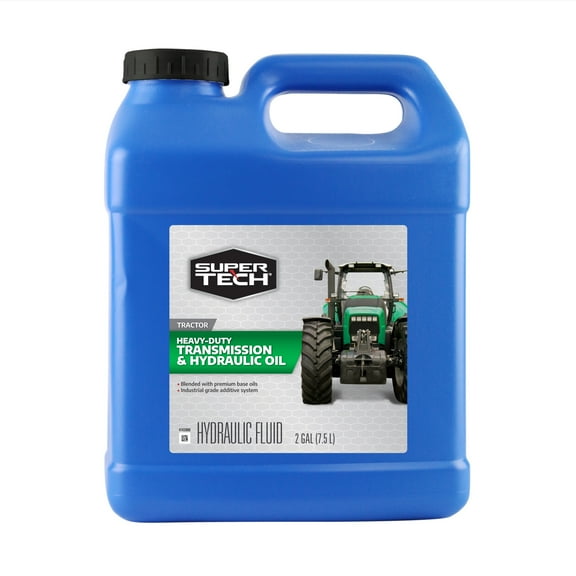
Tractor fluids help you match your machine’s hydraulic, transmission, and gear needs with the right formula. You can compare fluid type, OEM compatibility, viscosity grade, and container size before routine service.
How to choose tractor fluids
When you shop tractor fluids, start with the system you need to service. You may need one formula for hydraulics, another for gears, or a universal option for shared systems.
Many tractors use wet brakes, hydraulic lifts, and transmissions that share one reservoir. In that setup, your manual may point you toward universal tractor transmission fluid instead of a dedicated hydraulic product.
Compatibility matters because your tractor may call for a specific performance standard. On the label, you can compare references like John Deere J20C, Kubota UDT, or Massey Ferguson guidance.
- You can use universal tractor transmission fluid when your tractor shares hydraulic, transmission, and wet brake functions.
- You can choose hydraulic tractor fluid when your equipment uses a dedicated hydraulic reservoir and needs a specific viscosity.
- You can select gear lubricant when your manual calls for service in gearboxes, axles, or final drives.
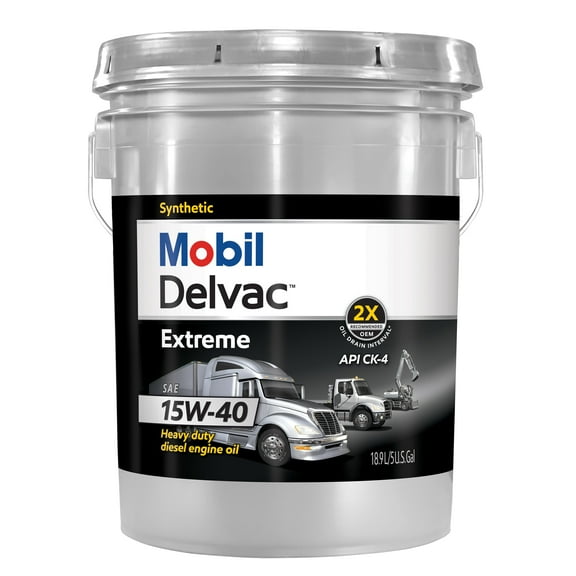
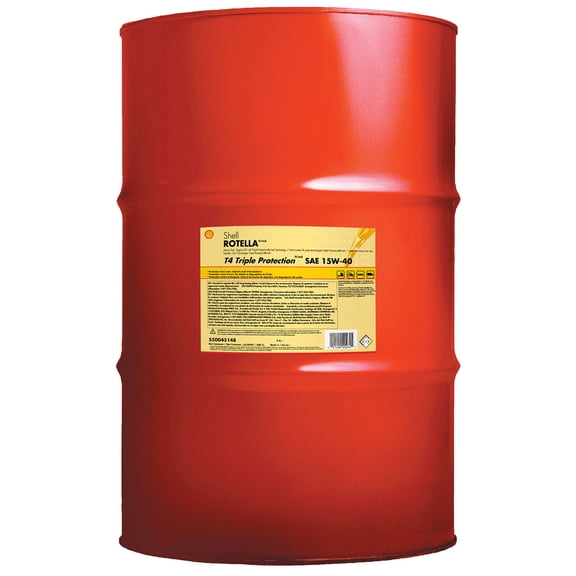
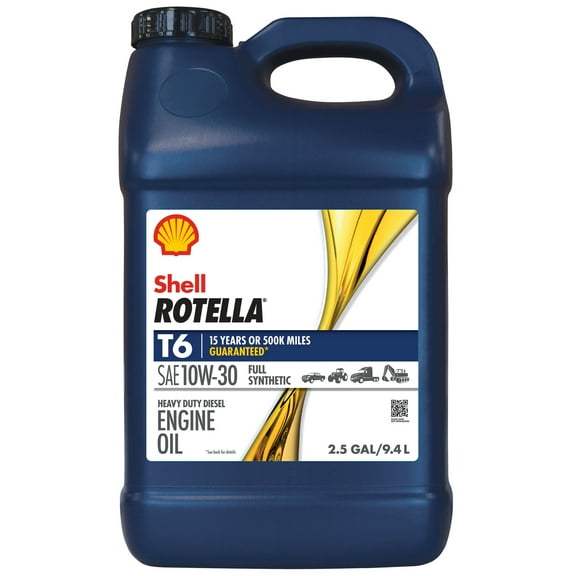
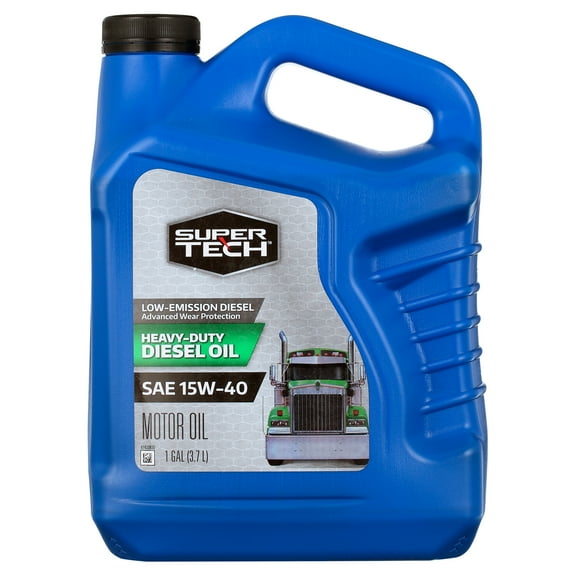
- You can match container size to your job, from one gallon for top-offs to 55 gallons for fleet storage.
Choosing between universal tractor transmission fluid and hydraulic tractor fluid
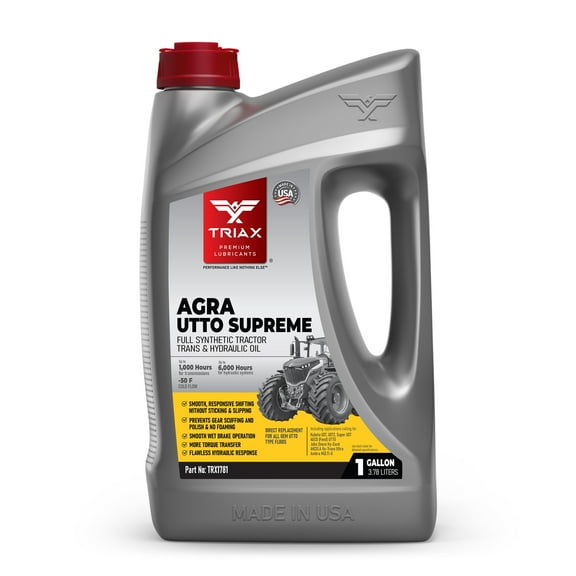
Universal tractor transmission fluid supports several tractor systems with one product type. You may consider it when your machine uses a combined sump for transmission, hydraulics, and wet brakes.
Dedicated hydraulic fluid for tractors focuses on hydraulic system flow and response. That choice can fit your equipment when hydraulics stay separate from transmission components.
Tractor gear lube serves different points than UTF or straight hydraulic oil. Your manual may direct you to it for differentials, gearboxes, or final drives.
This decision affects how your attachments respond during loader work and lifting. A label match to your system design helps you narrow choices with minimal compatibility questions.
Checking OEM compatibility for tractor fluids
OEM compatibility is one of the first details you need to verify before service. Your manual and the product label should align on standards such as J20C or UDT.
If your tractor lists John Deere J20C, that exact callout deserves a close look. If your tractor references Kubota UDT, your comparison should confirm that fit clearly.
If you run Massey Ferguson equipment, your manual can guide your fluid choice. Those listed specifications help you compare products with the right service intent.
These technical details describe friction behavior, hydraulic response, and transmission suitability. You can treat them as decision criteria instead of fine print.
Comparing viscosity grade and tractor hydraulic oil
Viscosity grade shows how a fluid flows during startup and under working heat. Your equipment requirements may point to ISO 32, ISO 46, or SAE 10W-30.
ISO 32 often suits systems that need light hydraulic flow in cooler conditions. ISO 46 usually fits equipment that calls for a thick hydraulic tractor fluid in regular operation.
SAE 10W-30 often appears in tractor hydraulic oil and shared-sump applications. Your manual can guide you toward the operating range your tractor expects.
You may also notice viscosity index and pour point on technical labels. Those details help you compare cold-start flow and consistency during long work hours.
Choosing container size for service intervals
Container size affects storage, handling, and how often you restock. For quick top-offs and small service tasks, your routine may only need a one-gallon option.
Five-gallon containers can suit scheduled maintenance on one or two tractors. That size often makes sense when your refill takes more than a small container.
Fifty-five-gallon drums fit farms, shops, and crews that service several machines through the season. Your storage space and usage rate can help you decide whether bulk volume fits.
This choice can simplify planned maintenance across loaders, utility tractors, and older field equipment. A close match between volume and usage helps you keep service more organized.
Matching tractor fluids to real jobs
If you maintain a compact tractor with a front loader, you may want hydraulic fluid with the right ISO grade. That setup can support steady lift response and clear equipment matching.
If you service a utility tractor that shares one sump, universal tractor transmission fluid may fit your checklist. Your review should confirm wet brake and transmission requirements before selection.
If you maintain axle housings or gearbox service points, tractor gear lube may be the right match. The specified lubricant helps you follow separate gear service requirements where your manual calls for them.
For seasonal maintenance, you can keep your fluid choices aligned with your equipment manual and service schedule. This helps you get a clean match for refills, smooth operation, and minimal compatibility questions.