

Tractor Engine Cooling in Tractor Parts


















About Tractor Engine Cooling in Tractor Parts - Walmart.com
Tractor engine cooling parts help you keep your equipment ready for fieldwork, loader tasks, and property maintenance. You can compare radiators, water pumps, thermostats, fans, and hoses by fitment, material, and cooling capacity.
How to choose tractor engine cooling parts
When you shop tractor engine cooling parts, you should start with your tractor model, engine code, and mount configuration. You can narrow choices faster when your part numbers and hose connections match your existing setup.
Fitment matters because you need bolt locations, inlet positions, and fan clearances to line up correctly. You’ll also want to check whether your repair includes seals, gaskets, or mounting hardware.
You may compare cooling components as a complete system instead of a single replacement. Your radiator, tractor thermostat, hoses, and tractor cooling fan all work together during long operating hours.
Choosing the right component type
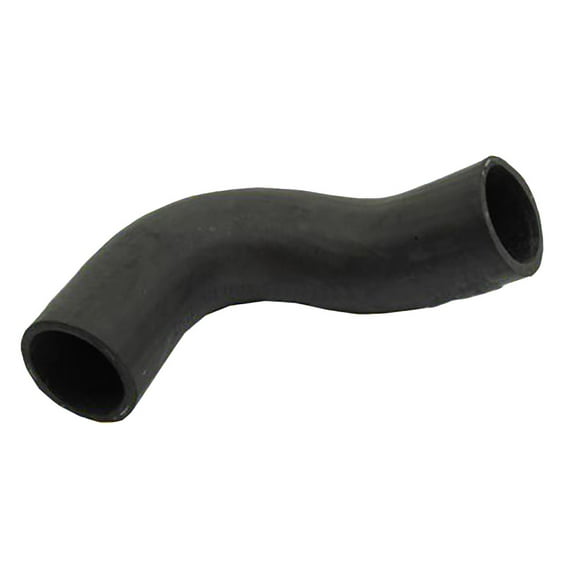
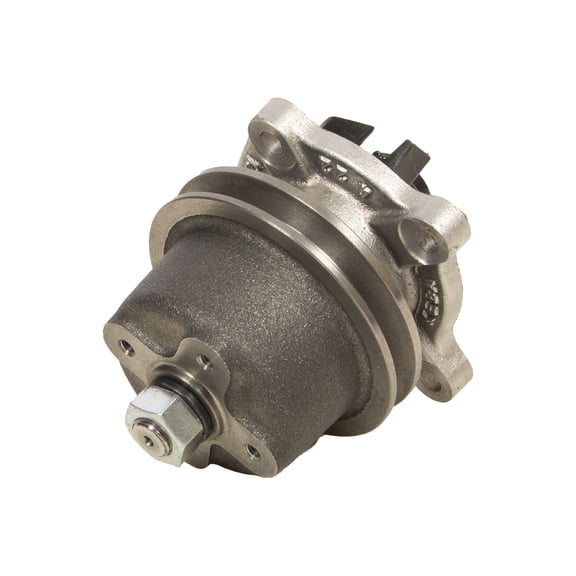
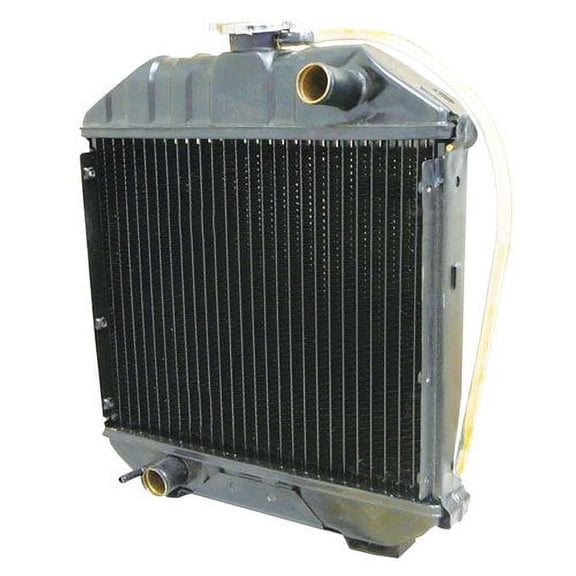
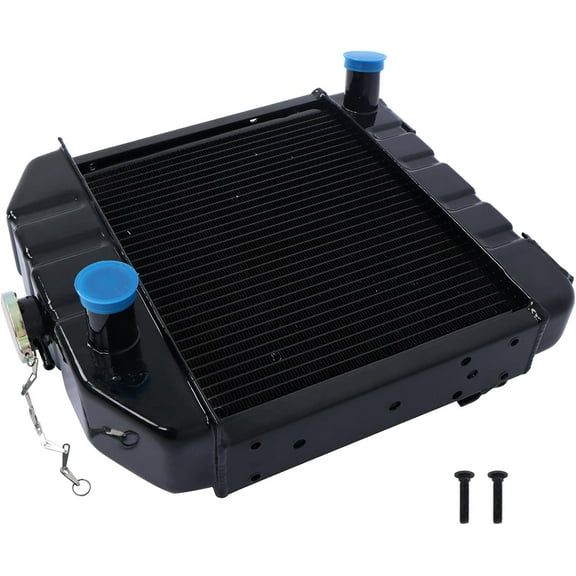
You can solve different maintenance needs by choosing the right component type first. Your options often include radiators, tractor water pumps, thermostats, cooling fans, and reinforced rubber hoses.
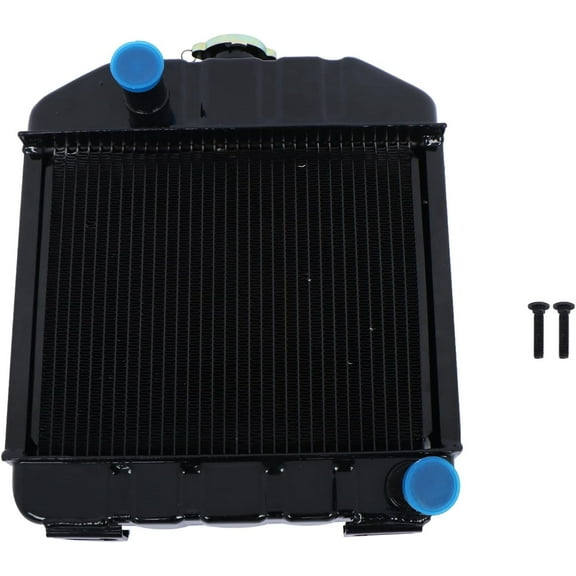
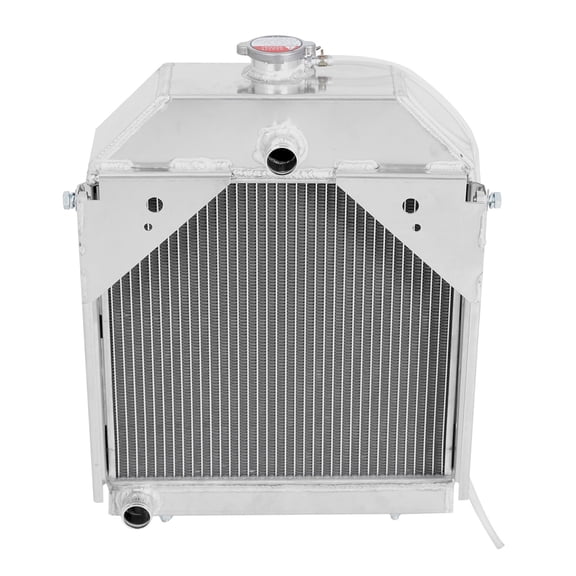
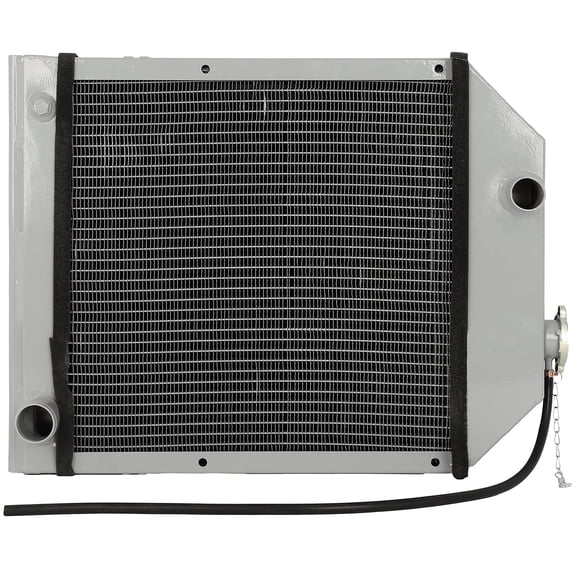
- You can use radiators when your core, tanks, or fins need a direct tractor radiator replacement.
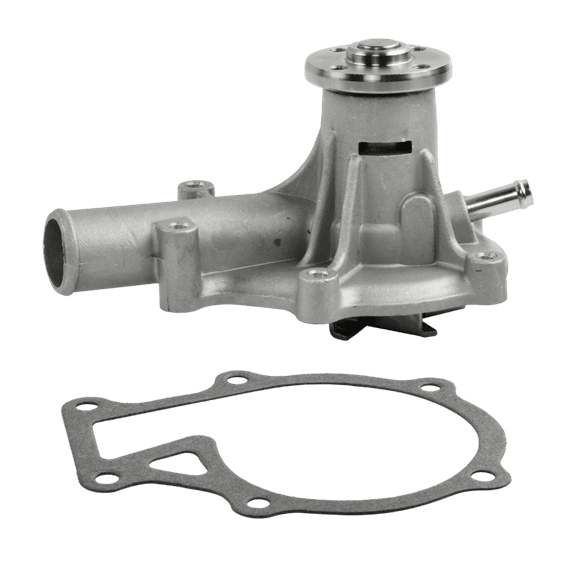
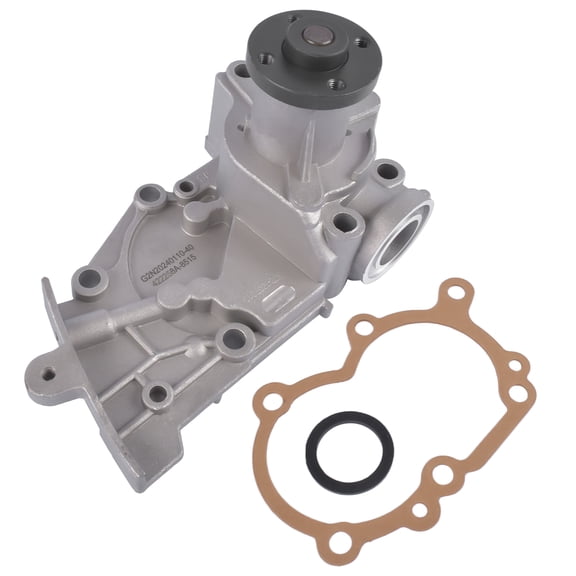
- You can choose tractor water pumps when your coolant circulation depends on a matching pulley, shaft, and housing design.
- You can select a tractor thermostat when your engine requires the correct opening temperature and housing fit.
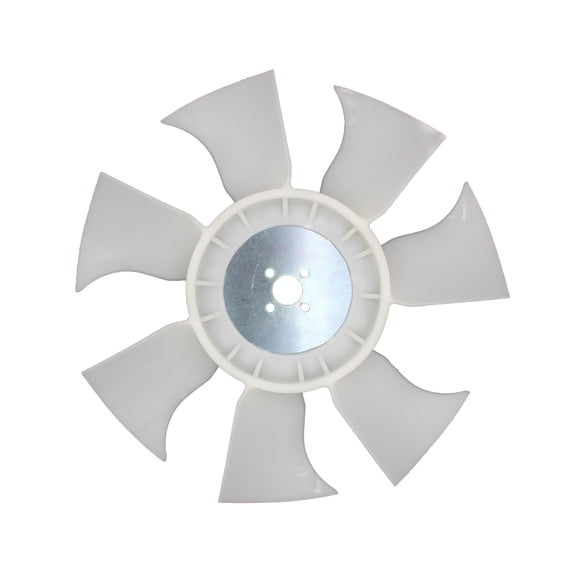
- You can replace a tractor cooling fan when your blades, clutch setup, or mounting pattern need a compatible match.
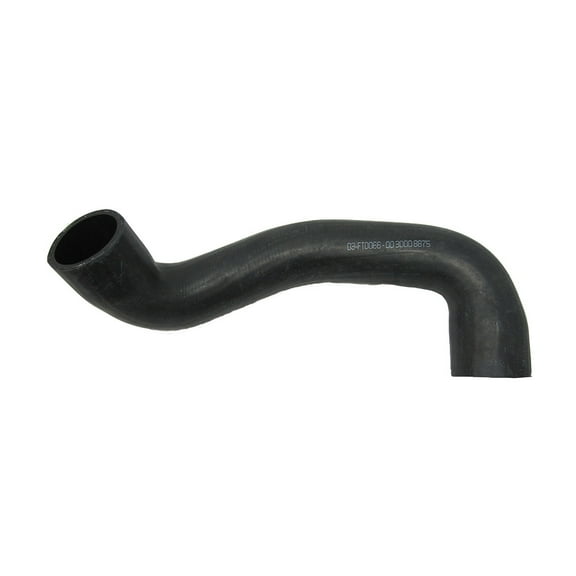
- You can install hoses when your bends, diameters, and connection points must match your tractor cooling system parts.
You’ll make a cleaner repair when you identify the failed component before ordering. You can also avoid repeat downtime when your related seals and clamps are replaced together.
Comparing materials and durability
You should compare materials based on how your tractor works and where you use it. Your choices may include aluminum, copper-brass, reinforced rubber, and heavy-duty plastic components.
You may prefer aluminum when you want lighter radiator construction and efficient heat transfer. You may choose copper-brass when your repair calls for a traditional build with service-focused design.
Reinforced rubber hoses help you match routed bends and flexible connections around your engine bay. Heavy-duty plastic tanks and shrouds can support the right fit when your original assembly uses molded shapes.
You’ll want durable materials if your tractor handles dust, debris, towing, mowing, or repeated stop-and-go work. Your cooling parts should also match the mounting points and vibration demands of farm equipment.
Matching cooling capacity to your workload
You should match cooling capacity to your tractor’s workload, climate, and engine demands. Your options may include standard duty, heavy duty, and radiator designs with two-row, three-row, or four-row cores.
A two-row setup may suit lighter tasks and routine property work. A three-row or four-row design may fit harder pulling, longer runtimes, or warmer operating conditions.
You can compare heavy duty tractor radiators when your machine spends hours under load. You should also measure core size, tank width, and overall height before choosing a replacement.
You’ll get a more accurate fit when you compare row count with your existing radiator and mounting layout. Your choice should reflect fan clearance, shroud space, and hose alignment.
Checking compatibility for your tractor brand
You should verify compatibility carefully when you shop by tractor brand. Your search may include fitment for John Deere, Massey Ferguson, Ford, Kubota, and Case IH equipment.
You can use OEM part numbers, engine codes, and mount styles to confirm a match. You should also compare outlet locations, pulley alignment, and connector positions before finalizing a part.
Some repairs need a full tractor cooling system parts approach instead of one item. You may need hoses, clamps, a tractor thermostat, or a fan shroud that fits the same assembly.
You can reduce installation surprises when you compare notes from your existing component. Your measurements, bolt pattern, and hardware count can guide a more accurate selection.
Planning repairs for seasons and working conditions
You may prepare differently for summer mowing, harvest support, or winter starts. Your maintenance list can include a radiator, tractor coolant heater, hoses, and fresh tractor antifreeze for cold-weather readiness.
You can plan ahead when your tractor sits outside or starts in lower temperatures. You should check whether your heater style, hose size, and electrical setup match your equipment.
During warmer months, you may focus on airflow, fan condition, and clean radiator fins. You’ll also want cooling parts that fit loaders, compact tractors, and utility tractors with tight engine bays.
When you choose by fitment, material, and capacity, you can build a repair that matches your tractor’s actual workload. Your equipment stays ready for steady operation with the right cooling components in place.
Popular in Tractor Engine Cooling in Tractor Parts - Walmart.com
- Farmall H Tune Up Kit
- Massey Ferguson Engine Block Heater
- 4l60e Rebuild Manual
- Hydraulic Solenoid Valve
- Maruyama
- Idle Stop Solenoid
- Caterpillar Injector
- Volvo V70 Egr Valve
- Cole Hersee Solenoid
- Jaguar Xk8 Hvac Heater Hose
- Volkswagen Golf Sportwagen Hvac Heater Hose Connector
- Freightliner Sprinter Hvac Heater Hose